You turn down the thermostat, hear the system kick on, feel air moving... but it's just not cold. That lukewarm breeze is a special kind of summer misery. I've been an HVAC technician for over a decade, and "central ac not cold" is the single most common service call from May to September. The good news? About half the time, it's something you can diagnose and sometimes even fix yourself without a $150 service fee. Let's cut through the generic advice and get into what's actually happening.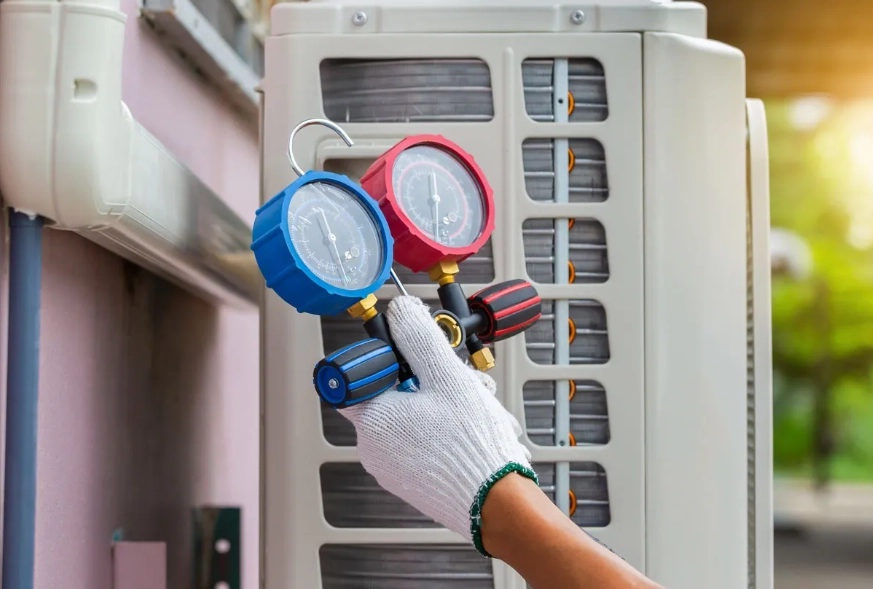
What You'll Find in This Guide
- The 60-Second Pre-Call Checklist
- #1 Culprit: The Deceptively Simple Dirty Air Filter
- #2: The Outdoor Unit That Can't Breathe
- #3: The Silent Killer – Refrigerant Leaks
- #4: When Your AC Ices Up (Yes, That Causes Warm Air)
- #5: Worn-Out Components: Capacitor & Contactor
- The Line Between DIY and "Call a Pro Now"
- Your Burning AC Questions Answered
The 60-Second Pre-Call Checklist
Before you dive deep, run through this. It sounds obvious, but you'd be shocked how often these are the real issues.
- Thermostat Settings: Is it set to "COOL" and not "FAN" or "HEAT"? Is the temperature set below the current room temp?
- Power: Check the circuit breakers for both the indoor air handler/furnace and the outdoor condenser unit. Flip any tripped ones fully off, then on.
- Airflow: Are all supply vents open and unblocked by furniture? Is the return air grille clear?
If all that checks out, the problem is mechanical. Now we start the real hunt.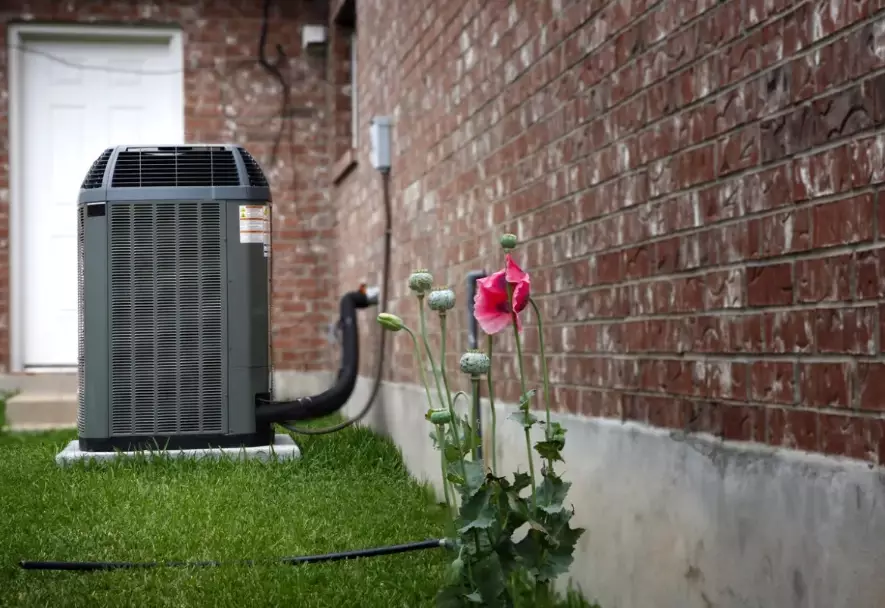
#1 Culprit: The Deceptively Simple Dirty Air Filter
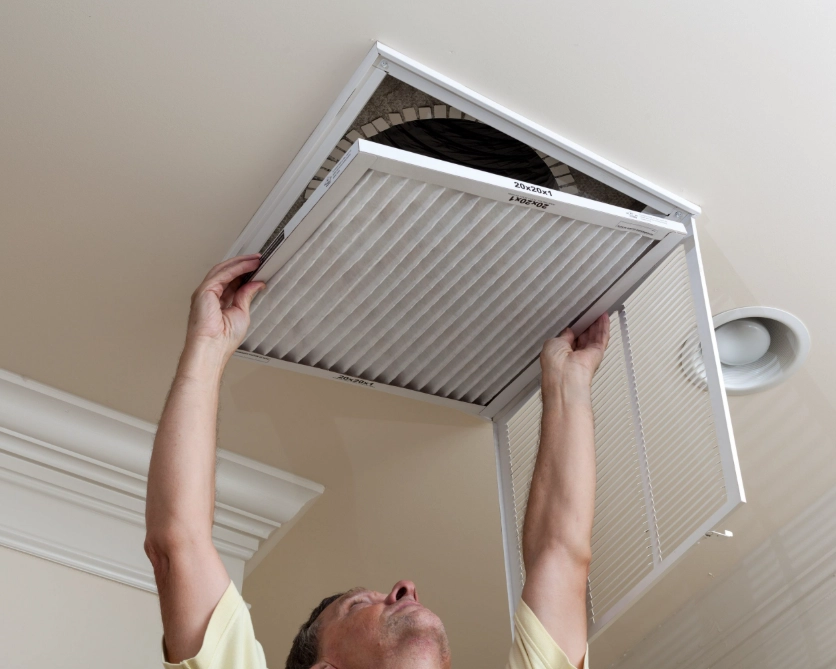
This is my first question on every service call. A clogged filter restricts airflow across the indoor evaporator coil. Think of it like trying to breathe through a thick scarf while running.
The subtle effect most people miss: It doesn't just make your AC work harder. Severely restricted airflow can actually cause the evaporator coil to get too cold and freeze solid. A block of ice acts as an insulator, and suddenly you're blowing room-temperature air. I saw this last week at a client's house – the filter looked like a grey felt blanket.
Action: Locate your filter (usually in the return air duct, furnace, or in a wall-mounted slot). Hold it up to a light. If you can't see light through it, replace it with a new one of the exact same size and MERV rating. Don't upgrade to a "higher efficiency" filter mid-summer; it might be too restrictive for your system.
#2: The Outdoor Unit That Can't Breathe
Your outdoor condenser unit needs to expel heat. If it's surrounded by overgrown shrubs, piled-up leaves, or a fence built too close, it's suffocating. The high-pressure switch will trip, shutting the compressor off to prevent damage. The fan might keep running, blowing uncooled air.
Go outside. Look at the unit. There should be at least 2-3 feet of clear space on all sides, especially the sides with the metal grilles.
Also, gently spray the fins with a garden hose (from the inside out, with the power OFF). Bent fins or a thick layer of dirt and cottonwood seeds act like a winter coat.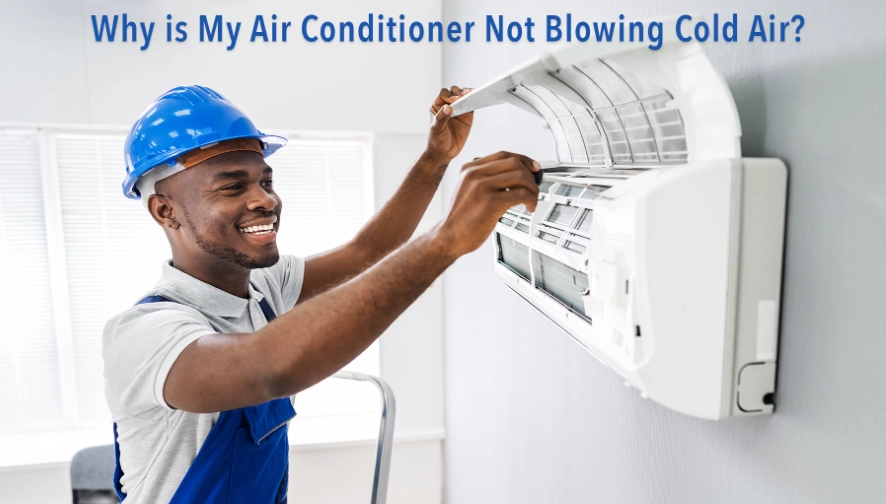
#3: The Silent Killer – Refrigerant Leaks
Refrigerant is the lifeblood of your AC; it's what actually absorbs heat from your home. The system is sealed and should never need "a refill." If it's low, there's a leak.
Critical Point: "Topping off" refrigerant without finding and fixing the leak is a waste of money and illegal in many places due to environmental regulations. It's a temporary patch that will fail again, often within the same season.
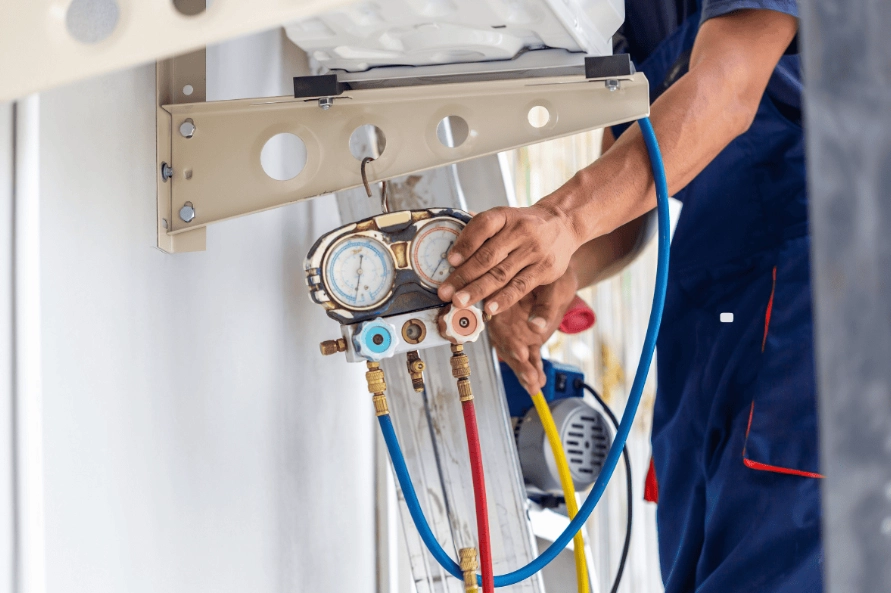
Signs of low refrigerant: Weak cooling, longer run times, ice on the copper "suction line" (the larger insulated pipe running from the outdoor unit to the house), and a hissing or bubbling sound near the coils. This is almost always a job for a licensed pro with leak detection tools.
#4: When Your AC Ices Up (Yes, That Causes Warm Air)
As mentioned, a frozen evaporator coil is a symptom, not a root cause. The two main triggers are low airflow (dirty filter, closed vents, failing blower motor) or low refrigerant.
If you suspect ice, turn the AC to OFF but leave the FAN set to ON. The fan will help melt the ice. Do not try to chip it away. Once completely thawed (could take hours), address the root cause (check filter, airflow). If it freezes again quickly, you likely have a refrigerant issue.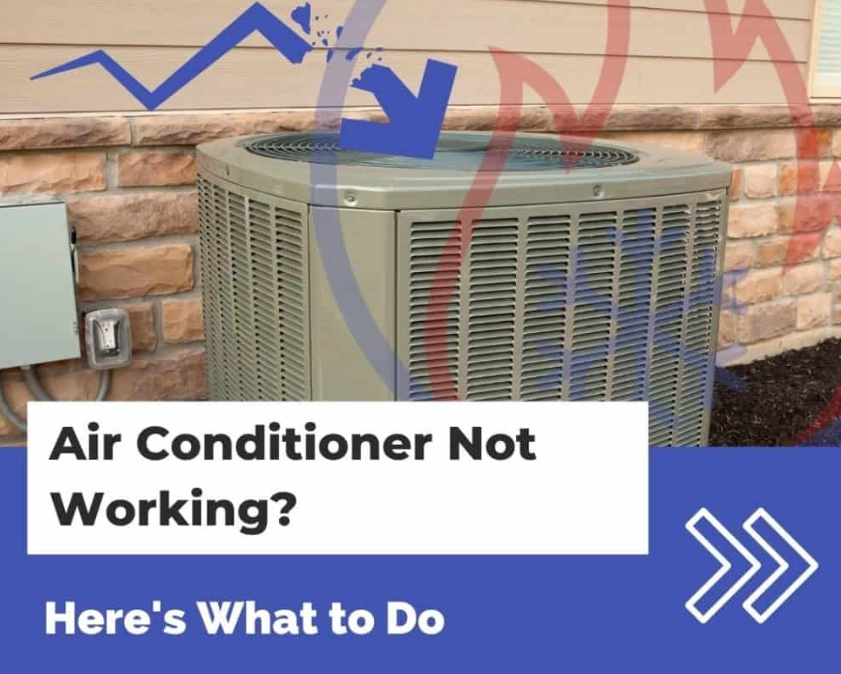
#5: Worn-Out Components: Capacitor & Contactor
These are the two most common electrical parts to fail. They live in the outdoor unit.
- The Capacitor: It's like a battery that gives the compressor and fan motor the extra jolt to start. A weak capacitor can cause humming, failed starts, or the compressor to overheat and shut off. The unit may seem to try to start then stop.
- The Contactor: This is the heavy-duty relay that sends power to the compressor. Over years, the contacts can pit and burn, creating resistance. This leads to intermittent operation or reduced power to the compressor, so it can't build proper pressure to cool.
Replacing these requires turning off power at the breaker and some basic electrical skill. For many homeowners, this is the point to call a technician.
The Line Between DIY and "Call a Pro Now"
Here’s a simple table to help you decide your next move.
| Symptom / Issue | Likely DIY-Friendly? | Typical Pro Repair Cost Range |
|---|---|---|
| Dirty Air Filter | Yes – Replace filter. | $0 (if you buy the filter) |
| Blocked Outdoor Unit | Yes – Clear debris, clean fins gently. | $0 - $150 (for professional cleaning) |
| Frozen Evaporator Coil (from airflow) | Maybe – Thaw and fix airflow. If it recurs, no. | $150 - $400 (diagnosis & simple repair) |
| Failed Capacitor or Contactor | For experienced DIYers only – High voltage risk. | $200 - $500 (part + labor) |
| Refrigerant Leak | No – Requires EPA certification, tools, and materials. | $500 - $2,000+ (leak search, repair, recharge) |
| Compressor Failure | No – Major component replacement. | $1,500 - $3,000+ |
If your system is over 10-12 years old and the repair quote is over $1,200, it's worth getting a quote for a new, energy-efficient system. The efficiency gains (SEER rating) can pay back the difference surprisingly fast.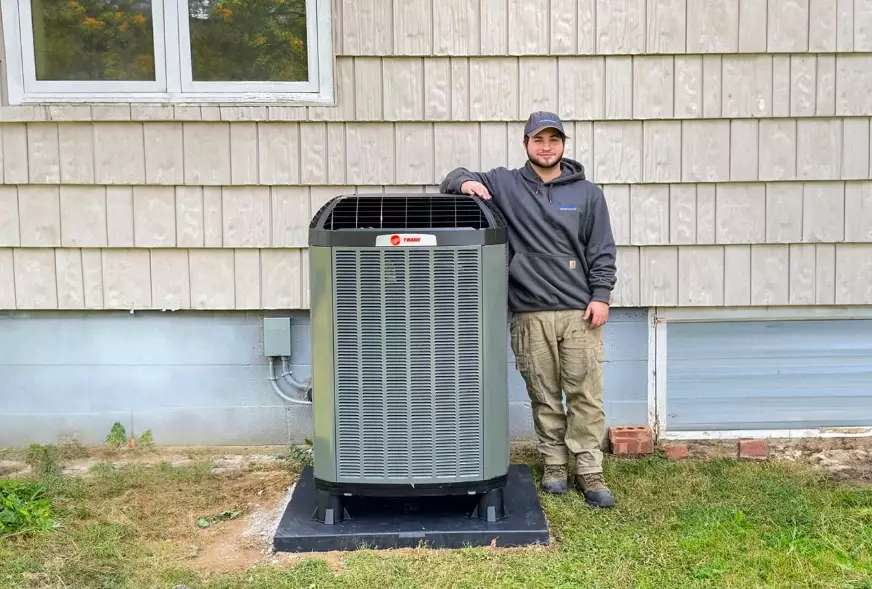
Your Burning AC Questions Answered
 How often should I really change my air filter during peak summer?
 The frustration of a central ac not cold is real, but it's usually traceable. Start with the simple, free checks—thermostat, filter, and outdoor unit clearance. You might solve it in five minutes. If not, you're now armed with specific knowledge that will help you communicate clearly with a technician, avoid unnecessary services, and get your cool comfort back faster.