Let's be honest. That car maintenance schedule booklet in your glove compartment? It's probably buried under old napkins and gas receipts. You know you should follow it, but life gets in the way. Maybe you stretch that oil change a thousand miles, or you can't remember the last time you checked the brake fluid. I've been there. I once ignored a timing belt replacement because the car "felt fine," and the resulting engine repair bill taught me a $3,000 lesson. A proactive maintenance schedule isn't about pleasing your mechanic; it's a strategic financial plan to protect one of your biggest investments. This guide cuts through the confusion and gives you a clear, actionable roadmap.
What's Inside This Guide
Why a Sticking to a Schedule is Non-Negotiable
Think of maintenance like dental care. Skipping a cleaning might not cause immediate pain, but plaque builds up, leading to cavities and root canals. Your car is the same. Small, scheduled services prevent catastrophic, wallet-draining failures.
Beyond avoiding breakdowns, a disciplined schedule directly impacts your car's value. A well-documented service history can add hundreds, even thousands, to your car's resale or trade-in value. It's proof you cared. I've seen two identical cars on a lot; the one with a binder full of service records sells first and for more money every single time.
Here's the kicker most guides miss: The factory schedule is a minimum for ideal conditions. If your driving involves frequent short trips (under 10 miles), extreme heat or cold, dusty roads, or heavy stop-and-go traffic, you're in a "severe service" category. That means you should be doing things like oil changes and inspections nearly twice as often. Your owner's manual has a section on this—most people never read it.
Your Master Maintenance Checklist: What Needs Attention
Not all maintenance items are created equal. Some are simple checks you can do in your driveway on a Saturday morning. Others require a professional lift and tools. Let's break them down.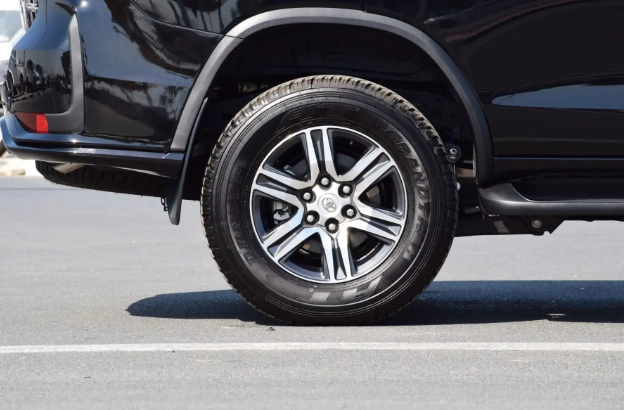
The Fluids: Your Car's Lifeblood
These are the most critical and often the most neglected. They degrade over time and use.
- Engine Oil & Filter: The classic. It lubricates, cleans, and cools. Modern synthetic oils last longer, but don't get complacent. Check the dipstick monthly.
- Coolant/Antifreeze: Prevents overheating in summer and freezing in winter. It also contains corrosion inhibitors that wear out. A flush and replacement every 5 years or 60,000 miles is typical, but check your manual.
- Brake Fluid: It absorbs moisture from the air, which lowers its boiling point and can lead to a spongy pedal. This is a safety item. A professional test for moisture content every two years is smart.
- Transmission Fluid: Often forgotten until there's a shifting problem. Some modern cars claim "lifetime" fluid, but that's a controversial term in the industry. A change every 60,000-100,000 miles can prevent incredibly expensive transmission rebuilds.
- Power Steering & Windshield Washer Fluid: Check and top off as needed. A leak in power steering fluid needs immediate attention.
The Wear Items: Parts That Deteriorate
These have a finite lifespan, measured in miles and years.
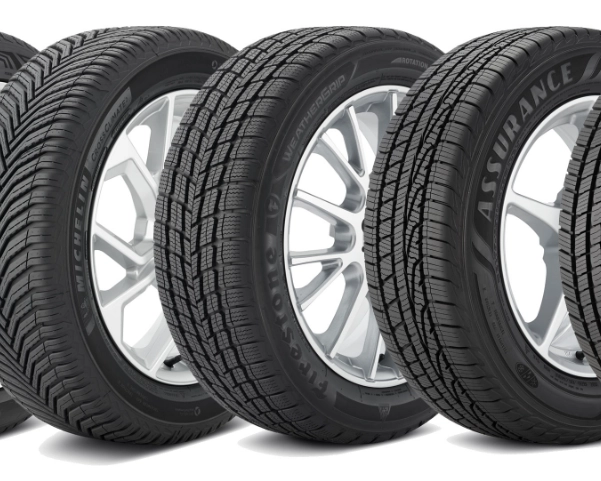
- Tires: Check pressure monthly (including the spare!). The U.S. Department of Energy notes that properly inflated tires can improve gas mileage by about 0.6%. Rotate them every 5,000-8,000 miles for even wear. Alignment should be checked annually or if you hit a major pothole.
- Brake Pads & Rotors: Listen for squealing wear indicators and pay attention to pedal feel. Thickness should be inspected at every oil change.
- Battery: Most last 3-5 years. Have its charge and ability to hold a crank tested every fall before winter hits.
- Belts & Hoses: The serpentine belt runs your alternator, AC, and more. A snapped belt leaves you stranded. Look for cracks or glazing. Hoses should be firm, not soft or bulging.
- Wiper Blades: Streaking? Replace them. It's a cheap safety fix, usually needed yearly.
The Filters: Keeping Things Clean
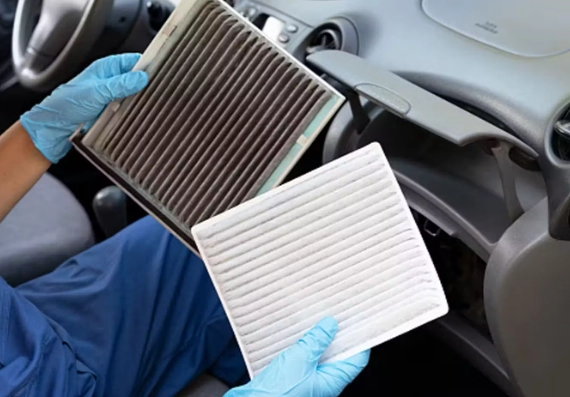
Engine Air Filter: A clogged filter makes your engine work harder, hurting performance and fuel economy. Check it every 15,000 miles or so. Cabin Air Filter: Affects the air you breathe inside the car. If you smell musty odors when the AC kicks on, it's time for a change, usually every 15,000-25,000 miles.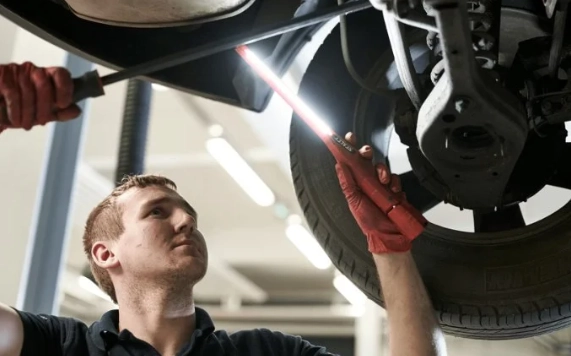
How to Create a Personalized Car Maintenance Schedule
Your car is unique. A 2020 electric sedan has wildly different needs than a 2010 pickup truck used for towing. Here's how to build your plan.
Step 1: Find Your Bible. Dig out your vehicle's owner's manual. The manufacturer's recommended maintenance schedule is in there, often in a chart format. This is your starting point. If you lost it, a quick search online for "[Your Car Year, Make, Model] maintenance schedule PDF" usually turns it up.
Step 2: Assess Your Driving Profile. Be honest. Is your commute a 30-mile highway cruise or a 5-mile crawl? Do you live in Phoenix or Minneapolis? Do you regularly haul heavy loads or drive on gravel roads? If any of these are true, default to the "severe service" intervals in your manual.
Step 3: Choose Your Tracking Method. You need a system.
- Old School: A logbook in the glove box. Write down the date, mileage, service performed, and receipt.
- Digital: Use a notes app on your phone, or a dedicated car care app. Set calendar reminders for upcoming services based on mileage or date.
- Hybrid: I keep a folder in my filing cabinet for all receipts and a simple spreadsheet on my computer to track the next due date for each major item.
Step 4: Build in Visual Checks. Once a month, when you're filling up with gas, take 2 minutes. Check tire pressure (the sticker inside your driver's door jamb has the correct PSI). Look at the tire tread for uneven wear. Pop the hood and check the oil level and coolant level in the overflow tank. Look for any obvious leaks or cracks on belts. This habit catches small problems before they become big ones.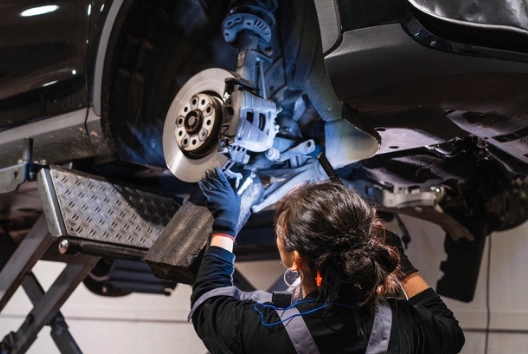
A Sample Maintenance Schedule You Can Use Today
This is a generalized schedule for a typical gasoline-powered car under "normal" driving conditions. Always defer to your specific owner's manual. It uses both mileage and time, because parts degrade even if the car sits.
| Interval (Miles/Time) | Key Services & Checks | DIY-Friendly? |
|---|---|---|
| Every Month | Check tire pressure & tread. Check all fluid levels (oil, coolant, washer). Look for leaks under the car. | Yes |
| Every 5,000 Miles (or 6 Months) | Change engine oil and filter (if using conventional oil). Rotate tires. Visual inspection of brakes, belts, hoses. | Moderate |
| Every 15,000 Miles (or 1 Year) | Replace engine air filter. Inspect cabin air filter. Check battery terminals for corrosion. Full professional multipoint inspection. | Mostly Yes |
| Every 30,000 Miles (or 2 Years) | Replace cabin air filter. Inspect fuel system. Check brake fluid moisture content. Service transmission (if recommended). | Some |
| Every 60,000 Miles (or 5 Years) | Replace spark plugs (on many engines). Change engine coolant. Replace serpentine belt(s). Inspect shock/struts. | Professional |
| Every 100,000+ Miles | Replace timing belt (if equipped - CRITICAL). Inspect/change transmission fluid. Replace original hoses and possibly the water pump. | Professional |
See how time is a factor? Even if you only drive 3,000 miles a year, that oil should still be changed every 6-12 months because it collects contaminants and breaks down. Acid forms in the oil over time, which can damage engine bearings.
Your Maintenance Questions, Answered by a Pro
My car is mostly parked. Do I still need to change the oil every 6 months?
Absolutely. This is a classic case of "severe service" due to infrequent use and short trips. Condensation forms in the engine crankcase and doesn't get hot enough to evaporate fully, leading to sludge and acid formation. Sticking to the time interval is more important than the mileage interval in this scenario.
The dealership says I need a fuel injection service at 30,000 miles. Is this a real maintenance item or an upsell?
It's often an upsell for modern cars. If you primarily use Top Tier detergent gasoline (most major brands are), the additives keep the fuel injectors remarkably clean. A better use of your money is to run a bottle of a reputable fuel system cleaner through a tank of gas once a year. Save the professional service for if you have a drivability problem, like hesitation or rough idle, that points to dirty injectors.
Can I really trust the car's built-in oil life monitor, or should I follow the manual's mileage?
Trust the monitor, but understand it. Modern systems don't just count miles; they track engine revolutions, temperature cycles, and load. They're sophisticated. However, they don't monitor time. If the monitor says 40% life left but it's been 11 months since your last change, go by the time. The monitor is great for mileage-based intervals under typical use.
What's the one maintenance item people always forget that causes the most expensive damage?
The timing belt, hands down. It's out of sight, out of mind. If it breaks on an "interference" engine (most are), the pistons will smash into the valves, causing catastrophic internal damage. The repair bill can easily exceed $3,000-$5,000. Replacing the belt and associated components at the manufacturer's interval (often 60,000-100,000 miles) is cheap insurance—usually $500-$900. Know which your car has (belt or chain) and treat that service as non-negotiable.
Is it worth doing any maintenance myself to save money?
Yes, but pick your battles. Start with the easy, high-savings items: replacing engine and cabin air filters, wiper blades, and even headlight bulbs. These are marked up significantly at shops. Learning to change your own oil can save $30-$50 per change, but you must dispose of the old oil properly. Leave complex, safety-critical, or messy jobs (brakes, alignments, coolant flushes, internal engine work) to professionals. Your time and risk of error have value too.
The bottom line is this: a car maintenance schedule is a proactive strategy, not a reactive chore. It's the difference between planning a $80 oil change and panicking over a $4,000 engine replacement. By understanding what your car needs, personalizing the schedule, and building simple checking habits, you take control. Your wallet—and your car—will thank you for years to come.