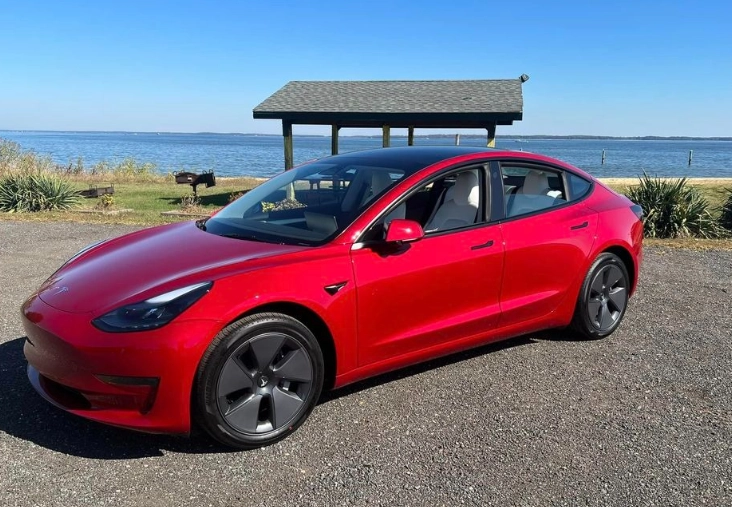
Let's be honest. You're not looking at the Model 3 Standard Range for its blistering 0-60 time or because you need to drive 400 miles without stopping. You're here because it's the most affordable way to get a new Tesla. The question isn't about specs on a page—it's about daily life. Can it handle your commute? Will it save you money? Is the tech headache-free, or a glitchy mess?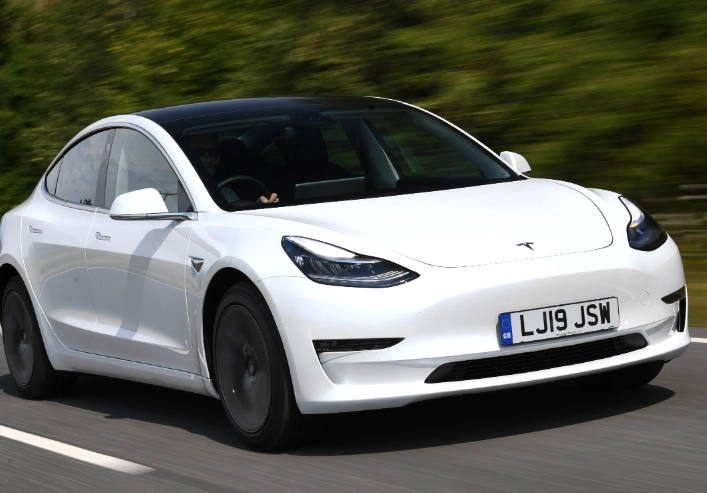
I've driven it, talked to owners who've put 50,000 miles on theirs, and crunched the numbers most reviews gloss over. Here’s the unfiltered take.
What's Inside This Guide
Real-World Range: Forget the EPA Number
Tesla says 272 miles. You'll never see that. Not in the real world. That's the first truth every EV owner learns. The EPA test is a gentle cycle.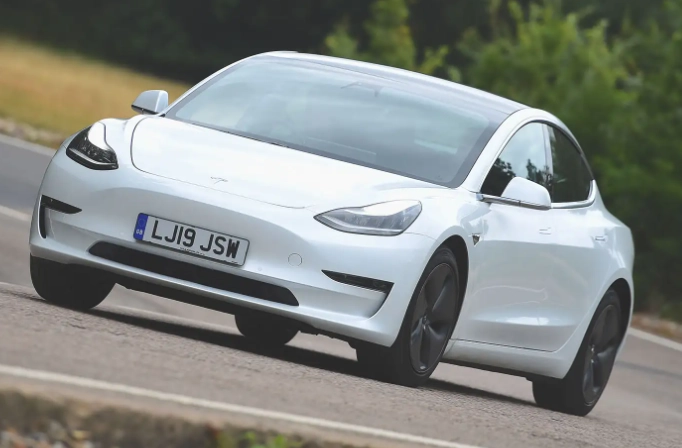
My own testing and consistent owner reports from forums like Tesla Motors Club paint a clearer picture:
- City & Suburban Driving (65°F/18°C): This is the sweet spot. You can realistically expect 240-260 miles. Regenerative braking does its job, and lower speeds are efficient.
- Highway Driving (70 mph / 113 kmh): Here's where it drops. Constant speed kills efficiency. Expect 210-230 miles on a full charge.
- Winter Driving (32°F / 0°C): This is the big one. Running the heat pump, battery conditioning, and dealing with cold battery chemistry can slash range by 25-35%. A 200-mile highway trip becomes a 130-150 mile proposition before you start looking for a plug. Preconditioning the cabin while plugged in is non-negotiable.
The Bottom Line on Range
Plan your life around the 220-mile number for mixed use. If your daily round-trip is under 60 miles, you'll charge once a week. For a 100-mile daily commute, you'll be plugging in every other night. It's not a limitation for most, but it requires a mental shift from "gas station when empty" to "plug in when convenient."
The Charging Cost Breakdown: Home vs. Supercharger
"Saving on gas" is the mantra. But how much do you actually save? It's not a simple answer. It depends entirely on where you get your electrons.
Scenario 1: Charging at Home (The Money Saver)
This is where the Model 3 Standard Range shines. Let's assume a 50 kWh battery and a US national average electricity rate of about $0.16 per kWh (check your bill—this varies wildly).
A full 0-100% charge costs roughly $8.00. For 220 real-world miles, that's about 3.6 cents per mile.
Compare that to a gas sedan getting 30 MPG with gas at $3.50/gallon: that's 11.7 cents per mile.
The math is compelling. Over 15,000 miles a year, you're looking at ~$540 in electricity vs. ~$1,755 in gas. That's $1,200 back in your pocket.
Scenario 2: Relying on Tesla Superchargers (The Convenience Tax)
Here's the catch. If you live in an apartment or can't install a home charger, you'll use public fast chargers. Tesla Supercharger rates are time-based and location-based, often around $0.30 - $0.45 per kWh.
That same full charge now costs $15 to $22.50. Your cost per mile jumps to 6.8 - 10.2 cents.
Suddenly, the fuel savings versus that efficient gas car shrink dramatically, or even disappear. The Supercharger network is brilliant for road trips, but it's an expensive way to fuel your daily life.
| Charging Method | Estimated Cost per Full Charge | Cost per Mile (220 mi range) | Annual Cost (15k mi) |
|---|---|---|---|
| Home Charging (Avg. Rate) | $8.00 | 3.6¢ | ~$540 |
| Supercharger (Mid-Rate) | $18.75 | 8.5¢ | ~$1,275 |
| 30 MPG Gas Car ($3.50/gal) | $46.67 (for 220 mi) | 11.7¢ | ~$1,755 |
See the gap? Home charging is the secret sauce.
The Ownership Experience: Pros You'll Love, Cons You'll Tolerate
Owning a Tesla is different. It's not all roses, but the good parts are really good.
The Unbeatable Pros
The Tech Just Works (Mostly). Getting in, the car wakes up. You drive. You get out, it locks. Phone-as-key is seamless after setup. Over-the-air updates feel like getting a slightly new car every few months—new features, games, improvements. No dealership visits for software.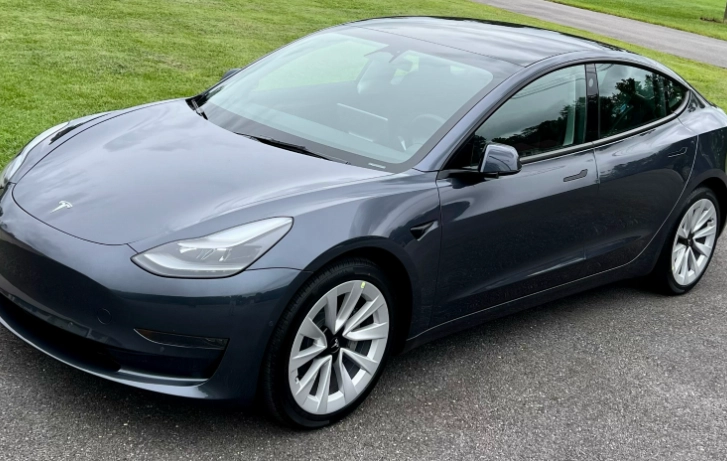
Driving Feel. It's quick, quiet, and planted. The low center of gravity from the battery pack makes it feel glued to the road. The instant, silent torque from a stoplight never gets old. The steering is direct. It's a genuinely fun commuter.
Minimalist Interior. You'll either love or hate the single screen. I came to love it. Everything is there, logically laid out. The cabin feels airy and simple. Build quality on newer models is significantly better than the early days.
The Cons You Need to Accept
Ride Quality. It's firm. The 18" Aero wheels help, but you feel every pavement imperfection. It's sporty, not plush. If you're coming from a luxury sedan, you'll notice.
Wind and Road Noise. At highway speeds, it's louder than some rivals like the Hyundai Ioniq 6. The lack of an engine noise means tire roar and wind whistle become more apparent.
Service Can Be a Wild Card. Need a tire rotation or a cabin air filter change? Mobile service is fantastic—they come to you. Need bodywork or a complex repair? Appointment wait times can be long, and depending on your location, you might be without the car for weeks. It's the Tesla ownership lottery.
The Phantom Drain. The car is always "on" to some degree, checking for updates, running climate to protect the battery. You might lose 1-3% of charge per day just sitting. It's normal, but annoying if you leave it at an airport for a week.
Who It's Perfect For (And Who Should Look Elsewhere)
This car isn't for everyone, and that's okay.
Buy the Tesla Model 3 Standard Range if:
- You have a predictable daily drive under 70 miles.
- You can install a Level 2 home charger (or have reliable access to one).
- You value tech and a unique driving experience over plush comfort.
- You take occasional road trips and don't mind planning a 20-minute stop every 2-3 hours.
Look at other options (like a used Long Range, a Hyundai Ioniq 6, or even a plug-in hybrid) if:
- You regularly drive 150+ miles in a day without guaranteed charging.
- You live in an apartment with no charging options.
- Your primary use is frequent long-distance highway driving in cold climates.
- You need maximum cabin space for a growing family and all their gear.
Your Tesla Model 3 Standard Range Questions, Answered
How much does it really cost to charge a Tesla Model 3 Standard Range per month?
The monthly cost varies wildly. If you charge mostly at home overnight, expect $30-$50 for 1,000 miles. Rely on Tesla Superchargers, and that can jump to $120-$180. The biggest mistake is not factoring in your local electricity rate. Check it now; it's the single biggest factor in your operating cost.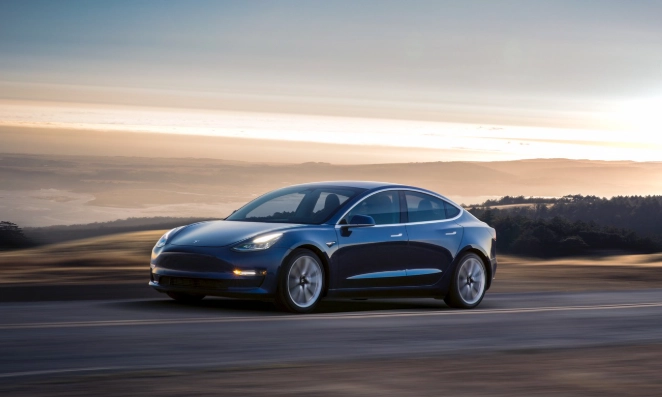
Can you take a Tesla Model 3 Standard Range on a 300-mile road trip?
Yes, but you need to plan. At 70 mph with climate control on, you'll get about 220-240 miles. A 300-mile trip will require one Supercharger stop, adding 20-25 minutes. Use the in-car navigation; it plans stops for you. The key is to arrive at the charger with ~10% battery for the fastest charging speed.
What's the biggest hidden cost of owning a Tesla Model 3 Standard Range?
Tires. The instant torque and weight wear them out faster. Expect to replace the stock tires every 25,000-35,000 miles, costing $800-$1,200 per set. Many owners don't budget for this. Also, while maintenance is low, cabin air filter replacements and brake fluid checks at Tesla Service Centers can be pricier than a local shop.
Is the Tesla Model 3 Standard Range a good car for a family with two young kids?
It's workable but tight. The rear-facing child seats fit, but front passenger legroom gets compromised. The trunk is great for a stroller, but the lack of a rear hatch (it's a trunk) makes loading bulky items awkward. For daily daycare runs and errands, it's fine. For weekend trips with all the gear, you'll feel the space crunch. A Model Y offers more practical family space.
So, is the Tesla Model 3 Standard Range worth it? If your life and charging situation align with its strengths—yes, absolutely. It delivers the core Tesla experience: fantastic tech, fun driving, and low energy costs if you charge at home. It's a gateway drug to the EV world.
But go in with clear eyes. Know that 272 miles is a fantasy number. Understand that Supercharging is for trips, not daily bread. Budget for tires. If those conditions work for you, you'll be joining the millions of owners who can't imagine going back to a gas car.
The final test? Ask yourself: can I plug it in at home? If the answer is yes, you're 80% of the way to a great ownership experience.