Quick Navigation
- What Exactly Are You Paying For? Breaking Down Auto Service Types
- Your Step-by-Step Playbook for Vetting an Auto Service Shop
- Walking Into the Shop: How to Act (So They Don't Take Advantage)
- After the Service: The Follow-Up That Ensures Quality
- Special Considerations: EVs, Luxury Cars, and Classic Autos
- Frequently Asked Questions (The Stuff You're Secretly Searching)
Let's be honest, car trouble is the worst. That sinking feeling when a weird noise starts, a light pops on the dashboard, or worse, something just stops working. Your first thought probably isn't "Great! I get to find a new auto service shop!" It's more like panic, followed by a desperate Google search for "auto service near me" and hoping you don't get ripped off. I've been there. I once took my car in for a simple oil change and left with a $600 estimate for "urgent" repairs I'd never heard of. Spoiler: I got a second opinion, and none of it was needed.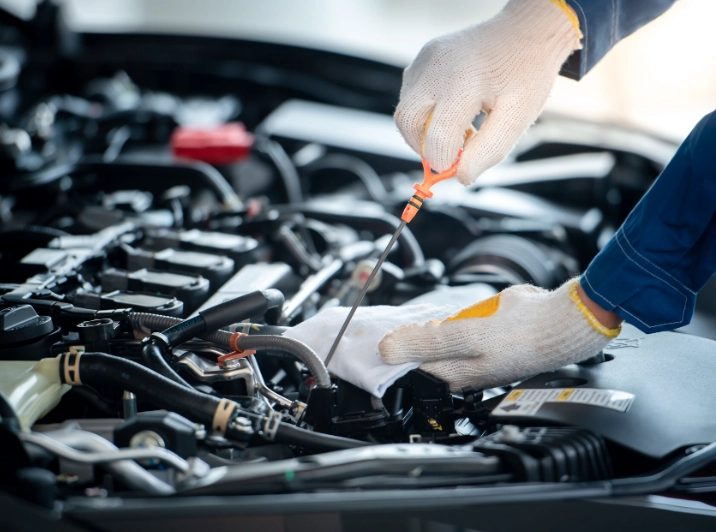
That experience taught me that finding good auto service isn't about luck. It's a skill. And like any skill, you can learn it. This guide is everything I wish I'd known back then. We're not just talking about what an oil change is. We're going deep into how the industry works, how to talk to mechanics so they respect you, and how to make sure you're never overcharged again. Consider this your owner's manual for dealing with auto service shops.
What Exactly Are You Paying For? Breaking Down Auto Service Types
You call a shop and say you need "service." That could mean a hundred different things. The first step to not getting confused (or upsold) is knowing the landscape. Not all auto service is created equal.
The Routine Stuff: Maintenance Services
This is the preventative care for your car, like going to the dentist for a cleaning. It's scheduled, it's predictable, and skipping it is asking for bigger, more expensive problems later. The big ones here are oil changes, tire rotations, brake pad inspections, and fluid flushes (coolant, transmission, brake fluid). Your car's manual has a schedule—it's not a suggestion, it's the factory's recipe for longevity. A good shop will follow this, not try to sell you a "3000-mile oil change" if your manual says 7500 miles with synthetic oil.
Think of maintenance as the cheapest insurance policy you can buy for your car.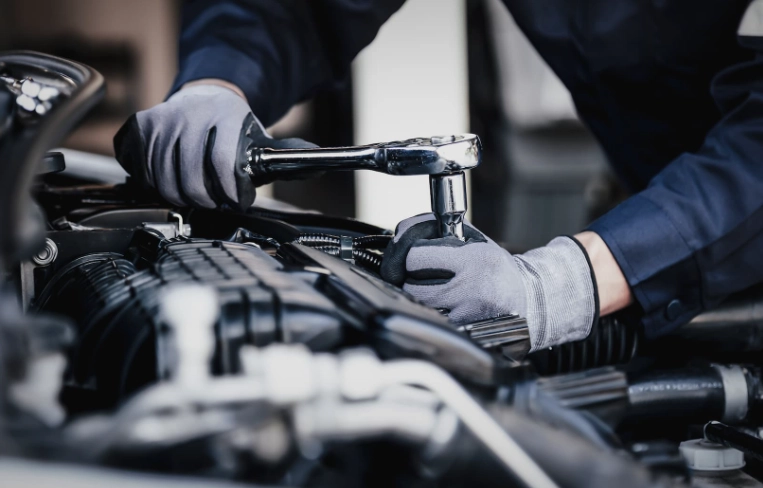
The "Uh Oh" Stuff: Repairs
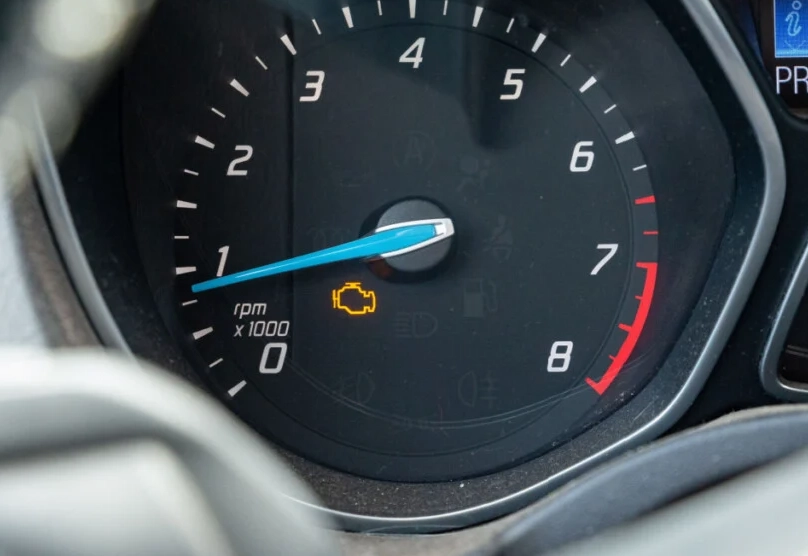
Something's broken. The check engine light is on, the AC blows hot air, or there's a clunk from the front end when you turn. This is diagnostic territory. The key here is that a reputable auto service will charge a diagnostic fee (usually 1 hour of labor) to figure out the root cause. Be wary of anyone who gives you a firm quote over the phone without seeing the car—they're guessing, and you'll pay for that guess.
The Big-Ticket Items: Major Service
This is where costs jump. Timing belt replacement, transmission rebuild, engine work. For these, specialization matters. A general auto service shop might do it, but for complex jobs, seeking out a specialist (e.g., a transmission shop) can sometimes be wiser. They see the same problems every day and might have more efficient solutions.
| Service Type | Typical Examples | What to Expect Cost-Wise | Urgency Level |
|---|---|---|---|
| Preventative Maintenance | Oil change, tire rotation, cabin air filter | $50 - $300 (predictable) | Scheduled (Low urgency) |
| Minor Repair | New brake pads, battery replacement, wheel alignment | $150 - $800 | Address Soon (Medium urgency) |
| Major Repair | Timing belt/chain, transmission issues, head gasket | $1,000 - $4,000+ | High (Safety/Reliability critical) |
| Diagnostic Service | Check engine light scan, electrical gremlins, noise diagnosis | $100 - $200 (flat fee or hourly) | Depends on symptom |
See, it helps to categorize it. When a shop says, "You need a new control arm," you can mentally slot that into "Minor/Medium repair" and have a ballpark cost expectation. It takes away some of their power to surprise you.
Your Step-by-Step Playbook for Vetting an Auto Service Shop
Okay, so you need work done. How do you pick the place? Forget just looking at star ratings. You need to dig deeper.
Before You Even Pick Up the Phone: The Homework
First, know your car. Grab the manual. What does it say about the service you think you need? A quick search for "[Your Car Make/Model Year] common problems" can be enlightening. Forums are goldmines for this. If ten people with your car say the mass airflow sensor fails at 80,000 miles, and your check engine light is on at 82,000 miles... well, you have a clue.
Now, look for shops. Search for "auto repair" or "auto service" along with your car's make. "BMW auto service specialist" will yield different (and often better) results than just "mechanic." Specialists have the specific tools and knowledge.
The Red Flags and Green Lights
Let's talk about reviews, but intelligently. Don't just look at the average. Read the 3-star reviews. They're often the most balanced. Look for patterns. Do multiple reviews mention clean waiting areas, clear explanations, and loaner cars? Green light. Do several mention surprise fees, pressure to do unnecessary work, or problems recurring soon after? Major red flag.
Certifications are huge. Look for ASE (Automotive Service Excellence) Blue Seal certification. It's not a guarantee of honesty, but it's a guarantee of tested technical competence. The ASE website has a shop locator. Also, check for affiliations with AAA or other trusted networks.
The Make-or-Break Phone Call
This is your first test. Call and say: "Hi, I have a [Year, Make, Model]. I'm experiencing [describe symptom: noise, light, feeling]. I'd like to schedule a diagnostic check. Can you tell me your diagnostic fee and what it includes?"
A good shop will give you a straight answer. A bad one will try to quote you a repair over the phone. If they pass the phone test, go visit. Is the place organized? Do the employees seem busy but not frantic? Trust your gut. If it feels sketchy, it probably is.
The right shop wants an informed customer. The wrong one wants a scared one.
Walking Into the Shop: How to Act (So They Don't Take Advantage)
You've chosen a place. Now, the interaction matters. How you communicate sets the tone.
The Drop-Off Conversation
Be clear, but don't play mechanic. Don't say, "I think it needs a new fuel pump." Say, "The car stumbles when I accelerate, and it's worse when the tank is below half full." See the difference? One is a guess (which could be wrong and lead them down the wrong path), the other is an observable fact.
Always, always get a written estimate that includes:
1. The labor charge (hourly rate and estimated hours).
2. A detailed list of parts with part numbers and prices (ask if they're OEM, aftermarket, etc.).
3. The diagnostic fee and whether it's waived if you proceed with the repair.
4. A clear statement that they will call you for approval before doing ANY work beyond the diagnostic.
Sign this. It protects both of you.
Understanding the Estimate and Getting a Second Opinion
The estimate comes back. It's $1200. Don't panic. Ask questions. "Can you explain why this part is failing?" "What happens if I delay this repair for a month?" "Are there any alternative, less expensive parts that are still reliable?"
If the number is huge or feels off, get a second opinion. There's no shame in it. Simply say, "Thank you for the diagnosis. I need to review my budget. I'll be in touch." Take your car (and the written estimate) to another shop. Tell the second shop, "Another shop diagnosed it as [problem]. Could you please verify their findings and give me your own estimate?" A good shop won't be offended by this.
After the Service: The Follow-Up That Ensures Quality
You got the work done. It's not over. How the shop handles the aftermath tells you if you've found a long-term partner.
First, inspect the invoice against the original estimate. Did the final price change? Why? A small variance (10% or so) is common if they find something else during the repair. A large one needs an explanation. They should return your old parts if you asked (and you should ask for major components).
Take the car for a test drive before you pay. Drive around the block. Does the problem feel fixed? Test the specific thing that was wrong. If something feels off, say so right then and there.
Ask about the warranty. Get it in writing. Is it a parts-only warranty, or does it include labor? Is it the shop's warranty or the parts manufacturer's? How long and what mileage? A confident auto service provider will offer a solid warranty (often 12 months/12,000 miles on repairs).
Your car's manual is its bible. The maintenance schedule inside isn't a ploy by auto service shops to make money; it's the engineer's blueprint for a long-lived vehicle. Ignoring it is the surest way to meet a mechanic under stressful (and expensive) circumstances.
Special Considerations: EVs, Luxury Cars, and Classic Autos
Not all cars are created equal, and neither is their service.
Electric Vehicles (EVs): The game changes completely. There's no oil, fewer moving parts, but high-voltage systems that require special training. Dealerships often have a monopoly here, but independent shops with EV certifications are popping up. The NHTSA website is a good resource for safety recalls, which can be different for EVs. Maintenance focuses on battery health, brake fluid (since regen braking uses the brakes less), and cabin filters.
Luxury/Performance Cars: The old saying goes, "There's nothing more expensive than a cheap German car." Special tools, proprietary software, and complex systems mean you need a specialist. An independent specialist who works only on Mercedes or Porsche can often provide the same quality as the dealer for 20-30% less. Find them through brand-specific forums.
Older/Classic Cars: This is about finding a mechanic who understands carburetors, points ignition, and doesn't mind hunting for obscure parts. It's a labor of love. The best leads come from local car clubs, not Google.
Frequently Asked Questions (The Stuff You're Secretly Searching)
Honesty reveals itself. Do they explain things in a way you can understand without talking down to you? Do they point out small, non-urgent issues and say "watch this" instead of "fix this now"? Do they sometimes tell you something doesn't need to be done? That's a huge sign of integrity. A dishonest shop creates fear and urgency. An honest one creates understanding and a plan.
It's a trade-off. Dealerships have the latest factory tools and training, especially for complex electronics and recalls. They also use OEM parts and can be very expensive. Independent shops are usually cheaper, can offer more personalized service, and often use a mix of OEM and high-quality aftermarket parts. For routine maintenance and most repairs, a top-rated independent is fantastic. For warranty work, major software updates, or brand-new model issues, the dealer might be necessary.
This varies wildly by location. In a major city, $150/hour is common. In a rural area, $90/hour might be the norm. Don't focus solely on the rate. Focus on the total estimated labor hours. A shop with a $120/hr rate that completes a job in 2 hours ($240) is cheaper than a $90/hr shop that takes 3.5 hours ($315). Experience and efficiency matter more than the posted rate.
You can ask. Many shops will say no, and for a good reason. Their profit is often in the parts markup, but more importantly, they can't warranty a part they didn't source. If it fails, you're stuck in the middle between the shop and the online parts store. Some shops will install customer-provided parts for labor only but will offer zero warranty on the work. It's risky.
Throw out the "every 3000 miles" rule. It's outdated. Your manufacturer's schedule in the manual is your answer. For most modern cars with synthetic oil, that's between 7,500 and 10,000 miles for an oil change. Services like tire rotations, brake inspections, and fluid checks usually fall at specific mileage intervals (e.g., every 15k, 30k, 60k miles). The NAPA Auto Care maintenance schedule guide offers a good general reference, but your manual is king.
In my opinion, the single best thing you can do is find one good, honest auto service shop and stick with them. Build a relationship. They'll get to know your car, its history, and you. They'll be more likely to give you a heads-up on developing issues and treat you fairly. It turns a stressful transaction into a manageable part of car ownership.
It takes some work up front, but the peace of mind is worth it. You'll drive knowing you have a trusted partner for your car's care, and that's a feeling you can't put a price on.