Let's be honest. Most articles about muscle cars are written by people who've never actually owned one long-term. They talk about horsepower, 0-60 times, and iconic status. What they skip is the gritty reality: the gas station as a second home, the heart-stopping moment a new rattle appears, the sheer panic of finding a parking spot that won't scrape the front bumper.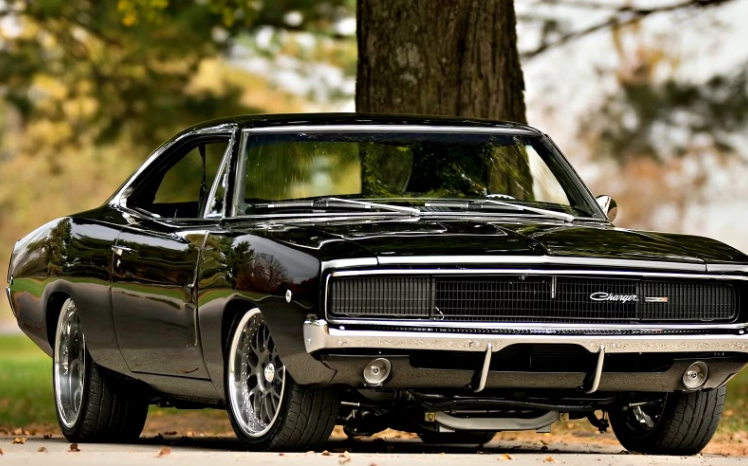
I've owned a '69 Camaro for twelve years and daily drove a modern Mustang GT for three. This isn't a romantic ode to American power. It's a field manual. If you're thinking about buying a muscle car—classic or modern—you need to know what you're really signing up for, beyond the brochure.
What's Inside?
What Actually Makes a Car a "Muscle Car"?
Forget the vague "big engine, two doors" definition. That describes a lot of cars. The true muscle car formula from the 1960s golden era was specific and born from marketing genius: take a mid-size, affordable, family sedan platform, and stuff the largest engine the factory offered into it. The Pontiac GTO is the textbook example—they put a 389 cubic inch V8 into the humble Tempest. It was crude, disruptive, and wildly popular.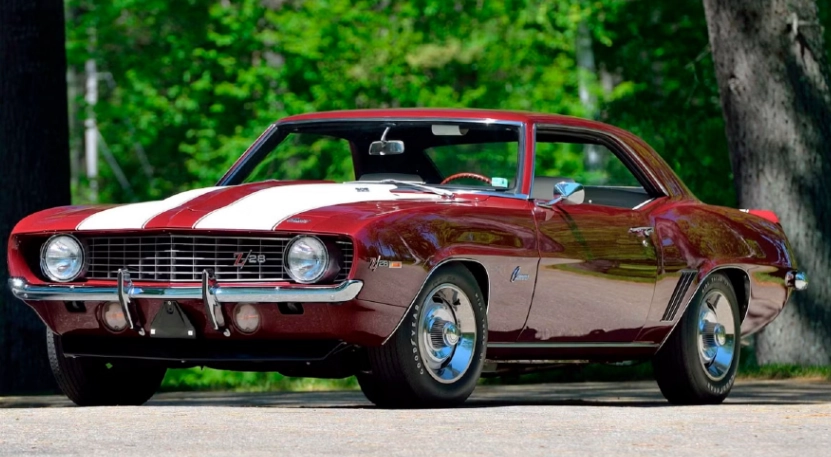
This is why a Corvette or a European sports car isn't a muscle car. They're built from the ground up as performance machines. The muscle car's charm (and its flaws) come from that inherent conflict: a regular car chassis wrestling with twice the power it was designed for.
Today, the lines are blurred. Modern "muscle cars" like the Ford Mustang, Chevrolet Camaro, and Dodge Challenger are now dedicated platforms. But they carry the spirit forward: relatively affordable, V8-powered, rear-wheel-drive coupes with a direct lineage to those 60s icons. The philosophy is the same—accessible performance with a heavy dose of attitude.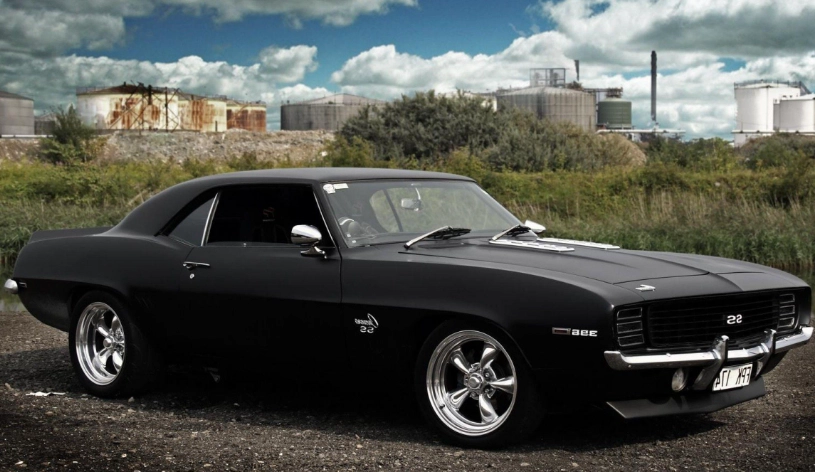
How to Buy a Muscle Car Without Losing Your Shirt
This is where dreams meet reality, and reality often wins. Whether you're looking at a classic or a modern used model, the biggest mistake is falling in love with the idea before inspecting the metal.
The Classic Car Minefield
Buying a classic is less like buying a car and more like adopting a high-maintenance pet with a rust problem. Here’s what nobody tells you at the car show:
Rust is the #1 Deal-Breaker. A shiny $20,000 paint job can hide a frame that's more bondo than steel. You must get the car on a lift. Check the frame rails, floor pans, trunk pan, and lower quarter panels. Surface rust on the trunk lid is a weekend project. Structural rust in the frame is a financial black hole.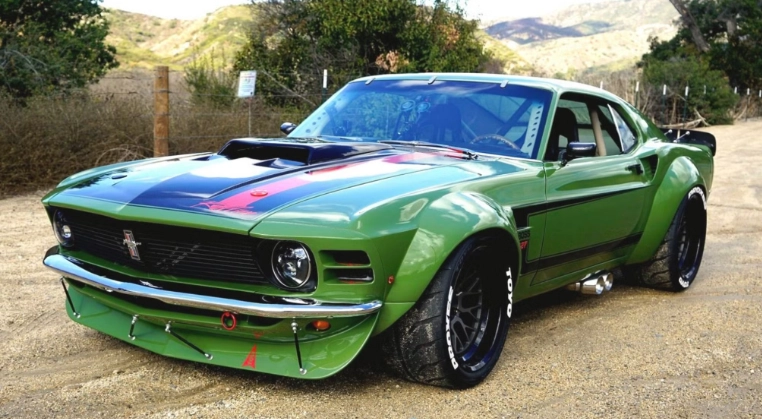
"Matching Numbers" Matters (To Your Wallet). A "numbers-matching" car has its original engine, transmission, and sometimes rear end. This can double or triple the car's value compared to a similar car with a replacement engine. Know what you're looking at. A non-numbers car can be a fantastic, cheaper driver, but don't pay a numbers-matching price for it.
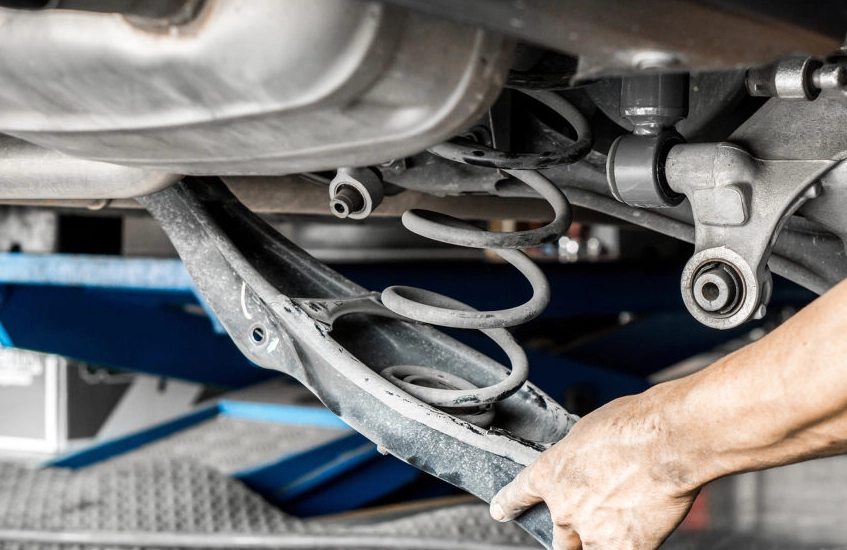
Assume Every System Needs Work. The brakes will be wooden. The suspension will be tired. The wiring will be a 50-year-old fire hazard. Budget for a full baseline: fluids, hoses, belts, brakes, and a serious look at the fuel and electrical systems. I bought my Camaro "running and driving." The first year, I spent $4,000 just making it safe and reliable enough for a 50-mile trip.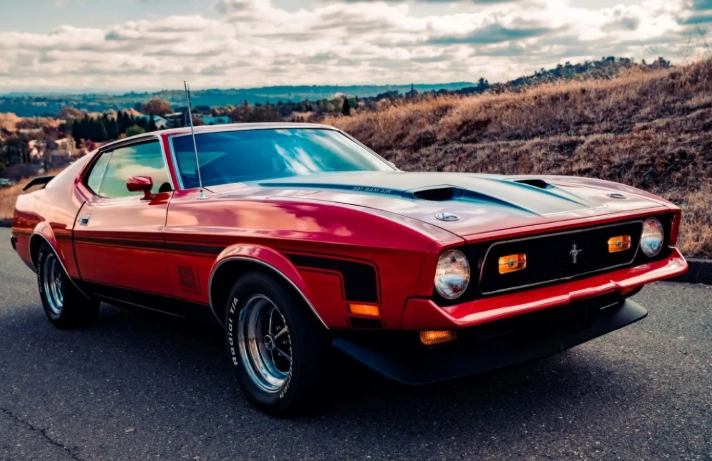
The Modern Used Market: A Smarter Gateway?
For most people entering the hobby, a used modern muscle car (think a 2015+ model) is the far more sensible choice. Here’s the breakdown:
| Consideration | Classic (e.g., 70 Camaro) | Modern Used (e.g., 2018 Mustang GT) |
|---|---|---|
| Initial Purchase ($30k Budget) | Project car needing work, or a driver-quality non-numbers car. | A clean, low-mileage example with modern amenities. |
| Immediate Costs | High. Likely needs tires, brakes, safety inspection, and baseline maintenance. | Low. Change oil, detail it, and you're likely good to go. |
| Daily Usability | Poor. No airbags, weak A/C, poor fuel economy, constant attention. | Excellent. Airbags, Bluetooth, strong A/C, ~20 MPG highway. |
| Safety | Virtually none. Crumple zones? What crumple zones? | Modern crash structures, stability control, multiple airbags. |
| The Experience | Raw, mechanical, immersive. You feel every part of the car. | Polished, powerful, comfortable. The speed is easier to access. |
The choice boils down to this: do you want a hobby or a car? The classic is the hobby. The modern car is the car that still delivers the thrill.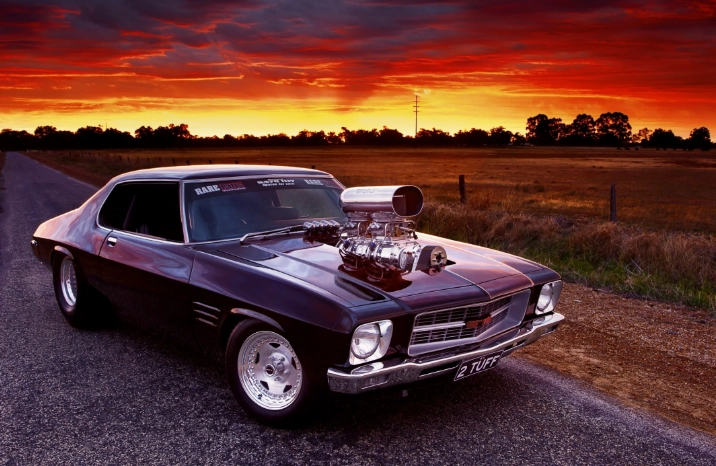
The Real Cost of Owning & Maintaining a Muscle Car
Everyone jokes about gas. That's just the entry fee. The real budget is hidden in the details.
Fuel: Obvious, but let's be specific. My modern Mustang GT got about 19 mpg in mixed driving if I was gentle. My classic Camaro, with a tuned carburetor, gets about 13 mpg on a good day. Premium fuel only for both. You visit the pump often, and it adds up.
Tires & Brakes: This is the silent budget killer. Performance tires for a modern muscle car can cost $1,200-$1,800 a set and last 15,000-20,000 miles if you're lucky. The big brake kits they come with mean brake pad and rotor replacements are 2-3x the cost of a normal sedan's.
Insurance: It varies wildly. For a classic, you can get an "agreed value" policy from a specialist like Hagerty for a few hundred dollars a year, but they strictly limit mileage. Insuring a modern V8 muscle car as a daily driver for a younger person? That can easily be $2,000+ annually.
The Inconvenience Tax: This is the real cost most guides miss. The low-profile tires fear potholes. The long hood and low front end turn driveways into obstacle courses. You'll memorize the location of every speed bump in town. You become a parking spot connoisseur, always choosing the far end of the lot. The car demands mental energy.
What It's Actually Like to Drive One (Every Day)
The first five minutes are exactly like the YouTube videos: the rumble, the surge of torque, the stupid grin. It's hour five of a road trip, or a Tuesday commute in the rain, that tells the true story.
The Classic: It's an event. You don't just "go to the store." You announce your departure with a cold-start rumble that wakes the neighbors. The steering is vague and heavy. The brakes require planning. There's no sound insulation, so you hear every pebble hit the underside. The cabin fills with the smell of old gasoline and warm engine. It's hot in summer, drafty in winter. It's exhausting, immersive, and utterly compelling. You're not just driving; you're operating a piece of machinery. It's terrible. I love it.
The Modern Muscle Car: This is the cheat code. You have 450 horsepower, but you also have heated seats, adaptive cruise control, and a backup camera. The magnetic ride control soaks up bumps. You can blast down an on-ramp with terrifying ease, then settle into a quiet, comfortable highway cruise. The danger is how easy it makes speed. The performance is so accessible, so refined, that you can get yourself into trouble without even realizing it. It's a supremely capable grand tourer that can still shake its tail when asked.
The common thread? Both demand your attention. You're never just a passive passenger. That's the point, really.
Your Muscle Car Questions, Answered
What is the most common expensive problem when buying a used classic muscle car?
Rust. It's almost always rust, specifically in structural areas like frame rails, floor pans, and quarter panels. A shiny paint job can hide a world of sin. A $5,000 car with a perfect interior but a rotted-out frame will cost you $15,000 to fix properly. Always, always get the car on a lift or use a good flashlight and mirror to check the underside before you buy. Cosmetic rust is one thing; structural rust is a deal-breaker.
Are modern muscle cars like the Dodge Challenger reliable for daily driving?
Yes, but with a significant asterisk. Modern muscle cars from the last decade are built with far better engineering, materials, and electronics than their 1960s ancestors. A V8 Challenger or Mustang can be a reliable daily driver. However, 'reliable' in this context means it won't leave you stranded; it doesn't mean it's cheap. Expect tire, brake, and fuel costs that are 2-3 times higher than a typical sedan. The complexity of modern performance electronics also means repairs are specialist work. It's reliable, but the cost of that reliability is high.
I have a $30,000 budget. Should I buy a project classic or a used modern muscle car?
For 99% of people, the used modern muscle car is the smarter choice. A $30k project car (like a '70s Camaro needing work) will quickly become a $50k money pit before it's even drivable, demanding thousands of hours of your time. For the same $30k, you can get a well-cared-for 2015+ Mustang GT or Camaro SS with air conditioning, Bluetooth, modern safety features, and warranty potential. You drive it home that day. The classic is for the dedicated hobbyist with a separate garage and budget; the modern car is for the enthusiast who wants to actually drive.
What's the one thing most guides don't tell you about muscle car ownership?
The sheer inconvenience. Everyone talks about gas and insurance, but forgets the practical stuff. Low-profile tires fear potholes. The long hood makes parking a tense game. Ground clearance means you'll angle painfully over every driveway. You'll plan routes to avoid speed bumps. You become hyper-aware of every squeak and rattle. It's not just a car; it's a lifestyle of minor, constant adjustments. The joy is real, but so is the hassle. If you need a single, do-everything vehicle, a muscle car might test your patience.
So, should you buy one? If you've read this far and the list of hassles and costs didn't scare you off, but instead made you nod along thinking "yeah, but that V8 sound..."—then you're probably one of us. Just go in with your eyes open. Budget double what you think. And for heaven's sake, check for rust.
Start with a test drive in a used modern V8. Feel that torque. Then, visit a local cars and coffee. Talk to owners. Get your hands dirty. The muscle car world isn't about perfection; it's about character, passion, and the visceral thrill of simple, stupid power. And there's still nothing quite like it.