Quick Guide Navigation
- Breaking It Down: The Core Idea Behind Emissions Testing
- Why Do We Even Have These Tests? (The “Why” Behind the Hoop)
- The Different Flavors of Emissions Tests
- What Exactly Are They Looking For? The “Bad Stuff” in Your Exhaust
- The Step-by-Step: What Actually Happens During the Test?
- Top Reasons Cars Fail Emissions Tests (And How to Avoid Them)
- How to Prepare Your Car for an Emissions Test (The Pre-Checklist)
- You Failed. Now What? The Repair & Retest Process
- Special Cases and Frequently Asked Questions
- The Future of Emissions Testing
So your registration renewal notice shows up, and there it is in bold letters: “Emissions Test Required.” If you’ve never had to do one before, or if your last experience was a confusing blur of jargon, you’re probably wondering, what are emissions tests on a car, really? It’s not just a bureaucratic hoop to jump through or a way for the state to collect a fee. Well, mostly it’s not.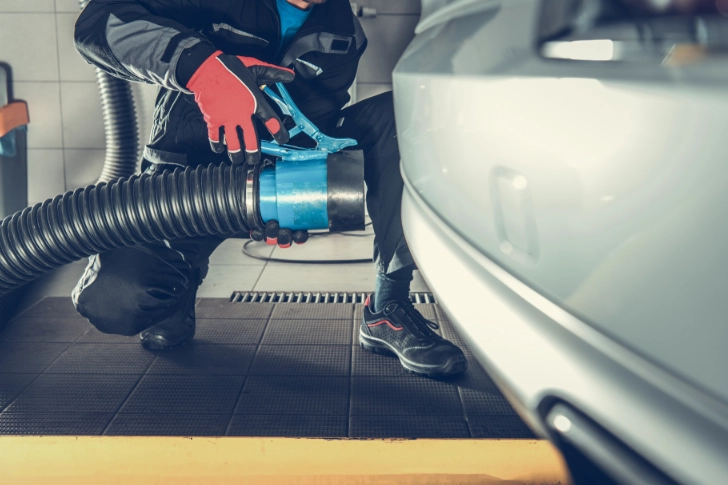
I remember the first time I took my old beater for a test. I was sweating bullets, convinced it would fail because it idled a little rough. The mechanic hooked it up to a machine, revved the engine a few times, and printed out a sheet full of numbers I didn’t understand. He just said “you passed” and sent me on my way. I left with my sticker, but no wiser about what actually happened.
That’s what this guide is for. We’re going to strip away the mystery. We’ll talk about what these tests are, why we bother with them (and yeah, there are good reasons), the different ways they can be done, and crucially, what you can do to make sure your car passes without a headache. This isn’t a technical manual for engineers; it’s a practical owner’s manual for you.
Breaking It Down: The Core Idea Behind Emissions Testing
At its heart, an emissions test on a car is a check-up for your car’s exhaust. When your engine burns fuel, it doesn’t do it perfectly. The result is a mix of gases and particles that get pushed out the tailpipe. Some of these are harmless, but others are pollutants that contribute to big problems like smog and health issues.
Think of it like a health screening, but for your car’s breath.
The test measures the levels of specific pollutants in that exhaust to see if they’re within legal limits. If they are, great—your car is running relatively cleanly. If they’re not, it’s a sign that something in your engine or emissions control system isn’t working right. It’s not just about the environment (though that’s a huge part); a car failing an emissions test is often a car that’s wasting fuel, losing power, or on the verge of a more expensive repair.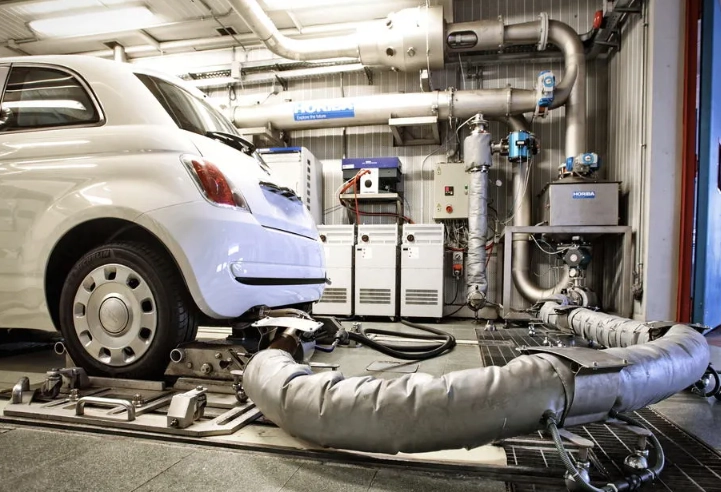
Why should you care? Well, besides the legal requirement to get your registration, a clean-running car is usually a more efficient and reliable car. Understanding what are emissions tests on a car looking for can save you money in the long run by pointing out small issues before they become big ones.
Why Do We Even Have These Tests? (The “Why” Behind the Hoop)
Let’s be honest, getting a test can feel like an inconvenience. So why do states and counties mandate them? It’s not arbitrary. The main driver is the Clean Air Act. This federal law tasked the Environmental Protection Agency (EPA) with setting national air quality standards. Because vehicles are a major source of pollution, the EPA sets tailpipe emission standards for new cars. But what about the millions of cars already on the road?
That’s where state-level Inspection and Maintenance (I/M) programs come in. Areas with persistent air quality problems are required to have programs to identify and ensure the repair of high-polluting vehicles. You can read about the EPA’s role and the framework for these programs on their official State and Local Transportation page. It’s dry reading, but it’s the source.
The goal is simple: find the cars that are polluting way more than they were designed to and get them fixed. It’s a public health measure.
Smog—that brownish haze you see over cities—is directly linked to car exhaust. It aggravates asthma, bronchitis, and heart disease. By catching a malfunctioning car before it pumps out pollution for another year, these programs help keep the air breathable for everyone. It’s community-level maintenance.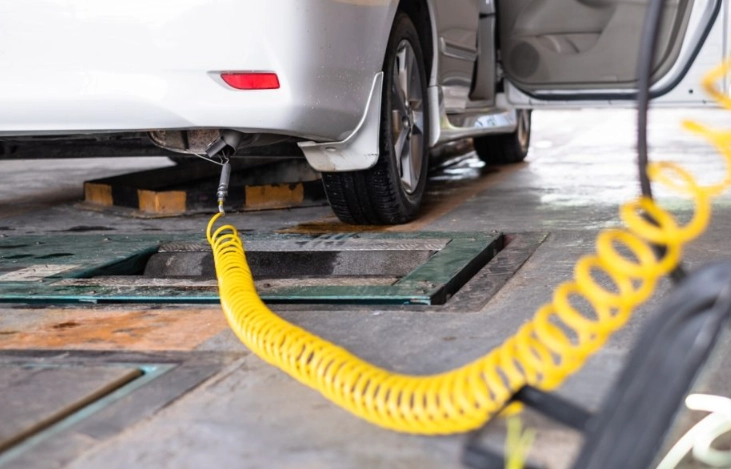
The Different Flavors of Emissions Tests
Not all emissions tests are created equal. The type your car gets depends on its age, where you live, and the testing infrastructure in place. Knowing which one you’re in for takes some of the surprise out of the process. Here’s a breakdown of the main types you’ll encounter.
1. The Tailpipe Test (The Classic Sniff Test)
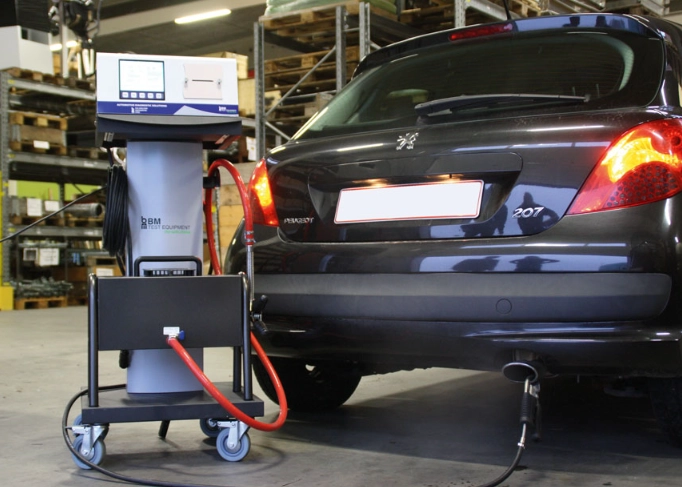
This is the image most people have. The car is parked, a probe is stuck up the tailpipe, and the engine is run at different speeds (often on a dynamometer, which is like a treadmill for cars) to simulate driving conditions. The probe “sniffs” the exhaust and analyzes it for pollutants.
- What it measures: Hydrocarbons (HC – unburned fuel), Carbon Monoxide (CO), Carbon Dioxide (CO2), and Oxides of Nitrogen (NOx).
- Good for: Older cars (typically pre-1996) that don’t have the advanced computer systems for the OBD-II test. It measures the actual exhaust coming out.
- The downside: It can be more time-consuming and requires more equipment.
2. The OBD-II Test (The Computer Chat)
For most modern cars (1996 and newer), this is the standard. Every car since 1996 has an On-Board Diagnostics II (OBD-II) port—usually under the dashboard near the steering wheel. The inspector plugs a scanner into this port, which talks directly to your car’s engine computer (ECU).
It’s like asking your car’s brain for a self-diagnosis report.
The computer monitors the emissions control systems in real-time as you drive. The test checks for “readiness monitors” (to ensure the computer has run its self-checks) and looks for any stored diagnostic trouble codes (DTCs) related to emissions. No probe, no treadmill. If the computer says all its systems are “ready” and it has no codes, you pass. This is why understanding what are emissions tests on a car looking for today is often about understanding your check engine light.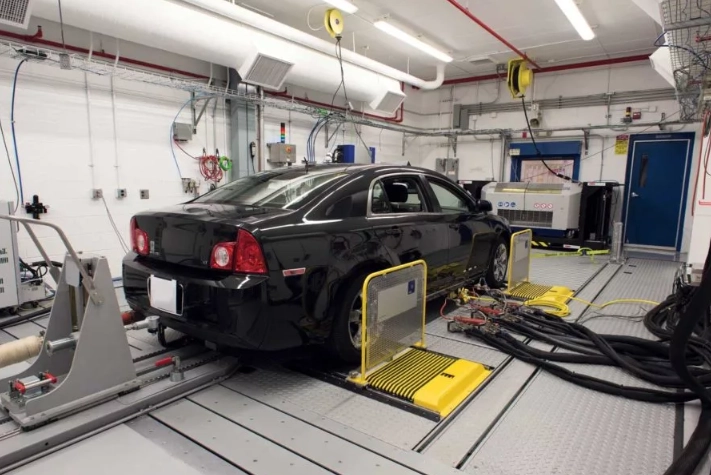
3. The Visual and Functional Inspection
This often accompanies the other tests. The inspector will pop the hood and do a visual check for the presence of required emissions control equipment (like the catalytic converter, gas cap, and PCV valve). They’ll also make sure nothing is obviously tampered with or disconnected. A missing catalytic converter is an instant fail, for obvious reasons.
4. The Smoke Opacity Test (For Diesel Vehicles)
Diesels are tested differently. Instead of measuring specific gases, this test measures how much light is blocked by the particulates (soot) in the diesel exhaust—its opacity. A probe is placed in the tailpipe, and the engine is revved under load. The goal is to ensure the diesel particulate filter (DPF) and other systems are working to control that characteristic black smoke.
Here’s a quick table to compare the two most common tests:
| Test Type | How It Works | Best For | Key Thing It Checks |
|---|---|---|---|
| Tailpipe (Sniffer) Test | Physical probe in tailpipe measures exhaust gases during simulated driving. | Older vehicles (typically pre-1996 model year). | Actual concentration of HC, CO, and NOx in the exhaust. |
| OBD-II Test | Scanner plugged into the car’s computer port reads system status and fault codes. | Modern vehicles (1996 model year and newer). | Status of the car’s own emissions system monitors and absence of related trouble codes. |
What Exactly Are They Looking For? The “Bad Stuff” in Your Exhaust
When we ask “what are emissions tests on a car measuring?”, we’re talking about a few key villains. Each one has a different source and effect.
- Hydrocarbons (HC): Basically raw, unburned gasoline. It comes from fuel that sneaks through the combustion chamber without burning. A major contributor to smog. High HC often points to ignition problems (bad plugs, wires, coil) or rich air/fuel mixture.
- Carbon Monoxide (CO): A poisonous, odorless gas produced from incomplete combustion. Too much oxygen prevents it, too little creates it. High CO usually means the engine is running “rich” (too much fuel, not enough air)—clogged air filter, faulty oxygen sensor, or fuel system issues.
- Oxides of Nitrogen (NOx): Formed when nitrogen and oxygen in the air combine under the high heat and pressure of combustion. A key ingredient in smog and acid rain. High NOx can be caused by excessive engine temperatures, a malfunctioning EGR (Exhaust Gas Recirculation) valve, or timing problems.
Modern tests, especially OBD-II, are indirectly checking for these by ensuring the systems designed to control them—the catalytic converter, oxygen sensors, EGR valve, etc.—are all functioning as the engineers intended.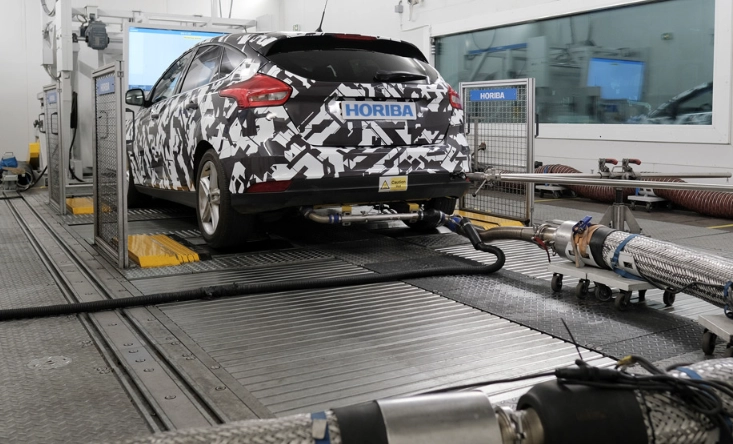
The Step-by-Step: What Actually Happens During the Test?
Knowing the process can make it less intimidating. Here’s a typical flow for a modern OBD-II test, which is what most people will experience.
- Check-In & Paperwork: You present your registration or notice. They verify the VIN matches the car.
- Visual Inspection: The technician might quickly check under the hood for the presence of components and a quick look for any major fluid leaks.
- The Plug-In: They locate your OBD-II port (under the dash, driver’s side) and connect their certified scanner.
- The Computer Handshake: The scanner communicates with your car’s ECU. It checks two critical things:
- Diagnostic Trouble Codes (DTCs): Are there any stored codes related to emissions? If “yes,” it’s an automatic fail.
- Readiness Monitors: Has your car’s computer completed its self-tests for all major emissions systems? Most states allow 1 or 2 “not ready” monitors, but more than that is a fail. This is why clearing your check engine light right before the test can backfire—it resets the monitors to “not ready.”
- The Result: The testing machine prints a report. Pass or Fail. If you pass, you get a certificate to take to the DMV or your registration is cleared electronically. If you fail, you get a report detailing why.
Top Reasons Cars Fail Emissions Tests (And How to Avoid Them)
Failures are frustrating, but they’re almost always a symptom of a real issue. Here are the most common culprits, based on what mechanics see every day.
- A Lit Check Engine Light: This is the number one reason for failure in the OBD-II era. The light is your car saying, “I’ve detected a problem that could affect emissions.” Ignoring it guarantees a fail.
- A Faulty or “Not Ready” Oxygen Sensor: These sensors are the eyes and ears for the engine computer, telling it how much oxygen is in the exhaust so it can adjust the fuel mixture. A bad one can make the car run inefficiently and pollute more.
- A Worn-Out or Failed Catalytic Converter: The “cat” is the final filter in your exhaust, converting harmful gases into less harmful ones. When it goes bad, pollution spikes. It’s also expensive, which is why some people try to remove them (a sure-fire way to fail the visual inspection).
- Ignition System Problems: Worn spark plugs, bad ignition coils, or cracked wires cause misfires. Unburned fuel (HC) dumps directly into the exhaust, failing the test.
- A Rich Air/Fuel Mixture: Too much fuel in the mix creates high HC and CO. Causes include a dirty mass airflow sensor, a leaking fuel injector, or a faulty fuel pressure regulator.
- A Malfunctioning EGR Valve: If the Exhaust Gas Recirculation valve is stuck closed, NOx emissions will be too high. If it’s stuck open, the car might run rough.
- Evaporative System Leaks: This system captures fuel vapors from the gas tank. A loose, cracked, or missing gas cap is the most common leak. Others include cracked hoses or a faulty purge valve.
How to Prepare Your Car for an Emissions Test (The Pre-Checklist)
A little preparation goes a long way. Don’t just roll in cold. Here’s what you can do to maximize your chances.
- Drive It Hard (Seriously): Before the test, take your car for a good 20-30 minute drive on the highway. This gets the engine and catalytic converter up to optimal operating temperature and allows the computer to complete its “readiness monitors.” A cold car is more likely to fail.
- Address the Check Engine Light: If it’s on, get the code read (most auto parts stores do it for free) and fix the issue. Don’t just clear the code and go—the monitors will reset to “not ready.”
- Perform Basic Maintenance: If it’s about time for an oil change, new air filter, or new spark plugs, do it. A well-maintained engine runs cleaner.
- Check the Gas Cap: Make sure it’s on tight and the seal isn’t cracked. A cheap fix that can cause a costly failure.
- Fill Your Tank: Some tests include a pressure check of the fuel system, which is easier with a fuller tank.
- Find a Reputable Test Station: Look for state-licensed or certified stations with good reviews. Some dealerships and dedicated test-only facilities do nothing but tests, which can be more straightforward.
You Failed. Now What? The Repair & Retest Process
Failing feels bad, but it’s a process with a clear path forward. Your failure report is your roadmap.
First, don’t panic. The report will tell you exactly why you failed (e.g., “HC reading too high,” “O2 Sensor Heater Circuit Code P0135,” “Evaporative System Monitor Not Ready”). Take this report to a trusted mechanic. It’s their starting point for diagnosis.
In many areas with mandatory testing, there are also “Waiver” or “Cost Limit” programs. If you spend a certain minimum amount (say, $450 or $750) on qualifying emissions-related repairs at a licensed shop and the car still fails, you may be eligible for a waiver that allows you to register your car for a year or two anyway. This acknowledges that some repairs, especially on older cars, may not bring it fully into compliance. Check your local DMV or air quality board website for the specific rules. For example, California’s program is detailed by the California Air Resources Board (CARB).
After repairs are made, you’ll need a retest. Some states offer a free or discounted retest within a certain period (like 30 days). Keep all your repair receipts, as you may need to show them.
Special Cases and Frequently Asked Questions
The Future of Emissions Testing
It’s changing. As cars get smarter and cleaner, the methods evolve.
Remote Sensing: Some places are experimenting with devices placed on roadsides or held by officers that can instantly read the emissions of a car as it drives by. High-polluting vehicles can be identified and mailed a repair order. It’s efficient but raises privacy questions for some.
OBD-II Telematics: With the rise of connected car services, could your car simply transmit its OBD-II health data directly to the state annually? It’s technically possible and would eliminate the need for a physical test station visit for many.
The core idea behind understanding what are emissions tests on a car will remain: ensuring vehicles on the road meet the standards they were designed for. The method of checking might just get a bit more invisible.
So, the next time that notice comes, you won’t have that sinking feeling of the unknown. You’ll know it’s a routine check on your car’s respiratory health. A little preparation, some basic maintenance, and you’re not just passing a test—you’re ensuring your car runs better, cleaner, and maybe even cheaper for miles to come. And that’s something worth knowing.