Quick Guide
Let's be real for a second. Every single review, every YouTube video, every tech blog screams about how dash cams are essential. They're your silent witness, your guardian angel on the road, the ultimate "he said, she said" solver. It's all upside, right?
Wrong.
I bought my first dash cam years ago, riding that same wave of enthusiasm. I was sold on the safety, the security, the peace of mind. And don't get me wrong, it has been useful. But after living with it, dealing with its quirks, and talking to other owners, a different picture emerged. A picture filled with annoyances, legal gray areas, and genuine headaches that the marketing glosses right over.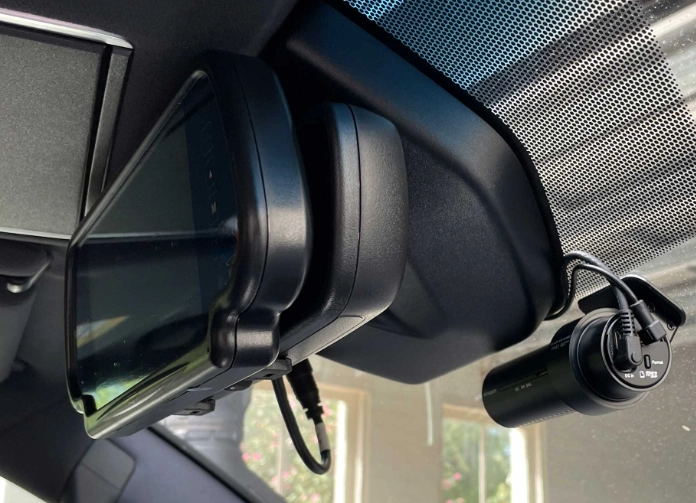
So, before you click "add to cart," let's pull back the curtain. What is the downside of a dashcam? It's not just one thing. It's a collection of practical, legal, and ethical trade-offs that you absolutely need to weigh. This isn't about scaring you off; it's about making you an informed buyer. Because the last thing you want is a piece of tech that creates more problems than it solves.
The Seven Major Downsides of Dash Cams You Can't Ignore
When you ask, "What is the downside of a dashcam?" most people might think of one or two things. Maybe the cost, or the installation hassle. But the reality is much broader. These drawbacks touch on your privacy, your wallet, your time, and even your legal standing. Let's break them down, starting with the one that makes most people the most uncomfortable.
Privacy Concerns: You're Always Recording
This is the big one. The elephant in the car. Your dash cam is an always-on recording device pointed at the world. Think about what that means.
It's recording your conversations. Every chat with your spouse, every phone call on speaker, every time you sing horribly off-key to the radio. If your cam has an interior-facing camera (common in rideshare or Uber driver setups), it's capturing you and your passengers. Where does that data go? Who owns it? If you're in an accident and the footage is subpoenaed, that private chatter becomes a matter of public record. Makes you think twice about what you say, doesn't it?
It's recording everyone else, too. It captures license plates, faces of pedestrians, other drivers, people on the sidewalk. In many places, there are strict laws about recording audio without consent. Some states in the US are "two-party consent" states, meaning you legally need permission from everyone being recorded. A dash cam with a microphone might inadvertently put you in a legal bind. The Electronic Frontier Foundation (EFF) has extensive resources on the nuances of surveillance and privacy law that are worth a look.
And then there's data storage. That footage has to live somewhere. Is it on an SD card in your glove box? Is it automatically uploaded to a cloud service? Cloud storage brings another host of questions about corporate data security and hacking risks. It's not just your car's view; it's a log of your daily life's movements.
Legal and Evidentiary Gray Areas
Here's the paradox. You get a dash cam for legal protection, but it can sometimes complicate your legal situation. The footage isn't an automatic "get out of jail free" card.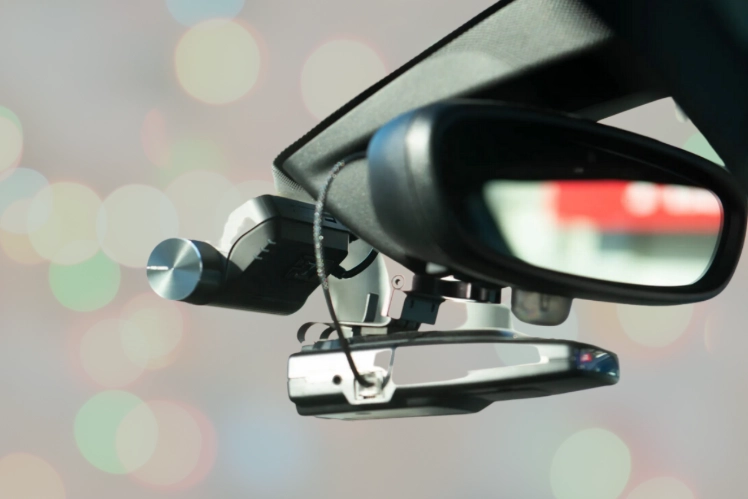
Footage can be used against you. Yes, you heard that right. That crystal-clear 4K video might perfectly capture you rolling through a stop sign three blocks before the accident. Or it might show you were slightly over the speed limit. In the hands of the other driver's insurance company or a lawyer, your own evidence can become a weapon to establish comparative negligence. The camera doesn't lie, and it won't only tell the parts of the story that help you.
Admissibility in court or with insurance isn't guaranteed. While dash cam footage is widely accepted, there can be hurdles. You need to prove the footage is authentic, unaltered, and a true representation of events. This might involve maintaining a clear "chain of custody" for the SD card, which is more hassle than people anticipate. Different jurisdictions and insurance companies have their own policies.
Furthermore, in some rare cases, having a dash cam could be construed as an admission that you expect trouble, which a sly attorney might try to use. It's a stretch, but it's part of the legal maze. Understanding local regulations is key. For example, laws regarding windshield obstructions vary; placing your cam in the wrong spot could actually get you a ticket. Checking your local Department of Motor Vehicles (DMV) or transportation authority website for rules on windshield obstructions is a smart move.
Technical Limitations and Reliability Issues
We assume tech just works. Dash cams remind us that's not always true. Their job is to capture critical moments in extreme conditions, and that's where they often falter.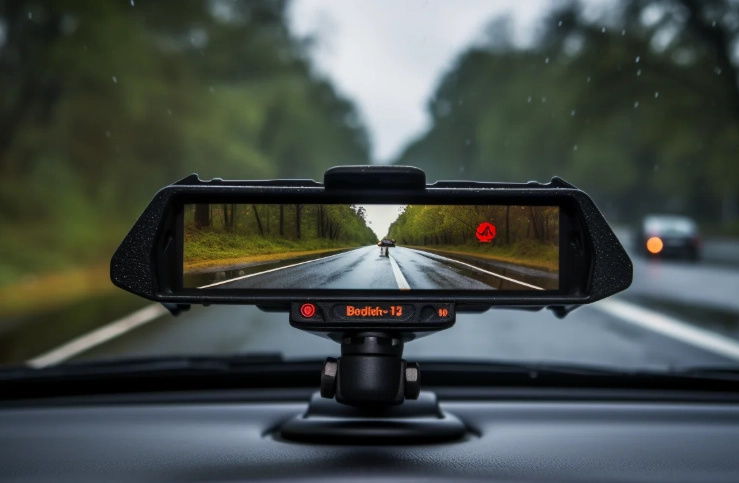
Let's talk about the most critical failure: parking mode. Many cams offer a feature that records bumps or motion while your car is off. It sounds perfect for catching hit-and-runs. But this mode is notoriously power-hungry. If not wired correctly with a low-voltage cutoff, it can drain your car battery dead overnight. Imagine coming back from a week's vacation to a car that won't start. There goes your peace of mind.
Then there's the storage headache. Dash cams use loop recording, overwriting old footage. But what if the crucial moment gets overwritten before you save it? You have to be vigilant. You need a high-endurance SD card, not a cheap one, or it will fail from the constant read/write cycles. And managing that storage, periodically formatting the card, checking it still works… it's a chore.
Extreme weather is another enemy. In scorching summer heat, the interior of a parked car can become an oven. This can cause the dash cam to overheat and shut down, or worse, permanently damage its battery or circuitry. Conversely, in freezing cold, batteries perform poorly, and screens can become sluggish or unresponsive.
And what about the actual video quality? Night footage is often a grainy, blurry mess where license plates are unreadable. Wide-angle lenses create a fish-eye effect that can distort distances. The advertised "4K" might look great on a sunny day on an empty highway, but in the rain at night during a complex intersection collision, the details can vanish.
| Technical Issue | Common Consequence | Potential Fix (If Any) |
|---|---|---|
| Battery Drain (Parking Mode) | Dead car battery, unable to start vehicle. | Hardwiring kit with voltage cutoff. Adds cost/complexity. |
| SD Card Failure | Lost critical footage, cam stops recording. | Buying premium "High Endurance" cards, regular formatting. |
| Overheating | Automatic shutdown, missed events, reduced lifespan. | Choosing a capacitor model (not battery), parking in shade. |
| Poor Night Vision | Unreadable plates, loss of crucial details. | Spending significantly more on a premium model with better sensors. |
| Wide-Angle Distortion | Misleading perception of speed and distance on video. | Understanding the limitation; it's inherent to most wide lenses. |
Installation Hassle and Aesthetic Clutter
This seems minor until you're doing it. Running a power cable neatly from the 12V socket (cigarette lighter) to your windshield, usually down the A-pillar and under the dashboard, is a fiddly job. You want it hidden, but you don't want to trigger an airbag or damage trim clips. For a clean, permanent setup, you're looking at hardwiring to the fuse box, which often means a professional installation and more money.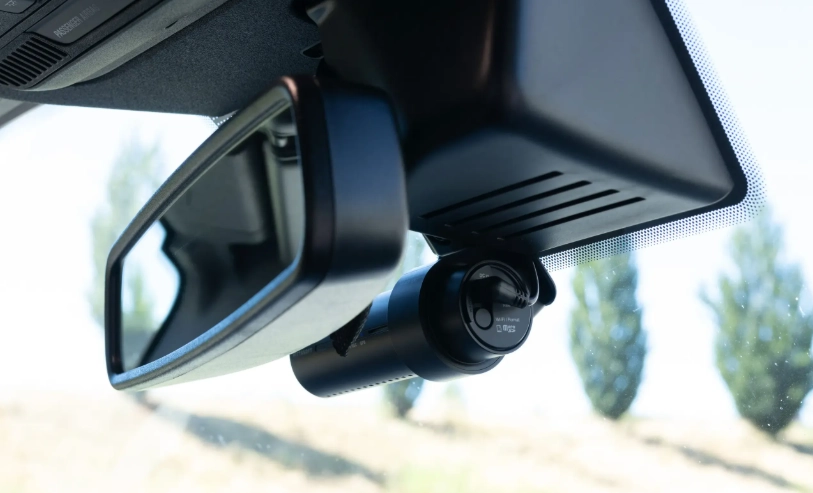
Then there's the view. You now have a plastic gadget suction-cupped or stuck to your windshield, a wire dangling or tucked, and possibly an LED light blinking in your peripheral vision. For people who like a clean, minimalist interior, it's visual pollution. It can also create a slight blind spot, depending on placement.
The Psychological Effect: Driving Under Surveillance
This is a subtle but real downside of a dashcam. Knowing you're being recorded can change your driving behavior. For some, it promotes safer driving—you're on your best behavior. But for others, it can create a low-grade anxiety or a false sense of security. "I have a camera, so I'm protected" might lead to riskier behavior, relying on the tech to bail you out.
It can also foster a more adversarial mindset. Instead of just driving, you might start looking for "bad drivers" to capture for a YouTube compilation. It shifts the focus from shared road use to a game of catching others' mistakes. Not the healthiest mindset for stress-free travel.
Cost: The Real Price Tag is More Than the Box
The sticker price is just the beginning. To answer "what is the downside of a dashcam?" you have to look at the total cost of ownership.
- The Cam Itself: A decent, reliable model isn't $50. You're looking at $100-$300 for something that won't fail in a year.
- High-Endurance MicroSD Card: A proper 128GB card designed for constant writing can cost $30-$50.
- Hardwiring Kit: For parking mode without battery drain, add $20-$40.
- Professional Installation: If you're not DIY-savvy, this can run $50-$150.
- Cloud Subscription: Some brands push monthly fees for cloud storage and features, adding a recurring cost.
- Maintenance/Replacement: SD cards wear out, batteries degrade, new models with better features come out.
Suddenly, that "$99 dash cam" is a $250+ investment. You need to decide if the potential benefit is worth that real cost.
False Sense of Security and Over-Reliance
The final downside is perhaps the most insidious. A dash cam is a passive recording device. It does not prevent accidents. It does not alert you to dangers. It does not brake for you.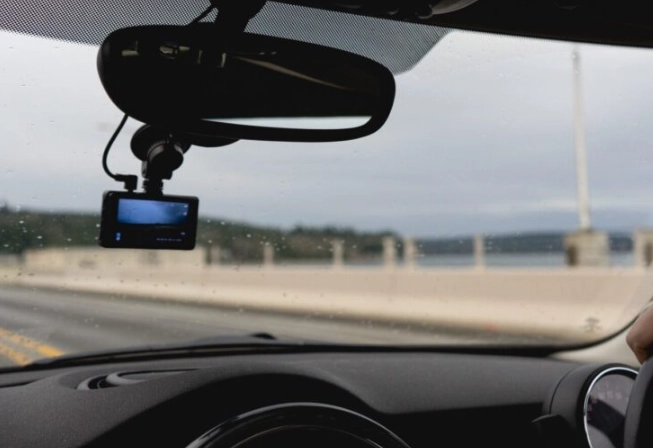
Relying on it can make you less attentive. You might think, "It doesn't matter if I don't get the plate number, my cam will." But in a split-second incident, human observation is still crucial. The cam is a backup, a witness, not a proactive safety system like automatic emergency braking or blind-spot monitoring.
It can also create conflict. In a minor incident, the immediate instinct might become "I have you on camera!" rather than checking if everyone is okay. It can escalate tensions right from the start.
Who Might Want to Think Twice?
Given these downsides, a dash cam isn't for everyone. You might want to pause if:
- You are deeply concerned about privacy, both yours and others'.
- You drive an older car with a sensitive electrical system and fear battery drain.
- You live in an area with extreme temperatures that could fry or freeze electronics.
- You hate clutter and cannot stand the thought of wires or a device on your windshield.
- You are on a very tight budget and the hidden costs are a deal-breaker.
- You primarily drive in simple, low-traffic areas with minimal risk.
Mitigating the Downsides: How to Make a Smart Choice
If you've read this far and still think a dash cam is for you (and for many, it still is!), the key is to go in with your eyes open and minimize these drawbacks.
Choosing the Right Features to Avoid Pitfalls
Look for a capacitor, not a lithium-ion battery, for better heat resistance and longer life. Ensure it has a reliable G-sensor and loop recording. Consider if you really need a dual-channel (interior) camera—it doubles the privacy concerns. Research brands known for reliability in extreme temperatures. Read professional reviews from sources like Consumer Reports or dedicated automotive tech sites that put them through real-world tests.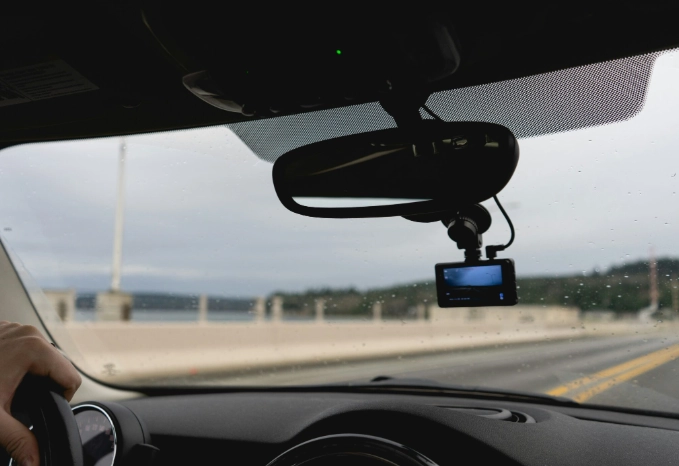
Smart Installation and Data Habits
Plan your cable route carefully. Consider paying for professional hardwiring if you want parking mode—it's worth it for battery health. Buy a name-brand, high-endurance SD card from a reputable retailer. Get in the habit of checking your footage periodically and formatting the card every few months to prevent corruption. Be mindful of where you park and point the camera when possible.
Know Your Local Laws
This is crucial. A quick search for "[Your State/Country] dash cam law windshield obstruction" and "[Your State/Country] audio recording consent law" can save you future trouble. Generally, mounting it behind the rearview mirror, outside the driver's critical sweep, is safest. If you're in a two-party consent state, consider disabling the audio recording feature.
Common Questions About Dash Cam Downsides
Final Thoughts: Is It Worth It?
So, what's the final verdict on the downside of a dashcam? It's a tool with significant trade-offs. It's not a magic shield. It comes with costs, complications, and compromises.
For me, after years of use, the benefits still slightly outweigh the cons—but just barely. It has helped clarify a minor parking lot incident. It has given me a weird comfort on long road trips. But I'm also hyper-aware of its limitations. I turned off the audio. I check the SD card like a paranoid person. I worry about the battery in the heat.
If you're considering one, don't buy the hype. Buy the reality. Understand that you're not just buying a camera; you're buying into a system that requires management, invites legal and ethical questions, and isn't perfect. Weigh the very real downsides against the potential benefit for your specific situation.
Make an informed choice, not a fearful or impulsive one. The road is complicated enough.