Let's be honest. The idea of owning a vintage car is wrapped in a powerful fantasy. You see yourself cruising on a sunny Sunday, the throaty exhaust note echoing off trees, turning heads at every corner. It's a dream sold in glossy magazines and polished auction listings. I've been there. I've also been underneath a 1972 MGB on a rainy Tuesday, wondering why the brakes just gave up and where that new oil leak is coming from. This guide isn't about the fantasy. It's about the reality—the costs, the work, the joy, and the occasional despair of living with an old machine. If you're serious about buying a vintage car, you need to start here.
Your Quick Route to Vintage Car Clarity
The Unromantic Truth About Owning a Classic
Forget investment potential for a second. That's a gamble. Think of a vintage car as a consumable hobby, like boating or flying a private plane, but with more grease. The purchase price is just the entry fee. The real relationship begins with maintenance costs.
A common mistake newcomers make is budgeting like they're buying a modern used car. They see a $20,000 Jaguar E-Type project and think they're getting a bargain. What they're getting is a second job. Parts for classics aren't stocked at your local AutoZone. They come from specialist suppliers, often in another country, and they cost three times what you'd expect. A simple brake master cylinder for a common 60s sports car can be $300. A re-chromed bumper? Over a thousand.
| Annual Cost Category | Low Estimate (Driver-Quality Car) | High Estimate (Show Car/Complex Model) | What It Covers |
|---|---|---|---|
| Routine Maintenance | $500 - $1,500 | $2,000 - $5,000+ | Oil changes, fluids, filters, tune-ups, minor adjustments. |
| Unexpected Repairs | $1,000 - $3,000 | $5,000 - $15,000+ | Things that break: fuel pumps, alternators, water pumps, clutch, exhaust. |
| Storage & Insurance | $800 - $2,000 | $1,500 - $4,000 | Garage space (crucial) and agreed-value insurance. |
| Parts & Restoration | $500 - $2,000 | Unlimited | Replacing worn trim, fixing rust spots, upgrading components. |
See that "Unexpected Repairs" column? That's the killer. These cars are 40, 50, 60 years old. Every rubber hose, every wire, every seal is past its intended lifespan. They fail not out of malice, but entropy.
How to Buy Smart: Avoiding the Money Pit
So you've accepted the costs. Now, how do you not buy a disaster? The goal is to find the most honest, solid car you can afford, not the shiniest one.
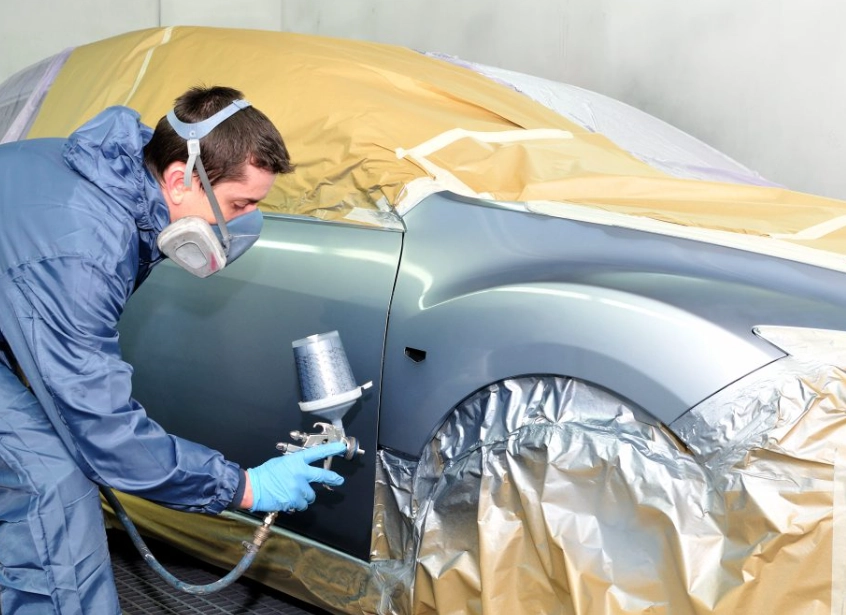
Forget the Paint, Check the Metal
Rust is cancer. A fresh paint job can hide a world of sin. Bring a small fridge magnet. Run it along the lower edges of the doors, the wheel arches, the sills, and the frame rails. If it doesn't stick firmly, there's filler underneath. Walk away. Mechanical issues are fixable; structural rust is a financial black hole. The Hagerty website has excellent buyer's guides with model-specific rust trouble spots.
Proof Beats Promise
Ask for documentation. Receipts for work done are worth more than the seller's word. A car with a stack of invoices showing regular care is a safer bet than one with a vague "just serviced" story. Look for ownership history, too. Multiple short-term owners can be a red flag.
Hire an Expert Eye
This is the single best investment you can make before buying. For a few hundred dollars, a pre-purchase inspection by a marque specialist will uncover issues you'd never see. They'll check compression, look for fluid leaks, assess the integrity of the chassis, and give you a realistic estimate of needed work. It turns an emotional decision into a financial one.
I once skipped this on a Porsche 914. The "minor oil leak" turned out to be a cracked engine case. The inspection I saved $250 on would have saved me $4,000.
Maintenance Isn't Optional, It's The Hobby
If you don't enjoy tinkering, buy a modern classic or forget the whole thing. Owning a vintage car means adopting a rhythm of care.
The Weekly 10-Minute Check: This habit prevents 80% of roadside failures. Pop the hood. Check oil level, coolant level, brake fluid. Look for new leaks or drips. Check tire pressure. Listen for new squeaks or rattles on a short test drive. It's not paranoia; it's preventative medicine for old machinery.
Your maintenance focus should be on systems that leave you stranded or compromise safety:
Brakes: Fluid is hygroscopic (absorbs water). Flush it every two years, regardless of mileage. Check lines for corrosion.
Fuel System: Ethanol in modern gas wreaks havoc on old rubber lines and fiberglass tanks. Replace all fuel hoses with ethanol-resistant ones. Consider a fuel stabilizer if the car sits.
Cooling: Overheating kills engines. Replace the thermostat and radiator cap preventatively. Flush the coolant regularly.
Electrical: Clean battery terminals and ground connections. Dielectric grease is your friend. Upgrade to a modern electronic ignition for reliability.
Don't try to do everything yourself if you're not skilled. But learning basic tasks—changing oil, adjusting carburetors, bleeding brakes—saves money and deepens the connection to the car. The Hemmings blog and model-specific forums are goldmines for step-by-step guides.
The Daily Driver Question: A Terrible Idea?
Can you use a vintage car every day? Technically, yes. Should you? Almost never.
Let's break down the reality. No airbags. Crumple zones made of pure optimism. Terrible fuel economy. A heater that barely works and A/C that doesn't exist. You're a sitting duck in modern traffic, surrounded by distracted drivers in SUVs.
Then there's reliability. Even a perfectly sorted classic is less reliable than a 10-year-old Toyota. It's not a question of *if* it will leave you stranded, but *when*. Are you okay with calling a flatbed from work on a Tuesday?
The wear and tear is accelerated, too. Daily exposure to sun, rain, and road salt is brutal on paint, chrome, and vulnerable undercarriages. That pristine interior will fade and crack.
Here's the better model: Have a modern, boring, reliable car for daily duties. Then, your vintage car becomes a pleasure object. You drive it on weekends, to cars and coffee, on club tours. It stays cleaner, breaks down less often, and every drive feels special, not stressful. You preserve the car's value and your own enjoyment.
This separation is the secret to long-term happiness in this hobby.
Straight Talk: Your Vintage Car Questions Answered
Can a vintage car be a reliable daily driver?
What is a realistic budget for buying my first vintage car?
What's the single most important thing to check when inspecting a vintage car?
How do I prevent my vintage car from rusting in storage?
Owning a vintage car is a deeply rewarding experience. It's a tactile connection to history, a lesson in mechanical simplicity, and a ticket to a fantastic community. But go in with your eyes open. Budget for the hidden costs, buy the most honest car you can, embrace maintenance as part of the fun, and keep it for special occasions. Do that, and you'll have years of enjoyment instead of a beautiful, expensive lawn ornament.
The dream is real. It just needs a solid foundation of reality.