What You'll Find in This Guide
Let's cut to the chase. Leather seats in a car—they look sharp, feel premium, but are they worth the hype? I've owned cars with leather interiors for over a decade, and I've made my share of mistakes. This guide isn't just a rehash of common knowledge; it's based on hands-on experience, talking to detailers, and seeing what actually works. Whether you're buying a new car or upgrading your current one, I'll walk you through the good, the bad, and the ugly of leather seats.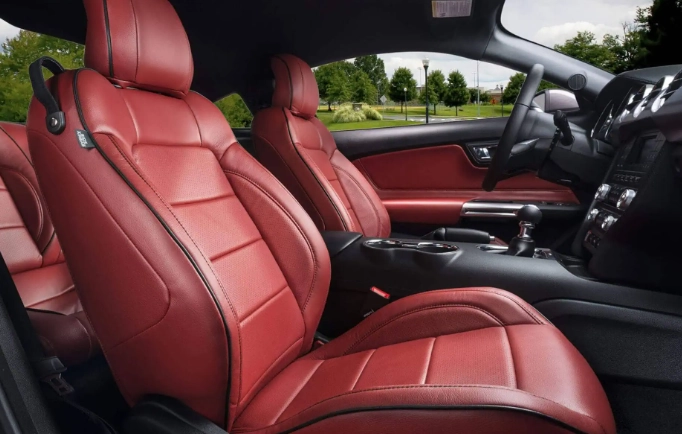
Why Choose Leather Seats? Benefits and Drawbacks
First off, leather isn't for everyone. It's a commitment. When I bought my first car with leather seats, I thought it was all about status. Turns out, there's more to it.
The Good Stuff: Why Leather Wins
Comfort is subjective, but leather tends to feel more supportive over long drives. It molds to your body slightly, unlike fabric that can flatten out. Durability? If maintained, leather seats can outlast fabric by years. I've seen leather interiors in 15-year-old cars that still look decent, while fabric ones are often stained or frayed.
Resale value is a biggie. According to industry reports from sources like Kelley Blue Book, leather interiors can add a few hundred dollars to a car's resale price. Buyers perceive it as a premium feature.
Cleaning is easier for spills. Coffee spill? Just wipe it off. With fabric, it soaks in and leaves a mark.
The Not-So-Good: Downsides You Need to Know
Cost. Leather seats often come as part of a higher trim package, adding thousands to the price tag. Aftermarket options can be cheaper, but quality varies.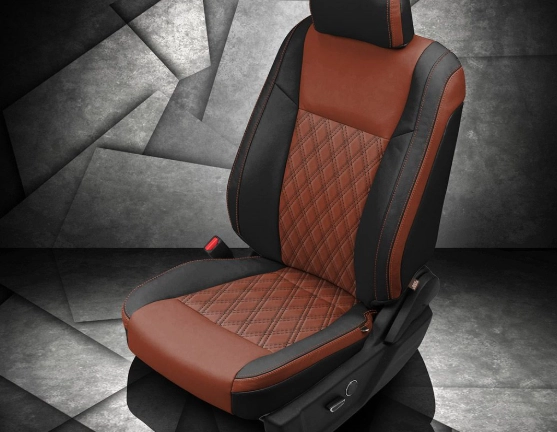
Maintenance is non-negotiable. Skip conditioning, and cracks appear. I learned this the hard way after neglecting my seats during a hot summer.
Climate concerns. In summer, leather gets scorching hot. In winter, it's freezing cold. Heated seats help, but not all cars have them. Ventilated seats are a game-changer, but they're pricey.
Personal note: My biggest regret? Not considering perforated leather for better breathability. On a road trip through Arizona, the seats felt like a frying pan.
How to Maintain Leather Seats Like a Pro
Maintenance isn't rocket science, but most people get it wrong. Here's a breakdown from my routine.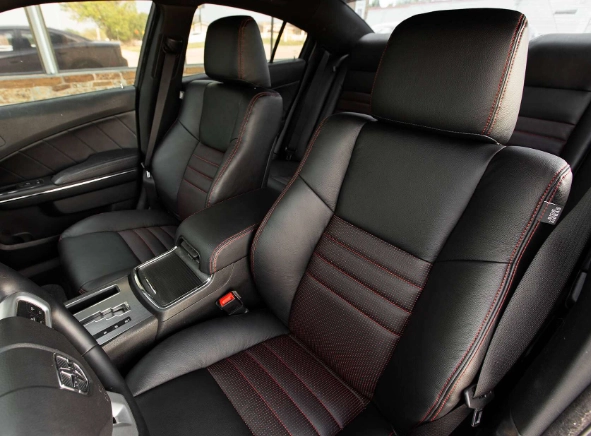
Your Weekly Cleaning Routine
Dust and dirt are abrasives. Use a soft microfiber cloth to wipe down seats every week. Avoid household cleaners—they strip natural oils. I use a pH-balanced leather cleaner, something recommended by professional detailers.
For spills, blot immediately. Don't rub. Leather is porous, so liquids can seep in if left.
Deep Cleaning: When and How
Every 3-4 months, do a deep clean. Apply a leather conditioner to restore moisture. Look for products with natural ingredients like lanolin. Over-conditioning is a common mistake; it makes seats greasy and attracts dirt.
For stains, a mild soap solution works. Test on a hidden area first. I once used a harsh cleaner that left a discolored patch—took months to fade.
Common Mistakes That Ruin Leather
Using silicone-based products. They create a shiny, plastic-like layer that cracks over time. Also, ignoring the seams. Dirt accumulates there, causing premature wear.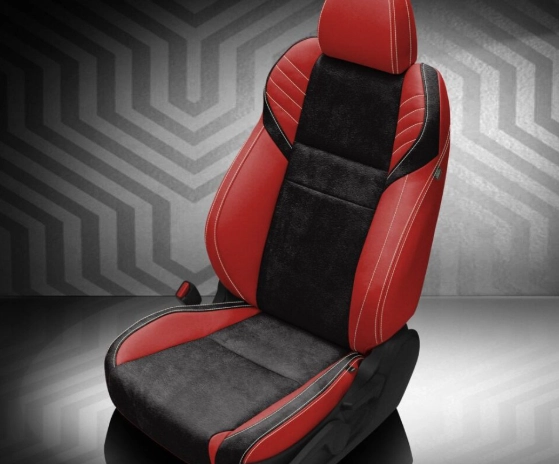
Parking in direct sunlight without protection. UV rays are leather's enemy. Use a sunshade or tint your windows.
Leather vs. Fabric Seats: A Head-to-Head Comparison
This isn't just about preference; it's about lifestyle. Let's break it down.
| Aspect | Leather Seats | Fabric Seats |
|---|---|---|
| Comfort | Firm, molds over time; can be hot/cold | Softer initially; temperature neutral |
| Durability | High with care; resists stains | Moderate; can pill or fade |
| Maintenance | Requires regular conditioning | Vacuum regularly; deep clean occasionally |
| Cost | Higher upfront and in upkeep | Lower initial cost; cheaper to replace |
| Allergies | Hypoallergenic; doesn't trap dust mites | Can harbor allergens if not cleaned |
If you have kids or pets, fabric might be more forgiving. But leather is easier to wipe clean after messy incidents. I've had both, and for my current daily driver, I chose leather because of its longevity.
Buying Guide: What to Look for in Leather Seats
When shopping, don't just fall for the "leather" label. Dig deeper.
Understanding Leather Grades: Full-Grain, Top-Grain, Bonded
Full-grain leather is the best—durable, breathable, and develops a patina. It's common in luxury cars. Top-grain is sanded to remove imperfections; still good, but less breathable. Bonded leather is scraps glued together; it's cheap but prone to peeling. Many economy cars use bonded leather and call it "genuine." Always ask for specifics.
I once test-drove a car with bonded leather seats, and within a year, the driver's side started flaking. Not worth it.
Features That Matter: Heated, Ventilated, Perforated
Heated seats are a must in cold climates. Ventilated seats use fans to circulate air, reducing sweat and heat buildup. Perforated leather enhances breathability. If you live somewhere hot, prioritize ventilation. It adds cost, but for comfort, it's a game-changer.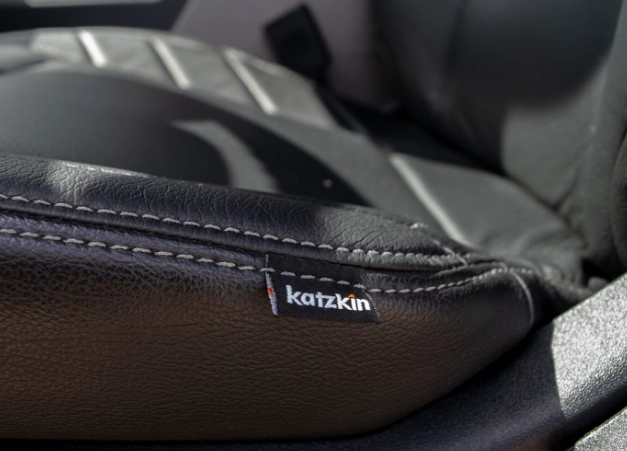
Also, check the stitching. Double-stitching lasts longer. Loose threads can unravel over time.
Real-World Case Study: My Experience with Leather Seats
Let me share a story. In 2018, I bought a used sedan with leather seats. The previous owner had neglected them—cracks everywhere. I spent weekends restoring them with a leather repair kit and conditioner. It worked, but the effort was immense.
Contrast that with my friend's car. He opted for fabric seats, and after five years, they looked worn and stained from coffee spills. He envied my leather's ease of cleaning.
The takeaway? Leather requires upfront care, but pays off long-term. But if you're not willing to put in the work, fabric might be better.
Frequently Asked Questions
Leather seats aren't a one-size-fits-all solution. They offer luxury and durability but demand attention. If you're willing to invest time in maintenance, they can elevate your driving experience for years. But if you prefer low-maintenance, fabric might be the way to go. Whatever you choose, make an informed decision based on your needs—not just the glossy showroom appeal.