Quick Guide
- What Exactly Is Radiator Repair Epoxy Made Of?
- When Does Radiator Epoxy Work (And When Does It Absolutely Not)?
- Choosing the Right Radiator Repair Epoxy: A Buyer's Guide
- The Step-by-Step Repair Process: Doing It Right the First Time
- Frequently Asked Questions (The Stuff You're Really Wondering)
- The Big Picture: Epoxy Repair vs. Radiator Replacement
Let's be honest, seeing that little puddle of green or orange coolant under your car is a sinking feeling. You know it means trouble, and your mind immediately jumps to a huge repair bill. I've been there. A few years back, my old truck started dripping from the radiator's bottom seam right before a road trip. The shop quoted me more than the truck was worth. That's when I started digging into alternatives, and radiator repair epoxy kept popping up.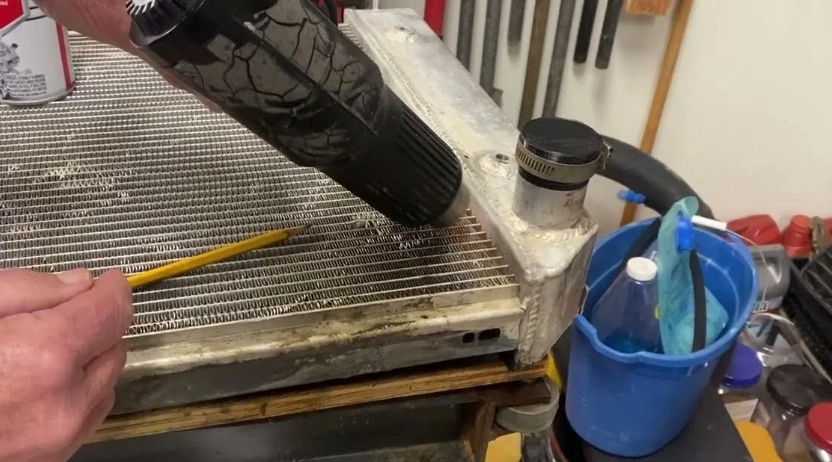
You might be skeptical. I was too. Epoxy? For a radiator? It sounds like a temporary hack, something that'll fail in a week. But after trying it myself, talking to mechanics who use it in a pinch, and researching the chemistry behind it, my view changed. A high-quality radiator repair epoxy isn't just a band-aid; it can be a legitimate, long-term repair for certain types of leaks. This guide isn't about selling you a miracle in a tube. It's about giving you the straight facts so you can decide if it's the right fix for your situation, and if it is, how to do it correctly so it actually lasts.
What Exactly Is Radiator Repair Epoxy Made Of?
Not all epoxies are created equal. The stuff you use to fix a ceramic mug won't survive your engine bay. True radiator repair epoxy is formulated with specific polymers and fillers. The base is usually an epoxy resin like bisphenol-A, combined with a polyamine hardener. What makes it special are the additives: metallic powders (like aluminum or steel) for strength and thermal conductivity, and flexibilizers to allow for a tiny bit of movement as the metal heats and cools. This is crucial. A rigid seal would just crack again.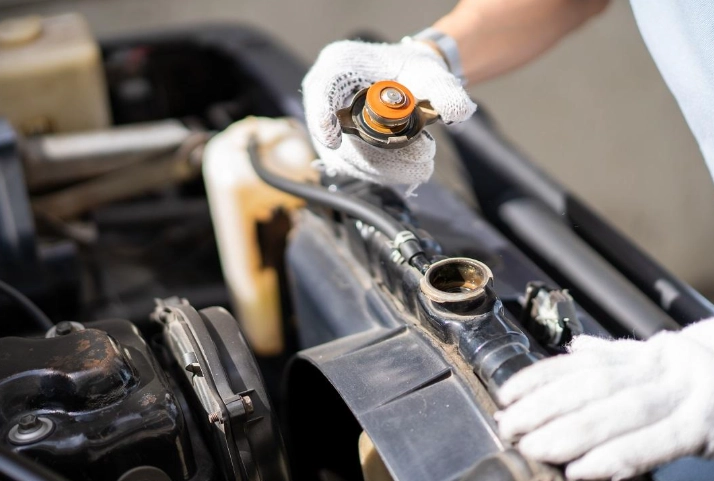
Some cheaper products are just generic epoxy putty with a fancy label. They might work for a minute, but they'll fail. The good ones are engineered for the job. They have to resist ethylene glycol or propylene glycol (the main ingredients in antifreeze), withstand temperatures from below freezing to over 250°F (121°C), and handle system pressure up to 15-20 PSI.
I learned this the hard way. My first attempt was with a hardware store epoxy putty. It held for about two heat cycles before it started weeping. Total waste of time. When I switched to a product actually labeled for radiators, the difference was night and day.
When Does Radiator Epoxy Work (And When Does It Absolutely Not)?
This is the most important section. Radiator repair epoxy is not a magic wand. Using it in the wrong situation is a recipe for a stranded car and a tow truck bill.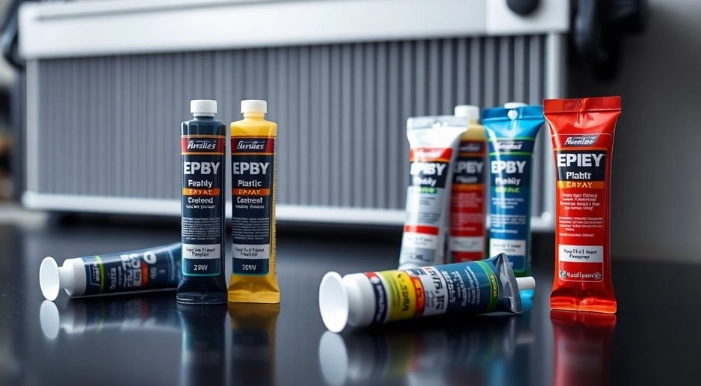
The Sweet Spot: Ideal Candidates for an Epoxy Fix
- Small Pinhole Leaks: Think a hole the size of a needle or a tiny crack, often caused by corrosion or a flying stone.
- Seam or Solder Joint Leaks: Where the metal tanks meet the core, or at old solder points. These are common failure points in older brass/copper radiators.
- Leaks on Accessible, Flat Surfaces: The top or side tank, or an end cap. If you can see it, clean it, and press putty onto it firmly, you're in business.
- Emergency Roadside Repairs: This is where a tube of epoxy putty in your glove box can save your trip. It can get you to a proper repair facility.
Stop Right There: When to Avoid Epoxy
- Leaking Plastic Tanks or End Caps: Epoxy doesn't bond well to most plastics used in modern radiators. It will peel off.
- Leaks at the Radiator Fittings: Where the upper/lower hoses or the transmission cooler lines connect. The constant stress from the hose clamp will break the seal.
- Large Gashes or Crushed Tubes: If the damage is bigger than a quarter-inch or the metal is bent, epoxy won't have the structural integrity to hold.
- Internal Leaks or Leaks You Can't Find: If coolant is mysteriously disappearing but you can't see the source, the leak might be internal or somewhere completely inaccessible. Epoxy is for external fixes only.
- Leaks on or near the Radiator's Core Fins: The fins are too thin and fragile. Attempting to seal them usually makes things worse.
Be realistic about the damage. A good rule of thumb: if you're unsure, assume it's beyond epoxy.
Choosing the Right Radiator Repair Epoxy: A Buyer's Guide
The market is flooded with options. Walk into an auto parts store and you'll see liquid epoxies, putty sticks, and even "stop leak" additives that claim to be epoxy-based. How do you pick? Let's break down the main types.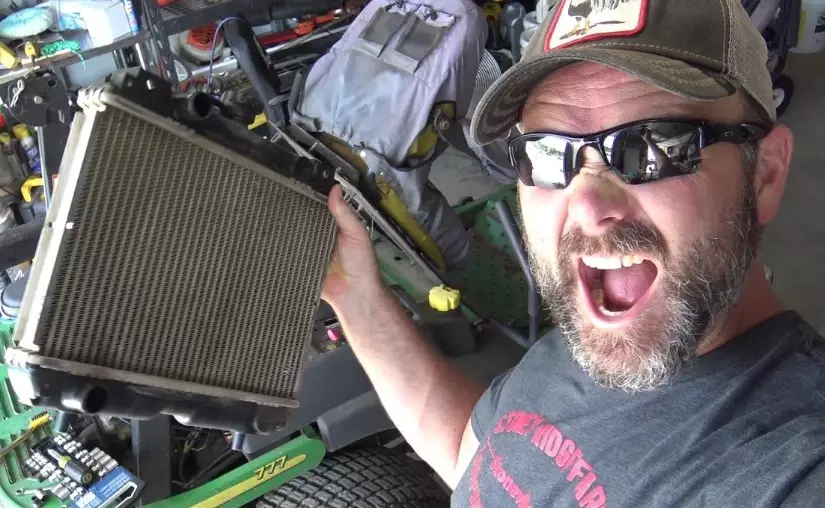
| Type | What It Is | Best For | Pros | Cons |
|---|---|---|---|---|
| Two-Part Epoxy Putty | A kneadable stick you cut, mix by hand, and apply like clay. | Pinholes, cracks, seam leaks on flat/curved surfaces. Emergency kits. | No mixing tools needed, works on vertical surfaces, sets fast, very strong. | Can be messy, finish is rough, requires dry surface. |
| Liquid Two-Part Epoxy | Separate resin & hardener liquids mixed in a cup or on a pad. | Hairline cracks, porous areas, smoother finish applications. | Can be brushed on, penetrates better into fine cracks, smoother finish. | Requires careful mixing, runny, needs a level surface to cure properly. |
| High-Temp/Heavy-Duty Variants | Formulated with more metallic content for extreme heat. | Leaks near exhaust manifolds or on parts of the engine block itself. | Withstands higher continuous temps (300°F+). | Often more expensive, harder to sand/file if needed. |
Beyond the type, check the specs on the package. Look for a maximum service temperature (at least 250°F/121°C) and cure time. A faster cure (5-10 minutes) is great for quick fixes, but a slower cure (30-60 minutes) often results in a stronger final bond because it has more time to flow and adhere before hardening.
The Step-by-Step Repair Process: Doing It Right the First Time
Success with radiator repair epoxy is 90% preparation and 10% application. Rushing the prep is why most DIY fixes fail.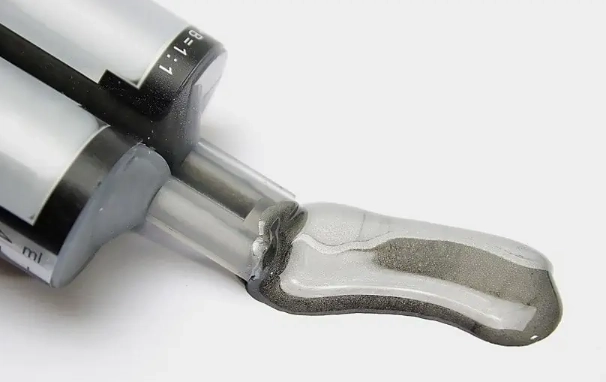
Step 1: Find the Leak & Make the Call
You need to be certain of the leak's location. A cold engine, remove the radiator cap (if safe to do so), and top up the coolant. Start the engine and let it get to operating temperature. The pressure will force coolant out of the leak. Use a flashlight and look carefully. Sometimes you'll see a tiny stream or a steady drip. Mark it with a grease pencil or a bit of tape. Is it in the epoxy "sweet spot" we talked about? If yes, proceed. If not, you're looking at a replacement.
Step 2: The All-Important Clean & Dry
This is non-negotiable. Epoxy will not stick to dirt, oil, grease, or coolant. The bond will be weak and fail.
- Drain the Coolant: Place a pan underneath, open the drain petcock or loosen the lower hose. Catch the coolant properly—it's toxic to pets and wildlife. The EPA provides guidelines for safe disposal of used antifreeze at local facilities.
- Clean the Area: Use a degreaser or brake cleaner on a rag. Scrub the metal around the leak aggressively. I use a small wire brush or coarse sandpaper (80-120 grit) to scuff up the surface. You want bare, shiny metal. This creates "tooth" for the epoxy to grip.
- Dry It Thoroughly: Use compressed air if you have it, or just let it air dry completely. Any moisture will ruin the cure. A hair dryer on a cool setting can help.
Step 3: Mixing and Applying the Epoxy
If using putty, cut off more than you think you need. Knead it between your fingers until the color is completely uniform—no streaks. You typically have a 2-3 minute working window. For liquid epoxy, mix slowly to avoid air bubbles, following the package's ratio exactly.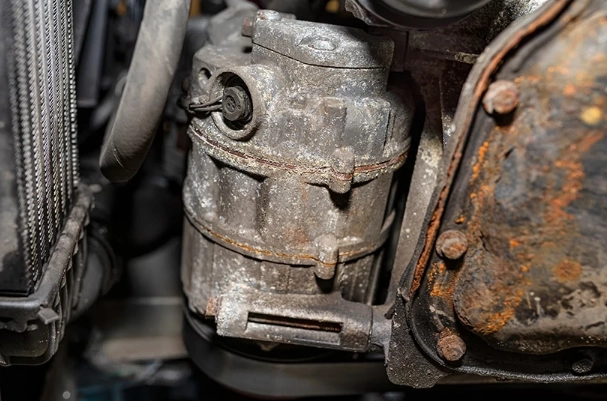
Press the epoxy firmly over and around the leak. For a pinhole, make sure you push some material into the hole itself. For a crack, cover it completely and extend the patch at least half an inch beyond each end of the crack. Smooth it out with a wet finger or a putty knife to improve the seal and appearance. The goal is to create a thick, overlapping seal, not a thin skin.
Work quickly but carefully. Once it starts to set, don't mess with it.
Step 4: The Cure and The Test
Let it cure! Don't rush. The package might say "handles in 10 minutes," but full strength takes hours, sometimes 24. Let it sit overnight if you can. After it's fully hardened, it's test time.
- Refill the cooling system with a 50/50 mix of coolant and distilled water.
- Start the engine with the radiator cap off to allow air to bleed out. Once the thermostat opens and coolant circulates, top it off and put the cap on.
- Bring the engine to full operating temperature and let the cooling system pressurize. Watch your repair spot like a hawk. Look for any seepage, bubbles, or drops.
- Take it for a short, gentle drive to get the system through a full heat cycle. Park it over a clean piece of cardboard overnight and check in the morning.
Frequently Asked Questions (The Stuff You're Really Wondering)
The Big Picture: Epoxy Repair vs. Radiator Replacement
Let's talk money and time. A tube of good radiator repair epoxy costs between $10 and $25. A new radiator can range from $100 to $500+, plus an hour or two of labor if you pay a shop ($100-$200/hr). The math is obvious.
But it's not just about cost. It's about the vehicle. Is it a 25-year-old classic you're nursing along, where a $400 radiator is a significant investment? Or is it your daily driver that you rely on for a 50-mile commute? For the classic, a well-executed epoxy repair is a fantastic, economical solution. For the daily driver, you have to weigh the risk of failure. If the epoxy patch lets go on the highway, you could overheat and warp your engine head—a repair costing thousands.
My personal philosophy: Use radiator repair epoxy for non-critical, accessible leaks on older or secondary vehicles, or as a verified emergency fix to get you home. For a major leak on your primary car, especially a modern one with an expensive plastic/aluminum radiator, replacement is almost always the wiser, safer long-term investment.
Ultimately, knowledge is power. Understanding what radiator repair epoxy is, how it works, and its very real limitations empowers you to make the right choice. It's a powerful tool in the DIY mechanic's toolbox, but it's just that—a tool, not a universal solution. With the right leak and the right technique, that little tube of putty can save you a fortune and keep your car on the road.