Guide Overview
Let's be honest, that sinking feeling when your car makes a noise it shouldn't, or worse, does nothing at all when you turn the key, is the worst. Your mind races—how much is this going to cost? Can I even drive it? Is it safe? I've been there more times than I'd like to admit, standing in a parking lot with a dead engine, feeling completely helpless. But here's the thing: a huge chunk of common car problems have simple explanations and, sometimes, simple fixes. You don't need to be a master mechanic to perform basic car troubleshooting. What you need is a logical process, a bit of patience, and this guide.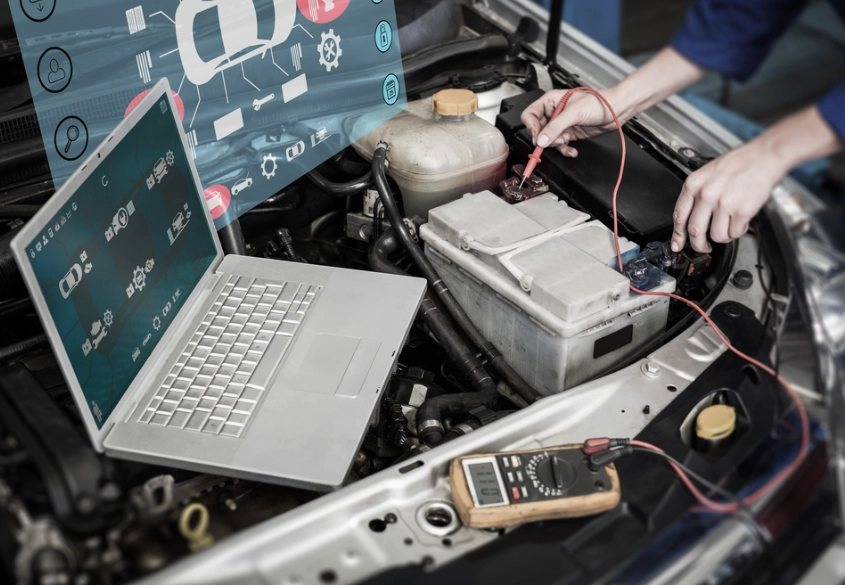
This isn't about turning you into a weekend warrior for every job. It's about empowerment. It's about knowing enough to diagnose the likely culprit, so you can decide: "Yeah, I can handle this battery swap myself" or "Nope, this grinding sound is a trip to the shop." That knowledge alone can save you from overpaying for simple fixes or, conversely, from attempting something dangerous.
Before You Even Turn a Wrench: The Golden Rules of Safe Troubleshooting
I need to get this out of the way first, because safety isn't a suggestion. I once saw a friend try to check his alternator with the engine running and a loose shirt… let's just say it was a scary lesson. So, let's set some ground rules.
Always work in a well-ventilated area, especially if the engine is running. Never, ever work under a car supported only by a jack—use proper jack stands. The National Highway Traffic Safety Administration (NHTSA) emphasizes vehicle safety, and that starts with the person working on it. Disconnect the battery before doing any electrical work (the negative terminal first!). Keep a basic fire extinguisher rated for Class B (flammable liquids) and Class C (electrical) fires nearby. It sounds over the top until you need it.
Got it? Good. Now, let's talk tools. You don't need a Snap-on truck in your garage. For 90% of basic diagnostics, these will get you far:
- A decent flashlight or headlamp (you'll be peering into dark places).
- A basic socket and wrench set.
- Screwdrivers (flathead and Phillips).
- Pliers (needle-nose and regular).
- A tire pressure gauge.
- A code reader (more on this lifesaver later).
- Some old rags and a pair of mechanic's gloves.
That's it. With these and your senses, you're ready to start some real car troubleshooting.
The Big Three: Starting, Running, and Noise Problems
Car issues generally fall into three frustrating categories: it won't start, it runs poorly, or it's making a horrible sound. We'll tackle them one by one.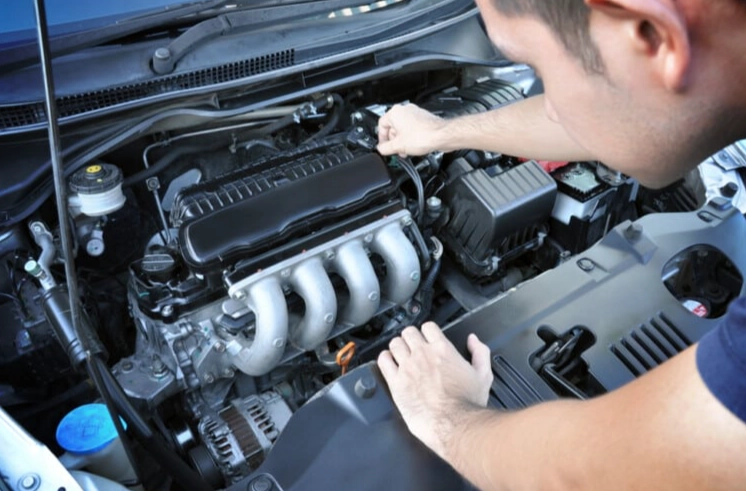
"It Won't Start!" – Diagnosing a Dead Car
This is the king of panic-inducing problems. But the type of "won't start" tells you almost everything. Listen carefully when you turn the key.
Scenario 1: Complete Silence, or Just a Click. You turn the key and… nothing. Or maybe one solid *click*. This almost always points to the electrical system. Your first suspect is the battery. Are the headlights dim or do they not come on at all? Try turning them on. If they're dead, it's a strong battery clue. Next, check the battery terminals. Are they covered in a bluish-white, crusty powder (corrosion)? That can block the connection. Sometimes, just cleaning these with a wire brush and baking soda/water mix can bring your car back to life. I've had this happen twice on older cars.
If the lights are bright, the problem might be the starter motor or its solenoid (that's what the single click often is). Tapping the starter lightly with a hammer while someone tries the key can sometimes jolt a stuck starter into working—a temporary fix to get you to the shop.
Scenario 2: Cranks but Won't Fire Up. The engine turns over (you hear the "ruh-ruh-ruh" sound) but never actually catches and runs. This means the starter and battery are likely okay, but the engine isn't getting what it needs to combust: fuel, spark, or air.
- Fuel: Can you hear a faint humming from the rear of the car for a second when you first turn the key to "ON" (not start)? That's the fuel pump priming. No sound might mean a dead fuel pump. Is your gas gauge accurate? Don't laugh, I've been "out of gas" more than once when the gauge said a quarter tank.
- Spark: Trickier to test without tools, but a common failure point is the ignition coils or spark plugs.
- Air: Less common to completely block, but a severely clogged air filter could be an issue.
The modern savior here is the check engine light. If it's on, you have a stored code that is a giant clue. Which leads us to…
The Magic of the OBD-II Port: Your Car's Confessional
Since 1996, all cars sold in the US have an On-Board Diagnostics II (OBD-II) port, usually under the dashboard near the driver's knees. This is your direct line to the car's computer. You can buy a basic code reader for less than $30. Plug it in, turn the key to "ON," and it will spit out standard trouble codes like P0300 (random misfire) or P0420 (catalyst efficiency).
Don't just take the code as a final verdict. A P0171 (system too lean) could be a vacuum leak, a dirty mass airflow sensor, or a weak fuel pump. The code is the starting point for your car diagnostic journey. Websites like the Environmental Protection Agency have information on OBD systems, as they're tied to emissions monitoring. The code narrows the field from "engine problem" to "likely problem in the fuel/air mixture system."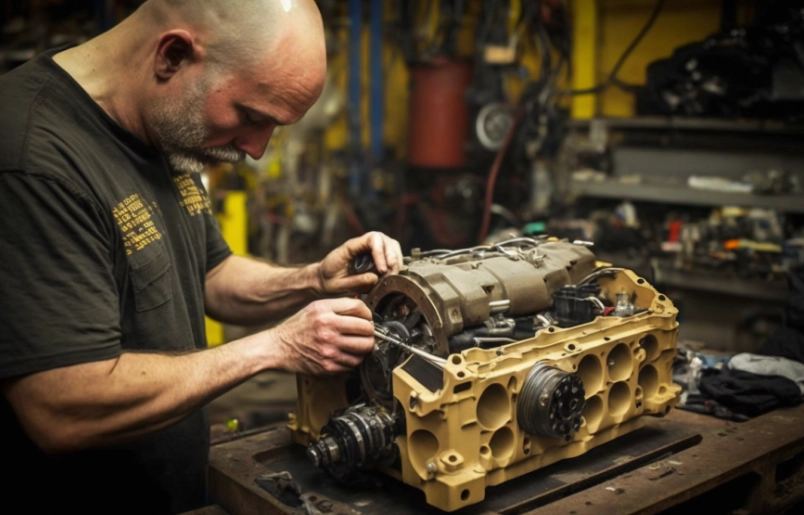
"It Runs Like Garbage" – Performance and Drivability Issues
This is where car troubleshooting gets more nuanced. The car starts and moves, but it's shaky, sluggish, or stalling.
| Symptom | Most Likely Culprits | Simple Checks First |
|---|---|---|
| Rough Idle / Stalling | Dirty throttle body, faulty idle air control valve, vacuum leak, bad spark plugs. | Listen for hissing sounds (vacuum leak). Check air intake hose for cracks. |
| Hesitation / Lack of Power | Clogged fuel filter, dirty air filter, failing fuel pump, bad oxygen sensor. | Replace air filter (cheap & easy). Listen for fuel pump whine. |
| Poor Fuel Economy | Dirty air filter, under-inflated tires, stuck brake caliper, failing O2 sensor. | Check tire pressure. Visually inspect brakes for drag. |
| Engine Misfire (shaking) | Bad spark plug, faulty ignition coil, bad fuel injector. | Use code reader for specific cylinder misfire code (e.g., P0304 = cylinder 4). |
A huge number of running problems, in my experience, trace back to things that get dirty or wear out predictably: filters, plugs, sensors. Following the manufacturer's maintenance schedule in your owner's manual prevents a lot of this. The American Automobile Association (AAA) Auto Repair site is a good resource for trusted maintenance guidelines.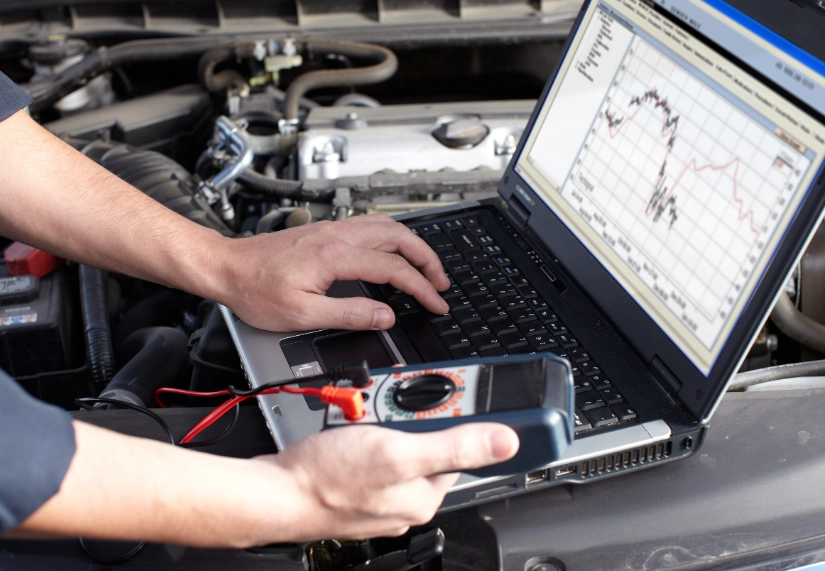
"What's That Sound?" – The Auditory Clue Game
Cars talk through noise. Learning the language is key.
- Squealing on startup or when accelerating: Classic worn serpentine belt or tensioner. Often gets worse when the A/C is on.
- Grinding when braking: That's the metal wear indicator on your brake pads telling you they're gone. Now you're grinding the rotor. Get this fixed immediately—it's a safety issue and gets expensive fast.
- Clicking when turning: Often a worn CV joint on the front axle. The sound follows the wheel's speed.
- Rumbling or roaring that gets louder with speed: Could be wheel bearings failing or exhaust issues.
- Knocking or pinging from the engine (like marbles in a can): Serious. Could be bad fuel, incorrect spark timing, or engine damage. Stop driving.
Try to pinpoint where the sound comes from—front/back, left/right. Does it change with engine speed (revving in park) or vehicle speed (coasting in neutral)? This isolation is a core car troubleshooting skill.
The Dashboard Light Decoder Ring
Those little icons aren't just for decoration. They're a primary car diagnostic tool. Let's move beyond the check engine light.
Temperature Warning Light (Red Thermometer): This is an emergency. Pull over safely, turn off the engine, and let it cool for at least 30 minutes. Do NOT open the radiator cap while hot—scalding coolant can erupt. Once cool, check coolant level in the overflow tank. Driving while overheated can warp the cylinder head or blow the head gasket, a multi-thousand dollar repair.
Oil Pressure Light (Red Oil Can): Another stop-immediately light. Low oil pressure means metal parts are grinding without proper lubrication. Check your oil level with the dipstick. If it's very low, adding oil might get you to a shop. If the level is fine, the oil pump may have failed. Do not risk the engine.
Brake Warning Light: Could mean the parking brake is on (oops), but if it's not, it often indicates low brake fluid, which usually means your brake pads are very worn or there's a leak. This is a critical safety system—get it checked.
Battery/Charging Light: Means the alternator is likely not charging the battery. The car is running off battery power alone, which will run out. You might make it to a repair shop before it dies.
When DIY Ends and the Mechanic Begins
This is the most important judgment call in car troubleshooting. How do you know when to throw in the towel?
I have a simple personal rule: If the repair requires the car to be lifted safely for me to work underneath it, involves internal engine/transmission components, or deals with the airbag or advanced stability control systems, I'm calling a pro. My floor jack and stands are for emergencies and tire changes, not for spending hours under the car.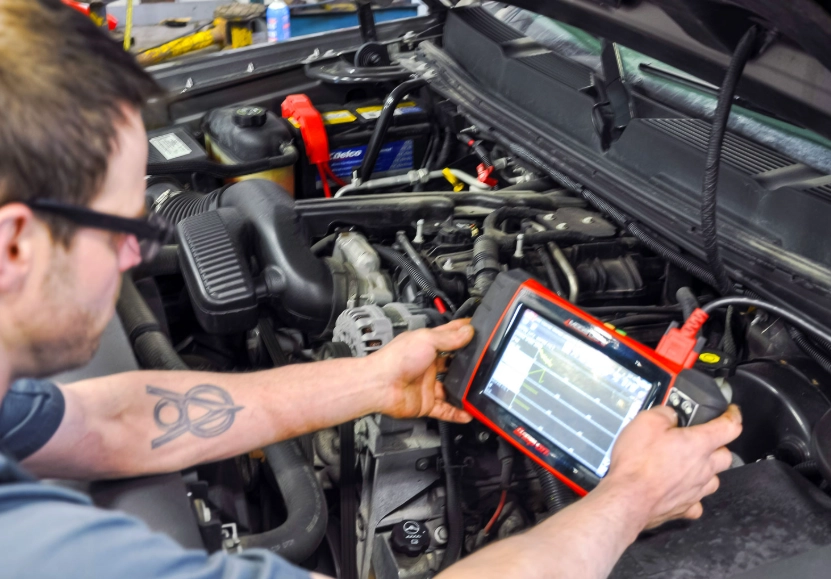
The cost-benefit analysis is real. A timing belt job might cost $800 at a shop. If you get it wrong, you can destroy the engine. The risk is astronomical. Changing cabin air filters or headlight bulbs? That's a 5-minute, $20 job they might charge $80 for. That's where you win.
Be honest with yourself about your skill, tools, time, and tolerance for frustration.
Finding a good mechanic is its own form of insurance. Look for ASE (Automotive Service Excellence) certified technicians. Ask for explanations, not just estimates. A good mechanic will appreciate that you've done some basic car troubleshooting and can describe the symptom progression clearly. It makes their job easier.
Building Your Troubleshooting Mindset: Prevention is Key
The best car troubleshooting is the kind you never have to do because you prevented the problem. It's boring but true.
Open your hood once a month. Just look. You'll start to notice if something looks wet (leaking), loose, or out of place. Check fluid levels—oil, coolant, brake fluid, power steering fluid. Look for cracks in belts and hoses. Check tire pressure and tread. This 5-minute ritual will make you intimately familiar with your car's normal state, so when something is abnormal, it screams at you.
Follow the severe service schedule in your manual if you do lots of short trips, drive in extreme heat/cold, or on dusty roads. Those conditions are harder on a car than long highway miles.
In the end, car troubleshooting isn't magic. It's a method. Start with the simplest, cheapest possibility (is it out of gas? is the battery terminal loose?) and work your way up. Use your senses—listen, look, smell, even feel (for heat or vibration). Use the tools available, especially that code reader.
So next time your car acts up, take a deep breath. Grab your flashlight. And start following the clues. You've got this.