Quick Navigation
You know that feeling when you search for a simple car maintenance question and get ten different answers? That's exactly what happens when you ask, "How often should a fuel filter be changed?" Your car's manual might say one thing, your mechanic suggests another, and some online forum says you can basically ignore it forever. Honestly, it's a mess.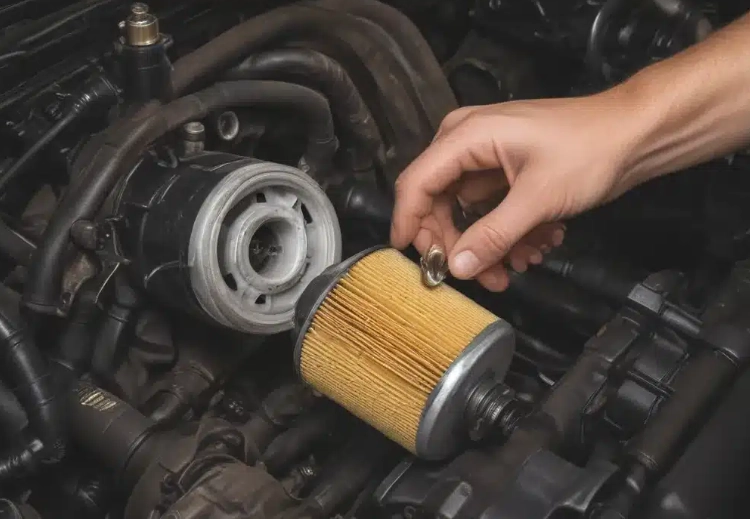
I've been there. I once followed the "lifetime" filter idea on an old sedan, and let's just say a tow truck and a very expensive fuel pump later, I learned my lesson the hard way. So let's talk straight. There's no single magic number of miles or years that fits every car and every driver. The real answer to how often you should change a fuel filter depends on a bunch of factors that most quick guides gloss over.
We're going to dig into all of them. Forget the generic advice. We'll look at what the manuals actually say, why those numbers can be misleading, and what really happens inside your tank and fuel lines that makes this little part so important.
The Standard Answer vs. The Real World
If you want the textbook reply, here it is: most manufacturers recommend inspecting or replacing the fuel filter every 30,000 to 60,000 miles. Some modern cars with supposedly "lifetime" filters might push that to 100,000 miles or more. The National Highway Traffic Safety Administration (NHTSA) doesn't mandate a specific interval, leaving it to the maker's discretion. But here's the thing—that's like saying you should change your oil every 5,000 to 10,000 miles. It's a starting point, not a finish line.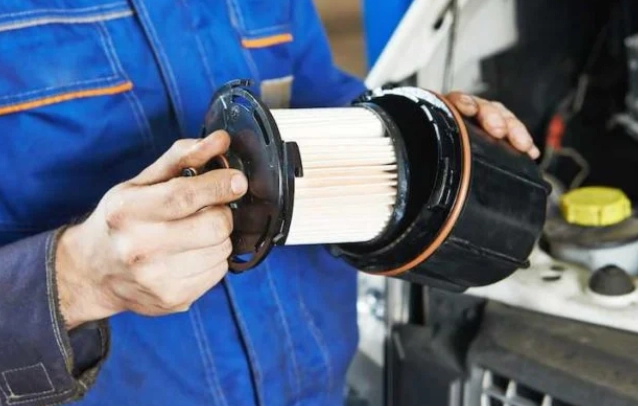
Why the huge range? A car built in 2005 with a carburetor (yes, they still existed) is a completely different beast from a 2023 direct-injection turbo. The older car might have a simple, cheap, canister-style filter that's easy to swap. The new one might have a high-pressure filter integrated into the fuel pump module, designed to handle finer contaminants but costing a fortune to replace. The goal is the same—trap dirt, rust, and gunk before they reach your injectors—but the technology and stress levels are worlds apart.
I think the "lifetime" label is one of the most confusing terms in auto care. To a manufacturer, "lifetime" often means the expected lifespan of the warranty period. It doesn't mean the part will last as long as you own the car. A clogged fuel filter won't necessarily leave you stranded at 100,001 miles, but it will start a slow, expensive chain reaction of problems.
The Core Issue: A fuel filter's job is to protect the most expensive parts of your fuel system—the injectors and the pump. A $30-$80 filter is cheap insurance against repair bills that can easily run into the thousands. Asking "how often should a fuel filter be changed?" is really asking, "How much risk am I willing to take with my fuel pump?"
What Actually Determines Your Filter's Lifespan?
This is where we get into the nitty-gritty. Mileage is just a proxy for how much fuel has passed through the filter and how much junk it has caught. Your specific situation changes everything.
The Fuel You Use (It's Not Just About Octane)
We all know gas quality varies. A station with old, rarely cleaned underground tanks can have more sediment and water. But there's more to it. The Environmental Protection Agency (EPA) sets standards for fuel, but contamination can happen anywhere in the supply chain. I made a habit of using a top-tier detergent gasoline brand years ago, not just for the engine cleaners, but because their distribution networks tend to be more reliable. It's a small thing that might add thousands of miles to a filter's life.
And what about ethanol? Most gas has up to 10% ethanol (E10). Ethanol is a solvent. It can loosen decades of varnish and deposits from the walls of old gas station tanks and your own fuel system, sending all that gunk straight toward your filter. If you drive a classic car or use ethanol blends higher than E10, your filter is working overtime.
Where and How You Drive
Think about your daily route. Is it all smooth highway miles, or are you constantly in stop-and-go city traffic? This matters more than you'd think.
Highway driving generally means a steady, high flow of clean fuel from the main tanks of gas stations. City driving, especially with lots of short trips, is harder on the entire fuel system. The fuel pump cycles more frequently, and condensation can build up in a partially full tank, leading to water contamination and rust. That rust gets caught by the filter. If your car sits for long periods, that's another red flag. Fuel can degrade and leave behind residues that clog the filter media.
Here’s a quick table to show how driving conditions shift the answer to "how often should a fuel filter be changed?"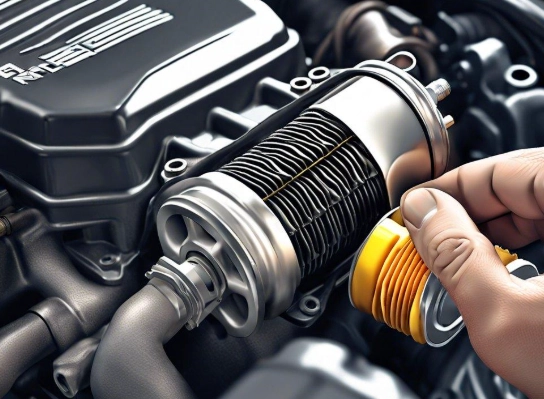
| Driving Condition | Impact on Fuel Filter | Recommended Action |
|---|---|---|
| Mostly Highway, Long Trips | Lower contamination risk, steady fuel flow. Optimal conditions. | Stick to the upper end of your manual's range (e.g., 60,000 miles). |
| City/Stop-and-Go Commute | Higher pump cycling, more condensation risk, potential for sediment from frequent refueling. | Lean toward the lower end of the range (e.g., 30,000 miles). Inspect more often. |
| Frequent Short Trips ( | High condensation, fuel never gets fully hot to evaporate water, system never fully purged. | Change more frequently than manual suggests. Consider 20,000-25,000 miles. |
| Off-Road or Dusty Environments | Extreme risk of particulate contamination entering the fuel system. | Significantly shorten interval. 15,000-20,000 miles. Use the best filter you can find. |
| Vehicle Often Sits (Storage) | Fuel degradation, varnish formation, internal tank corrosion. | Replace filter before storage and after long periods of inactivity. Don't go by mileage alone. |
The Age and Condition of Your Car
An older car is a wild card. Even if it has low mileage, the rubber hoses and seals in the fuel system can degrade. Tiny bits of rubber can break off and head for the filter. The inside of the fuel tank itself can rust, especially in older models without plastic or coated steel tanks. If you've just bought a used car with an unknown history, changing the fuel filter is one of the first things I'd do, regardless of the mileage. It's a cheap way to establish a new maintenance baseline and avoid inheriting someone else's neglected problem.
Newer cars aren't off the hook either. Direct injection systems run at incredibly high pressures—thousands of PSI. The filters in these systems are designed for it, but they're also the last line of defense for injectors that cost a small fortune each. A clog here doesn't just cause poor performance; it can lead to catastrophic injector failure.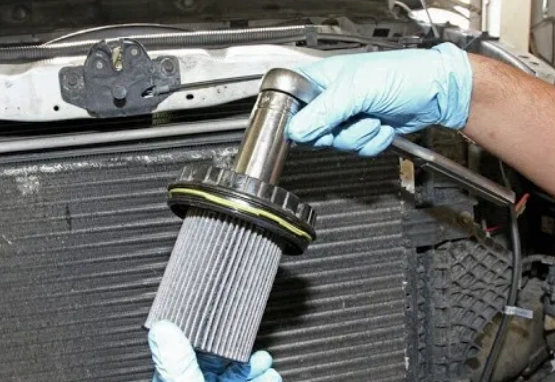
A Personal Story: A friend ignored his truck's rough idle for months, blaming it on "cheap gas." The problem was a completely clogged fuel filter. The fuel pump, straining against the blockage for so long, finally gave out. The $40 filter replacement turned into a $900 repair for a new pump and labor. The mechanic showed him the old filter—it was basically solid. Don't let this be you.
Listen to Your Car: The Symptoms of a Clogged Filter
You don't have to wait for a mileage milestone. Your car will tell you when it's struggling to breathe. The signs often start subtle and get worse. Here’s what to watch for, in roughly the order they might appear:
- Engine Hesitation Under Load: This is the classic sign. You're trying to accelerate up a hill or merge onto the highway, you press the gas, and the car stumbles or jerks for a second before catching up. The engine is starving for fuel because the clogged filter can't flow enough when demand is high.
- Rough Idle or Frequent Stalling: If the filter is badly clogged, even the small amount of fuel needed to keep the engine idling smoothly can't get through reliably. The car might shake at stoplights or even stall.
- Loss of High-End Power and Poor Acceleration: The car feels sluggish, like it's lost its pep. It revs but doesn't go. You floor it and the response is weak and delayed.
- Hard Starting or Cranking But Not Starting: In severe cases, there isn't enough fuel pressure to start the car at all. You'll hear the starter turning the engine, but it won't fire up.
- The Dreaded Check Engine Light: Modern cars have sensors monitoring fuel pressure. If the pressure drops too low because of a restriction, it can trigger codes like P0087 (Fuel Rail/System Pressure Too Low). This is a late-stage symptom.
Notice a pattern? All these symptoms mimic other problems—bad spark plugs, a failing fuel pump, dirty injectors.
That's why a clogged fuel filter is such a common misdiagnosis (or overlooked cause). A lot of mechanics will jump to the more expensive parts first. If you're experiencing these issues, especially if you can't remember the last time you changed the filter, it should be the first thing you check or replace. It's the simplest and least expensive potential fix.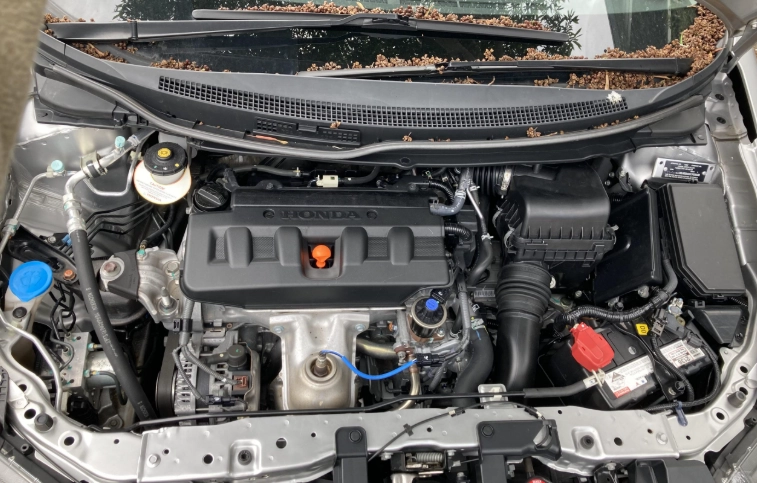
Can You Change It Yourself? A Realistic Look.
This is a big one. The difficulty of changing a fuel filter ranges from "easier than an oil change" to "please just take it to a professional." It entirely depends on your car's design.
The Easy Ones: Many older cars and trucks (roughly pre-2000s) and some modern non-performance cars have an inline fuel filter. It's a cylindrical canister located along the fuel line, usually under the car along the frame rail or in the engine bay. These often have simple hose clamps or threaded fittings. With basic tools, safety glasses, and a way to depressurize the fuel system (usually by pulling the fuel pump fuse and running the engine until it dies), a DIYer can handle this in under an hour. The Car Care Council provides general service schedules that can help you locate this kind of routine service item.
Pro Tip: If you have an inline filter with quick-connect fittings, buy the little plastic tool designed to release them. Trying to pry them off with a screwdriver almost always breaks the tabs and leads to a fuel leak. The tool costs a few dollars and saves a huge headache.
The Hard Ones: Most newer cars have the filter integrated into the fuel pump assembly inside the fuel tank. To replace the filter, you have to drop the fuel tank or access it through an interior panel (often under the rear seat). This involves disconnecting multiple electrical and fuel lines, dealing with potentially hazardous fumes, and carefully handling a assembly that doesn't like to be forced. The risk of damaging the fuel pump sender or creating a dangerous leak is real. For these, unless you're very experienced, the labor cost at a shop is usually worth the peace of mind.
How do you know which one you have? Your owner's manual will sometimes say. A quick online search for "[Your Car Year, Make, Model] fuel filter location" will give you a definitive answer and probably a video showing the job's complexity.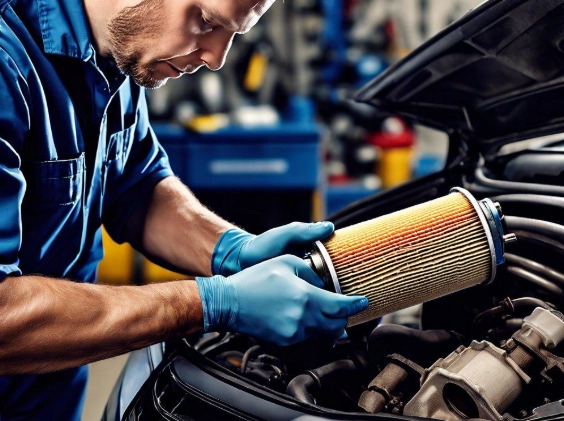
Your Burning Questions, Answered
I used to be the guy who followed the manual to the letter. Then I moved to a rural area with dusty roads and a local gas station that probably hadn't cleaned its tanks since the 90s. After two episodes of unexplained hesitation, my mechanic—who knows the area—looked me dead in the eye and said, "Forget what the book says. Out here, with this gas, change it every 20,000 miles." I did, and the problems vanished. The manual isn't always written for *your* world.
Putting It All Together: A Simple Action Plan
So, after all this, what's the final word on how often should a fuel filter be changed? Let's make it actionable.
- Find Your Baseline: Check your owner's manual. Note the recommended interval. That's your official starting point.
- Apply the "Hard Life" Discount: Be honest with yourself. Do you fit any of the tough conditions from the table above? (City driving, short trips, old car, questionable fuel sources). If yes, mentally cut that manufacturer's interval by 30-50%.
- Listen and Observe: Don't wait for the mileage if symptoms appear. Hesitation under load is your early warning signal. Act on it.
- Make It Part of a Routine: I like to pair my fuel filter change with another major service. For example, when I get new tires every 30-40k miles, I have them check or replace the filter. It's an easy way to remember.
- Buy Quality: Don't cheap out. Stick with reputable brands like Bosch, Mann, Mahle, Wix, or OEM. A poorly made filter can have less filtering capacity or even fail internally.
For the vast majority of people driving average cars in average conditions, aiming for a change every 30,000 to 40,000 miles is a safe, practical, and proactive rule of thumb. It's frequent enough to prevent major issues but not so frequent that it's a waste of money.
If you drive a modern car with an in-tank "lifetime" filter, your strategy is different. You likely won't change it as a pure maintenance item. Instead, you must be vigilant for symptoms. If you experience fuel-related issues and have high mileage (say, over 100k), replacing the entire fuel pump assembly (which includes the filter) may become the necessary fix.
Look, car maintenance is full of these judgment calls. The answer to "how often should a fuel filter be changed?" isn't a billboard. It's a conversation between you, your car, and the roads you travel. Pay attention to all three, and you'll never be caught off guard by this small part with a big job.
Start by checking your mileage and your manual. Then think about your last tank of gas. The answer is probably clearer than you think.