What’s Inside
Let's cut to the chase. The steering wheel suddenly feels like it's made of solid concrete. You're turning a corner or trying to park, and you need to put serious muscle into it. That familiar, easy glide is gone. Your heart skips a beat. So, can you still drive a car if the power steering goes out? The short, direct answer is yes, you physically can, but you absolutely should not do so for any longer than absolutely necessary to get to safety. Driving without power steering is not just difficult; it's a genuine safety hazard that transforms your normal commute into a potential emergency situation.
I remember the first time it happened to me in an old sedan. It wasn't on a quiet street, but merging onto a highway ramp. The sudden resistance was shocking, almost throwing off my lane positioning. It's one of those car problems that doesn't give you a gentle warning—it often just quits. This guide isn't just theory. We'll walk through exactly what to do in those first panic-inducing seconds, how to manage the car if you must move it, what's likely broken, and what it'll cost to fix. We're covering everything you'd want to know, from immediate reaction to long-term repair.
What to Do Immediately When Power Steering Fails
Don't just panic and keep driving. Your first actions are crucial. Here’s a step-by-step immediate action plan.
| Symptom / Situation | Immediate Action | What NOT to Do |
|---|---|---|
| Steering becomes extremely heavy at low speed or when stopped. | Grip the wheel firmly with both hands. Do not make sudden turns. Activate your hazard lights to alert other drivers. | Don't force the wheel with quick, jerky movements. You could oversteer or strain components. |
| Failure happens at highway speed. | You may notice it less initially, but steering will be heavier. Signal, carefully merge to the rightmost lane, and plan your exit. Increase following distance dramatically. | Do not make sudden lane changes or aggressive maneuvers. The car will not respond as quickly. |
| You hear loud whining or groaning from the engine bay, especially when turning. | This is often a precursor to total failure (in hydraulic systems). Drive directly to a safe place to stop and investigate or call for assistance. | Ignore the noise and continue a long journey. The pump could seize, breaking the drive belt which may run other accessories. |
| Steering is not just heavy but also feels “notchy” or erratic. | Stop the car as soon as safely possible. This could indicate a problem with the steering rack itself, not just the assist system. This is more serious. | Continue driving. You risk a partial or complete loss of steering control. |
The core question, "can you still drive a car if the power steering goes out," is really about risk management. It's about getting yourself and your vehicle out of the flow of traffic to a point of safety. Think of it like driving with a completely flat tire—possible for a very short, slow distance to get off the road, but destructive and dangerous to do any more than that.
How to Actually Drive the Car Without Power Steering Assist
Okay, so you need to maneuver the car from the middle of a road into a parking lot, or from your driveway to a nearby repair shop a few blocks away. Here’s the reality of operating the vehicle.
The Physics Changed: Understanding Manual Steering
Modern cars are designed with power steering in mind. This means the steering gear ratio (how far the wheels turn relative to how far you turn the wheel) is often set for assisted driving. Without assist, you need significantly more force, especially when the car is moving slowly or is stationary. The faster you go, the easier it becomes because the tires want to stay straight—a principle called caster effect.
It feels completely different. You’re not just turning a wheel; you’re physically moving the front tires against the friction of the road surface.
Step-by-Step Technique for Emergency Driving
- Secure a Firm Grip: Use both hands on the wheel, preferably at the "9 and 3" or "10 and 2" positions. This gives you maximum leverage.
- Plan Your Moves Early: Anticipate turns well in advance. You cannot make last-second lane changes or sharp turns.
- Use Your Weight: For very slow turns (like into a parking spot), you may need to brace yourself and use some upper body strength. A trick is to let the car roll very slowly as you turn—even a 1-2 mph roll makes turning infinitely easier than from a dead stop.
- Avoid Parking-Lot Battles: If you need to park, look for a pull-through spot or a space where you can drive in forward and won't need to turn the wheels sharply while stationary to leave. Parallel parking is out of the question.
- Brake Before You Turn: Slow down to a crawl before you enter a turn. Trying to brake and wrestle the steering wheel at the same time is a recipe for loss of control.
- Highway Driving (if unavoidable): Keep both hands on the wheel. The car will tend to wander more because small corrections are harder to make smoothly. Make gentle, early adjustments. It will be tiring on your arms and shoulders over distance.
I'll be honest, after my highway incident, I had to drive about two miles on surface streets to get home. My arms were sore the next day. It’s exhausting and stressful. This firsthand experience really drives home why the answer to "can you still drive a car if the power steering goes out" is a heavily qualified yes. It's an emergency measure, not a solution.
Why Did This Happen? Common Causes of Power Steering Failure
To know how to fix it, you need to know what broke. The cause also determines how urgently you need to act and whether driving it is even remotely advisable.
In Hydraulic Power Steering Systems (Common in Older Cars)
- Low or Leaking Power Steering Fluid: This is the #1 culprit. A leak from a hose, the rack, or the pump reservoir leads to low fluid, causing whining and then loss of assist. Check the reservoir (usually labeled with a steering wheel icon). If it's empty, you've found the problem. SAE International details the engineering behind these fluid systems, highlighting the importance of maintaining proper fluid levels and quality.
- Broken or Slipped Serpentine Belt: The belt drives the power steering pump. If it snaps or slips off, the pump stops spinning. You might also lose other accessories like the alternator or A/C.
- Failed Power Steering Pump: The pump itself can wear out internally. It will often scream in protest before dying completely.
- Faulty Steering Rack or Valve: Internal leaks or blockages within the rack assembly can bypass the hydraulic pressure, killing the assist.
In Electric Power Steering (EPS) Systems (Standard in Most Modern Cars)
- Electrical Fault: A blown fuse, faulty wiring, or bad connection to the EPS control module or torque sensor. This is often the first thing to check—fuses are cheap and easy.
- Failed EPS Motor/Module: The electric motor that provides the assist, or the computer that controls it, can fail. This often triggers a dashboard warning light (like a steering wheel with an exclamation mark).
- Sensor Failure: The system uses a torque sensor on the steering column to know how much assist to provide. If this sensor fails, the system may default to no assist.
Electric systems are a bit of a double-edged sword. They can fail more suddenly than hydraulic systems (which usually whine first), but they also don't have messy leaks. Diagnosing them often requires a professional scan tool.
Fixing the Problem: Repair Options and Cost Breakdown
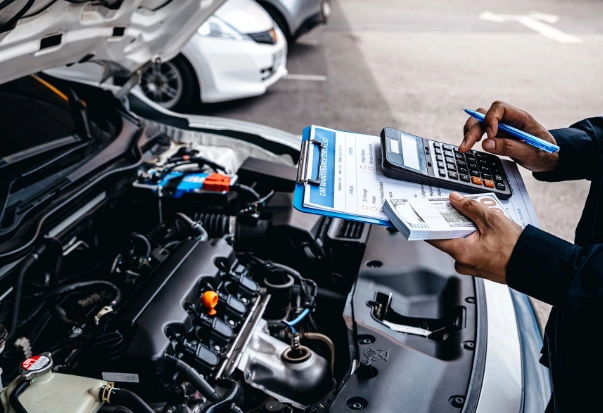
So you've gotten the car to a safe place. Now what? Let's talk money and time, because that's what everyone really wants to know next.
| Problem (Hydraulic System) | Typical Repair | Estimated Parts Cost | Estimated Labor Cost | DIY Difficulty |
|---|---|---|---|---|
| Low/Leaking Fluid | Top up fluid; find/fix leak | $10 - $50 (fluid + hose/clamp) | $100 - $300 (if leak repair is complex) | Easy to Moderate |
| Broken Serpentine Belt | Replace belt | $25 - $80 | $75 - $150 | Easy to Moderate |
| Failed Power Steering Pump | Replace pump, flush fluid | $150 - $400 | $200 - $400 | Moderate to Difficult |
| Leaking Steering Rack | Replace or rebuild rack | $300 - $800 (reman rack) | $400 - $800 | Difficult (Professional) |
| Problem (Electric System - EPS) | Typical Repair | Estimated Parts Cost | Estimated Labor Cost | DIY Difficulty |
|---|---|---|---|---|
| Blown Fuse / Bad Connection | Replace fuse, check wiring | $5 - $20 | $50 - $100 (diagnosis) | Easy (if just a fuse) |
| Failed Torque Sensor | Replace sensor, often requires column work | $200 - $500 | $300 - $600 | Difficult (Professional) |
| Failed EPS Motor or Control Module | Replace motor/module, reprogramming may be needed | $400 - $1000+ | $300 - $600 | Very Difficult (Professional) |
Seeing those numbers makes you think twice about ignoring a small leak or a weird whine, doesn't it? A $20 bottle of fluid and an hour of your time can prevent a $1000 repair down the line. The National Highway Traffic Safety Administration (NHTSA) maintains databases on vehicle safety, and while power steering failure isn't always a direct recall item, systematic failures can lead to safety campaigns. It's worth checking your Vehicle Identification Number (VIN) on their site for any related bulletins.
The big takeaway? The feasibility of driving without power steering is directly tied to the root cause. A simple fluid top-up might get you assist back temporarily to drive to a shop. A broken belt means you're driving without assist AND risking battery drain if the alternator isn't spinning. A failed electric motor means you're walking until it's fixed.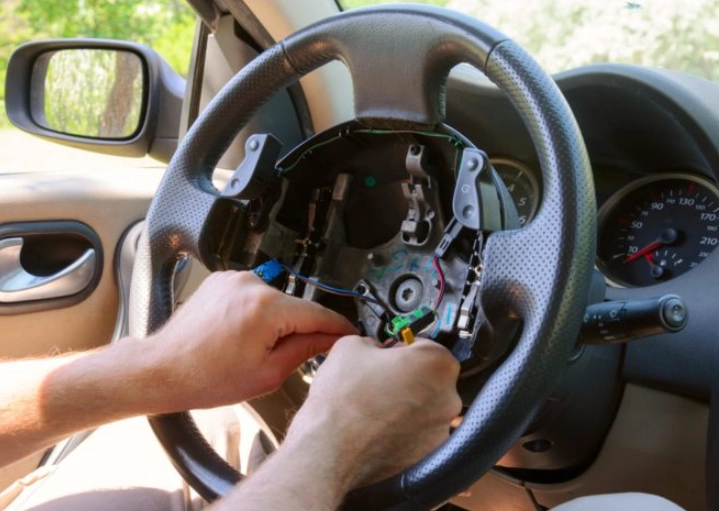
Frequently Asked Questions (FAQs)
- You can put excessive strain on the steering rack, universal joints in the steering column, and even the front suspension components, potentially leading to premature wear or failure.
- In hydraulic systems, running the pump dry or with low fluid will destroy it quickly from internal friction and heat.
- As mentioned, you're more likely to curb your tires or wheels fighting the steering.
So, the act of driving itself while answering "yes" to can you still drive a car if the power steering goes out is actively harmful.
Final Verdict and Smart Next Steps
Let's wrap this up with a clear, actionable conclusion.
The central question of this entire article, "can you still drive a car if the power steering goes out," has been explored from every angle. The physical capability is there, but the practical and safe answer is to limit that driving to the absolute minimum distance required to reach a secure, stopped location.
Your Action Plan Summarized:
- Don't Panic, Do Secure: Grip the wheel, use hazards, and safely navigate to the nearest secure stopping point off the main road.
- Diagnose Basic Checks: Is it hydraulic? Check the fluid level and belt. Is it electric? Check for warning lights and consider the fuse (consult your manual).
- Make the Safe Choice: If a simple fix (fluid, fuse) doesn't immediately and reliably restore normal operation, your best move is to call for a tow truck. The cost of a tow is almost always less than the potential cost of an accident or further mechanical damage.
- Get it Fixed Properly: Have a qualified mechanic diagnose the root cause. Use the cost tables above as a rough guide for budgeting.
Modern cars have made us forget what manual steering feels like. We take that effortless control for granted. When it disappears, it's a stark reminder of how much we rely on these systems. Treat its failure with the seriousness it deserves. Your safety, and the safety of others on the road, depends on it.
I learned my lesson the hard, sweaty, arm-aching way. Hopefully, with this guide, you won't have to.