What You'll Learn in This Guide
Let's cut to the chase. Defensive driving isn't just a buzzword from driver's ed—it's the difference between getting home safely and becoming a statistic. I've spent over a decade coaching drivers, and the biggest flaw I see is complacency. People think they're safe because they've never crashed, but that's luck, not skill. The roads are wilder now, with more distractions and unpredictable behavior. This guide will show you how to take control, not just react.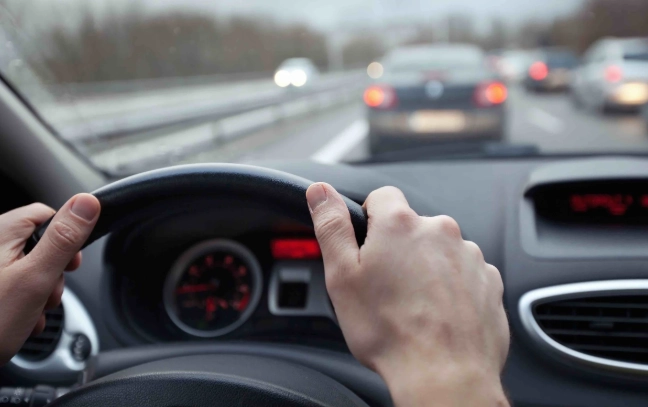
What Defensive Driving Really Means (Beyond the Basics)
Most definitions sound like a textbook: "driving to save lives, time, and money." True, but shallow. Defensive driving is a mindset of proactive paranoia. You assume everyone else might make a mistake, and you're ready for it. It's not about being timid; it's about being prepared.
The National Highway Traffic Safety Administration (NHTSA) reports that 94% of crashes involve human error. Defensive driving targets that gap. Think of it as a chess game where you're always three moves ahead.
I remember a student who avoided a multi-car pileup on the interstate. She saw brake lights four cars ahead because she was scanning far down the road, not just staring at the bumper in front. That's defensive driving in action—anticipation over reaction.
The Mindset Shift You Need
Drop the "right of way" mentality. Legally, you might have it, but if a driver runs a red light, your right of way won't prevent a collision. Defensive drivers yield even when they're correct, because being right isn't worth a hospital visit.
Core Defensive Driving Techniques That Actually Work
Forget vague advice like "be careful." Here are techniques you can practice today.
1. The 12-Second Eye Lead
This is huge. Most drivers look 2-3 seconds ahead. Push it to 12-15 seconds. On the highway, that's about a quarter mile. Scan for stalled cars, debris, or erratic drivers. It gives you time to plan lane changes or slow down gradually.
Try it next time you drive. Pick a landmark ahead and count how long it takes to reach it. If it's under 10 seconds, you're too focused on the short game.
2. Space Cushion Mastery
Maintain a bubble around your car. Front, back, sides. The three-second rule is a start, but in bad weather, make it five seconds. Here's a table to break it down: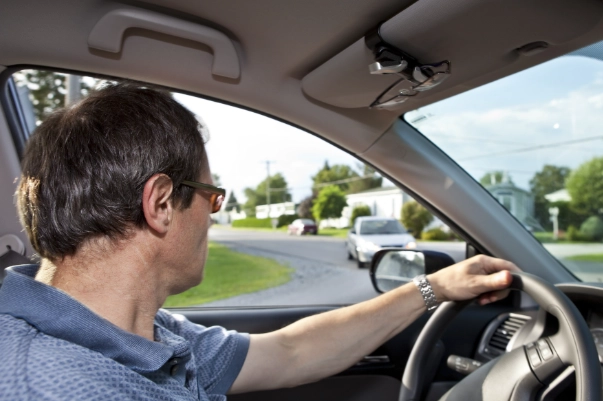
| Scenario | Recommended Following Distance | Why It Matters |
|---|---|---|
| Dry highway, daylight | 3 seconds | Enough time to react if the car ahead brakes hard. |
| Heavy rain or fog | 5-6 seconds | Reduced visibility and longer stopping distances. |
| City traffic, stop-and-go | At least one car length | Prevents being pushed into the car ahead if rear-ended. |
| Tailgater behind you | Increase front gap to 4 seconds | Creates a buffer zone in case you need to brake suddenly. |
Side spaces matter too. Avoid driving in other drivers' blind spots. If you can't see their mirrors, they can't see you.
3. Communicate Clearly (But Don't Trust Others To)
Use turn signals early—not as you're turning. Make eye contact with pedestrians at crosswalks. But here's the non-consensus part: assume your signals are ignored. I've seen drivers signal left and turn right. So, wait for physical proof like wheel movement before you proceed.
Personal tip: At intersections, I always pause an extra second after the light turns green. A quick left-right glance has saved me from red-light runners more times than I can count. It feels slow, but it's smarter.
Common Mistakes Even Good Drivers Make
We all have blind spots in our habits. Here are subtle errors that creep in.
Over-reliance on technology: Backup cameras and blind-spot monitors are aids, not replacements. I've tested drivers who stopped checking mirrors because the car beeped—that's a disaster waiting to happen. Sensors can fail or miss cyclists.
Driving on autopilot: Familiar routes breed complacency. You zone out, miss new hazards like construction zones. Shake it up by consciously noting three potential risks each trip—a parked car with someone inside, a kid near the curb, whatever.
Ignoring weather prep: Defensive driving starts before you turn the key. In winter, clear all snow from windows and roof. That sheet flying off at speed can blind the driver behind you. It's a small act with big safety implications.
Should You Take a Defensive Driving Course?
Short answer: yes, especially if your last one was pre-smartphone era. Courses have evolved. They now cover distracted driving, handling road rage, and even how to interact with autonomous vehicles.
The American Automobile Association (AAA) offers courses that mix online modules with in-car practice. I recommend the in-person ones for the feedback. You might think you're great at scanning, but an instructor can point out gaps.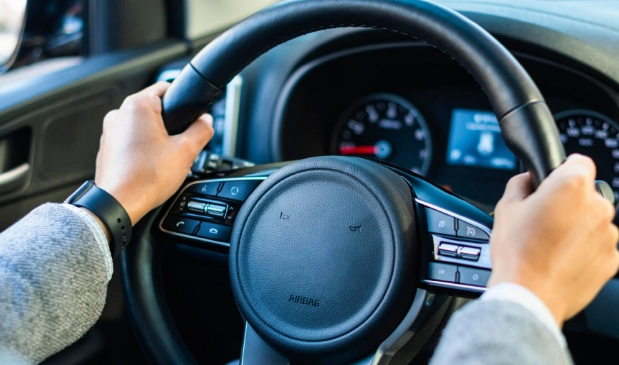
Cost ranges from $30 to $100, often offset by insurance discounts of 5-10%. But the real value is habit reset. One student realized she was gripping the wheel too tight, causing fatigue and slower reactions. A simple adjustment made her drives calmer.
Look for courses certified by your state's DMV or organizations like the National Safety Council. Avoid cheap online ones that just click-through slides—they're often insurance mills with little practical impact.
Your Burning Questions Answered
Defensive driving isn't a one-time lesson. It's a skill you hone every mile. Start with one technique, like the 12-second scan, and build from there. The road doesn't forgive assumptions, but it rewards preparedness. Stay sharp out there.