Jump to What Matters
Let's be honest: car maintenance feels like a chore. You might glance at the oil light, shrug, and think "I'll get to it later." I've been there—back in 2018, I skipped a tire rotation, and it cost me $400 in uneven wear repairs. That's why I swear by a solid car maintenance checklist. It's not about being a gearhead; it's about saving money and avoiding breakdowns. In this guide, I'll walk you through everything, from the basics most blogs miss to the sneaky stuff that can sneak up on you.
Why a Car Maintenance Checklist Isn't Optional
Think of your car like a pet. Ignore its needs, and things get ugly fast. The National Highway Traffic Safety Administration (NHTSA) reports that poor maintenance contributes to thousands of crashes yearly. But beyond safety, a checklist keeps your wallet happy. I've seen friends blow $2,000 on engine repairs because they forgot coolant changes. A simple list turns reactive panic into proactive care.
Here's the kicker: many drivers rely on the manufacturer's schedule alone. That's a start, but it's generic. Your driving habits—city commuting versus highway cruises—change everything. A checklist tailored to you catches issues early.
The Core Items on Your Car Maintenance Checklist
Don't overcomplicate this. Focus on these five areas. I've grouped them by priority, so you know what to hit first.
1. Fluids: The Lifeblood of Your Car
Oil isn't the only fluid that matters. Check these every month:
- Engine oil: Pull the dipstick, wipe it, reinsert, and check level and color. Dark, gritty oil means change it pronto. Most cars need changes every 5,000 to 7,500 miles, but my Honda Civic runs synthetic, so I stretch to 10,000—check your manual.
- Coolant: Look at the overflow tank when the engine is cool. If it's below the "min" line, top it up with a 50/50 mix. I learned the hard way: using plain water in summer led to overheating.
- Brake fluid: Should be clear or slightly yellow. Dark fluid? It might need flushing. The AAA recommends checking every two years, but if you brake hard often, do it yearly.
- Transmission fluid: Often ignored. Check with the engine warm and running on level ground. Pinkish is good; brown or burnt smell means trouble.
2. Tires and Brakes: Safety First
These can fail silently. Monthly inspections are non-negotiable.
Tire pressure: Use a gauge when tires are cold. Underinflation kills fuel economy—I saved 5% on gas just by keeping mine at the doorjamb sticker's PSI. Don't forget the spare!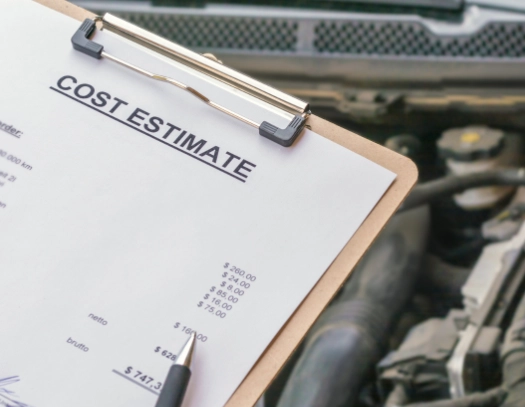
Tread depth: The penny test works: insert a penny upside down into tread. If you see Lincoln's head, replace tires. For better accuracy, a tread depth gauge costs $5.
Brake pads and rotors: Listen for squealing or grinding. Peek through the wheel spokes; pads should have at least 1/4 inch of material. Thin pads wear down rotors, doubling repair costs.
3. Lights and Battery: Avoid Getting Stranded
Test all lights monthly—headlights, brake lights, turn signals. A burnt-out bulb can get you a ticket. For the battery, clean terminals with baking soda and water to prevent corrosion. Most batteries last 3-5 years; if yours is older, get it tested free at an auto parts store.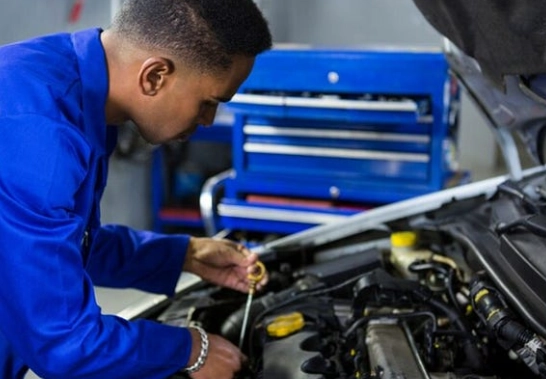
4. Belts and Hoses: The Silent Failures
Open the hood and inspect serpentine belts for cracks or fraying. Press hoses; they should be firm, not spongy. A broken belt can leave you stranded. I replace mine every 60,000 miles, but visual checks catch early wear.
5. Filters: Breathe Easy
Air filters affect engine performance. Hold it up to light; if you can't see through, replace it. Cabin filters improve air quality—change them yearly, especially if you have allergies.
How to Actually Perform These Checks (Without a Mechanic)
You don't need fancy tools. Here's a realistic Saturday morning routine:
Start with a cold engine. Grab a flashlight, gloves, and that logbook. Check fluids first—oil, coolant, brake fluid. Then, walk around the car: tire pressure, tread, lights. Pop the hood again for belts and hoses. It takes 20 minutes tops.
I integrate this with my gas station visits. While fueling, I quickly check lights and tire pressure. Multitasking saves time.
For deeper checks, like brake pads, jack up the car safely using stands—never rely on just the jack. If you're uneasy, many shops offer free inspections. But knowing the basics lets you spot when they're upselling.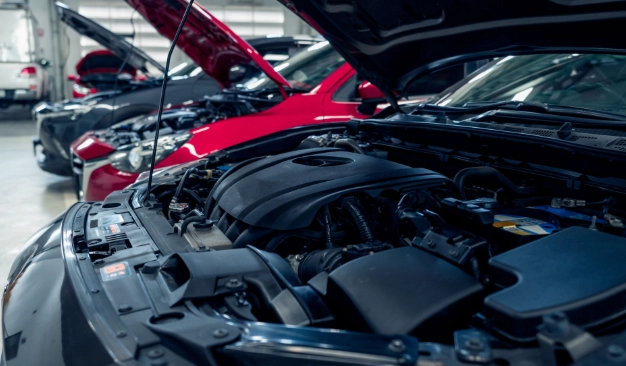
Seasonal Tweaks to Your Maintenance Routine
Your checklist should adapt. Here's a quick seasonal add-on:
| Season | Extra Checks | Why It Matters |
|---|---|---|
| Winter | Antifreeze concentration, wiper blades, battery health | Cold strains the battery; weak antifreeze can freeze. |
| Summer | AC performance, coolant level, tire pressure (heat affects it) | Overheating is common; proper AC prevents fatigue. |
| Spring/Fall | Alignment check, cabin filter, brake inspection | Seasonal transitions highlight wear from extreme weather. |
In winter, I always keep an emergency kit—blankets, jumper cables—because even with a checklist, surprises happen.
The One Mistake Most Drivers Make (And How to Avoid It)
Here's my non-consensus take: people focus too much on mileage intervals and ignore driving conditions. If you're stuck in stop-and-go traffic daily, your brakes and oil degrade faster than the manual says. The Car Care Council notes that severe driving—short trips, towing, extreme weather—requires more frequent checks.
My rule: halve the recommended interval for oil changes and brake inspections if you drive in cities like New York or Los Angeles. It sounds excessive, but I've seen engines sludge up at 50,000 miles from neglect. Listen to your car; odd noises or sluggishness are clues.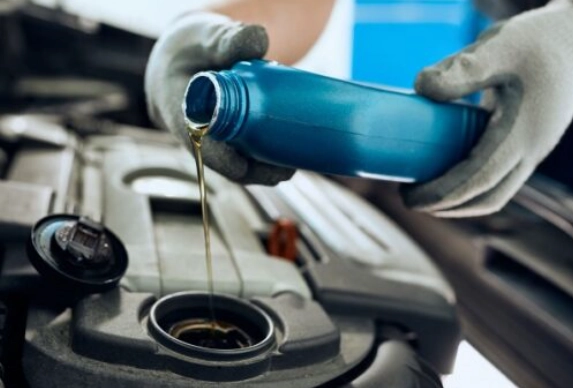
Another pitfall: using cheap parts. A $10 air filter might seem fine, but it can restrict airflow. Stick with reputable brands—I prefer OEM or certified aftermarket parts for critical items.
Real Questions from Drivers Like You
Wrap this up, and you've got a system that works. Start today: grab a notepad, run through the checklist, and adjust for your driving. Your car will thank you with fewer headaches and more miles. Remember, maintenance isn't about perfection; it's about consistency. Miss a check? No sweat—just get back on track. Happy driving!