That moment you see the temperature gauge needle creeping into the red zone, or a warning light glowing on your dashboard—it’s a sinking feeling. Your engine is overheating. It’s not just a minor inconvenience; it’s a mechanical emergency. But what actually happens inside your engine when it gets too hot? The consequences range from a simple scare to a repair bill that can total your car. I’ve seen both outcomes, and the difference usually comes down to how you react in those first critical minutes.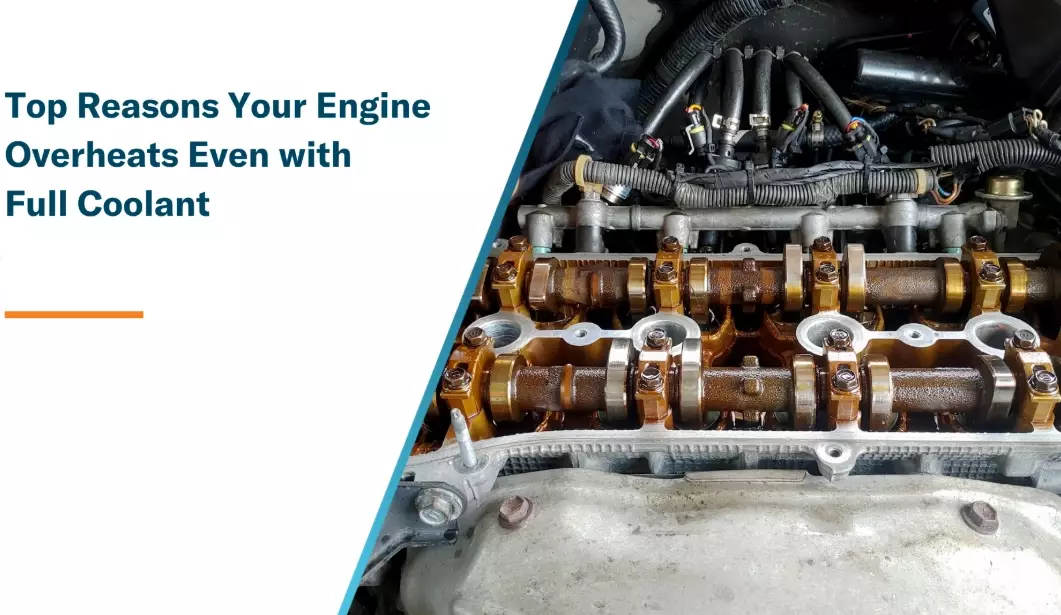
Let’s cut through the panic. An engine overheating means its internal temperature has exceeded its safe operating range, typically above 240°F (116°C). The cooling system, which is supposed to manage this heat, has failed. What happens next depends on how high the temperature goes and for how long.
In This Guide: What You’ll Learn About Engine Overheating
Immediate Signs Your Engine Is Overheating
Your car will scream for help before it seizes up. Don’t ignore these warnings.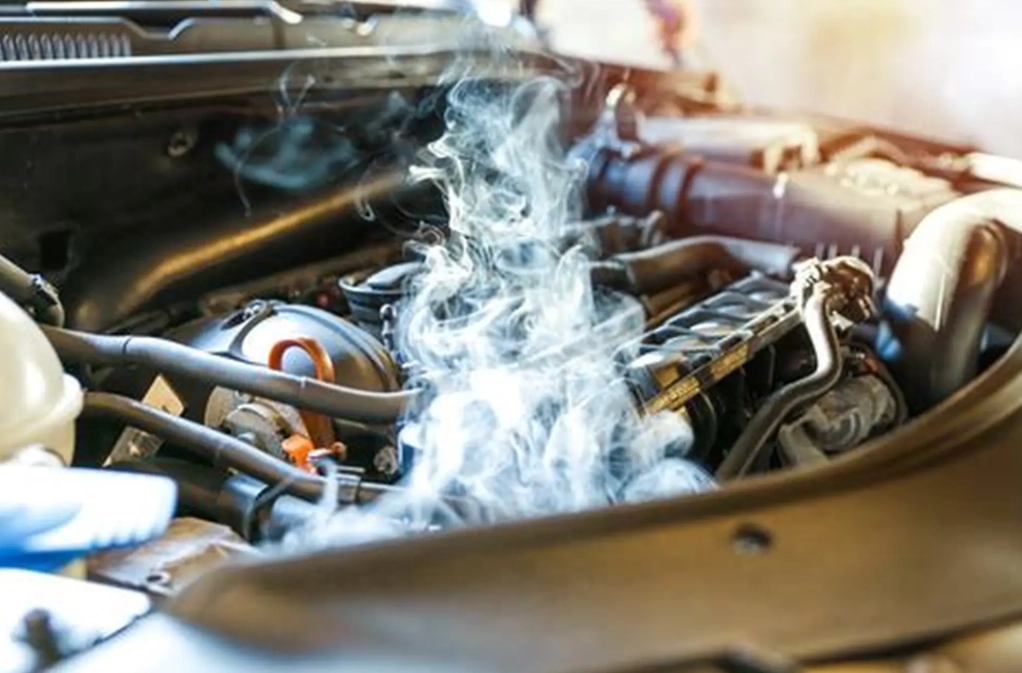
The Temperature Gauge is your primary indicator. Needle in the red? That’s your first solid clue. Some modern cars replace the gauge with a blue “cold” light that goes off and a red “hot” light that comes on. If that red light illuminates, treat it with the same urgency.
Steam (or Sweet-Smelling Smoke) from the Hood. This is often the most dramatic sign. It looks like smoke, but it’s usually coolant vaporizing from a leak and hitting hot engine parts. That sweet, syrupy smell is your antifreeze burning off.
Reduced Engine Power or Strange Noises. As metals expand beyond their tolerances, you might hear knocking, pinging, or even a loud “clunk” from the engine bay. The car might feel sluggish or refuse to accelerate properly as the computer tries to protect the engine by limiting power.
Here’s a subtle mistake I see all the time: People think if the steam stops, the problem is fixed. It’s not. The steam stopped because you ran out of coolant. The engine is still critically hot and now has zero cooling capacity. This is when catastrophic damage is minutes away.
What to Do When Your Car Overheats (Step-by-Step Guide)
Your actions in the next 60 seconds matter more than anything else. Here’s the exact sequence I follow and recommend.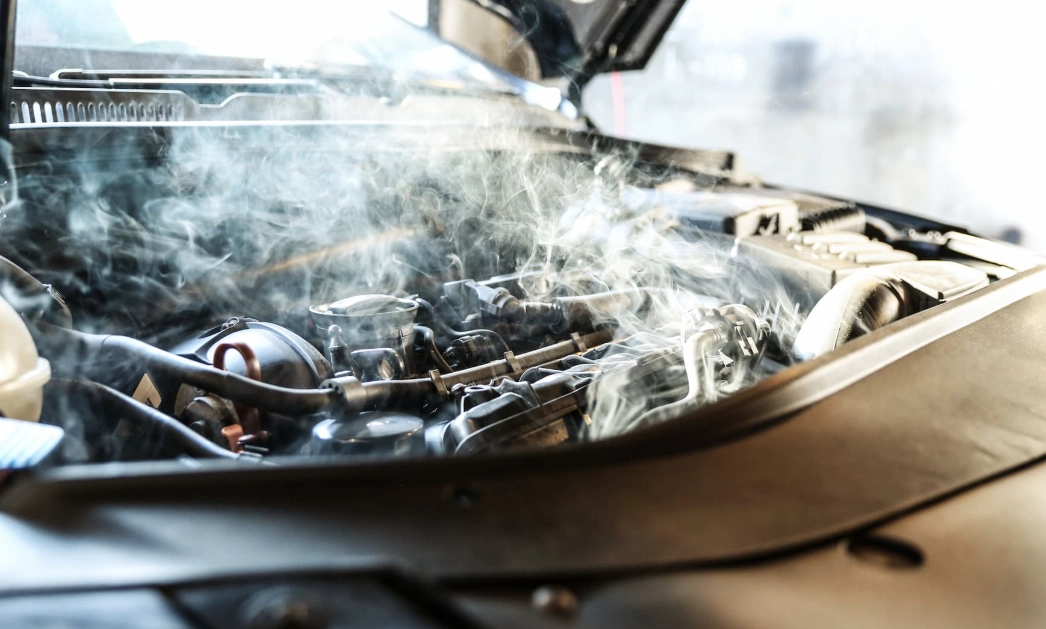
- Turn Off the Air Conditioning and Turn On the Heater. Sounds crazy, right? But your car’s heater core is a small radiator. Blasting the heat on max pulls heat away from the engine and into the cabin. It’s a temporary but effective lifeline. Roll down the windows and sweat it out.
- Find a Safe Place to Pull Over Immediately. Don’t try to “make it home” or to the next exit. The stress of driving adds more heat. Get off the road completely.
- Shut Off the Engine. This stops the internal combustion that’s generating all the heat. Let the car sit. Do not, under any circumstance, open the radiator cap while the engine is hot. The pressurized system will erupt, spraying scalding coolant everywhere. This is a severe burn risk.
- Call for Help. This is a job for a tow truck, not a hopeful drive to the shop. Even if the temperature gauge drops back to normal after 30 minutes, the underlying problem hasn’t vanished. Driving it risks immediate re-overheating.
Can You Add Coolant on the Side of the Road?
Maybe, but only if you know what you’re doing and the engine has cooled COMPLETELY—we’re talking waiting over an hour. Feel the upper radiator hose. If you can’t comfortably squeeze it, it’s too hot. Use a thick rag to slowly twist off the coolant reservoir cap (not the radiator cap), and top it up with a 50/50 coolant-water mix if you have it. This might get you to a repair shop a couple miles away, but towing is still the safer bet.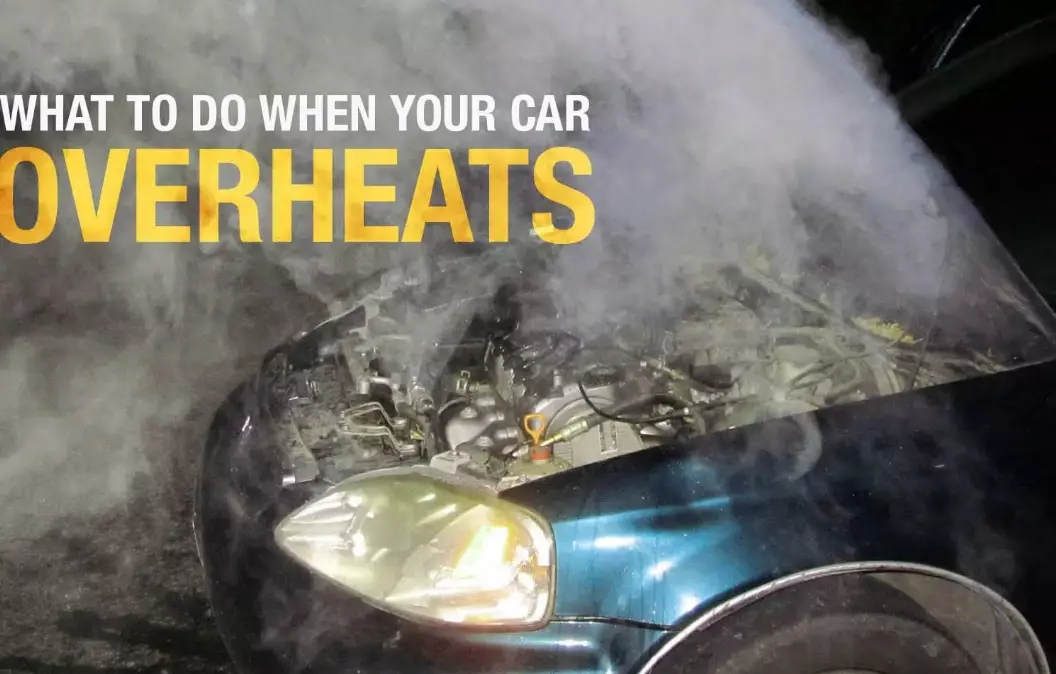
Why Did My Car Overheat? 7 Common Culprits
Fixing an overheating problem means finding the root cause. Here are the usual suspects, from most to least common in my experience.
Coolant Leak: This is the king of causes. A leaky hose, a cracked radiator, a failing water pump seal, or a blown head gasket can all drain your cooling system. Low coolant means nothing to transfer heat away.
Faulty Thermostat: This valve regulates coolant flow. If it gets stuck closed, coolant can’t circulate to the radiator to cool down. It’s a cheap part that causes expensive problems.
Water Pump Failure: The pump is the heart of the cooling system. If its impeller blades break or its bearing fails, coolant circulation stops. You might hear a whining or grinding noise from the front of the engine before it overheats.
Clogged Radiator: Debris like bugs, leaves, or dirt blocking the external fins, or internal corrosion blocking the tubes, prevents air from cooling the fluid inside.
Radiator Fan Failure: Electric fans or clutch-driven mechanical fans that don’t engage at low speeds or when the A/C is on. You’ll often notice overheating in traffic that goes away on the highway (where airflow takes over).
Broken Serpentine Belt: This belt drives the water pump. If it snaps, the pump stops instantly. You’ll also lose power steering and your battery warning light will come on.
Severely Low Oil Level: Engine oil doesn’t just lubricate; it also carries away a massive amount of heat. Critically low oil can contribute to overheating, though it’s usually accompanied by other symptoms first.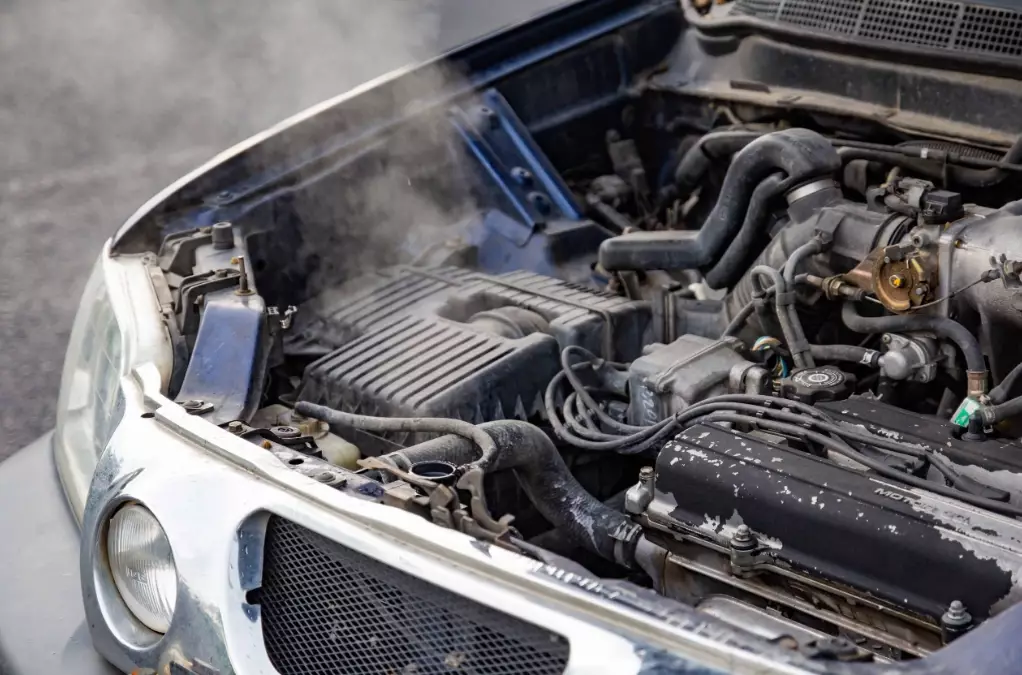
The Real Cost: Potential Engine Damage from Overheating
Let’s talk about what you’re trying to avoid. Heat destroys engine components in a specific, expensive order.
Personal Case: A friend once drove his truck about 2 miles with the temperature gauge pegged. He said “it seemed fine after it cooled down.” A week later, white smoke poured out the exhaust. The repair? A blown head gasket, warped cylinder head, and three cracked pistons. The bill was more than the truck’s value. That short drive killed the engine.
1. Blown Head Gasket: This is the most common major damage. The head gasket seals the cylinder head to the engine block. Extreme heat makes the aluminum cylinder head expand more than the iron block, warping it and crushing or blowing out the gasket. Symptoms include white exhaust smoke, coolant in the oil (looks like a chocolate milkshake), and bubbles in the coolant reservoir.
2. Warped or Cracked Cylinder Head: As mentioned, aluminum warps under excessive heat. A warped head won’t seal, even with a new gasket. It must be machined flat or replaced.
3. Cracked Engine Block: The worst-case scenario. The main structure of the engine cracks from thermal stress. This often means a complete engine replacement or a very complex, expensive weld repair.
4. Damaged Pistons and Cylinder Walls: Pistons can expand so much they scuff or “seize” against the cylinder walls, scoring them permanently. Rings can lose tension. This leads to massive oil consumption, loss of compression, and poor performance.
5. Oxidized and Sludged Oil: Extreme heat breaks down engine oil, turning it into a thick, abrasive sludge that can’t lubricate. This causes accelerated wear in bearings, camshafts, and valvetrain components.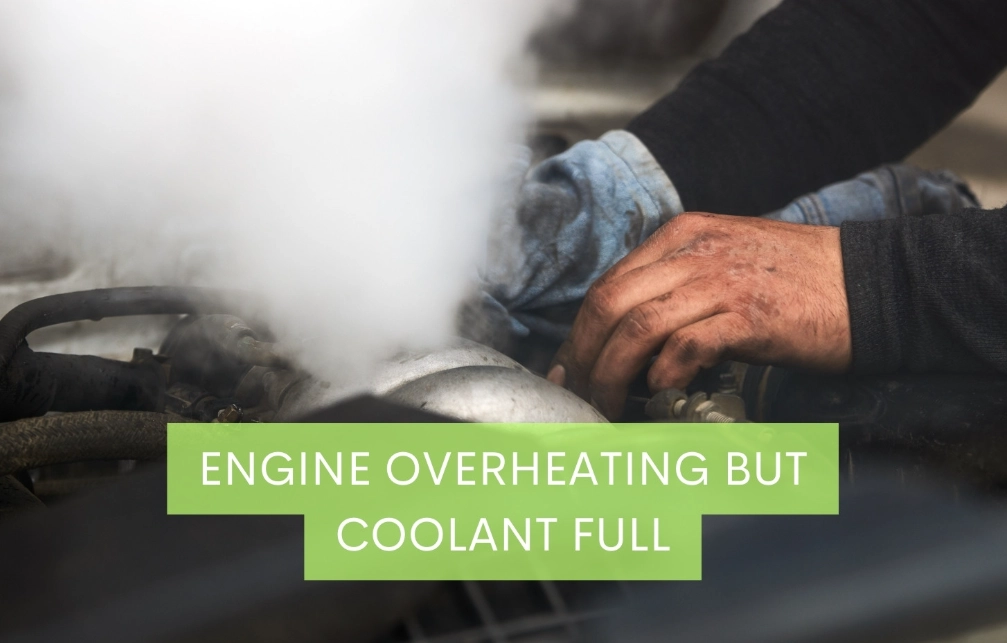
| Type of Damage | Typical Repair Cost Range (Parts & Labor) | Is the Car Still Drivable? |
|---|---|---|
| Thermostat Replacement | $150 - $400 | No, until fixed. |
| Radiator Replacement | $500 - $1,000 | No, until fixed. |
| Water Pump Replacement | $400 - $900 | No, until fixed. |
| Blown Head Gasket Repair | $1,500 - $3,500+ | Absolutely not. |
| Cracked Cylinder Head/Engine Block | $3,000 - $7,000+ (or engine replacement) | No. Engine is destroyed. |
How to Prevent Engine Overheating for Good
Prevention is infinitely cheaper than repair. Make these checks part of your routine.
Regular Coolant Checks and Flushes. Check the coolant level in the overflow reservoir monthly when the engine is cold. It should be between the “MIN” and “MAX” lines. Follow your owner’s manual for flush intervals—usually every 30,000 to 60,000 miles. Old coolant loses its anti-corrosion and lubricating properties, leading to clogs and pump failure. The SAE International has standards for coolant, but using the type specified in your manual is more important than chasing the “best” brand.
Inspect Hoses and Belts Annually. Look for cracks, bulges, or soft spots in radiator and heater hoses. Check the serpentine belt for cracks, fraying, or glazing. A simple visual inspection can catch a problem before it leaves you stranded.
Keep the Radiator Clean. Gently spray water through the radiator fins from the engine side out (after it’s cool) to wash out bugs and debris. Be careful not to bend the delicate fins.
Listen for Early Warning Noises. A whining sound from the water pump area or a loud, roaring fan that never cycles off can signal impending failure.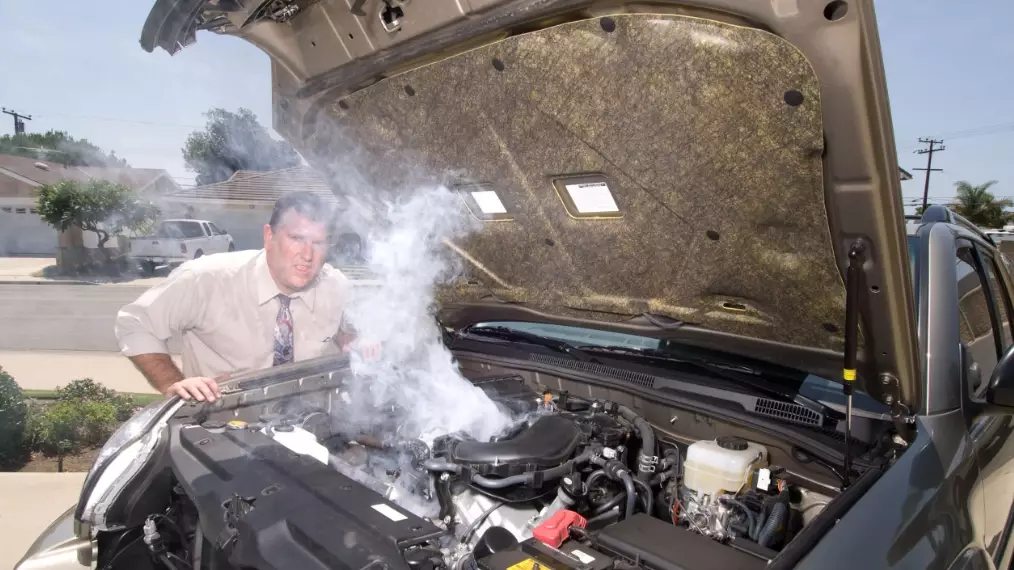
Your Overheating Engine Questions Answered
 The overheating only happens when I’m idle or in traffic. What does that mean?