In This Guide
- Why Bother? The High Stakes of Skipping a Transmission Fluid Check
- The Great Debate: Hot or Cold? Engine Running or Off?
- The Step-by-Step Transmission Fluid Check (For a Typical Automatic)
- Reading the Signs: It's Not Just About the Level
- Special Cases: Not All Transmissions Are Created Equal
- Top Mistakes to Avoid During Your Transmission Fluid Check
- Your Transmission Fluid Check Questions, Answered
- Final Thoughts: Making the Transmission Fluid Check a Habit
Let's be real for a second. When you think about car maintenance, what pops into your head? Probably oil changes, maybe tire rotations. The transmission fluid check? That's often the forgotten stepchild, lurking under the car, out of sight and out of mind. Until it isn't.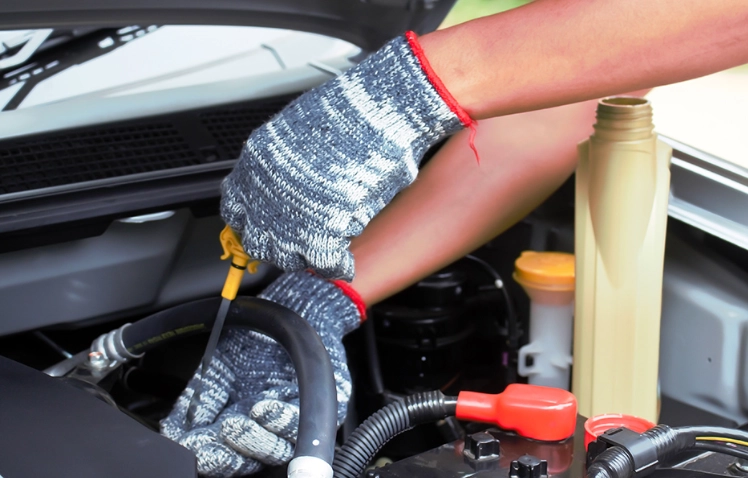
I learned this the hard way. Years ago, I had a sedan that started shifting a bit rough. I ignored it, thinking it was just getting old. Big mistake. That "bit rough" turned into a full-on shudder, and before I knew it, I was facing a repair bill that cost more than the car was worth. The mechanic's first question was, "When was the last time you checked the transmission fluid?" My blank stare said it all.
That experience cost me a lot of money and taught me a brutal lesson. A simple transmission fluid check could have saved it all. It's not just about adding fluid; it's a diagnostic window into the health of your car's second-most-expensive component (right after the engine). Getting it wrong isn't an option.
So, let's ditch the intimidation. This isn't a secret ritual for certified mechanics. With the right guide—this guide—you can confidently perform a transmission fluid check yourself. We'll walk through why it's critical, the exact steps for your type of car, how to interpret what you see (and smell), and the pitfalls that can turn a simple check into a costly error.
Why Bother? The High Stakes of Skipping a Transmission Fluid Check
Think of transmission fluid as the lifeblood of your gearbox. It's not just a lubricant. In an automatic transmission, it's a hydraulic fluid that creates the pressure needed to engage gears. It cools. It cleans. It protects metal surfaces from wearing each other down.
When the fluid level is low or the quality deteriorates, bad things happen. Friction increases. Temperatures soar. Components start to grind. The result? Slipping gears, delayed engagement (that scary pause when you shift from Park to Drive), rough shifts, whining noises, and eventually, complete transmission failure.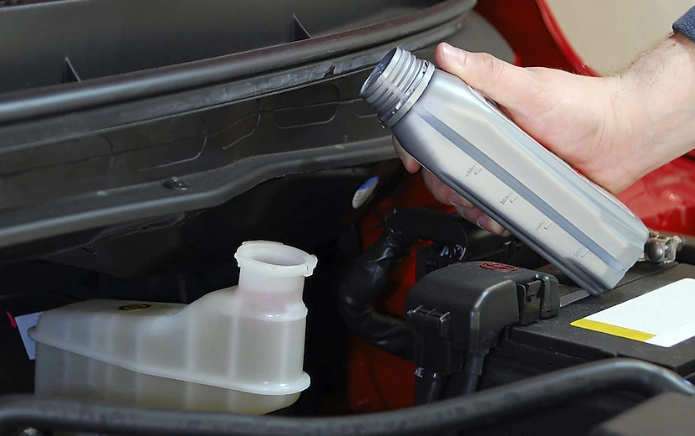
The American Automobile Association (AAA) consistently lists neglected maintenance as a top cause of major vehicle repairs. A transmission overhaul or replacement can easily run between $3,000 and $7,000. Compare that to the cost of a quart of fluid and 10 minutes of your time for a check.
A regular transmission fluid check is the cheapest insurance policy you can buy for your car.
The Great Debate: Hot or Cold? Engine Running or Off?
Here's where things get confusing, and where most online guides give you one blanket rule that might be wrong for your car. The correct procedure for a transmission fluid check depends entirely on your vehicle's make, model, and transmission type. Using the wrong method will give you a false reading, which is worse than not checking at all.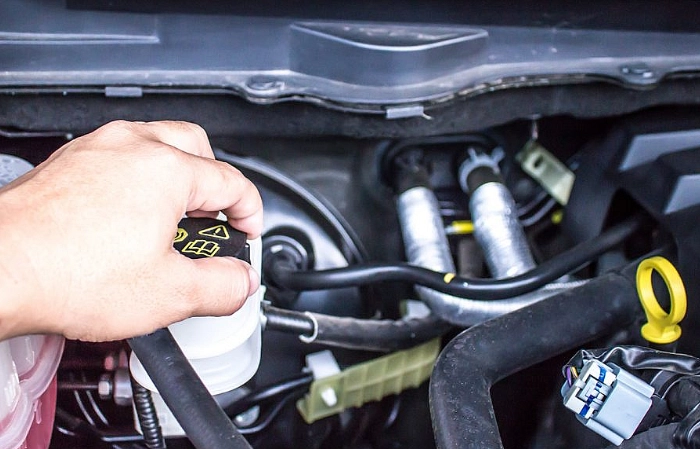
The Universal Truth: Your car's owner's manual is the final, undisputed authority. What I'm about to tell you are general guidelines, but you must verify the specific instructions for your vehicle in the manual. I can't stress this enough. If you don't have a physical copy, a quick online search for "[Your Car Year, Make, Model] owner's manual PDF" will usually find it.
That said, here are the general camps:
For Most Modern Automatic Transmissions
The most common procedure is to check with the engine warmed up and running, and the transmission in Park (or sometimes Neutral, again, check the manual!). The transmission needs to be at operating temperature because the fluid expands, and the pump needs to be circulating fluid to get an accurate level reading on the dipstick.
How do you get it warmed up? Drive for about 10-15 minutes, or until your engine's temperature gauge is in the normal middle range. Then park on a level surface. Leave the engine running.
For Some Older Cars and Many Manual Transmissions
Some older automatics and most manual gearboxes are checked with the engine off. Manual transmissions often have a fill plug on the side of the gearbox casing, not a dipstick. The level is correct when fluid is just barely trickling out of this hole.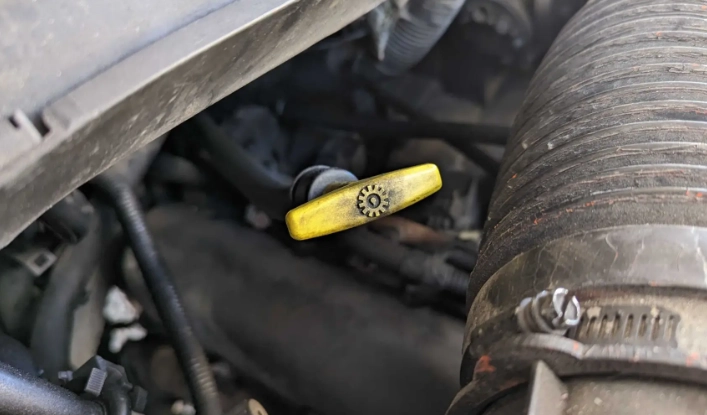
See the problem? One rule doesn't fit all. Assuming the "engine running" method for a car that requires it to be off will make the fluid level appear catastrophically low, leading to dangerous overfilling.
Bottom line: Know your car's rules before you start.
The Step-by-Step Transmission Fluid Check (For a Typical Automatic)
Assuming your manual calls for a warm, running engine check, here's the play-by-play. Gather a clean rag or paper towels, and maybe a pair of disposable gloves—the fluid can get hot.
- Prep the Vehicle: Drive to warm up the transmission. Park on a perfectly level surface. Engage the parking brake firmly. Leave the engine running. Shift through all gears (P-R-N-D-L) briefly, pausing in each, then return to Park. This circulates fluid through all the valve circuits.
- Locate the Dipstick: Pop the hood. The transmission dipstick is usually toward the back of the engine bay, closer to the windshield. It often has a brightly colored handle (red, yellow, or orange) labeled "Transmission" or "Trans Fluid." It is distinctly separate from the engine oil dipstick, which is usually further forward and labeled "Engine Oil." If you're unsure, your manual has a diagram.
- The First Pull – The Wipe: Pull the dipstick out fully. Wipe it clean with your rag from top to bottom. Reinsert it all the way back into its tube until it's fully seated. Wait a second.
- The Second Pull – The Reading: Pull it out again. This is your true reading. Now, look closely. The dipstick will have markings near the end: two holes, two lines, or a cross-hatched area labeled "COLD" and "HOT." Since your engine is warm, you're looking at the "HOT" range.
The fluid level should be within the marked "HOT" range, ideally near the top. If it's below the "ADD" or lower line, you're low. If it's above the top mark, you're overfilled—which is also bad, as it can cause foaming and overheating.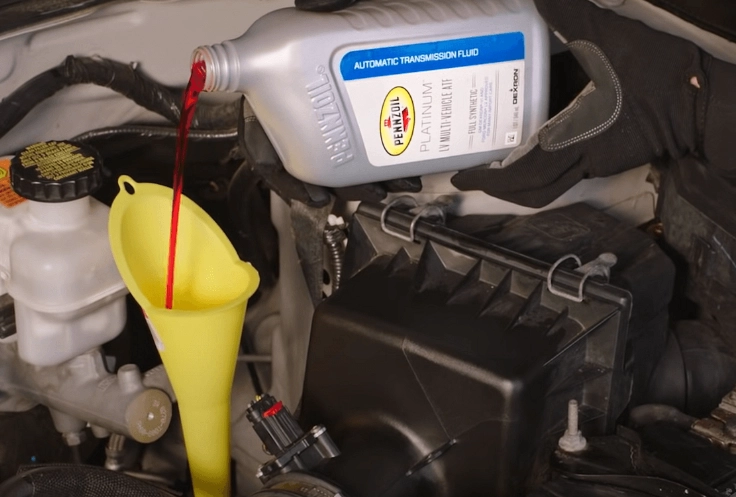
Pro Tip: Always perform the two-pull method (wipe, reinsert, then read). The first pull will often show fluid splashed up the tube, giving a false high reading. The second pull after reinsertion gives you the true, settled level in the pan.
Reading the Signs: It's Not Just About the Level
A proper transmission fluid check involves all your senses. The level is crucial, but the fluid's condition tells the story of what's happening inside the gearbox.
Color: The Tell-Tale Hue
New, healthy automatic transmission fluid (ATF) is typically a vibrant, translucent red (like cherry cough syrup). Some synthetic fluids or specific types for CVTs may be green, blue, or amber—check your manual. The key is clarity and brightness.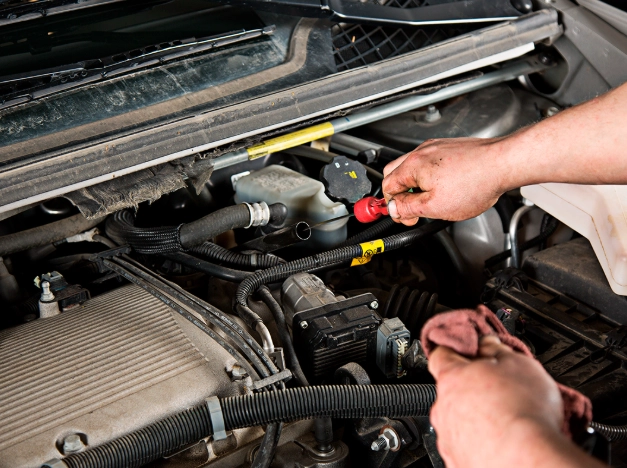
Here’s what the color change means:
- Bright Red/Amber: Excellent. Fluid is fresh or in good condition.
- Dark Red/Brown: This is normal aging. The fluid is doing its job, cleaning deposits. If it's just dark but still translucent, it's likely due for a change soon.
- Very Dark Brown or Black: Warning sign. The fluid is severely oxidized and has broken down. It has lost its protective properties and may contain excessive clutch material or other debris. A fluid change is urgent, but if the transmission is already misbehaving, changing old, burnt fluid can sometimes dislodge sludge and cause more problems. Tread carefully.
- Milky Pink or Frothy: Danger. This indicates coolant is mixing with the transmission fluid, usually via a leak in the transmission cooler (often inside the radiator). This mixture destroys the fluid's properties rapidly and can lead to quick transmission failure. This requires immediate professional repair.
Smell and Feel
Wipe the fluid from the dipstick onto a white paper towel.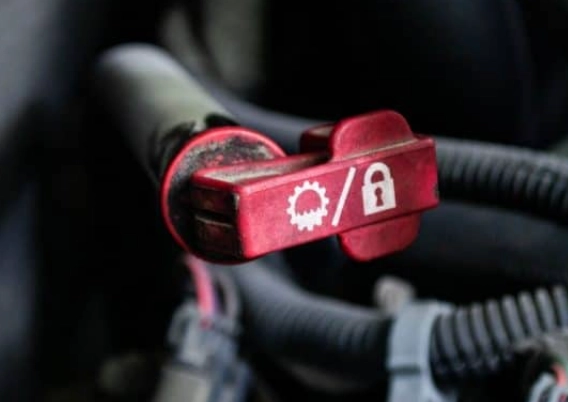
Smell it. Fresh ATF has a slightly sweet, almost oily smell. Burnt transmission fluid has a distinct, acrid, bitter smell—like burnt toast or overheated electrical components. A burnt smell is a major red flag, even if the color isn't terrible. It means the fluid has overheated.
Feel it. Rub it between your fingers (wear gloves). It should feel smooth and slick. If you feel grittiness or tiny metal particles, that's internal wear debris. Not a good sign.
"A burnt odor is the single most critical diagnostic clue from a transmission fluid check. It's an unmistakable sign of past or present overheating, which is the arch-nemesis of any automatic transmission."
Special Cases: Not All Transmissions Are Created Equal
The classic dipstick method is becoming less universal. Carmakers are sealing transmissions, claiming "lifetime fluid" (a term I'm deeply skeptical about—lifetime of the warranty, maybe). Here’s a quick guide to the exceptions.
| Transmission Type | Check Method | Key Points & Fluid Type | Common Check Interval (Est.) |
|---|---|---|---|
| Traditional Automatic (with Dipstick) | Dipstick (Hot/Running usually) | Uses ATF (Dexron, Mercon, etc.). The classic method described above. | Every oil change or 5k-10k miles. |
| Manual Transmission | Fill/Check Plug on side of gearbox. | Uses gear oil (75W-90, etc.), not ATF. Engine OFF, car LEVEL. Fluid should be level with bottom of plug hole. | Every 30k-60k miles (refer to manual). |
| CVT (Continuously Variable) | Often has a dipstick, but sometimes requires a scan tool to read fluid temp for precise level. | Uses specific, expensive CVT fluid. NEVER use standard ATF. Very sensitive to level and condition. | Strictly follow manual (often 60k miles). |
| Dual-Clutch (DSG, PowerShift, etc.) | Often sealed or has a check plug. Procedure is complex and often requires specific temperature monitoring. | Uses specific dual-clutch fluid. Service is usually a specialized dealer/mechanic task. | Service interval critical (e.g., VW DSG: 40k miles). |
| "Sealed" "Lifetime" Automatic | No dipstick. May have an overflow plug or require a professional with a pump and scan tool. | There is no such thing as lifetime fluid. Planned obsolescence? DIY check is very difficult or impossible. | Consider a professional fluid exchange at 60k-100k miles. |
If your car has a sealed transmission, don't despair. You can still ask a trusted mechanic to check the fluid level and condition during other services. The idea is to not let it go completely ignored for 150,000 miles.
Top Mistakes to Avoid During Your Transmission Fluid Check
I've made some of these. My friends have. Let's learn from them so you don't have to.
- Checking on an Unlevel Surface: This will skew the reading significantly. Find a flat parking spot.
- Using the Wrong Fluid: This is huge. Topping off with the incorrect type of fluid can damage seals, clutches, and valves. Your owner's manual specifies the exact fluid (e.g., "Mercon LV," "Toyota WS ATF"). Don't guess. A parts store can look it up for you.
- Overfilling: "A little extra can't hurt," right? Wrong. Excess fluid gets churned by the rotating gears, causing aeration (foaming). Foamy fluid doesn't transmit hydraulic pressure properly, leading to poor shifting, and it doesn't cool effectively, leading to overheating. It's a silent killer.
- Ignoring a Sudden, Major Leak: If your transmission fluid check shows it's very low, and you know it was fine recently, you have a leak. Common spots are the pan gasket, cooler lines, or the axle seals. A slow leak might let you top up and drive to a shop. A major leak means you shouldn't drive it at all—you risk burning up the transmission in miles.
- Changing Fluid on a Failing, High-Mileage Transmission: This is controversial. If a transmission with 150k miles has never had its fluid changed and is shifting fine, a fluid exchange (which replaces nearly all fluid) can sometimes dislodge varnish and debris, causing new slippage. In such cases, a simple drain-and-refill (which only replaces 30-50% of the fluid) or just topping up might be safer. If the transmission is already slipping or showing issues, changing the fluid is unlikely to fix it and may hasten its demise. Consult a trusted mechanic.
Your Transmission Fluid Check Questions, Answered
I make it a habit to do a quick visual level and color check with every other engine oil change. So, roughly every 5,000 to 10,000 miles. It takes two minutes once you know where the dipstick is. For manual transmissions, the interval is much longer (consult manual), but a visual inspection for leaks around the gearbox is always good.
Yes, but carefully. First, identify the correct fluid. Add a small amount (like 1/4 quart) through the dipstick tube using a long funnel. Re-check the level using the proper warm-engine procedure after driving for a few minutes to circulate the new fluid. Repeat until the level is in the middle of the "HOT" range. Never pour in a whole quart at once—it's easy to overfill.
Generally, no. The transmission case isn't designed for it. Your best bet is to have the level checked professionally. Some aftermarket solutions exist for certain models, but they're not common. The National Highway Traffic Safety Administration (NHTSA) recommends following the manufacturer's specified maintenance procedures, which for sealed units means professional service.
Great question. A drain-and-refill just opens the transmission pan drain plug (or drops the pan), drains what's in the pan (about 30-50% of total fluid), replaces the filter if accessible, and refills. It's gentle.
A flush uses a machine to push all the old fluid out with new fluid under pressure. It's comprehensive but can be harsh on older transmissions.
A fluid exchange (often what shops do) uses a machine that cycles new fluid in as old fluid is pumped out, replacing a high percentage (90%+) more gently than a flush. For most people with higher-mileage cars, a drain-and-refill or a professional exchange is the safer choice. Avoid quick-lube "power flushes" on older, unserviced transmissions.
This indicates the fluid has degraded from heat. The transmission has likely been stressed (heavy towing, stop-and-go traffic, a malfunctioning cooler). A fluid change is a good idea, but it's also a warning to change your driving habits and investigate potential causes of overheating. It might be wise to have a mechanic do a diagnostic scan for any transmission-related trouble codes.
Final Thoughts: Making the Transmission Fluid Check a Habit
Look, cars are complicated. But this one task—the humble transmission fluid check—is a powerful piece of self-reliance. It connects you to the mechanical heart of your vehicle in a way that listening to the radio never will.
It demystifies that looming fear of a sudden, wallet-emptying breakdown. You're no longer just hoping nothing goes wrong; you're actively monitoring and preventing it.
Start simple. Next time you're getting gas on a level surface, pop the hood after you shut off the engine (check it cold first, just for practice). Find that dipstick. Pull it, wipe it, smell it. Get familiar. That familiarity is the first step toward confidence and saving yourself a world of trouble.
Resources like Car and Driver's maintenance guides reinforce these practices for a reason. They work.
Your transmission doesn't ask for much. A few minutes of your attention every few months is all it needs to return the favor with years of smooth, reliable service. That seems like a pretty good deal to me.