Your Quick Guide
- What is a Fuel Filter Cross Reference, Really?
- Why Bother with a Cross Reference? Can't I Just Buy the Same Brand?
- The Secret Language: Understanding Part Numbers
- How to Do a Fuel Filter Cross Reference: A Step-by-Step Walkthrough
- The Best Tools for the Job: Online vs. Books
- When the Cross Reference Fails: Troubleshooting
- OEM vs. Aftermarket: The Eternal Debate Through the Cross-Reference Lens
- Fuel Filter Cross Reference FAQs (The Stuff You Actually Want to Know)
- The Final Check: Before You Buy or Install
- Wrapping It Up: Your Fuel Filter Cross Reference Action Plan
Let's be honest. You're here because you're staring at a fuel filter that needs replacing, and the part number on it might as well be ancient hieroglyphics. Or maybe you've got a brand name, but your local store doesn't carry it. You need a fuel filter cross reference, and you need it to work. Right now.
I've been there. I once spent an entire Saturday afternoon calling parts stores, trying to cross-reference a filter for an old lawn tractor. The guy on the phone kept saying "it should fit," which is parts-counter-speak for "I have no idea, but good luck." It didn't fit.
That frustration is exactly why I'm writing this. This isn't just another generic article. This is a deep, practical dive into how fuel filter cross reference really works. We'll go beyond the basic lookup and talk about why some swaps fail, how to read between the lines of a parts catalog, and how to be absolutely sure you're getting the right thing. Consider this your cheat sheet.
What is a Fuel Filter Cross Reference, Really?
At its core, a fuel filter cross reference is a translation. You're taking a part number from one manufacturer (say, a Fram G12) and finding its equivalent from another (like a Wix 33011 or a NAPA 1011). It's the key to unlocking options, finding better prices, or just getting the part you need when your usual brand is out of stock.
But it's not magic. It's a database built on real-world testing and specifications. When a company like Wix or Baldwin says their filter crosses to an OEM number, it means they've designed theirs to match the critical specs: thread size, port orientation, gasket diameter, micron rating (the size of particles it traps), and flow rate.
Why Bother with a Cross Reference? Can't I Just Buy the Same Brand?
You could. But there are some solid reasons to use a fuel filter lookup.
Maybe the OEM filter is crazy expensive. I've seen dealer-only filters cost three times what a quality aftermarket one does. A cross reference can find you that quality alternative.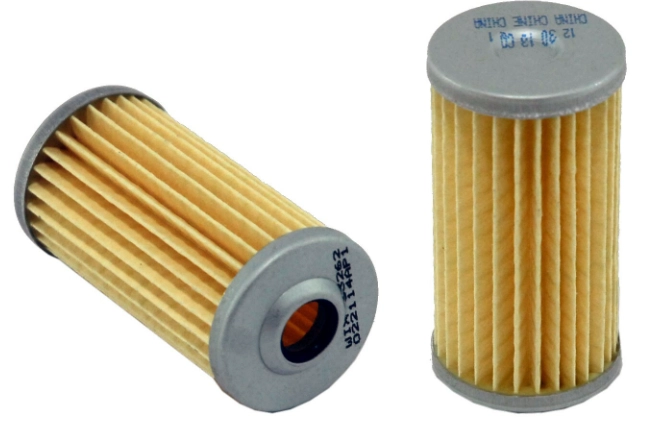
Maybe you're upgrading. Some aftermarket brands offer "premium" lines with higher dirt-holding capacity or water-separating features your original didn't have. A cross reference helps you find those upgraded options.
Or, most commonly, you just can't find the one you have. The store is out, it's discontinued, or you're in a pinch and need any compatible filter. That's when a reliable fuel filter cross reference becomes your best friend.
A Quick Reality Check
Not all crosses are created equal. Just because two filters share a thread size doesn't mean the internal valve (like an anti-drain back valve) is in the right place, or that the bypass pressure setting is correct for your engine. Blindly trusting the first result you get is a recipe for poor performance or even engine damage. We'll get into how to spot a bad cross later.
The Secret Language: Understanding Part Numbers
This is where most guides stop. They tell you to "just type the number in." But understanding what you're looking at makes you a smarter shopper.
OEM (Original Equipment Manufacturer) numbers are assigned by the vehicle maker (Ford, GM, Cummins). Aftermarket numbers are from parts companies (Fram, Mann, Donaldson). The cross-reference process links these two worlds.
Here’s a simple breakdown of common formats. It’s not exhaustive, but it helps you recognize what you have.
| Number Type | Looks Like | Who Makes It | Example |
|---|---|---|---|
| OEM Part Number | Often alphanumeric, sometimes long. | Vehicle Manufacturer (Ford, Toyota, John Deere) | Ford: FL-2016, Kubota: HH170-32430 |
| Aftermarket Number | Usually simpler numeric or alphanumeric codes. | Parts Brand (Wix, Baldwin, Fleetguard) | Wix: 33170, Baldwin: PF-7977 |
| Industry Standard | Sometimes prefixed with a standard code. | Can be used by multiple brands. | SAE J-? standards (less common for filters) |
See that Wix 33170? That's a classic. It's one of the most cross-referenced fuel filters out there for diesel applications. If you learn one, learn that one.
Funny how a simple number can open so many doors, isn't it?
How to Do a Fuel Filter Cross Reference: A Step-by-Step Walkthrough
Let's get our hands dirty. Here’s my preferred method, honed from trial and error.
- Get the Cleanest Number You Can. Wipe the filter. Use your phone's flashlight. That smudged "G" might be a "6." Write it down exactly, noting the brand. Take a picture.
- Start with the Manufacturer's Website. This is often the most reliable source. If you have a Baldwin filter, go to the Baldwin Filter cross-reference page. They have a vested interest in their crosses being correct. Same for Wix or Fram. They built the filter, so their database is the source.
- Use a Major Retailer's Portal. Sites like NAPA Online or O'Reilly Auto Parts have powerful lookup tools that pull from multiple catalogs. They're a great second opinion.
- Cross-Check the Cross. Found a match? Don't stop. Take the new part number you found (e.g., NAPA 3170) and plug it back into a different site. Does it lead you back to your original number or something in the same family? This circular verification catches a lot of errors.
- Verify the Specs (The Pro Move). If you're really unsure, or it's for a critical piece of equipment, find the specification sheet for both filters. Compare thread size, gasket dimensions, height, and port locations. A millimeter can be the difference between "fits" and "doesn't fit." The SAE International website is a resource for technical standards, though filter specs are usually on the manufacturer's site.
The Best Tools for the Job: Online vs. Books
Remember those massive interchange books at the parts store? Some old-timers still swear by them. They're offline and never have a loading screen, I'll give them that. But they're also updated yearly at best.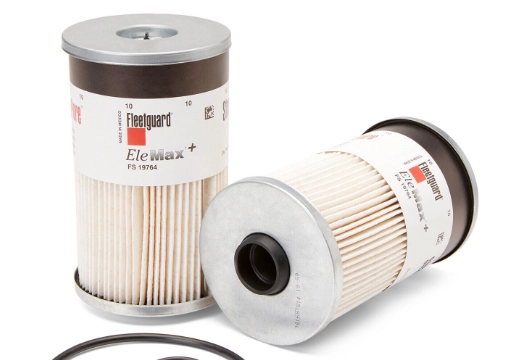
Online tools are where it's at now. They're updated constantly. Here's my quick ranking based on reliability and ease of use.
- The Gold Standard: Manufacturer Sites. As mentioned, Baldwin, Wix, Donaldson. They are the primary source. Their data is usually impeccable.
- The Workhorses: Major Retailer Sites. NAPA, O'Reilly, AutoZone. Incredibly convenient, aggregate data well. The "vehicle lookup" feature alongside part number lookup is a killer combo.
- The Specialist Hubs. For diesel and heavy-duty, sites like FleetFilter.com or DieselFiltersOnline.com are fantastic. They live and breathe this stuff.
- The Wild Card: General Parts Databases. Sites like PartTarget or even some eBay listings have cross-reference functions. Use these with caution—they can be outdated or crowd-sourced. Good for a hint, not for gospel.
When the Cross Reference Fails: Troubleshooting
It happens. You plug in the number and get zero results, or the one result looks completely wrong. Don't panic.
First, double and triple-check the number. Is that a '0' or a 'D'? Is it 'PH' or 'PH-'? A typo is the #1 cause of failure.
Try searching by vehicle. If the part number is a dead end, switch tactics. Use your vehicle's year, make, model, and engine size on a retailer site. Find the recommended filter for your specific application, then see what that filter crosses to. You're working backwards, but it gets you there.
Look for a supersession. Part numbers get updated. The old number is "superseded" by a new one. Sometimes the cross-reference tools haven't caught up. Search for "[Your Part Number] supersession" or call a dealer for that brand.
Measure the old filter. This is last-resort, hands-on detective work. Get a caliper. Note:
- Thread pitch and diameter (use a thread gauge if you can).
- Overall height and diameter.
- Port thread size (if it's a spin-on).
- Gasket inner/outer diameter.
With these physical specs, you can sometimes browse catalogs by dimension. It's tedious, but it works.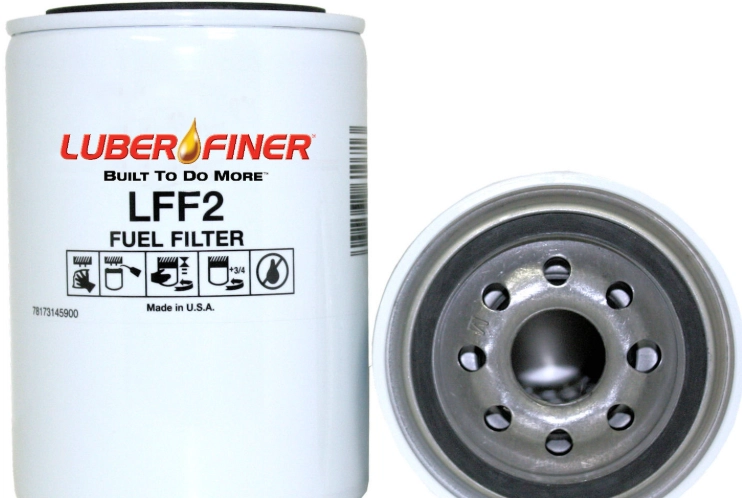
A Pro Tip from the Field
If you're stuck, find an online forum for your specific vehicle or engine (e.g., "Duramax Forum" or "7.3 Powerstroke Owners"). Those folks have done every swap imaginable. A search there for "fuel filter cross reference" for your model will likely yield a trusted community-vetted list. It's crowd-sourced wisdom at its best.
OEM vs. Aftermarket: The Eternal Debate Through the Cross-Reference Lens
Let's settle this. Is the OEM filter always better? Not necessarily.
The OEM filter is guaranteed to meet the manufacturer's original spec. That's its job. It's a safe, no-brainer choice.
But many aftermarket filters aren't just cheap copies. Companies like Fleetguard (who makes filters for Cummins) or Mann+Hummel are OEM suppliers themselves. Their aftermarket line is often identical or even improved. A proper fuel filter cross reference helps you identify these high-quality alternatives.
The real risk is with no-name, bottom-shelf filters. The cross might say they fit, but the filtration media might be subpar, the casing might be thin, or the valve might fail. The cross-reference tells you it will thread on; it doesn't guarantee it will protect your $10,000 fuel injection pump.
My rule? For common cars, a reputable aftermarket brand (Wix, Purolator, etc.) located via a solid cross-reference is perfectly fine. For modern, high-pressure diesel engines, I lean towards premium aftermarket (Baldwin, Donaldson, Fleetguard) or OEM. The cost of failure is just too high.
Fuel Filter Cross Reference FAQs (The Stuff You Actually Want to Know)
Let's shoot straight. Here are the questions I get asked all the time.
Are cross-referenced filters truly identical?
Physically interchangeable? Yes, if the cross is correct. Internally identical? Almost never. The housing will thread on, but the filter media composition, pleat count, and valve design can differ. This is why micron rating and efficiency matter. A good cross ensures compatibility, not necessarily 100% identical performance.
Can I use a cross-reference to upgrade my filter?
Absolutely! This is a smart move. Say your OEM filter is a basic 10-micron filter. A cross-reference might show you a Baldwin filter with a 5-micron rating and a water separator for the same application. That's an upgrade. Just make sure your fuel pump can handle the potentially higher restriction of a finer filter.
Why do prices vary so much for the same cross-referenced part?
Brand reputation, marketing, distribution costs, and the actual quality of materials. A Fram and a Wix might cross to the same number, but they use different media blends. Also, retailers have different markups. Always check the specs, not just the price.
What's the biggest mistake people make with fuel filter lookups?
Assuming "fits" means "is optimal for." They grab the cheapest option on the list without checking if it's the correct micron rating for their engine. Putting a 30-micron filter where a 10-micron is specified will let damaging particles through. The U.S. Environmental Protection Agency (EPA) even has guidelines on maintenance for emission-controlled systems, which includes proper filtration. Using the wrong filter can affect more than just your engine.
My filter has no number. Am I doomed?
Not doomed, just in for a challenge. Go straight to the vehicle lookup method. If it's for obscure equipment, the measurement method is your friend. Also, post a clear picture on a relevant forum. Someone will recognize it.
The Final Check: Before You Buy or Install
You've done your fuel filter cross reference. You've found a match. Hold on one second.
Do a visual comparison if you can. Many online listings have dimension drawings or photos next to a ruler. Does the shape match? Are the ports in the same spot?
Check for any special features on your old filter. Is there a water sensor port? A heater element? A special coating? Your cross-referenced replacement needs to have these, or you need an adapter plan.
Finally, think about the source. Are you buying from a reputable seller? Counterfeit parts are a real problem. A too-good-to-be-true price on a "genuine" filter from an unknown website often is exactly that.
Trust, but verify. It's the mechanic's mantra.
Wrapping It Up: Your Fuel Filter Cross Reference Action Plan
This wasn't about memorizing part numbers. It was about understanding the process so you're never stuck again.
- Start with the source—the manufacturer's website—for the most accurate fuel filter cross reference.
- Use retailer sites as powerful secondary tools and for vehicle-based lookup.
- Cross-check your results to avoid dead ends and bad data.
- Look beyond the number. Consider micron rating, efficiency, and brand quality.
- When in doubt, verify physical specs or tap into community knowledge.
The goal isn't just to find a part that screws on. It's to find the right part that protects your engine for the long haul. A meticulous fuel filter lookup is a small investment of time that pays off in reliability and peace of mind.
Now go replace that filter. You've got this.