Quick Guide
- The Brake Fluid Color Spectrum: A Visual Decoder Ring
- Why Does Brake Fluid Change Color? The Science Behind the Stain
- How to Check Your Brake Fluid Color (The Right Way)
- What to Do Based on Your Brake Fluid Color
- Common Questions About Brake Fluid Color (Answered)
- The Bottom Line: Your Simple Action Plan
Let's be honest. Most of us pop the hood to check the oil, maybe glance at the coolant level, but the brake fluid reservoir? It's that little plastic container tucked away in the back corner that we ignore until something feels wrong with the pedal.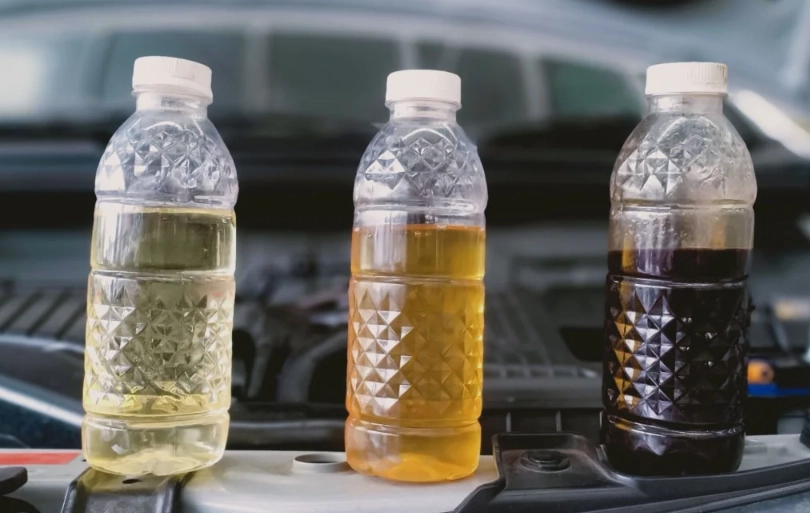
Big mistake.
That fluid is the lifeblood of your entire braking system. And its color? It's not just for looks. It's a direct, visual health report card. It tells a story about what's happening inside your brakes, a story of heat, moisture, and wear. Ignoring it is like ignoring a check engine light that's been on for months. You might be okay... until you're very suddenly not.
I learned this the hard way years ago on an old car I used to drive. The pedal started feeling a bit spongy, but I kept putting it off. When I finally checked, the brake fluid color was a deep, murky brown—almost black. A mechanic friend took one look and said, "You've been braking with coffee grounds." Not a great feeling when you're planning a highway drive.
So, what are we looking at today? We're going to decode exactly what every shade of brake fluid color means. We'll move past the simple "dark is bad" advice and get into the specifics. Why does it change color? What does amber versus dark brown actually indicate? When is it a simple top-up and when is it a full-system flush emergency?
The Brake Fluid Color Spectrum: A Visual Decoder Ring
Think of brake fluid color like a traffic light for your brakes. It's a simple, immediate signal. Here’s the breakdown you can actually use.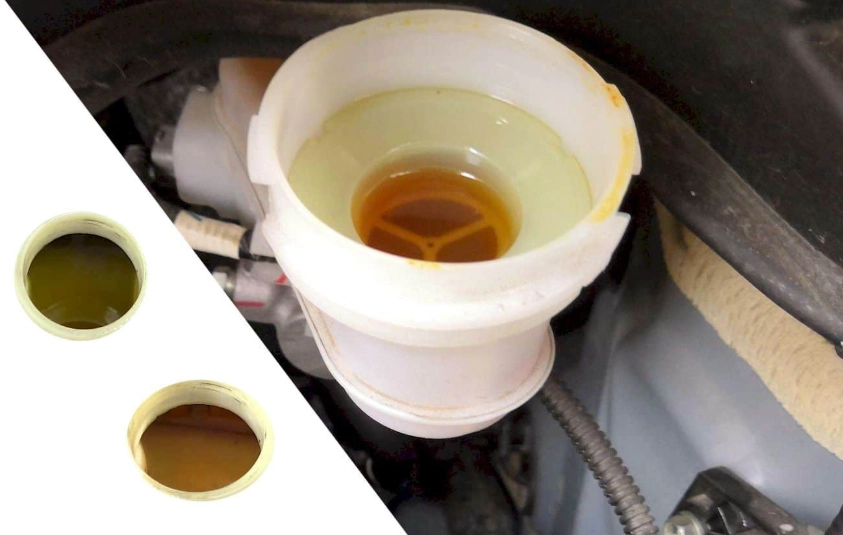
| Color & Swatch | What It Looks Like | What It Means | Your Action Plan |
|---|---|---|---|
| Clear / Very Pale Yellow | Like new water or light honey. You can see through it easily. | Excellent. This is new or very fresh fluid. It has minimal moisture absorption and its chemical properties are at their peak. This is the goal. | No action needed. This is perfect. Just note when it was last changed for your records. |
| Light Amber / Honey | A light tea or honey color. Still somewhat translucent. | Good, but aging. The fluid is beginning to oxidize and has absorbed a small amount of moisture. Its boiling point is starting to decrease. This is normal for fluid that's 1-2 years old. | Monitor. Check it again in 3-6 months. Plan for a change within the next year, especially if you drive in stop-and-go traffic or mountainous areas. |
| Dark Amber / Brown | Like cola or dark maple syrup. It's becoming opaque. | Warning. Significant oxidation and contamination. Moisture content is higher, boiling point is notably lower. The fluid is losing its protective anti-corrosion additives. Internal brake components (like seals and the master cylinder) may be at risk. | Plan a brake fluid flush soon. This should be a priority on your maintenance list. Don't wait more than a few months. |
| Dark Brown / Black | Used motor oil, dark coffee, or black ink. Completely opaque and murky. | Critical. The fluid is severely degraded, heavily contaminated with moisture, dirt, and dissolved rubber from deteriorating seals. Its boiling point is dangerously low, risking vapor lock (a complete brake pedal fade under hard braking). Corrosion is actively occurring inside the system. | Schedule a brake fluid flush immediately. This is a safety issue. Avoid aggressive or prolonged braking until it's changed. |
| Milky or Cloudy | Fluid looks hazy, whitish, or has bubbles suspended in it. | Major Contamination. This usually indicates a very high concentration of water (which doesn't mix perfectly with the fluid) or air in the system. Air is a separate, serious issue causing a spongy pedal. | Flush required immediately. A milky appearance points to potentially catastrophic water ingress. Have the system inspected for leaks or faulty caps. |
That table is your quick-reference guide. But it's not just about the brake fluid color itself. You have to understand why it's changing to make smart decisions.
Why Does Brake Fluid Change Color? The Science Behind the Stain
Brake fluid isn't designed to be pretty. It's designed to be incredibly stable under immense pressure and heat. But it's not invincible. The main culprits behind the changing brake fluid color are:
1. Moisture Absorption (The Biggest Enemy)
This is the #1 reason brake fluid goes bad. Most brake fluids (DOT 3, 4, 5.1) are hygroscopic. A fancy word that means they actively absorb moisture from the air through the reservoir's vented cap. It happens slowly, every day. A little water in the fluid drastically lowers its boiling point. Fresh DOT 4 might boil at 446°F (230°C). With 3% water content, that can drop to around 300°F (149°C). Under hard braking, calipers get incredibly hot. If the fluid boils, it creates gas bubbles that compress, leading to a long, mushy pedal or complete brake failure. The moisture also leads to internal rust and corrosion.
This process of absorbing water and breaking down is what primarily shifts the brake fluid color from clear to amber to brown.
2. Oxidation and Heat Cycling
Every time you use your brakes, the fluid heats up. Over thousands of cycles, this heat causes the fluid's chemical compounds to break down and oxidize—similar to how metal rusts or an apple turns brown. This chemical degradation changes the fluid's properties and darkens its color. High-performance driving or towing accelerates this process.
3. Contamination from System Components
Tiny particles of rubber from deteriorating seals, hose linings, and dirt can circulate in the fluid. As these microscopic bits break down, they contribute to the darkening, murky appearance. If you see dark, gritty sediment at the bottom of the reservoir (which you should check by wiping the dipstick or a clean rag on it), that's a very bad sign of internal wear.
How to Check Your Brake Fluid Color (The Right Way)
It's a 2-minute job. Do it on a cool engine, parked on level ground.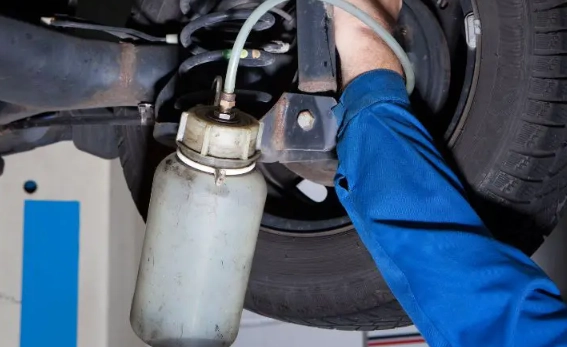
The Safe Check Procedure:
- Locate the Reservoir: It's usually on the driver's side, at the back of the engine bay, mounted on the master cylinder (a metal block with brake lines coming out). The cap will often say "DOT 4" or "Use only DOT 3/4 Brake Fluid."
- Clean the Area: Wipe any dirt or grime off the top of the reservoir cap with a rag. You don't want crud falling in when you open it.
- Inspect Through the Plastic: Most modern reservoirs are translucent. Try to assess the brake fluid color and level first without opening it. The "MIN" and "MAX" lines are marked on the side. Is the fluid dark? Is it low?
- Open for a Closer Look (Optional but Recommended): Carefully unscrew the cap. Look directly at the fluid. Use a clean white paper towel or rag. Dip the tip of a clean screwdriver or a straw into the fluid and dab it on the white surface. The true color will be obvious against the white background. This is the best way to judge accurately.
- Sniff Test (Seriously): Fresh brake fluid has a sharp, slightly sweet, chemical smell. Old, burnt fluid can smell rancid or acrid. If it smells awful, it's probably toast.
See? Not hard. Do this every time you check your oil, or at least twice a year.
What to Do Based on Your Brake Fluid Color
Okay, you've looked. You've got a color. Now what? Let's translate that into action.
Your Decision Matrix:
- Clear/Light Yellow: You're golden. Just ensure the level is between MIN and MAX. If it's slightly low, you can top it up with fresh, unopened fluid of the correct DOT type. But a slowly dropping level often indicates worn brake pads (as the caliper pistons extend further). If you're constantly adding fluid, get your brakes inspected for leaks.
- Light Amber: Start planning. This is your early warning. Check your maintenance records. If it's been over 2 years, it's time to schedule a flush soon. Consider your driving conditions—city drivers need changes more often than highway cruisers.
- Dark Amber/Brown: Stop planning, start scheduling. This isn't optional maintenance anymore. Call your mechanic or block out a weekend morning if you DIY. The cost of a flush is far less than replacing a corroded ABS module or master cylinder.
- Dark Brown/Black or Milky: This is a red flag. Limit driving if possible, and avoid heavy braking. Get this serviced as soon as you can, ideally within the week. This fluid is compromising your safety.
The Great Debate: Top-Up vs. Full Flush
Here's where people get it wrong. Topping up dark fluid with new fluid is like pouring fresh water into a dirty fish tank. You dilute the dirt slightly, but the tank is still dirty. The old, degraded fluid with its high moisture content is still in the calipers and lines, where the heat is most intense. A full flush replaces 100% of the old fluid with new, protecting the entire system. For anything darker than light amber, a flush is the only correct answer.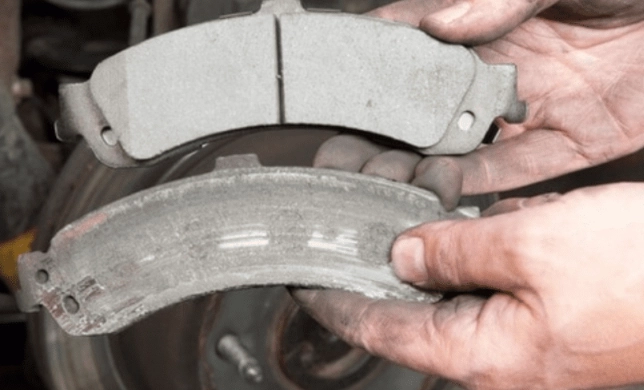
For a deep dive on fluid specifications and standards, organizations like SAE International publish the technical standards (like J1703) that define brake fluid properties. It's heavy reading, but it's the source material.
Common Questions About Brake Fluid Color (Answered)
Let's tackle the stuff you're actually typing into Google.
"Can I just change the brake fluid color myself?"
Not really. You can't "clean" or filter old brake fluid. The color change is a chemical reaction. The only fix is replacement. A flush machine or a proper two-person bleed procedure is needed to get all the old stuff out.
"My fluid is dark but the pedal feels fine. Do I still need to change it?"
Yes. This is the most dangerous mindset. The pedal feel might be okay until the moment you need maximum braking force and the fluid boils. Degradation is a slow, silent process. Don't wait for a symptom. The brake fluid color is the symptom.
"How often should I change brake fluid regardless of color?"
Most manufacturers recommend every 2 years or 30,000 miles, whichever comes first. But that's a generic guideline. In humid climates or with severe driving, once a year isn't overkill. I personally err on the side of caution and do it every two years like clockwork. It's cheap insurance.
"Is darker brake fluid color always worse?"
Generally, yes. But there's a nuance. A uniform dark brown is typical degradation. If you see strange particles, a milky separation, or a color that doesn't match the spectrum (like green or red), it could indicate a major problem like a wrong fluid type being used or a leak from another system. When in doubt, get it checked.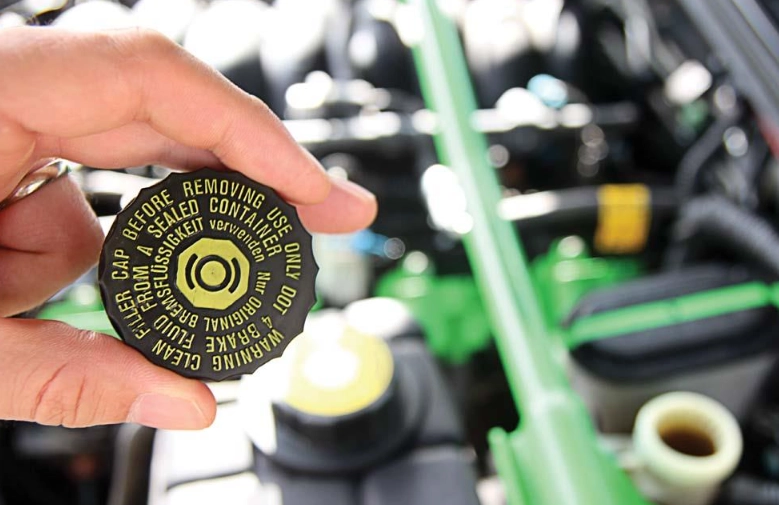
"Where can I find official safety info on brake maintenance?"
The National Highway Traffic Safety Administration (NHTSA) provides resources on vehicle safety and maintenance, emphasizing the critical role of brakes. It's a sobering reminder of why this matters.
The Bottom Line: Your Simple Action Plan
All this information is useless if you don't act on it. So here’s your takeaway.
Go check your brake fluid color today. Right now, if you can. It takes two minutes.
If it's anything but clear or very light yellow, write "Brake Fluid Flush" on your to-do list. Put a date on it. If it's dark, make the appointment this week.
When you get it changed, ask for the old fluid to be shown to you. See what came out of your car. It's eye-opening. Use a reputable shop that uses a proper flush machine or pressure bleeder to ensure a complete change.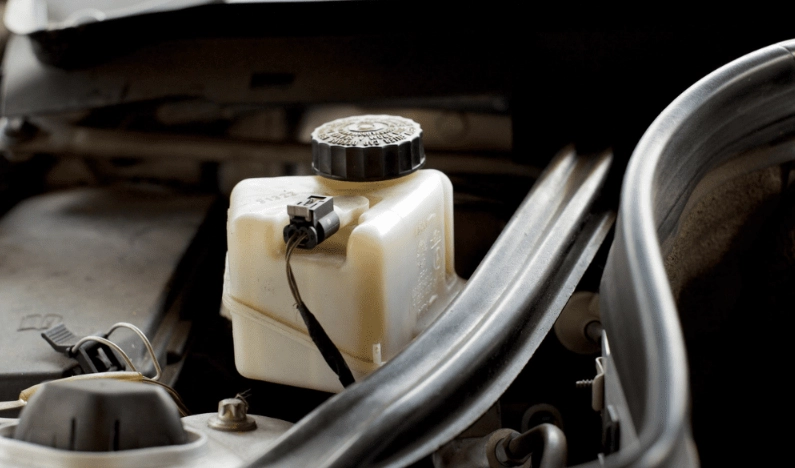
And finally, mark your calendar or set a reminder in your phone for two years from now. Brake fluid maintenance is time-based, not just mileage-based.
Your brakes are the most important safety system on your car. That little reservoir holds a key piece of its health data. Don't just look at it—understand what the brake fluid color is telling you. It's a simple habit that can prevent a world of trouble, and maybe even save your life.
Trust me, the peace of mind you get from knowing your brake fluid is fresh and clear is worth far more than the cost of changing it.