That rear wiper. You probably don't think about it until a heavy rain hits and you realize your backup camera view is a blurry mess, or you notice an annoying screeching sound every time it moves. A failing rear wiper blade isn't just an inconvenience—it's a safety issue, especially when reversing in poor weather. The good news? Replacing it is one of the easiest and most satisfying DIY car maintenance jobs you can do. Forget the dealership markup. In 15 minutes and for less than the cost of a decent lunch, you can have a crystal-clear rear view again. This guide walks you through everything, from diagnosing the problem to clicking the new blade into place, with a few expert tricks you won't find in the standard manual.
What You'll Find Inside
How to Know It's Time for a Rear Wiper Blade Replacement
Wiper blades are rubber, and rubber deteriorates. It's not always about the blade falling off the arm. More often, the failure is subtle. Look for these telltale signs:
- Streaking: The blade leaves thin, clear lines of water behind instead of wiping it clean. This means the rubber edge is no longer perfectly straight.
- Chattering or Skipping: The blade jumps and stutters across the glass, making an awful noise. This is often due to a hardened rubber compound that can't flex properly.
- Missed Sections: You see large, unwiped arcs or patches after a swipe. The blade's frame might be bent, or the rubber is unevenly worn.
- Visible Damage: Cracks, tears, or chunks missing from the rubber squeegee. Once you see this, it's way past due.
The Tools and Parts You Need (It's Less Than You Think)
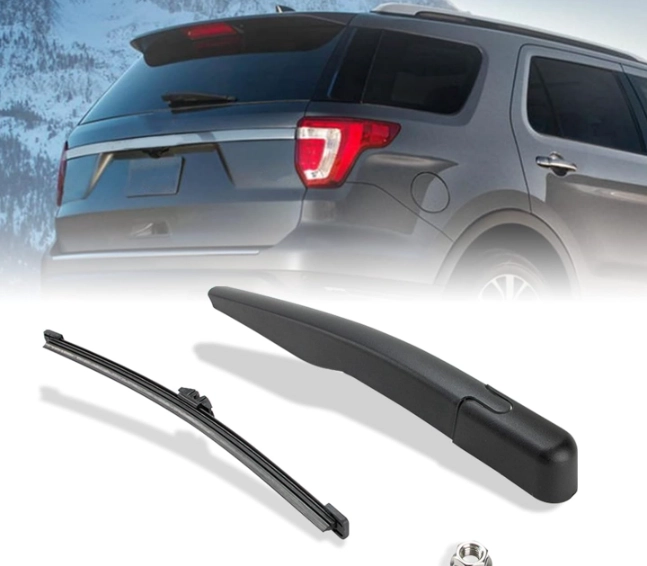
This isn't an engine rebuild. Here's your entire shopping and tool list:
| Item | Purpose | Notes |
|---|---|---|
| New Rear Wiper Blade | The main event. | Must match your car's make, model, and year. We'll cover how to find this below. |
| Rubbing Alcohol & Microfiber Cloth | Cleaning the wiper arm and glass. | Isopropyl alcohol works best to remove old grease and grime. |
| Small Flat-Head Screwdriver | Releasing old blade tabs (on some models). | Often not needed. Your fingers might be enough. |
| Patience (5-minute supply) | For dealing with stubborn clips. | Don't force anything. If it's not budging, you're missing a release tab. |
That's it. No socket wrenches, no jack stands. The most specialized tool you might need is your phone to look up a quick video of your specific car if the attachment looks unfamiliar.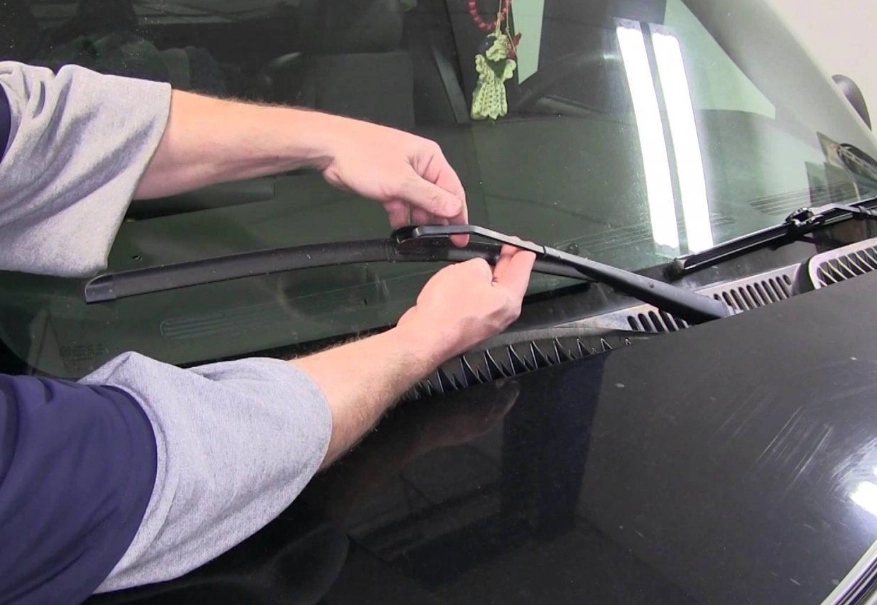
The Foolproof Step-by-Step Replacement Process
Follow these steps in order. I've done this on dozens of cars, from old Hondas to new SUVs, and the process is almost universal.
Step 1: Secure the Wiper Arm
This is critical. Before you do anything, lift the wiper arm away from the rear window until it locks in the "service position." You'll feel it click into place, holding itself up. If you don't do this, the arm can snap back against the glass with tremendous force. I've seen a cracked rear window from this exact mistake. It's not a light tap; it's a metal spring under tension.
Step 2: Find the Release Mechanism
Look where the blade connects to the metal wiper arm. You'll see a small plastic tab or button. Common types include:
The Pinch Tab: Squeeze two plastic sides together to release the blade.
The Hook & Pivot: The blade hooks onto a J-shaped arm. You lift a small lever to slide it off.
The Push Button: Press a button on the underside while pulling the blade down.
Don't pull on the rubber. Find the plastic connection point.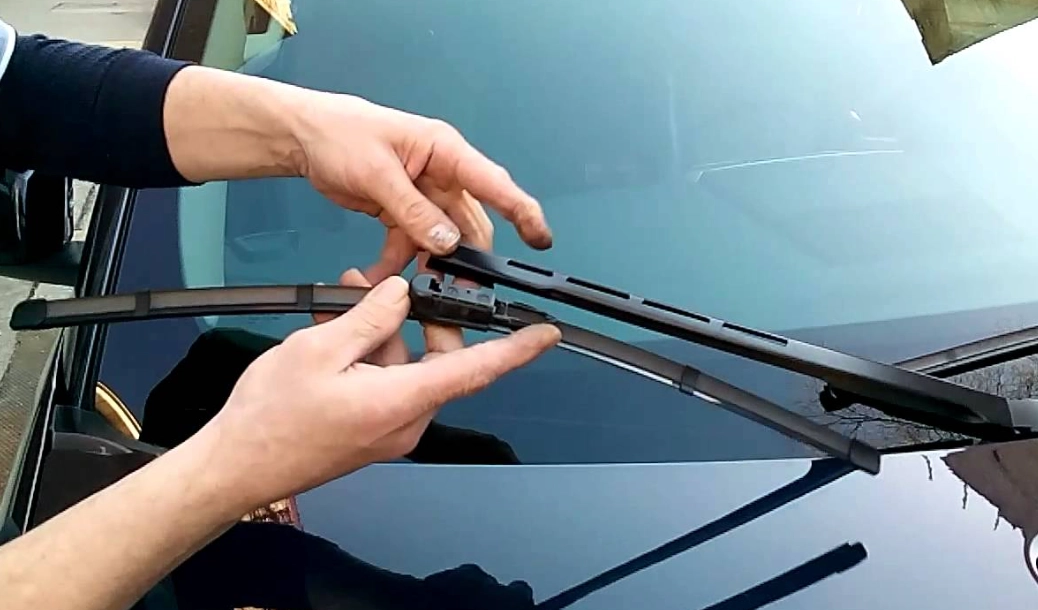
Step 3: Remove the Old Blade
With the release tab pressed or lever lifted, gently but firmly pull the blade assembly down along the arm (toward the base of the windshield) to detach it. It should slide off. If it's stuck, don't yank it. Double-check for a secondary lock you might have missed. A tiny bit of wiggling usually does the trick.
Step 4: Clean and Prepare
While the blade is off, take your alcohol and microfiber cloth. Wipe down the metal hook or connector on the wiper arm. Remove any built-up dirt, old grease, or road grime. Do a quick pass on the glass where the blade rests too. A clean connection ensures the new blade seats properly and operates smoothly.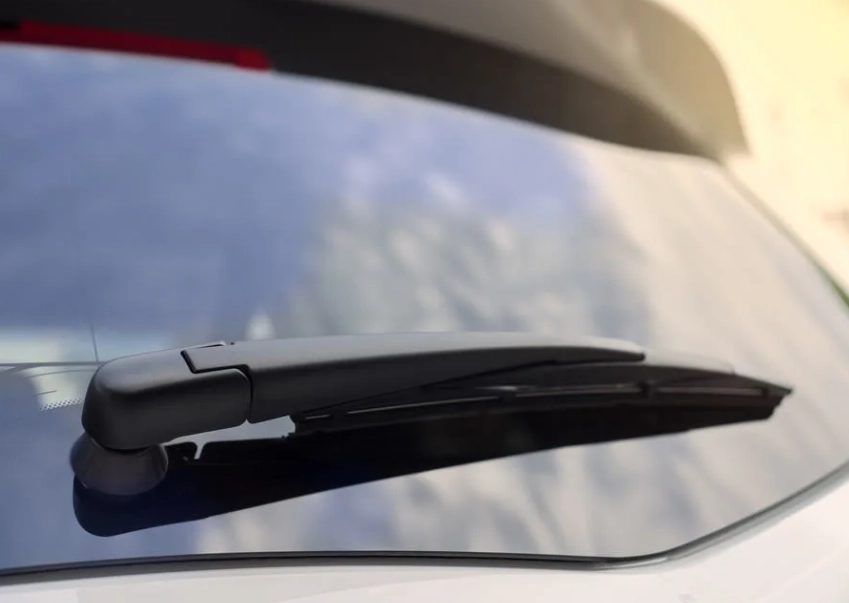
Step 5: Install the New Blade
This is the reverse of removal. Align the new blade's connector with the metal arm's hook or slot. You'll hear and feel a solid click when it's fully seated. Give it a gentle tug to confirm it's locked. Don't hammer it or use excessive force.
Step 6: Lower the Arm and Test
Gently lower the wiper arm back onto the glass. Don't just let it go—guide it down. Turn on your car and test the rear wiper function. It should move quietly and evenly. Pour some water on the glass to test the wipe quality. Perfect streaks? You're done.
The Big Mistake: Not Measuring the Old Blade
Here's the non-consensus advice most guides skip. Even if you buy a blade listed for your exact car model, physically measure the old blade's length before you buy or install the new one. Use a tape measure or ruler. Get the length in inches or millimeters.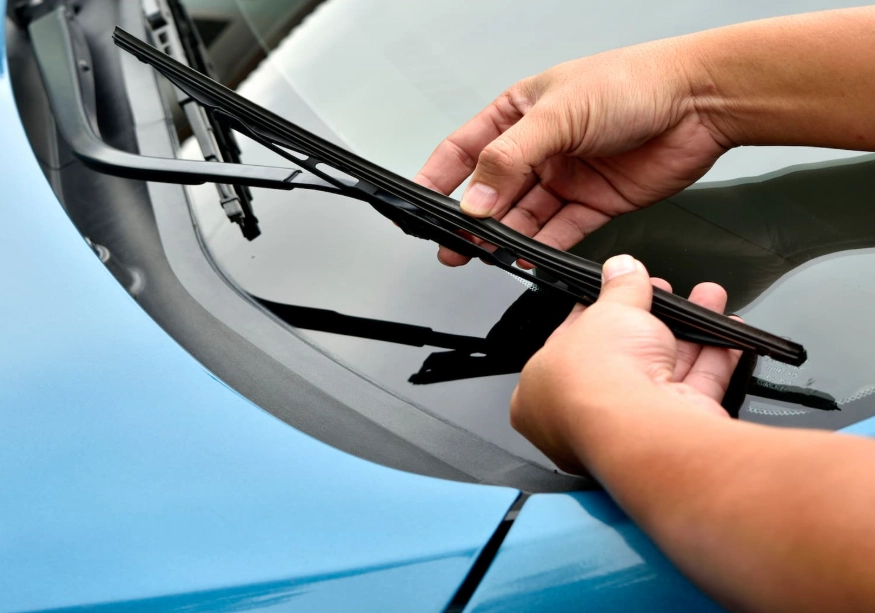
Why? I've opened "exact fit" boxes to find blades a half-inch too long or short. Manufacturing databases can have errors, or a previous owner might have installed an incorrect size. A blade that's too long can hit the window frame; one that's too short leaves an unwiped area. Thirty seconds with a ruler prevents a trip back to the store.
Choosing the Right Rear Wiper Blade: A Quick Comparison
You'll find three main types. It's less about brand hype and more about what fits your climate and budget.
| Type | Best For | Consideration |
|---|---|---|
| Conventional (Rubber/Frame) | Budget buyers, mild climates. | The classic design. Can ice up in winter. Often the OEM (Original Equipment Manufacturer) style. |
| Beam Blade (Frameless) | Snowy/Icy regions, most drivers. | Whole blade is a single, sleek piece of rubber-coated steel. Resists ice buildup better. My general recommendation. |
| Hybrid | Those wanting a balance. | Has a semi-exposed frame but with some beam-style features. A good middle ground. |
My go-to move? I pull off the old blade, take it into the auto parts store, and match it physically. Websites like RockAuto or the official Bosch wiper guide are also fantastic resources for cross-referencing part numbers.
What This Really Costs (Time and Money)
Let's be brutally honest so you can plan.
- Cost: A quality rear wiper blade costs between $15 and $35. Store brands can be as low as $10. Premium brands (Bosch, Michelin, PIAA) might hit $40. The dealership will charge you $50-$80 for the part plus another $30-$50 for labor. You do the math.
- Time: Your first time might take 20 minutes if you're being careful. After that, it's a 5-minute job. It takes longer to drive to the shop and wait in line.
The value isn't just monetary. It's the confidence of knowing you fixed something on your car. That's priceless.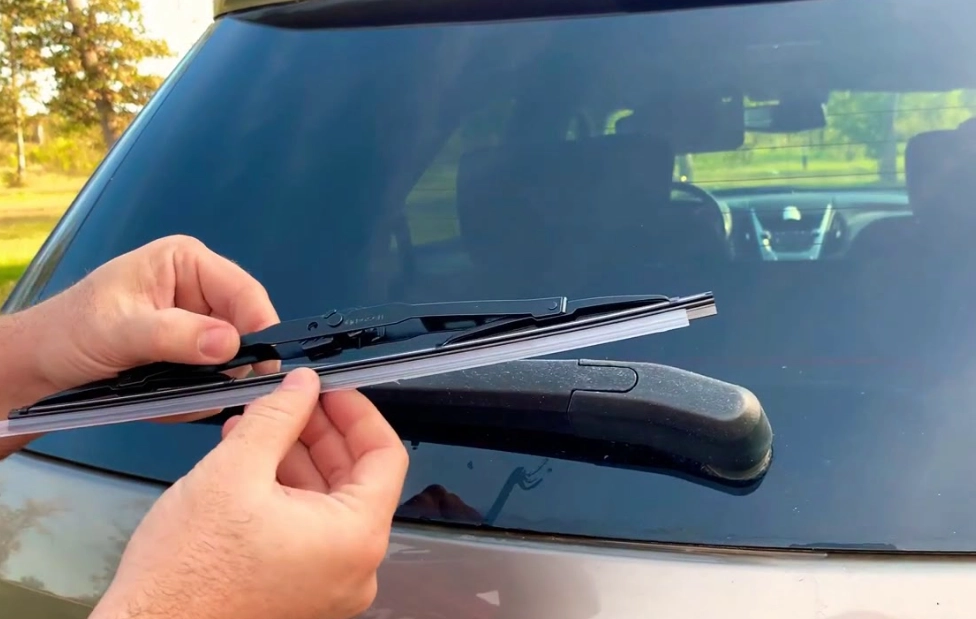
Your Rear Wiper Replacement Questions, Solved
There you have it. A blurry rear view is a problem with a straightforward, cheap, and quick fix. You don't need to be a mechanic. You just need to know where the little tab is and have the confidence to push it. Grab a blade, set aside 15 minutes, and get your clear vision back.