Let's cut straight to the chase. The cost to replace your brake pads typically falls between $150 and $450 per axle for most common cars and SUVs. But that's like saying a sandwich costs between $5 and $25. The real answer depends entirely on what's in it, who's making it, and where you're buying it. I've seen bills as low as $120 for a frugal DIY job on a Honda Civic and invoices pushing $800 for a luxury SUV at the dealership. The word is often misspelled as "break" pads, but getting the spelling right is the easiest part of this process. Figuring out the fair price is trickier.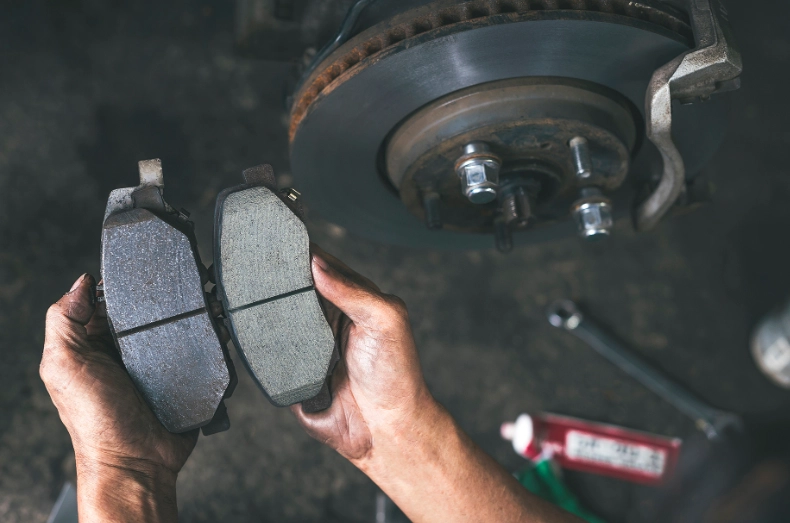
Most people searching for this cost just want a simple number. But if you only get a number, you're vulnerable. You need to understand what builds that final bill. This guide will not only give you the price ranges but will dissect the invoice line by line, show you where shops might pad the cost (no pun intended), and give you concrete strategies to keep more money in your pocket.
What You'll Find in This Guide
How Much Does Brake Pad Replacement Cost?
Think of the total cost as a simple equation: Parts + Labor + Additional Parts/Potential Repairs = Your Final Bill. Let's break down each variable.
1. The Cost of the Brake Pads Themselves
This is the most variable part. You're not just buying "brake pads." You're choosing a material and a brand, each with different performance and price tags.
- Economy Organic/Ceramic Pads: $25 - $60 per axle set. These are the standard for most daily drivers. They're quiet, produce less dust, and are perfectly adequate for normal driving. Brands like Bosch QuietCast or basic Duralo fall here.
- Premium Ceramic or Semi-Metallic Pads: $60 - $150+ per axle set. This tier includes performance-oriented pads (like Akebono, Hawk HPS) or premium OE-style ceramics. They offer better heat resistance, firmer pedal feel, or longer life. For a high-performance car or if you tow, this might be necessary.
- Original Equipment (OE) Pads from the Dealer: $100 - $250+ per axle set. This is the exact part that came on your car new. You're paying a premium for the brand name and guaranteed fit. Often, a high-quality aftermarket brand like Akebono or Textar is the OE supplier, just without the carmaker's logo, for half the price.
A common trap: Shops might quote you for "premium" pads by default, citing "better safety." For 95% of drivers doing school runs and highway commutes, a mid-grade ceramic pad is the sweet spot. You don't need racing pads for your Toyota Camry.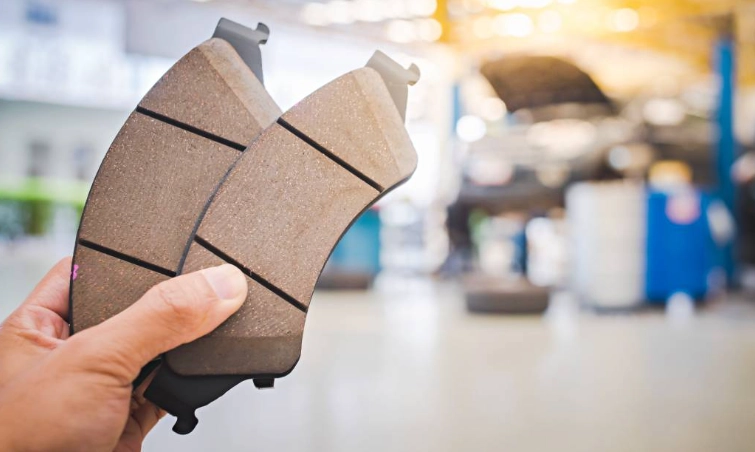
2. The Labor Charge
This is where estimates can get fuzzy. Labor is usually charged per axle (front or rear) at a shop's hourly rate, which ranges from $80 to $150+ per hour.
A straightforward brake pad swap on a common car (like a Ford Focus, Toyota Corolla) often takes a skilled technician 1 to 1.5 hours per axle. So, expect $100 to $225 in labor per axle.
Why the range? Rear brakes can sometimes be more involved, especially if they have an electronic parking brake that requires a scan tool to retract. European luxury cars almost always have more complex caliper designs that add time. I once paid nearly an extra hour of labor on my old BMW because the rear caliper piston needed to be screwed in, not just pushed.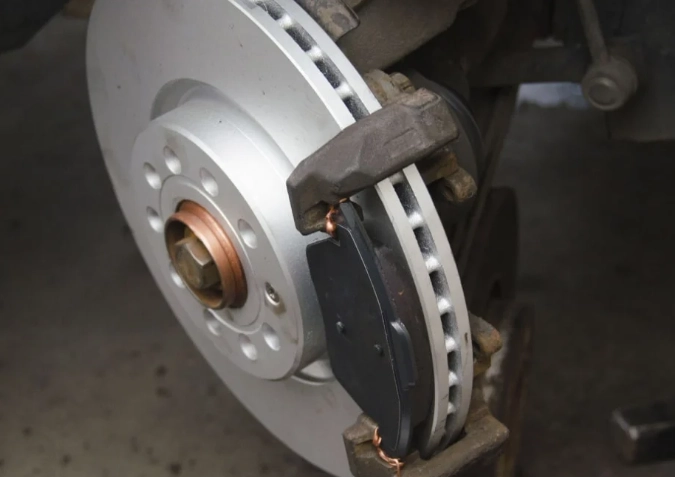
3. Additional Parts and Potential "Gotchas"
This is the line that inflates the estimate. A reputable shop will almost always recommend replacing or inspecting these items:
- Brake Rotors ($40 - $150 each): Rotors (or discs) wear down over time. If they are below minimum thickness or have deep grooves, they should be replaced or resurfaced. Many shops now recommend replacement over resurfacing due to the low cost of new rotors and liability concerns with thin rotors. This can easily double your total job cost.
- Brake Hardware Kit ($15 - $40): Includes new clips, shims, and pins that reduce noise and ensure smooth operation. Old hardware can rust and seize.
- Brake Fluid Flush ($70 - $120): Not always needed with a pad change, but brake fluid absorbs moisture over 2-3 years, reducing performance and corroding internal parts. It's a separate, recommended service.
- Caliper Service/Replacement: If a caliper slide pin is seized (a very common issue in rusty climates), it must be freed or replaced. A rebuilt caliper can cost $100-$300 plus extra labor.
| Vehicle Type (Front Axle Example) | Parts (Mid-Grade Pads & Rotors) | Labor (1.5 hrs @ $110/hr) | Estimated Total |
|---|---|---|---|
| Compact Sedan (Honda Civic) | $120 - $180 | $165 | $285 - $345 |
| Midsize SUV (Toyota RAV4) | $150 - $220 | $165 | $315 - $385 |
| Full-Size Truck (Ford F-150) | $200 - $300 | $180 (larger parts) | $380 - $480 |
| Luxury Sedan (BMW 3 Series) | $250 - $400 (OE-style) | $200+ (complexity) | $450 - $600+ |
What Factors Influence the Total Brake Job Cost?
Your final price isn't random. It's dictated by a few key things.
Your Vehicle. This is the biggest factor. A pickup truck uses larger, more expensive pads and rotors than a subcompact. European cars (Volkswagen, BMW, Mercedes) often use specific, pricier parts and require more labor. A friend with an Audi Q5 was quoted $700 for the front axle at the dealer. An independent shop using the same quality parts did it for $450.
Type of Brake Pads. As discussed, material choice changes the price. Semi-metallic pads are often cheaper but may dust more and be noisier. Ceramics are the popular choice for a balance of performance and cleanliness.
Where You Get the Work Done.
Dealership: Highest cost. You're paying for OEM parts and specialized technicians. Convenient, but premium priced.
Independent Repair Shop: Usually the best value. They can source quality aftermarket parts and have competitive labor rates. Build a relationship with a good one.
National Chain (Midas, Firestone): Often run coupons and promotions. Prices can be competitive, but upsells on fluid flushes, rotor replacement, and alignments are common. Get a written estimate first.
Mobile Mechanic: Can offer great value as they have low overhead. Ideal if you have a driveway and know exactly what parts you want used.
Your Location. Labor rates in San Francisco or New York City are significantly higher than in a midwestern suburb. Parts prices are fairly consistent nationally, but labor is not.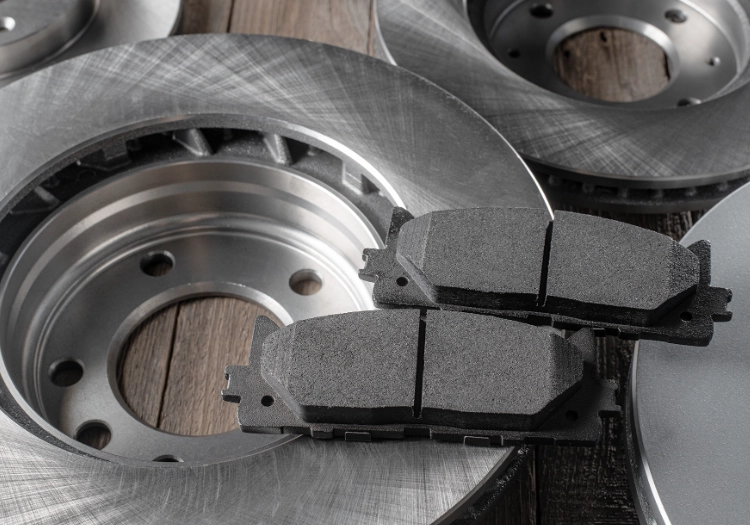
How to Save Money on Your Brake Service
Don't just call one place and say yes. Be strategic.
1. Get Multiple Quotes, and Be Specific. Don't just ask for "a price on brakes." Ask for a written estimate for "replacing front brake pads and rotors" or "rear brake pad replacement only." This allows for apples-to-apples comparison. The range I've seen from three shops on the same job can be over $200.
2. Ask About the Parts Brand. When you get a quote, ask: "What brand of brake pads and rotors are you using?" A shop using a reputable brand like Wagner, Raybestos, or Centric is a good sign. If they hesitate or say "our supplier's brand," dig deeper. You can research that brand's reputation online.
3. Consider an Independent Shop Over the Dealer. For a common service like brakes, the dealer's premium is hard to justify. A trusted independent mechanic can provide equal or better quality for less. Check reviews on Google or Nextdoor.
4. Ask to See the Old Parts and Rotors. A trustworthy mechanic will show you your worn pads and measure your rotor thickness with a micrometer to prove if replacement is necessary. If they refuse or seem annoyed, that's a red flag. The National Institute for Automotive Service Excellence (ASE) emphasizes transparency in repair estimates.
5. Buy Your Own Parts? Proceed with Caution. Some shops allow you to bring your own parts (from sites like RockAuto) and charge labor only. This can save a lot. But: The shop will not warranty the parts, only their labor. If the pad squeals or fails, you're dealing with the parts manufacturer, not the shop. And if the part is wrong or defective, you'll likely pay extra labor to fix it.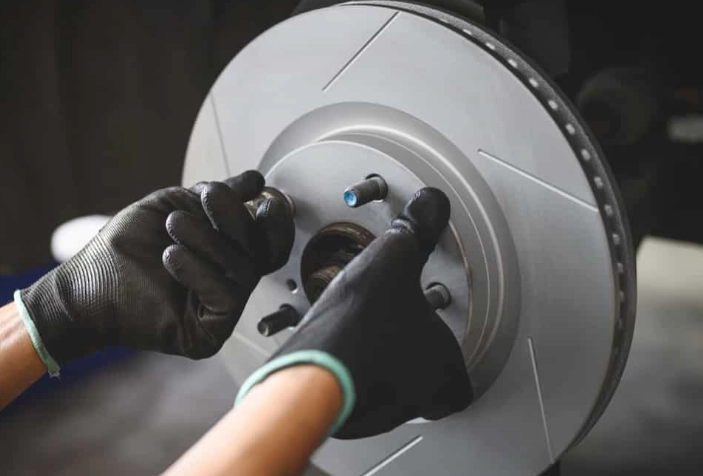
Considering DIY? Here's the Real Scoop
Doing it yourself can slash the cost to just the parts—maybe $80-$250 per axle. But it's not for everyone.
You'll need: A jack and jack stands (NEVER just a jack), lug wrench, basic socket set, C-clamp or piston retraction tool, maybe a hammer. For rear brakes with electronic parking brakes, you likely need a specific OBD2 scanner tool to retract the caliper, adding $50-$200 to your tool cost.
The hidden challenge isn't the swap itself. It's dealing with seized bolts, rusty hardware, and ensuring everything is torqued correctly and the brake system is properly bled if you open the line. A mistake here is a safety-critical failure.
My advice: If you're moderately handy and have a common, non-luxury front-wheel-drive car (front brakes are easier), watch a few YouTube tutorials for your specific model. Start with the front brakes. If you see a mess of rust underneath your car, reconsider. Paying for labor might be your sanity tax.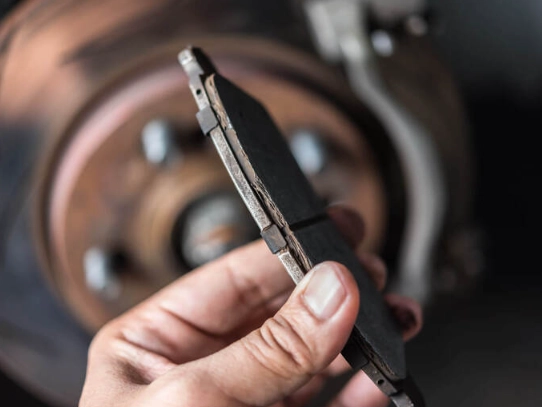
Your Brake Cost Questions, Answered
My car makes a squealing noise only in the morning. Do I need new brake pads immediately?
Not necessarily. Morning squeal is often just surface rust that forms overnight on the rotors. It scrapes off in the first few stops. A consistent grinding or squealing that happens every time you brake, especially accompanied by a pulsation in the pedal, is the real warning sign. Pull a wheel off and look. The pad material should be at least 1/4 inch thick. If you see a thin layer or hear metal-on-metal, stop driving and get it fixed.
The shop says my rotors need replacing, not just resurfacing. Are they upselling me?
Maybe, but there's logic to it. Resurfacing ("turning") a rotor shaves off a layer to make it smooth. Rotors have a minimum thickness stamped on them. If turning them would bring them under that spec, they must be replaced for safety—they could overheat and warp. Also, new rotors are often so inexpensive ($30-$50 each for many cars) that the labor to turn old ones ($20-$30 each) isn't worth it. Ask to see the micrometer measurement. If they're near or below minimum thickness, replacement is the correct call.
How long should new brake pads last?
There's no single answer. For the average driver, 30,000 to 70,000 miles is typical. It depends wildly on your driving style (city vs. highway), the vehicle's weight, the pad material, and even the climate. Heavy stop-and-go traffic eats pads. Towing cuts life in half. Premium ceramic pads often last longer but may cost more upfront.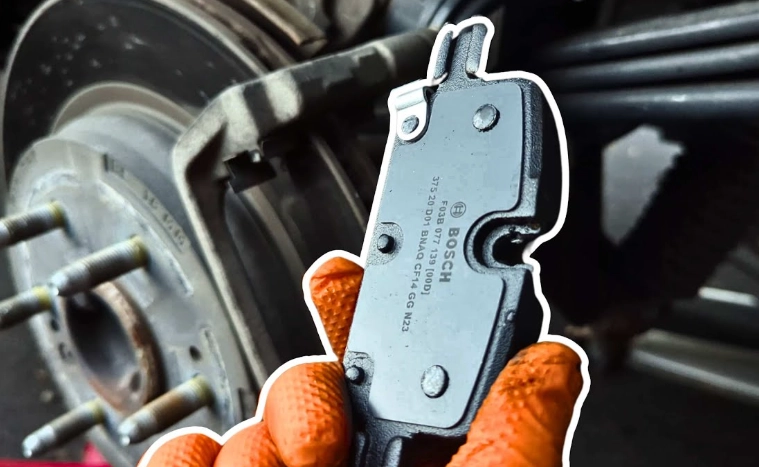
Can I just replace the pads on one side of the car?
Absolutely not. You must always replace pads (and ideally rotors) in axle sets—both fronts or both rears. Replacing just one side creates uneven braking force, causing the car to pull dangerously to one side during hard stops. This is non-negotiable.
What's the difference between a "brake pad replacement" and a "brake job"?
This is a crucial distinction in quotes. A "pad slap" or pad replacement is just swapping the friction material. A full "brake job" usually includes new pads, resurfaced or new rotors, a hardware kit, a caliper service (cleaning and lubricating slide pins), and sometimes a fluid flush. The "brake job" is more comprehensive and costs more, but it's often the better long-term value, preventing comebacks and noise issues.
Are those $99 brake specials from chain shops a good deal?
They can be, but read the fine print. That $99 almost always covers the labor for pad replacement on one axle only. You still pay for the pads, and they'll almost certainly recommend rotors and other services. The final bill rarely stays at $99. Use it as a starting point for a quote, not the expected final price. Always ask for the out-the-door total estimate before authorizing any work.