You turn the knob to max, hear the fan blow, but only get a lukewarm sigh from the vents. Your car's AC is not cold. It’s more than an inconvenience on a hot day—it’s a puzzle. The instinct for most people is to grab a recharge kit. I’ve been there. But after a decade of fixing cars and watching DIY attempts go sideways, I can tell you that’s often the first step toward a bigger, more expensive problem.
An AC system is a sealed, pressurized circuit. If it’s not cold, something in that circuit has failed. Refrigerant doesn't get "used up"; it escapes. Let’s walk through how to figure out why, what you can fix yourself, and when you absolutely need a pro.
What You’ll Find in This Guide
Start Here: The 60-Second Self-Check
Before you dive into parts swapping, rule out the simple stuff. This takes a minute and costs nothing.
Listen and Feel. Start the engine, turn the AC to max cold and max fan. Go to the front of the car. Do you hear a distinct click followed by a change in engine pitch? That’s the compressor clutch engaging. No click? That’s a major clue—the system isn’t even trying to run, often due to electrical issues or extremely low refrigerant.
Now, feel the two metal pipes going into the firewall (near the brake master cylinder). One should be very cold, almost sweating. The other should be warm to hot. If both are warm, the system is inactive or empty. If the little one is frosted over, you might have a different issue like a clogged orifice tube.
Check the cabin air filter. I can’t stress this enough. A filter clogged with leaves and dust doesn’t stop the AC from making cold air, but it absolutely stops that air from reaching you. The airflow becomes a pathetic trickle, which feels exactly like "AC not cold." It’s a $15 part and a 10-minute job on most cars. Look it up for your model—it’s behind the glove box 90% of the time.
The Diagnostic Tree: Finding the Real Culprit
If the basics check out, the problem is inside the sealed loop. Think of diagnosis as a tree. You start at the trunk and follow the branches.
Branch 1: Low Refrigerant Charge (The Most Common Cause)
Refrigerant is the lifeblood. Symptoms of low charge are classic: air is cool but not cold, and it often gets colder when you drive fast (higher RPMs spin the compressor faster). At idle, it may blow warm.
Here’s the critical part everyone misses: Low refrigerant is a symptom, not the disease. The refrigerant escaped. It leaked out. If you just top it up, it will leak out again. The leak could be slow (months) or fast (days). Common leak points:
- Schrader Valves: The little valves on the service ports (like tire valves). They wear out.
- O-rings: Dozens of rubber seals at every connection. They dry and crack.
- The Condenser: That radiator-looking thing in front of your car’s radiator. Rocks and road debris puncture it.
A proper shop will pressurize the system with nitrogen or trace gas and use an electronic sniffer or UV dye to find the leak. This is the step DIY kits completely skip.
Branch 2: Electrical or Compressor Failure
No click from the compressor clutch? The system might be protecting itself. Most modern cars have a low-pressure switch. If refrigerant is too low, it won’t let the compressor engage to prevent damage. That brings us back to finding the leak.
If pressure is good, the fault could be electrical: a blown fuse, a bad relay (often located in the under-hood fuse box), a failing pressure switch, or a broken wire. You can sometimes swap the AC relay with an identical one for another function (like the horn) to test it.
A seized compressor is a worst-case scenario. You might hear a shrieking belt or see smoke if the clutch tries to engage a locked-up pump. If the compressor is dead, you must also replace the receiver-drier/accumulator and flush the lines. Metal shards from the dead compressor travel through the entire system. Installing a new compressor on a contaminated system will kill it in weeks.
Branch 3: Blockages and Blend Door Issues
Less common, but they happen. The orifice tube or expansion valve can get clogged with debris (often from a dying compressor). This creates a blockage, causing weird frost patterns and poor cooling.
Inside the dashboard, a blend door actuator controls whether air goes over the cold evaporator core or not. If this little plastic gear strips (you’ll hear a clicking or knocking from behind the dash), you might get heat when you want cold. This is a dash-out repair on some cars, a real pain.
| Symptom | Likely Culprit | DIY Friendly? | Estimated Repair Cost (Parts & Labor) |
|---|---|---|---|
| AC works cold at highway speed only | Low refrigerant charge (slow leak) | Possible, but find the leak | $200 - $400 (leak repair + recharge) |
| No cold air, compressor clutch not engaging | Electrical fault (fuse, relay) or very low refrigerant | Yes, for fuses/relays | $50 - $300 |
| Weak airflow from vents | Clogged cabin air filter or failing blower motor | Very Yes | $15 - $150 |
| AC blows warm, clutch engages, lines are hot | Failed compressor or major blockage | No | $800 - $1,500+ |
| Clicking sound behind dashboard | Failed blend door actuator | Maybe (depends on car) | $300 - $800 |
Common Fixes and Real-World Costs
Let’s talk money and execution. Prices vary by region and vehicle, but here’s a realistic ballpark.
The DIY Recharge Kit Gamble: A can of R-134a with a gauge costs $40-$60. It might get you through a season if the leak is minuscule. The huge risk? Many cans contain "sealant" that can permanently clog your entire AC system, including the expensive compressor and condenser. I’ve seen it turn a $300 leak fix into a $2,000 system replacement. If you use one, get pure refrigerant and understand it’s a temporary patch.
Professional Evacuation and Recharge: A shop uses a dedicated machine to pull a deep vacuum on the system. This removes air and moisture (which turns to acid and destroys components), then weighs in the exact amount of refrigerant specified by your car. Cost: $120 - $250. This is only a valid service if they confirm the system holds vacuum (i.e., no leaks).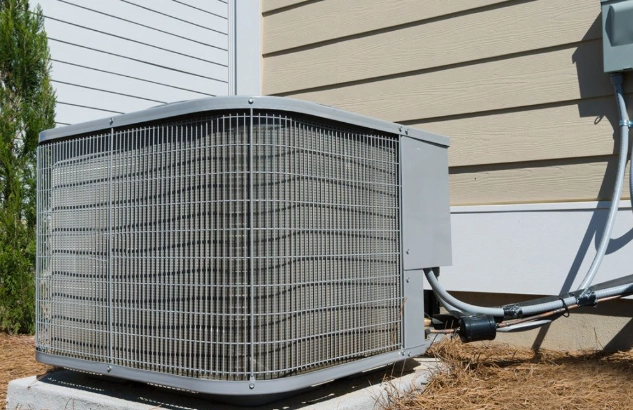
The Non-Negotiable Step: Any time the AC system is opened (to fix a leak, replace a part), it must be evacuated and recharged with a proper machine. You cannot just unscrew a part, replace it, and screw it back on. Air and moisture will ruin it. This is why compressor or condenser jobs are expensive—half the cost is the labor and machine time for this critical recovery/recharge process.
Condenser Replacement: A common failure. Parts: $150-$400. Labor: 2-3 hours plus evacuation/recharge. Total: $400-$900. The condenser is vulnerable right behind the grille.
What a Professional Repair Actually Looks Like
Let me walk you through a real job I did on a 2015 sedan with "AC not cold." The customer had already used two DIY cans. Our process:
- Initial Inspection: Gauges hooked up showed low pressure. The compressor was short-cycling.
- Leak Detection: We recovered the old refrigerant (it’s illegal to vent it). Then, we injected fluorescent UV dye and nitrogen into the system. With a UV light, the leak glowed bright yellow at the Schrader valve on the low-pressure port. A $5 part was the culprit.
- The Repair: Replaced the valve core, replaced the receiver-drier (you always replace this when the system is opened), and all the O-rings on the lines we disconnected.
- The Critical Vacuum: The machine pulled a vacuum for 45 minutes to boil away any moisture. We made sure it held steady, confirming the leak was fixed.
- Recharge: The machine precisely weighed in new, clean refrigerant and oil.
Total cost to the customer: about $350. The $40 they spent on cans was wasted. The proper fix addressed the root cause.
Keeping It Cold: Maintenance Everyone Forgets
Your AC system likes to be used. Run it for at least 10 minutes once a week, even in winter. This circulates the refrigerant and oil, keeping seals plump and the compressor lubricated.
Get a professional inspection every two years. A good tech can spot early signs of wear on components before they leave you stranded.
Wash your condenser. When you rinse your radiator at the car wash, spray through the grille too. A layer of bugs and dirt on the condenser fins acts like a blanket, drastically reducing its ability to shed heat, making your AC work harder and less efficiently.