In This Guide
Let's be honest, nobody wakes up excited about getting their car's emissions tested. It's one of those necessary chores, like going to the DMV or changing your oil. But if you're moving to a new state, buying a used car, or just trying to renew your registration, figuring out what states require emissions testing becomes a sudden and urgent puzzle. I've been there – a few years back, I moved from a state that didn't care at all to one with strict rules, and I got a nasty surprise when my registration was blocked.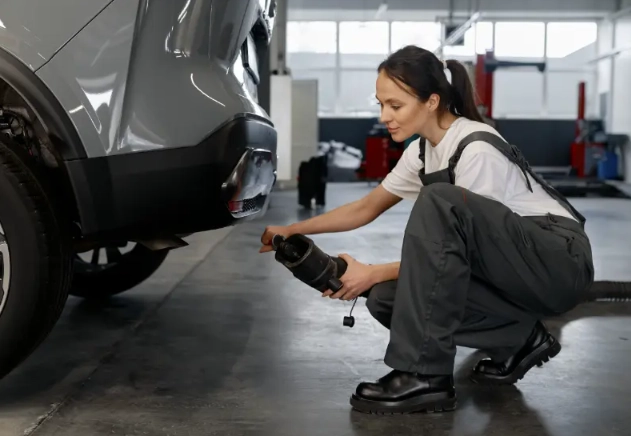
The rules are all over the place. Some states test every car every year. Others only test in certain smoggy counties. A bunch don't test at all. And the exemptions? They're a whole other layer of confusion. Is your car too old? Too new? A diesel? A motorcycle?
This guide is here to cut through that noise. We're going to list every single state, break down their programs in plain English, and answer the questions you're actually asking. Forget dry government jargon. Think of this as a chat with a friend who's spent way too much time figuring this stuff out.
Bottom Line Up Front: As of now, roughly half of the U.S. states have some form of mandatory vehicle emissions testing program. The strictest programs are typically in states with major air quality challenges, like California, Colorado, and parts of the Northeast. But even within those states, the rules can vary wildly by county.
The Core List: States with Mandatory Emissions Testing Programs
Okay, let's get to the main event. Here is a comprehensive table showing states that require emissions testing. I've tried to simplify the often-complex official language into the key details you need to know. Keep in mind, this is a snapshot – programs can and do change, so always double-check with your local DMV or environmental agency for the absolute latest.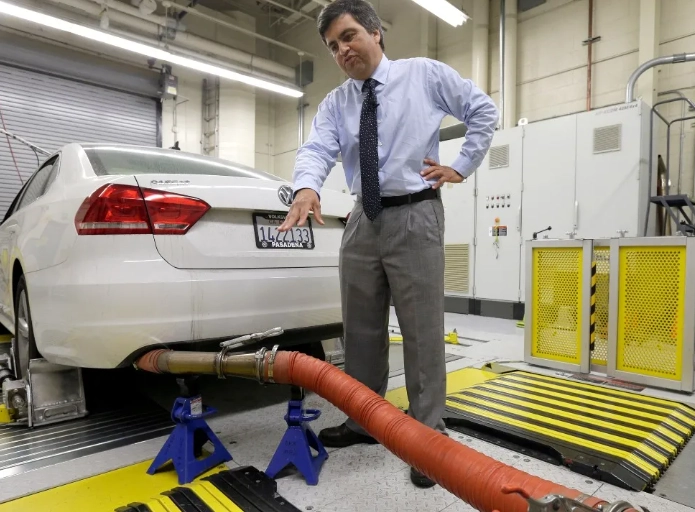
One thing that really grinds my gears is how some websites list a state as "yes" for testing when it's only a tiny area. We'll be specific.
| State | Program Name / Type | Where It's Required | Typical Testing Frequency | Common Exemptions & Notes |
|---|---|---|---|---|
| Arizona | Vehicle Emissions Inspection Program (VEIP) | Phoenix and Tucson metro areas (Maricopa and Pima counties). The rest of the state: No. | Every year (for older cars), every two years (for newer models) at registration renewal. | New vehicles for first 5 years. Model year 1967 and older. Electric vehicles. Diesel vehicles 2007 model year and older. It's very county-specific. |
| California | Smog Check Program | Statewide, but with different requirements for "Enhanced" and "Basic" areas. | Every other year upon registration renewal (Biennial Smog Check). Also required when selling a car. | Vehicles 8 model years and newer are exempt from biennial testing (but not change-of-ownership). Diesel vehicles 1998 model year and older. Electric, natural gas, and motorcycles. California's rules are the gold standard for complexity. |
| Colorado | Air Care Colorado / Emissions Program | The Denver-Boulder-Fort Collins metro area and parts of the Front Range (specified counties). | Every year or every two years, depending on vehicle age and model year. | New vehicles for first 4 model years. Model year 1981 and older. Motorcycles. Vehicles registered as farm equipment. |
| Connecticut | Emissions Testing Program | Statewide. | Every two years for most gasoline-powered vehicles. | Model year 2018 and newer are exempt for the first 4 years. Electric vehicles. Model year 1995 and older. They switched to a 2-year cycle, which is nice. |
| Georgia | Vehicle Emissions Inspection & Maintenance (I/M) | Metro Atlanta counties (Cherokee, Clayton, Cobb, Coweta, DeKalb, Douglas, Fayette, Forsyth, Fulton, Gwinnett, Henry, Paulding, and Rockdale). | Every year, as part of the annual vehicle registration renewal. | New vehicles for first 3 model years. Model year 1995 and older gasoline vehicles. Diesel-powered vehicles. Motorcycles. Very focused on the Atlanta smog problem. |
| Idaho | Vehicle Emissions Testing | Only in Ada County (Boise). Canyon County recently ended its program. | Every two years for vehicles 1981 and newer. | New vehicles for first 5 model years. Model year 1980 and older. Diesel vehicles, motorcycles, RVs. |
| Illinois | Vehicle Emissions Test Program | Chicago and Metro-East St. Louis areas (Cook, DuPage, Lake, Kane, McHenry, Will, Madison, St. Clair, and Monroe counties). | Every two years for vehicles 4 model years and older. | New vehicles for first 4 model years. Model year 1995 and older. Diesel-powered vehicles over 8,500 lbs GVWR. Electric vehicles. |
| Maine | Vehicle Inspection Program | Statewide. This includes both safety *and* emissions. | Every year. | Model year 1968 and older. Vehicles registered as antiques. One of the few states with a truly universal annual test. |
| Maryland | Vehicle Emissions Inspection Program (VEIP) | Statewide for most gasoline-powered vehicles. | Once every two years. | New vehicles for first 2 model years. Hybrid and electric vehicles. Model year 1976 and older. |
| Massachusetts | Vehicle Check Program | Statewide. | Every year for safety and emissions combined. | Model year 2009 and older are exempt from the OBD-II portion but still get a gas cap check. New vehicles are exempt for the first year. |
| Nevada | Smog Check | Clark County (Las Vegas) and Washoe County (Reno). Rural counties: No. | Every year upon registration renewal. | New vehicles for first 2 model years. Model year 1968 and older. Electric vehicles. Diesel vehicles 2006 model year and older. |
| New Hampshire | OBD Testing Program | Statewide in all counties. | Every year, as part of the annual safety inspection. | Model year 1995 and older. Diesel-powered vehicles. Motorcycles. |
| New Jersey | Vehicle Inspection Program | Statewide. | Every two years for most vehicles. | New vehicles for first 5 model years. Model year 1995 and older gasoline vehicles. Electric vehicles. |
| New York | Emissions Inspection Program | Statewide, but all testing is now done via the OBD-II system (no tailpipe for most). | Every year for safety, emissions is part of it. Diesel vehicles have separate tests. | Model year 1995 and older. Vehicles registered as historical. The annual safety inspection is the main event here. |
| North Carolina | Vehicle Emissions & Safety Inspection | In 48 out of 100 counties (mostly urban and suburban areas). | Every year. | New vehicles for first 3 model years. Model year 1995 and older. Diesel vehicles. The county list can change, so verify. |
| Ohio | E-Check | Only in the Cleveland-Akron metro area (Cuyahoga, Geauga, Lake, Lorain, Medina, Portage, and Summit counties). | Every two years for vehicles 4 model years and older. | New vehicles for first 4 model years. Model year 1995 and older. Diesel-powered vehicles. |
| Oregon | DEQ Vehicle Inspection Program | Portland and Medford metro areas (Multnomah, Washington, Clackamas, and part of Jackson counties). | Every two years for vehicles newer than 1975. | New vehicles for first 4 model years. Model year 1974 and older. Electric vehicles. |
| Pennsylvania | Vehicle Emissions Inspection | In 25 counties, primarily the Philadelphia and Pittsburgh metro areas. | Every year. | New vehicles for first model year. Model year 1974 and older. Diesel-powered vehicles under 11,000 lbs. Another classic county-by-county system. |
| Rhode Island | Vehicle Inspection Program | Statewide. | Every two years for emissions (safety is every year for commercial vehicles). | Model year 1995 and older. Electric vehicles. |
| Texas | Vehicle Inspection Program | In 17 counties in major metro areas: Dallas-Fort Worth, Houston, Austin, and El Paso. | Every year, as part of the safety inspection required for registration. | New vehicles for first 2 model years. Model year 1995 and older. Diesel vehicles. Motorcycles. Texas is huge, so most rural areas don't require it. |
| Utah | Safety & Emissions Inspection | In Salt Lake, Davis, Utah, Weber, and Cache counties. Also parts of Tooele and Box Elder counties. | Every year or every two years, depending on vehicle age. | New vehicles for first 6 model years. Model year 1967 and older. Motorcycles. |
| Vermont | Vehicle Inspection Program | Statewide. | Every year (combined safety and OBD-II emissions). | Model year 1995 and older. Diesel vehicles. Vehicles registered as antiques. |
| Virginia | Emissions Inspection Program | In the Northern Virginia region, Richmond area, and parts of Hampton Roads. | Every two years. | New vehicles for first 4 model years. Model year 1967 and older. Electric vehicles. Diesel vehicles 1996 model year and older. |
| Washington | Vehicle Emissions Check | Only in urban areas of Clark, King, Pierce, Snohomish, and Spokane counties. | Every two years for vehicles 5 model years and older. | New vehicles for first 5 model years. Model year 2008 and older are exempt from testing as of 2020! This is a big one – Washington has been rolling back its program. |
| Washington D.C. | Vehicle Inspection Program | District-wide. | Every two years for vehicles newer than 1975. | New vehicles for first 4 model years. Model year 1974 and older. Electric vehicles. |
| Wisconsin | Vehicle Inspection Program | Only in Kenosha, Milwaukee, Ozaukee, Racine, Sheboygan, Washington, and Waukesha counties (SE Wisconsin). | Every two years. | New vehicles for first 4 model years. Model year 1995 and older. Diesel vehicles. |
See what I mean? It's a patchwork. A state like California requires emissions testing virtually everywhere, while a state like Texas only cares if you live near a big city. This is why a simple "yes/no" list is almost useless.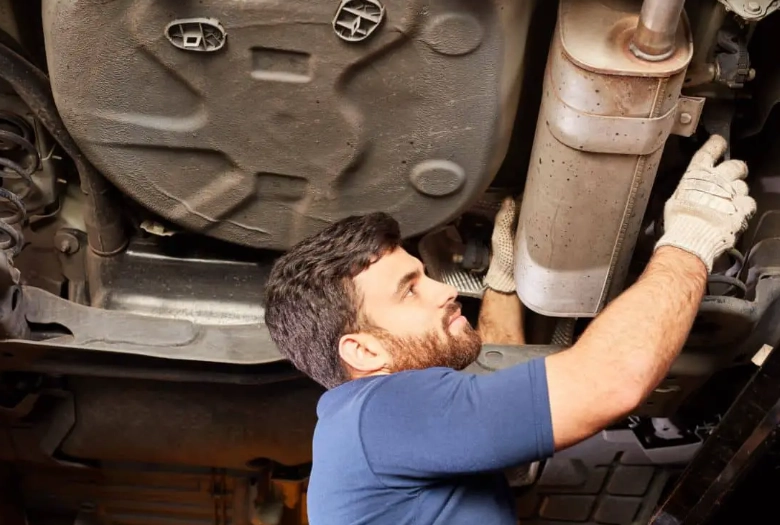
Critical Reminder: This table is your starting point, not your final answer. County boundaries and program details are subject to change by state legislatures and environmental agencies. The only way to be 100% sure is to use your state's official DMV or environmental department website. For example, the U.S. Environmental Protection Agency (EPA) provides an overview, but they delegate authority to the states.
Understanding the "Why" and "How" of Emissions Testing
So why does this confusing system even exist? It's not just to give you a headache on a Saturday morning.
The main goal is to improve air quality by catching cars that are polluting way more than they should. A single poorly maintained car can emit many times more smog-forming pollutants than a well-tuned one. These programs, often called I/M (Inspection and Maintenance) programs, are mandated by the federal Clean Air Act for areas that don't meet national air quality standards. So, if your city has a smog problem, you're more likely to have to test.
What Do They Actually Test For?
This has evolved a lot. The old-school method was the "tailpipe test," where a probe was stuck up your exhaust while the car ran on a dynamometer. It was loud, slow, and a bit crude.
Today, for most cars model year 1996 and newer, the standard is the OBD-II (On-Board Diagnostics) test. The inspector simply plugs a scanner into the port under your dashboard (the same one a mechanic uses). The scanner talks to your car's computer, which is constantly monitoring the engine and emissions systems. If the computer hasn't stored any relevant fault codes (like for the catalytic converter or oxygen sensors) and all the self-tests are "ready," you pass. It's quick and highly effective at finding problems that actually cause pollution.
Older cars (pre-1996) and some specific cases might still get a tailpipe test or a gas cap pressure test. Diesel vehicles often have a completely different, more involved opacity test to measure soot.
Pro Tip: Before you go for an OBD-II test, make sure your car's computer is "ready." If your battery was recently disconnected or you cleared check engine codes, the computer needs to complete its drive cycle self-tests. This can take 50-100 miles of mixed driving (highway and city). If you show up with a "not ready" status, you'll likely fail or be turned away. A cheap Bluetooth OBD-II scanner and a phone app can tell you your readiness status before you go.
Navigating Exemptions and Special Cases
This is where people get tripped up. Exemptions are your best friend if you qualify. Let's break down the most common ones you'll see across states that require emissions testing.
1. Vehicle Age Exemptions (The "Too Old" Rule): Most states exempt vehicles over a certain age. This cutoff is usually between 20-25 years old. For example, a 1998 car might be exempt in a state with a 1995-and-older rule. The logic? These older cars are fewer in number, often driven less, and sometimes harder to bring up to modern standards. If you have a classic car, this is your likely out.
2. New Vehicle Exemptions (The "Too New" Rule): Almost every testing state gives brand-new cars a pass for the first few years. This grace period is typically 2 to 5 years. The assumption is that a new car fresh from the factory will pass easily, so it's a waste of time and resources to test it. Check your state's specific "model year" exemption.
3. Vehicle Type Exemptions:
- Diesel Vehicles: Rules are all over. Some states exempt all diesels, some exempt old diesels, and some have their own separate, stricter diesel test.
- Electric Vehicles (EVs): Zero tailpipe emissions? Zero testing requirement (for now). Every state I've seen exempts pure battery-electric vehicles.
- Hybrids: Usually treated like gasoline cars and must be tested, as they still have an internal combustion engine.
- Motorcycles & Mopeds: Frequently exempt, though not always.
- Farm Vehicles & Commercial Trucks: Often have different rules or exemptions based on weight and registration class.
My friend learned the hard way about the diesel rule. He bought an older diesel truck in a state that exempted it, then moved to one that required a tough diesel opacity test. He failed miserably and faced a four-figure repair bill. Always check the fine print for your specific vehicle type.
What Happens If You Fail?
Don't panic. Failing an emissions test is common, and it's not the end of the world. It just means your car needs some work before it can be legally registered.
You will receive a failure report detailing what caused the issue. Most often, it's something like:
- A faulty oxygen sensor.
- A failing catalytic converter (the most expensive common fix).
- An ignition system problem (spark plugs, coils).
- A loose or failed gas cap.
- A vacuum leak or an issue with the EVAP system.
The state will give you a time window to get the repairs done and return for a re-test. Some states, like California, have a Consumer Assistance Program that offers financial help for repairs if you qualify based on income. It's worth looking into.
After repairs, you might get a free or reduced-cost re-test. If you spend a certain minimum amount on repairs at a licensed station and still fail, you may qualify for a "waiver," which allows you to register the car despite the failure. Waiver rules are strict and vary by state.
Your Questions, Answered (The FAQ)
I'm buying a car from a private seller in a testing state. Who is responsible for the test?
This is crucial. In most states with testing, the seller is required to provide a current, passing emissions certificate at the time of sale. Do not complete the sale without it. If they don't have one, the burden (and cost of potential repairs) falls on you, the buyer, to get it tested and pass before you can register it. Make the passing test a condition of the sale.
My car is registered in a non-testing county, but I live in a testing county. What do I do?
You're technically supposed to register your car at your primary residence address. If you live most of the year in a county that requires testing, you likely need to re-register your vehicle there and comply with its rules. Using a P.O. Box or relative's address in a rural county to avoid testing is fraud and can lead to big fines and registration revocation if caught.
Are there any states that recently got rid of emissions testing?
Yes! This is a trend worth watching. As cars have gotten cleaner and air quality has improved in some areas, states have scaled back. Washington state is the prime example. They've been phasing out testing, and as of now, only newer cars (model year 2009+) in specific urban counties need it. Florida, Louisiana, and Kentucky are examples of states that had programs and terminated them. Always check the current status.
How much does an emissions test cost?
It varies by state and testing facility. On the low end, you might pay $15-$20. In some places with more advanced testing, it can be $30-$40. The fee is usually set or capped by the state. Repair costs if you fail are a separate story and can range from $20 for a gas cap to over $1,000 for a catalytic converter.
Can I get tested if my "Check Engine" light is on?
Almost certainly not. A lit Check Engine Light (CEL) is an automatic failure for an OBD-II test. The light indicates the car's computer has stored a fault code related to the emissions system. You must diagnose and repair the cause of the light, then clear the codes and complete the drive cycle to get a "ready" status before testing. Don't just clear the codes and drive straight to the test station—you'll fail.
The Future: Is Emissions Testing Going Away?
It's a great question. With the rise of electric vehicles that have no tailpipe, the long-term relevance of tailpipe testing is questionable. However, EVs are still a small percentage of the total fleet, and the hundreds of millions of gasoline cars on the road will be here for decades.
I think we'll see a gradual shift. Testing may become less frequent (biennial instead of annual) or target only older vehicle cohorts. The focus might move more toward remote sensing—using roadside sensors to identify gross polluters—rather than requiring every car to visit a station. But for the next 10-15 years, if you live in an urban area with air quality issues, knowing what states require emissions testing (and more importantly, *where* in those states) will remain a key part of car ownership.
The best advice? Bookmark the official page for your state's program. For instance, California's Bureau of Automotive Repair (BAR) site is the definitive source for all things Smog Check in that state. A few minutes on the official site can save you hours of hassle and confusion.
Hope this guide takes the mystery out of the process for you. Safe driving.