What You'll Learn
Understanding Performance Upgrades
Let's face it – we all want our cars to run better. But what does that mean? For many, it's about more horsepower, better handling. But it's not just about adding parts. It's about understanding how each upgrade interacts with the engine. And it's not a one-size-fits-all. You'll need to consider your budget, your driving habits. And it's a process. It takes time. But it's worth it. Because in the end, you'll have a car that performs better. And that's what we all want.
Now, let's look at some of the most common upgrades. First, the air intake system. This is crucial for engine performance. It allows more air to flow in, which can boost horsepower. But it's not just about the air. There's also the exhaust system. This helps reduce back pressure, improving efficiency. And then there's the suspension. This affects handling. And it's all connected. So you see, it's a system. And when you upgrade one part, you need to consider the others. It's not always straightforward. But with careful planning, you can achieve significant improvements. And it's not just about the car. It's about the driving experience. And that's what really matters.
Top 5 Upgrades
Now, let's get to the specifics. Here are five key upgrades:
- Air Intake System
- Exhaust System
- Suspension
- Braking System
- Cooling System
Each of these has its own challenges. But with the right approach, you can overcome them. And it's not just about the parts. It's about how they work together. And that's the key. So, let's look at each in detail.
Air Intake System
This is often the first upgrade many consider. A high-flow air intake replaces the stock air filter and housing, allowing more air into the engine. More air means more oxygen for combustion, which can increase horsepower by 5-10%. But here's the catch – if not paired with a proper exhaust, it might not deliver full benefits. I learned this the hard way when I installed one on my old Honda Civic without upgrading the exhaust; the engine felt breathless at high RPMs.
Cost: Typically $100-$300 for parts. Installation can be DIY in about an hour with basic tools.
Exhaust System
Upgrading the exhaust system reduces back pressure, letting exhaust gases flow out more efficiently. This can add another 5-15% horsepower and improve fuel economy by 1-2 MPG if done right. But avoid cheap, loud exhausts – they often drone on the highway and attract unwanted attention from law enforcement. A cat-back system (from the catalytic converter back) is a good balance for most street cars.
Cost: $500-$1500 for a quality cat-back system. Professional installation is recommended due to welding and fitment issues.
Suspension
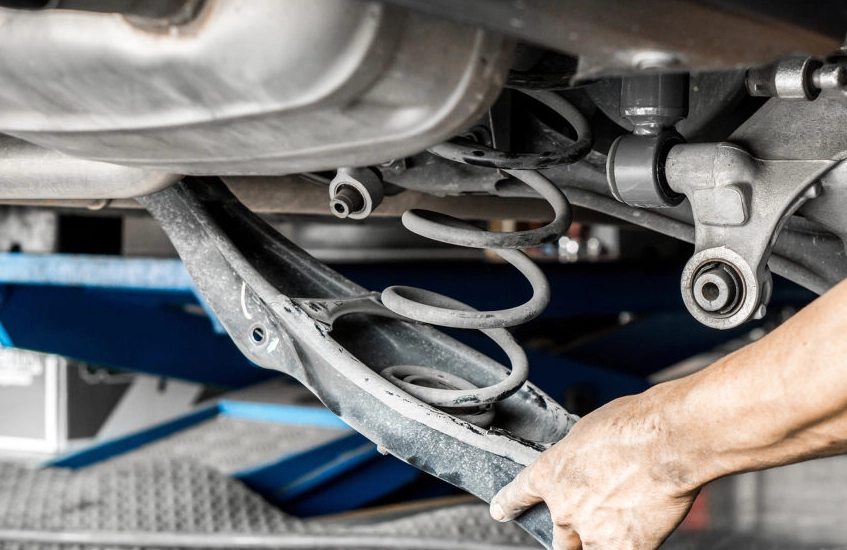
Better suspension isn't just for racers – it improves handling, stability, and comfort. Upgrades include coilovers, sway bars, and bushings. For daily drivers, I suggest starting with sway bars; they reduce body roll in corners without sacrificing ride quality too much. I put a set on my Mazda3, and the difference was night-and-day in twisty roads.
Cost: Sway bars around $200-$400, coilovers $1000-$3000. Installation varies; sway bars are DIY-friendly, coilovers often need professional help.
Braking System
More power requires better brakes. Upgraded brake pads, rotors, and lines can reduce stopping distance and prevent fade during hard driving. Don't overlook brake fluid – a high-temperature DOT 4 or DOT 5.1 fluid is essential for performance driving. I once cooked my brake fluid on a track day, and the pedal went spongy; not a fun experience.
Cost: Brake pads $50-$150 per axle, rotors $100-$300 each. Fluid flush about $100 if done professionally.
Cooling SystemPerformance upgrades generate more heat, so upgrading the cooling system prevents overheating. This includes a larger radiator, better coolant, and oil coolers. For turbocharged cars, an intercooler upgrade is critical. On my modified Subaru WRX, adding a front-mount intercooler dropped intake temperatures by 30°F, which helped sustain power during long pulls.
Cost: Radiator $200-$500, intercooler $300-$800. Installation can be complex, so factor in labor costs.
Common Pitfalls in Performance Upgrades and How to Avoid Them
Everyone makes mistakes, but in performance upgrades, some can be costly. Here are a few I've seen or done myself:
- Ignoring Tuning: After installing an air intake and exhaust, many skip engine tuning. The ECU (engine control unit) needs to adjust to the new airflow; otherwise, you might lose power or even damage the engine. A custom tune from a reputable shop can unlock the full potential.
- Cheaping Out on Parts: Budget parts might fit poorly or fail quickly. I once bought a no-name exhaust that cracked after six months. Stick to brands with good reviews from sources like Car and Driver or Motor Trend.
- Overlooking Supporting Mods: Adding a turbo without upgrading fuel injectors or clutch is a recipe for disaster. Always plan the whole system, not just one component.
To avoid these, do your research. Join forums specific to your car model – they're goldmines of real-world advice. And don't rush; take time to understand how each upgrade interacts.
Step-by-Step Guide to Planning Your Performance Upgrade Project
Let's say you drive a 2015 Ford Mustang EcoBoost and want more power. Here's a realistic plan:
- Define Your Goals: Are you aiming for track performance, daily driving comfort, or just a bit more pep? For the Mustang, maybe you want a 50 horsepower increase for street use.
- Set a Budget: Performance upgrades add up. Allocate funds for parts, installation, and potential tuning. For our example, budget $2000-$3000.
- Prioritize Upgrades: Start with bolt-ons that don't require major changes. For the Mustang EcoBoost, a cold air intake ($200), cat-back exhaust ($800), and ECU tune ($500) are a solid start, potentially adding 40-60 horsepower.
- Consider Long-Term: If you plan more mods later, like a turbo upgrade, ensure early upgrades are compatible. Consult with a tuner or shop during planning.
- Install and Test: Do installations in stages. After the intake, drive for a week to feel the difference. Then add the exhaust, and finally the tune. This way, you can isolate any issues.
Remember, every car is different. What works for a Mustang might not for a Toyota Corolla. Tailor your plan to your vehicle and needs.