Let's be honest, when Xiaomi announced they were building a car, a lot of us raised an eyebrow. A phone company making cars? But after spending time with the Xiaomi SU7, their first electric vehicle, the picture gets clearer. This isn't just a car; it's a massive, rolling piece of their HyperOS ecosystem. The ambition is staggering, and the execution... well, it's more impressive than I expected.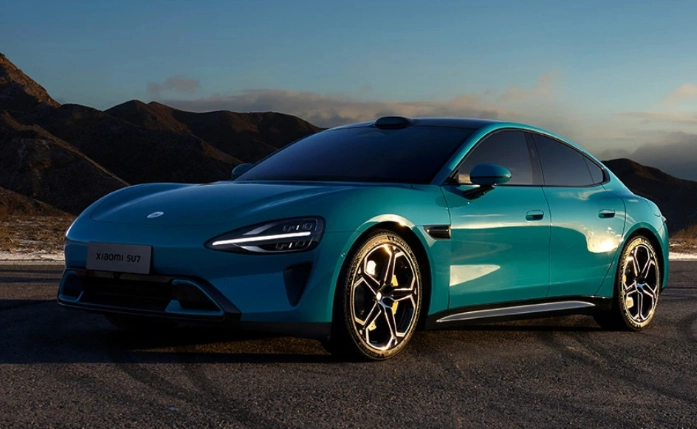
If you're considering an electric sedan and value tech integration as much as driving dynamics, the SU7 demands your attention. It directly targets the Tesla Model 3 and BYD Seal, but with a flavor that's uniquely Xiaomi.
Quick Navigation
The Big Question: How Much Does the Xiaomi SU7 Cost?
Xiaomi came out swinging with aggressive pricing. This was their first masterstroke. Forget the concept car fantasies; the starting price made everyone sit up. Here's the breakdown that matters.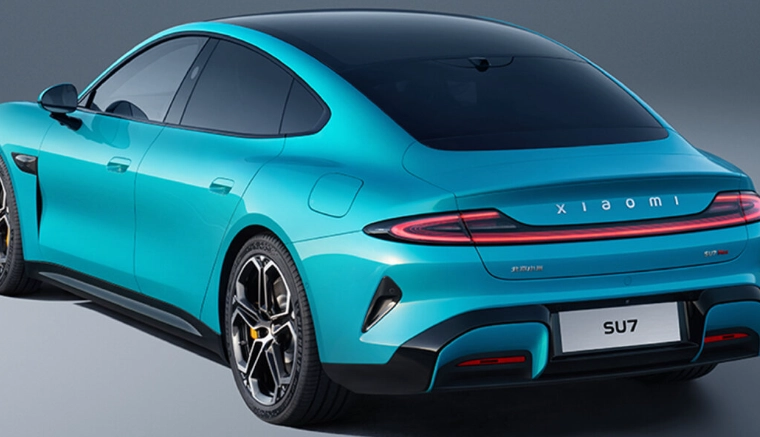
| Trim Level | Key Specifications | Starting Price (Approx.) | Who It's For |
|---|---|---|---|
| SU7 Standard | RWD, 220 kW motor, 73.6 kWh LFP battery, 700 km (CLTC) range | ~$30,000 | The value-focused commuter. Max range for the money. |
| SU7 Pro | RWD, 220 kW motor, 94.3 kWh NMC battery, 830 km (CLTC) range | ~$34,000 | The range-anxiety conqueror. The sweet spot for most. |
| SU7 Max | AWD, 495 kW dual motors, 101 kWh NMC battery, 800 km (CLTC), 0-100 km/h in 2.78s | ~$41,000 | The performance enthusiast. Supercar speed at a fraction of the cost. |
Look at that Pro trim. An 830 km CLTC-rated range for around $34k is a serious statement. In real-world mixed driving, expect roughly 80% of that CLTC figure, which is still exceptional. The Max's performance numbers are ludicrous for the price. A common mistake buyers make is automatically opting for the top trim. Ask yourself: Do you really need sub-3-second acceleration daily, or would the sublime efficiency and lower cost of the Pro serve you better?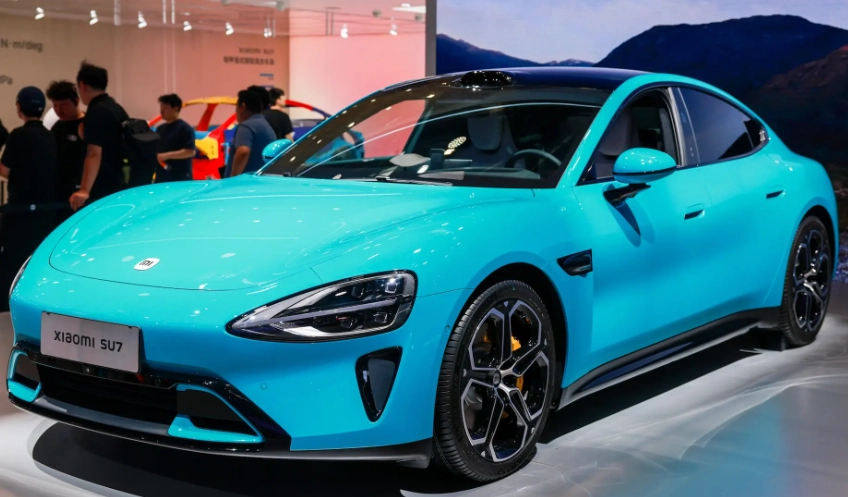
First Impressions: Design and Interior Space
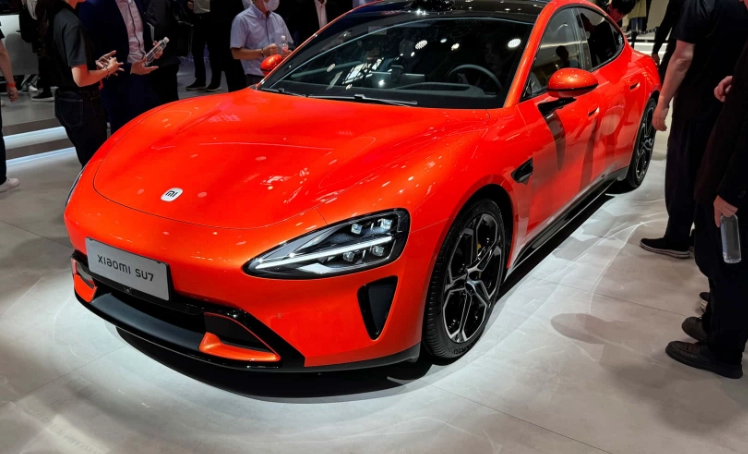
The SU7 is a good-looking car. It's low, wide, and has a coupe-like silhouette that's instantly recognizable. It doesn't scream for attention with weird lines, which I appreciate. The interior is minimalist, dominated by a massive 16.1-inch central screen and a 7.1-inch rotating instrument cluster.
Materials are solid—soft-touch plastics, aluminum accents, and decent leather. It doesn't feel as lush as a NIO ET5, but it's a step above the starkness of a base Model 3. The front seats are excellent, supportive and comfortable for long drives.
Now, the rear seats. This is a trade-off. The sloping roofline eats into headroom for anyone over 6 feet tall. Legroom is adequate, not class-leading. If you regularly carry tall adults in the back, have them test-sit. For kids and average-height passengers, it's perfectly fine.
Storage and Practicality
Here's a win: both a frunk and a large trunk. The rear trunk opening is a hatchback-style liftback, which is incredibly practical for loading bulky items. Total storage space is competitive. They've thought about daily usability.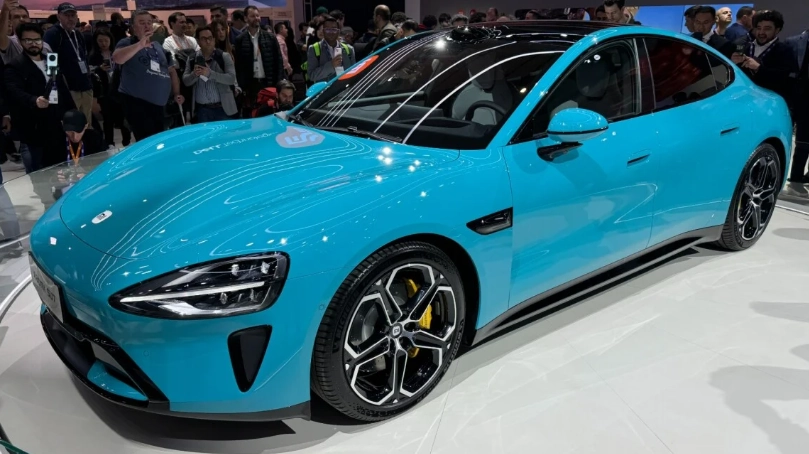
Under the Hood: Performance and Range Specs
Let's talk numbers without the fluff. The base RWD model is quick enough (5.28s 0-100 km/h). The Max is a monster. The real story is the efficiency of the 800V architecture. Xiaomi claims a 15-minute charge can add 350 km of range (CLTC) on a super-fast charger.
Real-World Range Tip: CLTC ratings are optimistic. A good rule of thumb for highway driving (110 km/h) is to take the CLTC number and multiply by 0.65-0.7. For the 830 km Pro, that's still 540-580 km of real highway range, which is fantastic. City driving will get you much closer to the advertised figure.
The battery tech is worth noting. The Standard uses cheaper, durable Lithium Iron Phosphate (LFP) cells. The Pro and Max use higher-density Nickel Manganese Cobalt (NMC) cells for longer range and better performance in cold weather, though at a higher cost.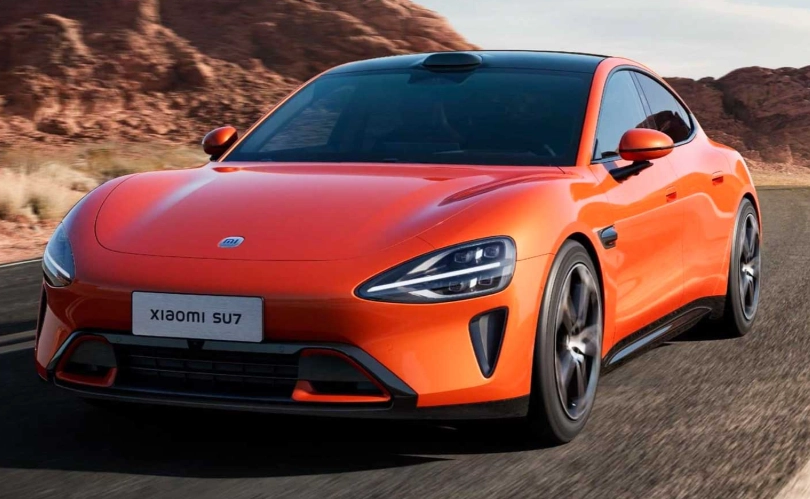
The Game Changer: HyperOS and Smart Features
This is where the SU7 tries to leapfrog the competition. HyperOS isn't just an infotainment system; it's designed to be the connective tissue between your Xiaomi phone, watch, home devices, and now, your car.
Imagine this: You're watching a video on your Xiaomi phone at home. You get in the car, and the video automatically transfers to the central screen to continue playing (using the car's data plan). Your phone becomes the key seamlessly. You can control smart home devices like cameras and lights from the car's screen. The level of integration promised is unprecedented if you're deep in the Xiaomi ecosystem.
The interface is slick and responsive. A subtle but brilliant feature is the extensive use of physical buttons for climate control and common functions—a welcome reprieve from the everything-on-the-screen trend that can be distracting while driving.
Driver-assist features are on par with leaders, offering adaptive cruise and lane centering that work well on highways. It's not a full self-driving system, but it's a competent co-pilot for tedious journeys.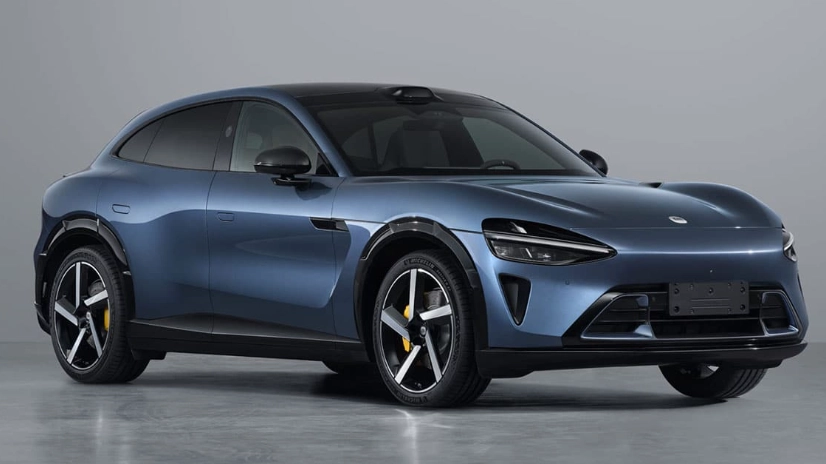
On the Road: The Driving Verdict
I drove the SU7 Pro. The first thing you notice is the silence. Road and wind noise are well-suppressed. The steering is light and precise in the city, firming up nicely at speed. The ride quality is a highlight—it's comfortable, absorbing bumps without being floaty. It's tuned more for daily comfort than track-day aggression, which is the right call for 95% of buyers.
The acceleration is linear and forceful when you need it. Overtaking is effortless. The brake pedal feel, a common EV weakness, is good and predictable.
Is it the most engaging driver's car in its class? Probably not—the Tesla Model 3 might still have an edge in razor-sharp feedback. But the Xiaomi SU7 is composed, confident, and incredibly easy to live with. It makes fast, comfortable progress without ever feeling stressful.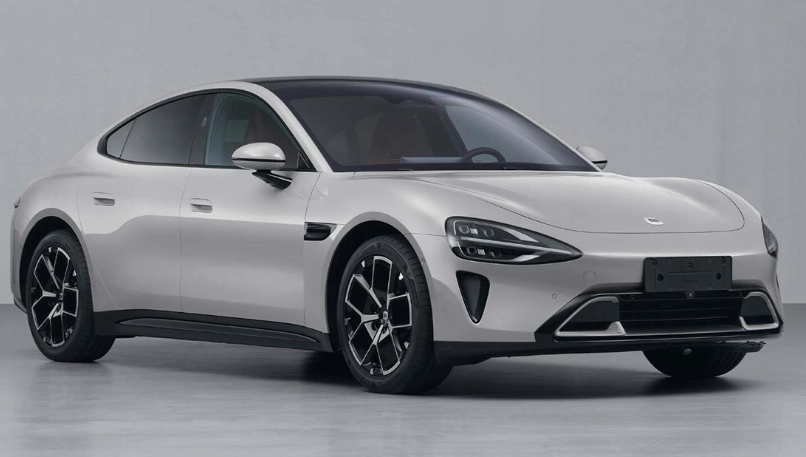
How It Stacks Up: Key Competitors
You're likely cross-shopping these. Here's the blunt take.
vs. Tesla Model 3: The Model 3 has a superior charging network (in many regions), slightly sharper handling, and brand cachet. The SU7 fights back with better interior materials, a more comfortable ride, a digital instrument cluster (the Model 3 lacks one), and potentially deeper ecosystem integration if you're a Xiaomi user. It's also often cheaper comparably equipped.
vs. BYD Seal: The Seal is a fantastic all-rounder and a direct rival. The Seal might have a slight edge in rear seat comfort. The SU7 counters with a more futuristic cabin tech feel and that ecosystem play. It's a toss-up on driving dynamics; both are excellent. Price will be the ultimate decider here.
vs. NIO ET5: The ET5 feels more premium inside and offers battery swapping. It's also more expensive. The SU7 offers better value on paper and a different approach to the "tech" part of the car.
The SU7's unique selling proposition is clear: unmatched value and deep tech integration for the price.
Your Xiaomi SU7 Questions Answered