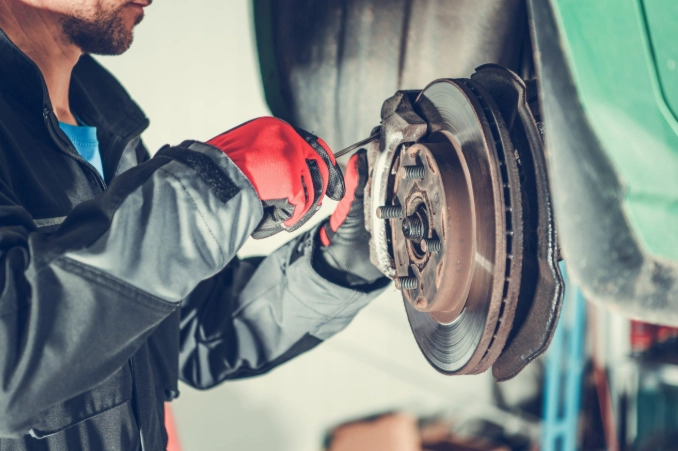
Let's be honest. When you think about maintaining your BMW, brake fluid probably isn't the first thing that comes to mind. It's not as exciting as new tires or as noticeable as an oil change. But here's the thing I learned the hard way: ignore your BMW's brake fluid, and you're ignoring the single most critical safety system in the car. I'm not being dramatic. Those fancy calipers, the high-performance rotors—they're all useless if the fluid moving the pistons is old, contaminated, or just plain wrong for your vehicle.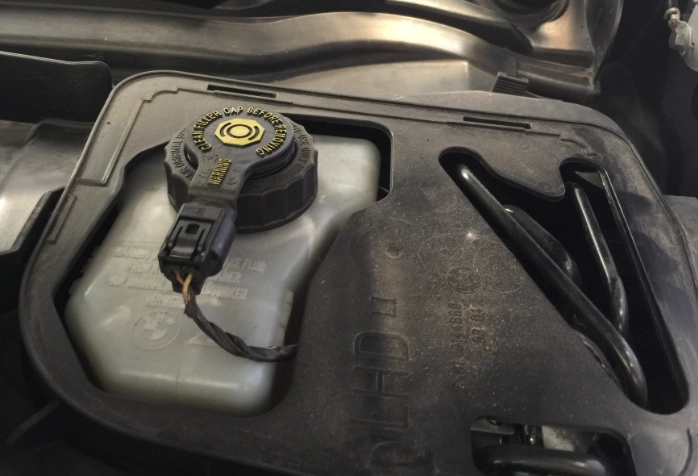
I remember the first time I changed the brake fluid on my E90 3 Series. I figured, "how different can it be?" and used a generic DOT 4 fluid I bought on sale. Big mistake. The pedal felt spongy within a few weeks. A mechanic friend took one look and said, "You put the wrong stuff in there. Your BMW needs specific stuff." That was my wake-up call, and it's why I've spent years digging into what makes BMW brake fluid so particular.
This guide is everything I wish I'd known back then. We're going to cut through the marketing jargon and get straight to what matters: keeping your brakes working flawlessly. Whether you're a DIY enthusiast or just want to understand what your mechanic is talking about, you're in the right place.
The Core Truth: Your BMW's braking system is a hydraulic miracle, but it's only as good as the fluid inside it. Using the wrong type or neglecting changes compromises everything—stopping power, component life, and most importantly, your safety.
Quick Guide
- Why is Brake Fluid for a BMW So Special?
- Decoding BMW Brake Fluid Types: DOT 4, DOT 4 LV, and DOT 5.1
- How Often Should You Really Change Your BMW Brake Fluid?
- DIY vs. Professional Service: What's the Real Deal?
- A Step-by-Step Look at the Brake Fluid Change Process
- Your BMW Brake Fluid Questions, Answered
- Final Thoughts: It's About More Than Just a Checklist
Why is Brake Fluid for a BMW So Special?
It's not just marketing. BMW engineers their cars—especially modern ones with advanced stability control (DSC), brake assist, and regenerative braking in hybrids—to work with very specific fluid properties. Think of brake fluid as the nervous system for your brakes. It has to transmit force instantly, without compressing, and do it consistently from -40°F to over 400°F at the caliper.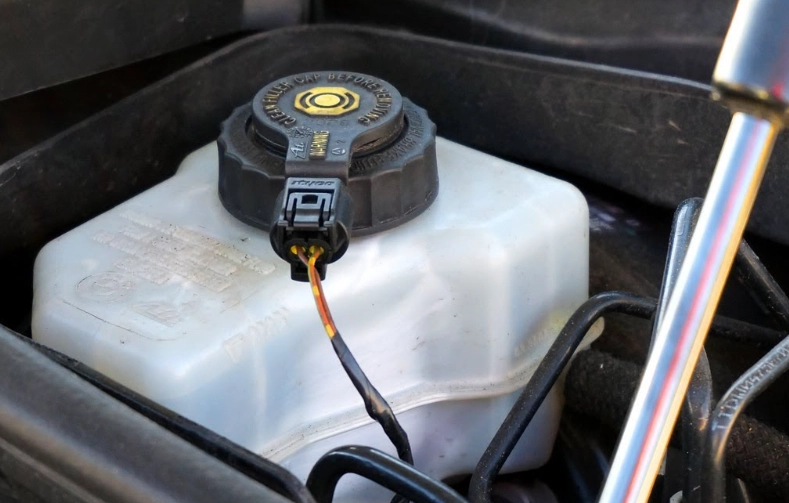
BMWs tend to have high-performance brakes that generate a lot of heat. They also have complex ABS/DSC modules with tiny valves and passages. The wrong fluid can cause two major problems:
- Boiling: If the fluid's boiling point is too low, heat from hard braking can turn it to vapor. Vapor compresses. A compressible pedal is a pedal that goes to the floor when you need it most. This is called "brake fade," and it's terrifying.
- Corrosion and Gumming: Brake fluid is hygroscopic—it absorbs water from the air through microscopic pores in brake lines and reservoir seals. Water in the system lowers the boiling point and causes internal corrosion. In sensitive BMW components, this corrosion can lead to very expensive failures.
So, BMW doesn't just specify "DOT 4." They often specify a particular BMW brake fluid standard, like their own Long Life rating, which exceeds basic DOT 4 requirements, particularly in terms of viscosity and long-term corrosion protection for their specific metals and seals.
It's a detail that's easy to miss, but getting it right is everything.
Decoding BMW Brake Fluid Types: DOT 4, DOT 4 LV, and DOT 5.1
This is where most people get confused. Let's break it down simply. The US Department of Transportation (DOT) sets minimum standards. Most BMWs need a fluid that meets at least DOT 4. But which one?
| Fluid Type | Key Characteristics | Typical BMW Use Case | What You Need to Know |
|---|---|---|---|
| DOT 4 | Standard high-performance fluid. Dry boiling point > 446°F (230°C). Good balance of performance and compatibility. | Older BMWs (pre-2000s), many models up to the early 2010s. Often specified in owner's manuals. | The baseline. Perfectly fine for many cars if changed regularly. Not the absolute best for newest tech. |
| DOT 4 Low Viscosity (LV) | Meets DOT 4 standards but with a lower viscosity (thinner flow) when cold. This is a big deal for modern ABS/DSC systems. | Most modern BMWs (approx. 2010+). This is increasingly the factory fill. Check your manual for "DOT 4 LV" or "ISO 4925 Class 6". | This is the critical one. Using standard DOT 4 in a car that needs LV can slow down the electronic nannies (DSC, ABS) in cold weather, affecting safety. |
| DOT 5.1 | Non-silicone, glycol-based like DOT 3 & 4. Very high dry boiling point (>500°F/260°C). Compatible with DOT 3/4 systems. | High-performance applications, track-driven BMWs (M cars, etc.). Sometimes specified for extreme duty. | Great for heat resistance. Often more hygroscopic (absorbs water faster), so changes may be needed more often. NOT the same as DOT 5 (silicone-based), which is NOT compatible and will destroy your BMW's system. |
The shift to DOT 4 LV brake fluid for BMW models is a quiet revolution. That lower viscosity ensures the stability control and anti-lock brakes can react with lightning speed, even on a freezing morning. If your car's manual calls for it, don't substitute.
Critical Warning: Never, ever use DOT 5 (silicone-based) brake fluid in a BMW designed for DOT 3, 4, or 5.1. They are not compatible. DOT 5 doesn't absorb water, which sounds good, but that means water pools in the system and causes localized corrosion and freezing. It can also cause seals to swell and fail. It's a recipe for a completely ruined and unsafe brake system.
So how do you know what's in your car? The best source is your owner's manual. The reservoir cap might also say "DOT 4 ONLY" or similar. For modern BMWs, if the manual is vague, assuming it needs DOT 4 LV is a very safe bet. When in doubt, use a fluid that meets BMW's own specification. Brands like Pentosin, ATE, and Castrol make fluids that are explicitly approved for BMWs.
How Often Should You Really Change Your BMW Brake Fluid?
Ah, the million-dollar question. BMW's official stance is a 2-year interval, regardless of mileage. This is a blanket recommendation found in most service schedules. Some people think it's overkill. I used to be one of them.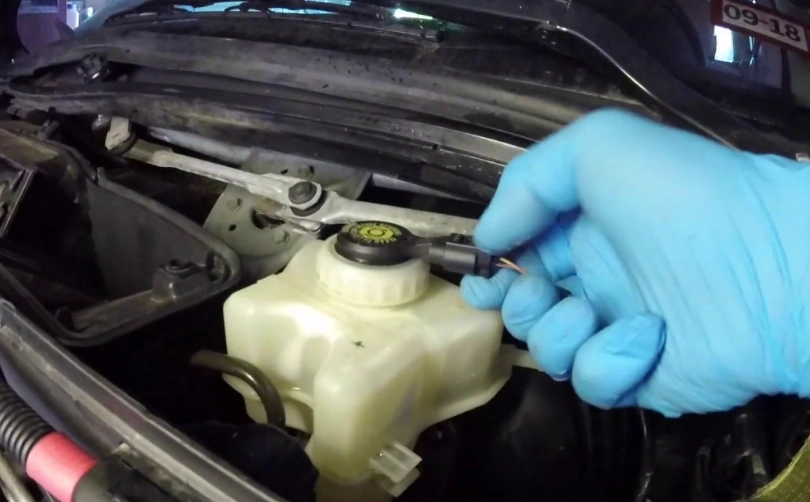
But then I tested my own fluid at 18 months with a cheap moisture tester. The results were shocking. The boiling point had already dropped significantly from the "dry" spec. In a humid climate, fluid can absorb enough water in two years to make a real difference. BMW's interval is conservative, but it's conservative for a reason: safety and protecting those expensive electronic components.
Here’s a more nuanced way to look at it:
- Follow the CBS (Condition Based Service): Most modern BMWs have a service reminder in the iDrive. It calculates fluid life based on time, mileage, and driving conditions. When it says "Brake Fluid," get it changed. This is your car's own brain telling you what it needs.
- The 2-Year Rule: If your car doesn't have CBS or you ignore it, stick to 24 months. It's simple and safe.
- Severe Service: If you drive in stop-and-go traffic, live in a very humid coastal area, or take your car to the track, consider an annual brake fluid flush for your BMW. Heat and moisture are the enemies.
What are the symptoms of old fluid? Often, there are none until it's too late. A slightly spongier pedal over a long period is a clue. The only real way to know is to test it or just change it on schedule. It's cheap insurance.
Pro Tip: A proper brake fluid change isn't just "topping up." Topping up is useless and can actually trap old, contaminated fluid in the calipers. A full brake fluid flush BMW procedure involves systematically bleeding each caliper in a specific order until brand-new, clear fluid comes out, ensuring the entire system is refreshed.
DIY vs. Professional Service: What's the Real Deal?
Changing brake fluid seems like a perfect DIY job. It's not an engine rebuild, right? Well, maybe. Let's weigh it honestly.
The DIY Route: The Appeal and The Pitfalls
I've done it myself. The appeal is clear: save money and the satisfaction of doing it. You need a helper to pump the pedal, or better yet, a one-person brake bleeder kit (a pressure bleeder is ideal for BMWs). The process is straightforward: suck old fluid from the reservoir, fill with new, then bleed each wheel starting from the one farthest from the master cylinder (usually rear passenger, rear driver, front passenger, front driver).
But here's the messy truth, and why I often pay a pro now:
- Airing Out the System: The biggest risk is introducing air. A tiny air bubble in the ABS/DSC module can be a nightmare to remove without a professional scan tool that can cycle the module's pumps and valves. You can bleed for hours and still have a soft pedal.
- The Mess: Brake fluid is a fantastic paint stripper. Spill some on your BMW's beautiful paint or alloy wheel, and you'll have a permanent, ugly stain faster than you can say "oh no."
- Disposal: Old brake fluid is hazardous waste. You can't just pour it down the drain. You have to take it to a recycling center.
It's doable, but it's not as simple as an oil change.
Professional Service: Why It Often Makes Sense
A good independent BMW specialist or dealer will use a pressurized machine that pushes new fluid through from the reservoir, avoiding the need to pump the pedal. More importantly, they have the diagnostic computer to properly cycle the ABS/DSC unit, ensuring no air is trapped in the heart of the system.
The cost? Typically between $120 and $250, depending on your location and shop. For that, you get the right fluid, proper disposal, and the peace of mind that the complex electronic parts of your braking system were handled correctly. For most people, especially with newer BMWs, this is the stress-free choice.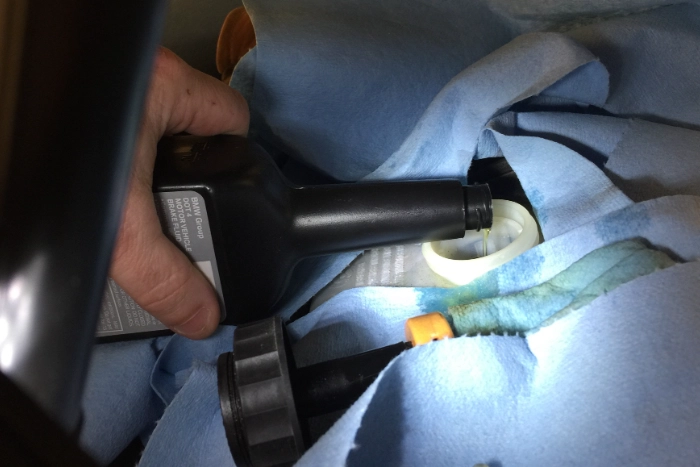
A Step-by-Step Look at the Brake Fluid Change Process
Whether you DIY or just want to know what the tech is doing, here's what a proper service entails:
- Preparation & Evacuation: The old fluid is extracted from the master cylinder reservoir using a suction tool. This gets rid of the most contaminated fluid at the top.
- Fill with New Fluid: The reservoir is filled with the correct new BMW brake fluid (e.g., DOT 4 LV).
- Pressure Bleeding: A specialized tool is connected to the reservoir, pressurizing the system with clean fluid. This is cleaner and more effective than the old pedal-pumping method.
- Caliber Bleeding: Starting at the caliper farthest from the master cylinder, a technician opens the bleed valve. Old, dark fluid (and any air) is pushed out through a clear tube into a catch bottle until the fluid runs completely clear and bubble-free. This is repeated at each wheel in the correct sequence.
- ABS/DSC Module Purge (Critical for Modern BMWs): Using a factory-level scan tool (like ISTA) or a high-end aftermarket one, the technician activates the ABS pump and solenoids in a specific service function. This flushes any old fluid trapped inside the hydraulic control unit, which a standard bleed cannot reach. This step is what separates a basic bleed from a true brake fluid flush for BMW systems.
- Final Check & Test: The reservoir level is set to the "MAX" mark, all caps are secured, and a road test is performed to ensure a firm, high pedal and proper brake function.
Missing step 5 is the most common shortcut in cheaper shops. It's why your pedal might feel okay 90% of the time, but under hard braking with ABS activation, you might get a sudden loss of pressure.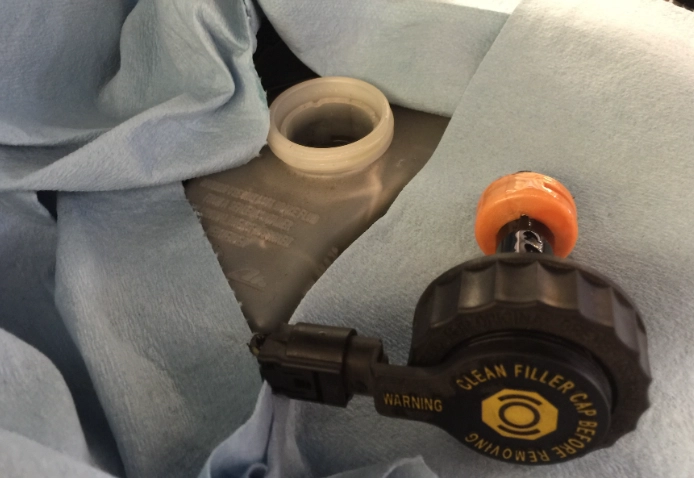
Your BMW Brake Fluid Questions, Answered
Final Thoughts: It's About More Than Just a Checklist
Dealing with your BMW's brake fluid isn't a glamorous part of ownership. There's no shiny new part to show off. But it's a profound act of preventative care. It's you saying, "I respect the engineering in this car, and I'm going to maintain it properly."
When that service reminder pops up, or when your calendar hits the two-year mark since the last change, don't dismiss it. Whether you spend an afternoon under the car with a bleeder kit or write a check to a trusted specialist, just get it done. Use the right fluid—DOT 4 LV for most modern cars—and make sure the job includes that crucial ABS module purge.
Your brakes are the one system you hope you never have to use to their full potential, but you must know they're ready if you do. Keeping the fluid fresh is the simplest, most cost-effective way to ensure they are. Drive safe.
Remember: For the most authoritative technical specifications on brake fluid standards, you can always refer to the official standards bodies. The Society of Automotive Engineers (SAE) publishes detailed standards like J1703 and J1704, which form the basis for DOT regulations. While it's dense reading, it's the source of truth for what these ratings actually mean. You can find more on the SAE International website.