Your car won't start. The dashboard lights are dim, and you hear that dreaded clicking sound. The culprit is almost always a dead battery. Your first thought might be to call for a jump start or a tow, but then another idea pops up: can I just replace the car battery myself? The short answer is yes, in most cases, you absolutely can. It's one of the simpler DIY car maintenance tasks. But—and this is a big but—it's not just about swapping one box for another. Doing it wrong can be expensive, dangerous, or simply leave you stranded with a brand new battery that doesn't work.
I've been fixing my own cars for over a decade, and I've replaced more batteries than I can count. I've also seen the mistakes people make, like frying their car's computer by connecting the terminals backwards. This guide isn't just a list of steps. It's the full picture: when you should DIY, when you should absolutely not, the tools you really need (not the ones a generic list tells you), and the subtle tricks that make the job foolproof.
Quick Navigation: What You'll Find Here
Should You Replace Your Car Battery Yourself?
Let's cut to the chase. For a standard sedan, SUV, or truck where the battery is easily accessible in the engine bay, DIY replacement is straightforward. You'll save $50 to $150 on labor, learn a useful skill, and get the job done on your own schedule. However, there are clear red flags that mean you should hand the job to a professional.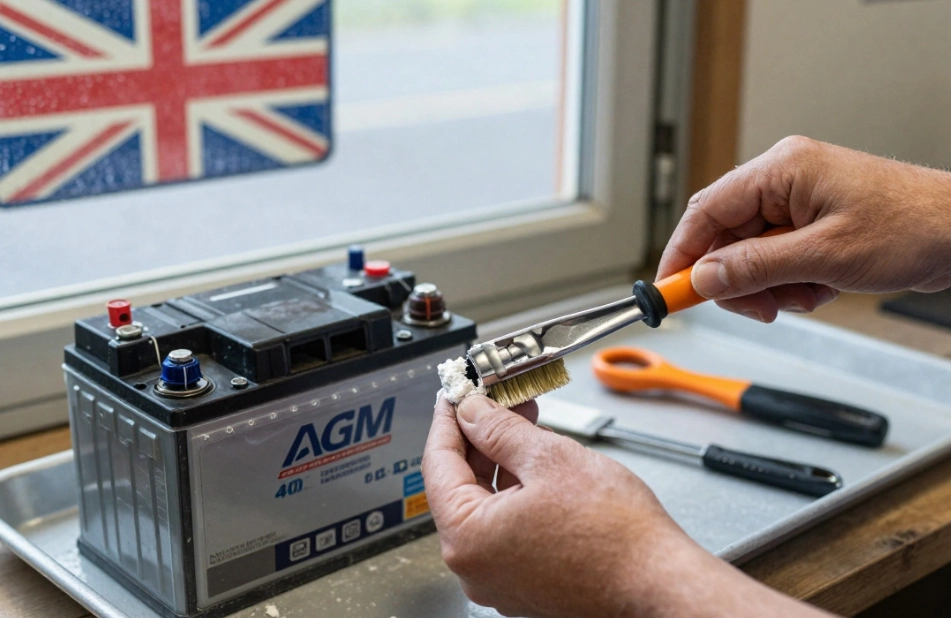
- Your battery is located under the rear seat, in the trunk, or inside a wheel well (common in some BMW, Mercedes, and Chevrolet models). Accessing it often requires removing interior panels and special tools.
- Your vehicle has a complex start-stop system (often called AGM or EFB batteries). These require specific handling and sometimes need to be "registered" to the car's computer using a professional scan tool.
- You see significant corrosion that has eaten into the battery tray or cables. This indicates a bigger problem that needs addressing.
- You're simply not comfortable working around electricity and acid. There's no shame in that; safety first.
If none of those warnings apply to you, you're likely a good candidate for a DIY battery replacement.
Essential Tools and Safety Gear (No Guessing)
You don't need a fancy mechanic's set. Here’s the exact list, broken down by necessity.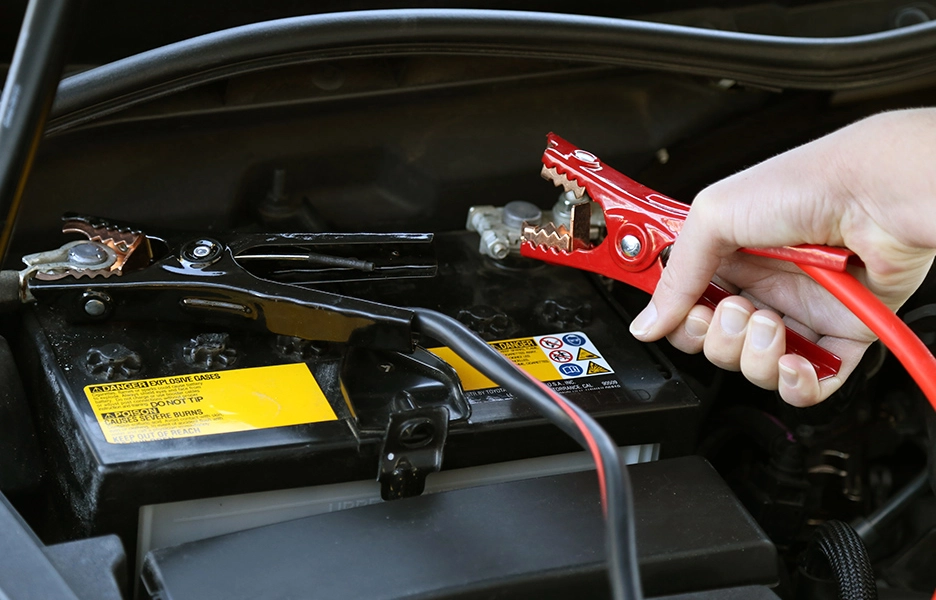
Non-Negotiables (You Must Have These)
- Safety Glasses: Battery acid splash is rare, but it only takes one drop in your eye to cause permanent damage. Wear them.
- Heavy-Duty Rubber Gloves: Protects your hands from acid and prevents accidental short circuits across jewelry (your wedding ring can weld itself to a wrench if it touches both terminals).
- Basic Wrench Set or Adjustable Wrench: Most battery terminals use 10mm, 12mm, or 13mm nuts. An adjustable crescent wrench works in a pinch.
- Battery Terminal Cleaner Brush: This $5 tool with wire and brass brushes is crucial for a good connection. Don't skip it.
Highly Recommended (Makes the Job Easier & Safer)
- Battery Memory Saver/9V Backup: Plug this into your cigarette lighter before disconnecting the battery. It preserves your radio presets, clock, and engine computer's adaptive memory. Without it, your car might idle roughly for a few miles as it relearns.
- Baking Soda & a Small Brush/Old Toothbrush: For neutralizing terminal corrosion.
- Petroleum Jelly or Dedicated Battery Terminal Protector Spray: Apply after cleaning to prevent future corrosion.
Buying the Right Replacement Battery
Walk into any auto parts store and they'll look it up for you. But to avoid upsells or mistakes, know these three specs from your old battery or owner's manual:
| Specification | What It Means | Where to Find It |
|---|---|---|
| Group Size (e.g., 24F, 35, H6) | The physical dimensions and terminal layout. A wrong size won't fit in the tray. | Stamped on the battery label. This is your most important number. |
| Cold Cranking Amps (CCA) | Power to start your engine in cold weather. Match or slightly exceed your old battery's rating. | On the label. A higher number is generally better for cold climates. |
| Reserve Capacity (RC) or Amp-Hours (Ah) | How long the battery can run accessories if the alternator fails. Important for cars with lots of electronics. | On the label. Match or exceed. |
One pro tip: if your car is more than 10-15 years old and has a basic flooded lead-acid battery, you can usually upgrade to a superior AGM (Absorbent Glass Mat) battery for longer life and better performance, as long as the group size matches. For newer cars with start-stop, you must replace with the exact type specified by the manufacturer (usually AGM or EFB).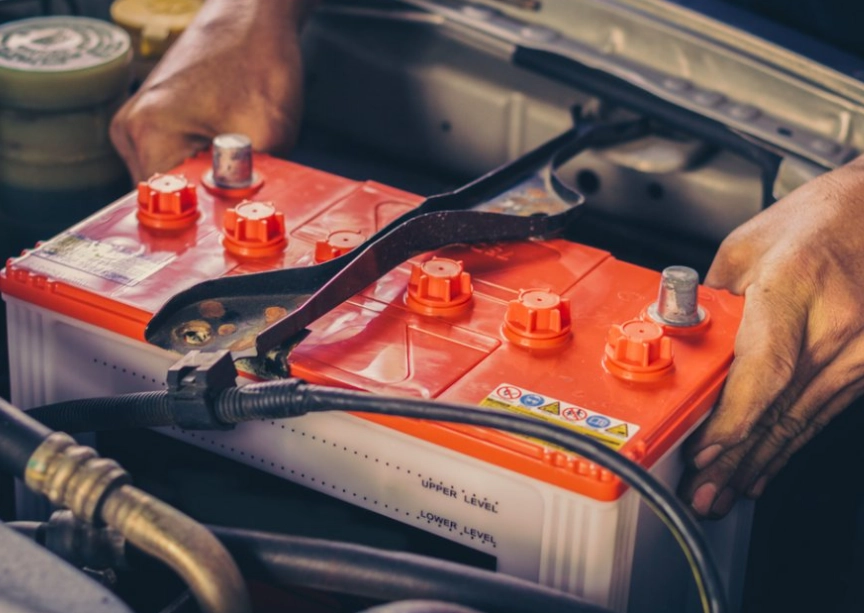
The Step-by-Step Battery Replacement Process
Let's get our hands dirty. Assume you're working on a typical car with the battery under the hood. Park on a flat surface, turn the engine off, and engage the parking brake.
Step 1: Safety and Preparation
Put on your gloves and safety glasses. If you have a memory saver, plug it into the 12V socket (cigarette lighter) now. Open the hood and locate the battery. Identify the negative (-) terminal (usually black and marked with a "-" or "NEG") and the positive (+) terminal (usually red and marked with a "+" or "POS"). This is critical.
Step 2: Disconnecting the Old Battery
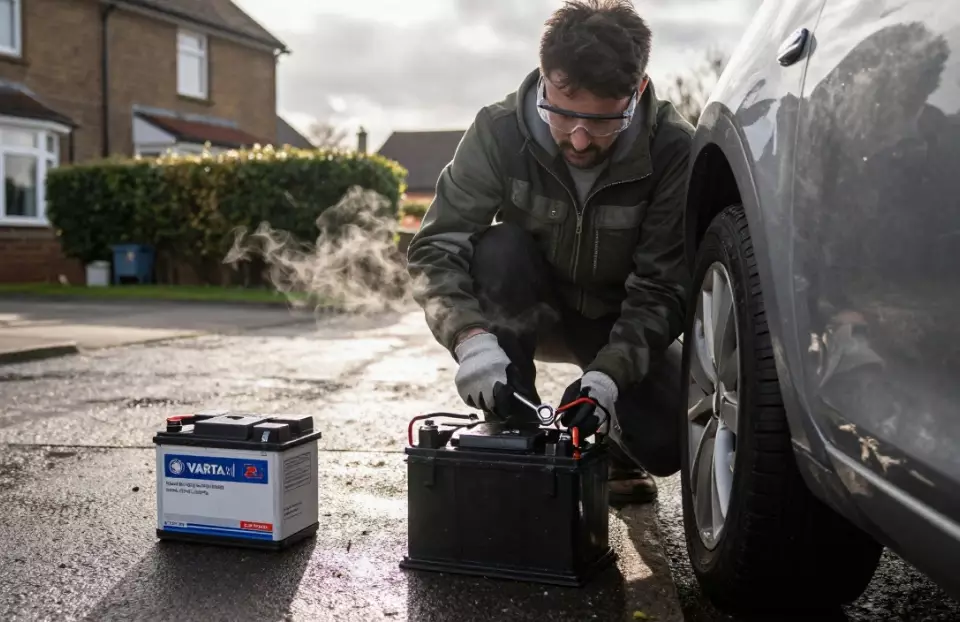
Here's the golden rule you must follow: ALWAYS disconnect the NEGATIVE terminal first, and reconnect it LAST. Why? If you disconnect the positive first and your wrench accidentally touches any metal part of the car (which is grounded to the negative), you'll create a massive short circuit. It can weld your tool, cause a fire, or fry electronics.
So, loosen the nut on the NEGATIVE terminal clamp. Once loose, twist and pull the clamp off the post. Tuck the cable away so it can't accidentally swing back and touch the terminal. Now, do the same for the POSITIVE terminal.
Step 3: Removing the Old Battery
Most batteries are held down by a bracket or strap across the top. Remove the bolts or nuts holding this bracket. Set everything aside. Batteries are heavy—around 30 to 50 pounds. Lift straight up using your legs, not your back. Some have a handle; use it. Place the old battery on the ground on a piece of cardboard.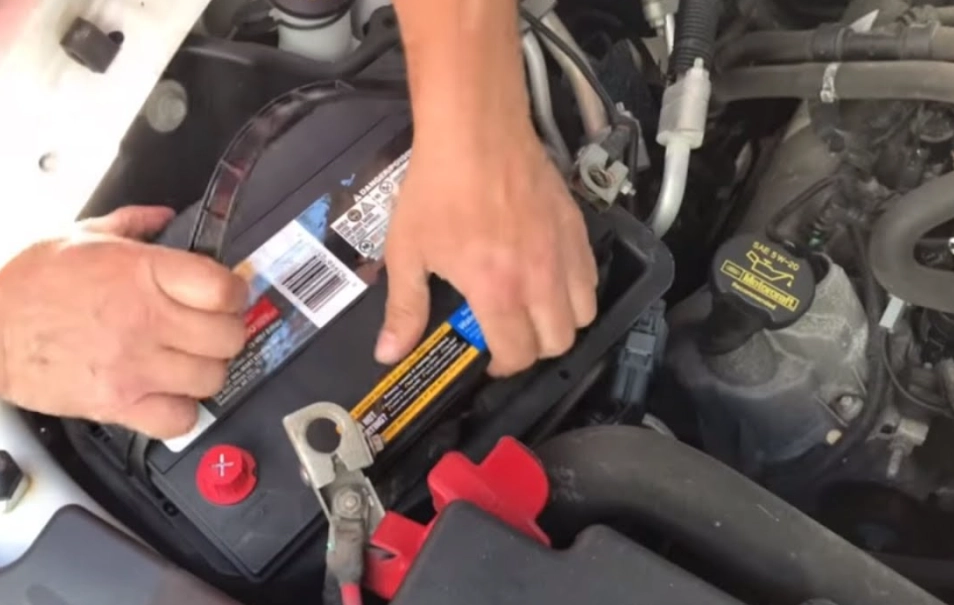
Step 4: Cleaning the Terminals and Tray
This step is what separates a proper job from a hack one. Mix a tablespoon of baking soda with a cup of water. Dip your brush in it and scrub the metal battery terminal clamps until they're shiny and free of blue/green/white crust. Scrub the battery tray too. Rinse with a little clean water and wipe dry. This ensures perfect electrical contact and prevents new corrosion.
Step 5: Installing the New Battery
Lower the new battery into the tray, making sure it's oriented the same way as the old one (terminals on the correct sides). Re-install the hold-down bracket and tighten it snugly, but don't overtighten and crack the battery case.
Step 6: Reconnecting the Terminals
Remember the rule: Positive first, Negative last. Connect the POSITIVE cable to the POSITIVE terminal. Tighten the nut firmly. Now connect the NEGATIVE cable to the NEGATIVE terminal and tighten. A common error is to leave the connections loose, which causes arcing, heat, and a dead car tomorrow morning. They should be tight enough that you can't wiggle the clamps by hand.
Once both are connected, apply a thin coat of petroleum jelly or terminal protector spray to each post and clamp. This creates a barrier against moisture and corrosion.
What to Do After Installation
Don't just start the car and drive off. Follow this checklist:
- Double-check that all tools are removed from the engine bay.
- Start the engine. It should crank strongly and start immediately.
- Let the car idle for at least 5-10 minutes. This allows the alternator to begin charging the new battery and the engine computer to relearn its idle parameters.
- Test your headlights, radio, power windows, and other electronics to ensure everything works.
- Reset your clock and radio presets.
- Dispose of the old battery responsibly. Every auto parts store will take it back when you buy a new one, often giving you a small core refund. They are required by law to recycle them.
Your DIY Battery Replacement Questions Answered
Can I replace a car battery myself if my car has start-stop technology?
You can physically swap it, but that's only half the battle. Many modern cars, especially European brands like BMW, Audi, and Mercedes, require the new battery to be registered or coded to the vehicle's Battery Management System (BMS). If you don't do this, the system won't charge the new battery correctly, drastically shortening its life. This process requires an OBD2 scan tool with specific software. For these cars, unless you own such a tool, the DIY savings might be negated by a prematurely dead battery. Check your owner's manual or forums for your specific model.
How do I know if my car needs a battery reset or reprogramming after replacement?
If your car has a simple charging system (most pre-2010 cars), you likely don't need to do anything beyond resetting the clock. Signs you might need a professional reset include: persistent warning lights (like the battery or check engine light), electric power steering faults, windows not doing their automatic "up and down" function, or the start-stop system not working. A quick call to a dealership service department can usually tell you if your specific year and model requires coding.
What's the real cost difference between DIY and professional replacement?
Let's use a common Group 35 battery with 650 CCA as an example. The battery itself might cost $180-$220 at a parts store. A full-service shop or dealership will charge that same battery at a marked-up price, say $250, plus 0.5 to 1 hour of labor at $100-$150/hour. Your total professional bill can easily hit $350-$400. Doing it yourself, you pay just the $180-$220 for the battery. The savings are substantial, often over $150. The trade-off is your time, effort, and assuming the risk if something goes wrong.
Is it safe to jump-start a car to move it before replacing the battery?
Yes, but be methodical. Connect the jumper cables in this order: 1) Red to dead battery's positive, 2) Red to good battery's positive, 3) Black to good battery's negative, 4) Black to an unpainted metal bolt or bracket on the dead car's engine (not the dead battery's negative post). This minimizes the risk of sparks near the potentially gassing dead battery. Start the good car, then start the dead car. Once started, drive for at least 20-30 minutes to give the alternator a chance to charge the old battery enough for you to safely park and work on it. A deeply discharged battery may not hold enough charge to restart, so go directly to your workspace.
So, can you replace a car battery yourself? For the majority of drivers with a standard setup, the answer is a confident yes. It's a 30-60 minute job that requires more carefulness than skill. By understanding the safety fundamentals, having the right tools, and following the correct sequence—negative off first, positive on first, clean the terminals—you can save a significant amount of money and gain the satisfaction of fixing it yourself. Just know your limits. If your battery is buried or your car is a complex modern vehicle, paying a professional is an investment in getting it done right.