Let's be honest. You're not just thinking about buying a car. You're thinking about buying a piece of history, a rolling sculpture, a weekend escape. The smell of old leather and gasoline, the feel of a thin-rimmed steering wheel, the mechanical symphony of an engine with actual character. I get it. I bought my first classic, a 1972 Alfa Romeo, over a decade ago. I've made every mistake in the book so you don't have to. This isn't about romanticizing rust buckets. It's a practical, no-nonsense roadmap from dreamer to owner.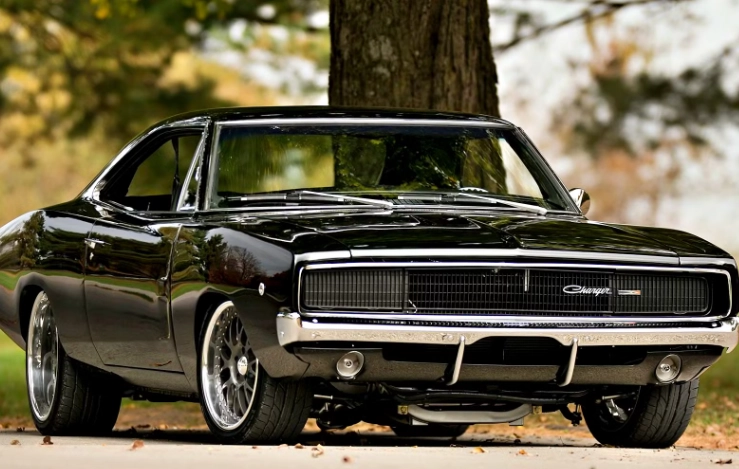
What You'll Find Inside
How to Buy a Classic Car Without Getting Burned
This is where most dreams derail. You see an ad, fall in love with the photos, and wire a deposit. Bad move. Buying a classic is more like adopting a complex pet than buying an appliance.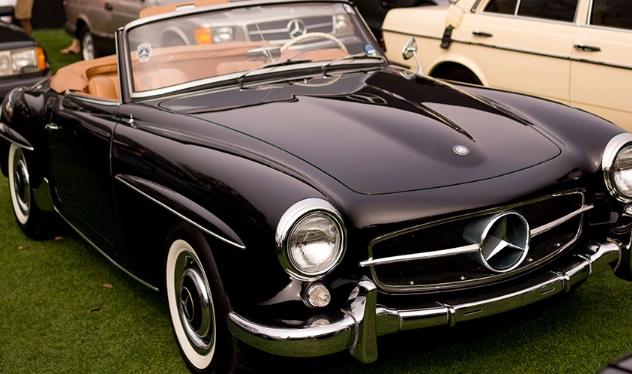
Step 1: Pick Your Pain (and Your Budget)
Be brutally honest about your skills, time, and wallet. That $8,000 project car needs another $25,000 and 1,000 hours to be right. I divide buyers into four camps:
| Buyer Profile | What to Look For | Realistic Budget Tip |
|---|---|---|
| The Driver Wants to use it now. |
Fully sorted, recently serviced, no major needs. Buy at the top of your budget. | Purchase price + 20% for immediate fixes and taxes. |
| The Tinkerer Enjoys weekend projects. |
Solid body, running engine, needs interior or cosmetics. | Double the purchase price for parts and tools you'll "need." |
| The Restorer A multi-year mission. |
Complete car, minimal rust, all rare parts present. | Triple (or more) the purchase price. Seriously. |
| The Investor Focus on value retention. |
Documented, low-mileage, top-tier models with proven market. | Allocation, not expense. Get specialized insurance (Hagerty is the industry standard). |
My Alfa was a "Tinkerer" project. I budgeted $3k for parts. I spent $9k. The interior alone cost more than I paid for the car.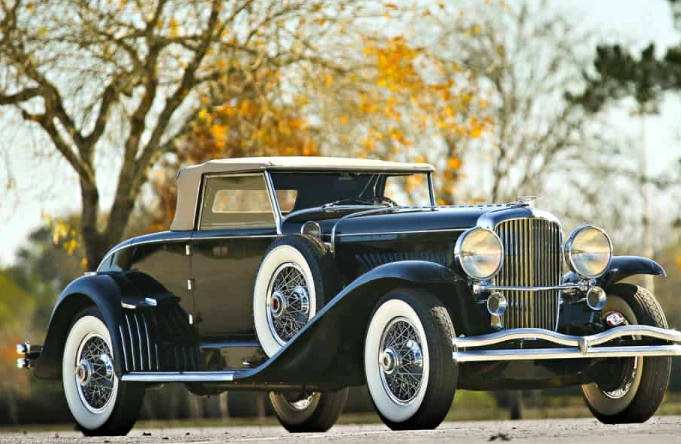
Step 2: The Inspection - It's All About the Bones
Paint can be resprayed. Chrome can be re-plated. Rust is cancer. A common, costly oversight is checking the shiny stuff and missing the structural rot.
Focus here first: lower door edges, wheel arches, rocker panels. Then get dirty. Look inside the trunk at the rear wheel wells. Crawl underneath. Poke the floor pans and the frame rails, especially near the front crossmember and rear spring mounts. If the magnet doesn't stick, there's filler. Walk away unless the price reflects a full metal replacement.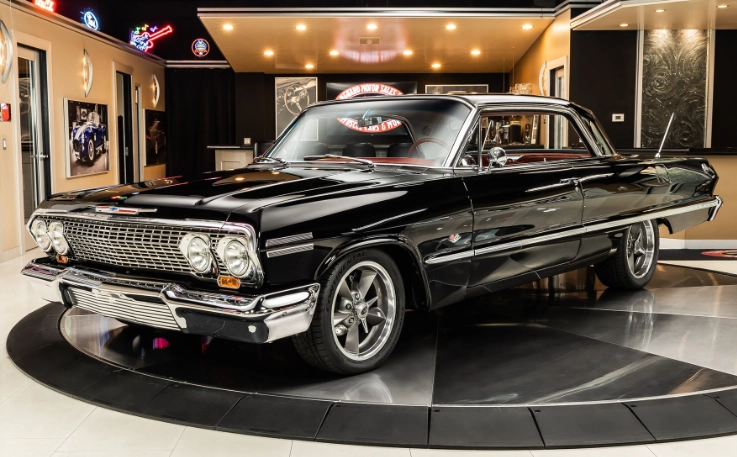
Step 3: Where to Actually Find the Car
Forget generic classifieds. Go niche.
- Model-Specific Clubs: The best source. Cars are often sold within the network before hitting public ads. Join the forum. Be active.
- Specialist Auctions: Bring a Trailer, Collecting Cars. Transparency is high with detailed photos and comment sections. Prices are market-rate, sometimes strong.
- Trusted Dealers: They have reputation to uphold. You'll pay a premium, but you might get a warranty or recourse.
I found my second classic, a BMW 2002, through a club member. He had every receipt since 1976. That paperwork was worth a 10% premium on the spot.
Keeping Your Classic Alive: Maintenance That Actually Matters
Owning a classic isn't about fixing what breaks. It's about preventing breaks. Modern cars tolerate neglect. Classics do not.
The Non-Negotiable Routine
Change the fluids more often than you think. Coolant becomes acidic. Brake fluid absorbs water. Old oil is full of contaminants. Do a full fluid flush immediately after purchase unless you have proof it was done yesterday.
Electrical gremlins are the number one cause of roadside calls. The issue is usually a bad ground. Clean and tighten every ground strap from the battery to the engine, body, and chassis. It's a free afternoon project that solves half your future electrical headaches.
Storage: The Silent Killer
Not driving a classic is worse than driving it. Moisture settles, seals dry, tires flat-spot. If you must store it:
- Fill the tank with non-ethanol fuel and a stabilizer. Ethanol attracts water and decays old fuel lines.
- Inflate tires to 40-45 PSI to prevent flat spots, or put it on jack stands.
- A battery tender is mandatory, not optional. A dead battery sulphates and dies for good.
- Mouse traps. Seriously. Rodents love wiring insulation and air filter nests.
Money vs. Passion: The Classic Car Investment Reality
Let's crush the TV auction fantasy. Most classics are not investments. They are depreciating assets with expensive hobbies attached. Some do appreciate, but you must be strategic.
The cars that make money are usually already expensive, low-mileage, and historically significant (first year of a famous model, last of a line, documented race history). Your 1980s sportscar might go up, but it's not a retirement plan.
The real value is in enjoyment and community. The financial goal for most should be minimizing loss, not making a killing.
How?
Buy the most original, unmolested car you can. A respray or a replaced interior destroys "patina" and originality, which collectors pay for. A car with its original factory paint, even if faded, is often more valuable than a perfect repaint in the wrong shade.
Document everything. Keep every receipt, log every repair, take photos of the process. This "provenance" builds value. When you sell, you're not selling a car; you're selling a documented story.
Finally, insure it properly with an agreed-value policy from a specialist like Hagerty. Their valuation tools and market reports are also a fantastic resource to track trends.