In This Guide
- Why Bother? The Real Benefits of Consistent Car Care
- The Outside Story: Washing, Waxing, and Protecting Your Paint
- The Inside Job: Interior Car Cleaning That Lasts
- Under the Hood: Basic Engine Bay and Fluid Checks
- The Seasonal Shift: Your Car Care Calendar
- Answering Your Questions: Common Car Care Dilemmas
- Putting It All Together: A Simple, Sustainable Routine
Let's be honest. When you hear "car care tips," you probably picture some overly complicated checklist written for mechanics, or worse, a sales pitch trying to get you to buy expensive products you don't need. I get it. I've been there. When I bought my first decent car, I was so worried about messing it up that I probably over-cleaned it, used the wrong stuff, and wasted a ton of money on fancy sprays that did nothing.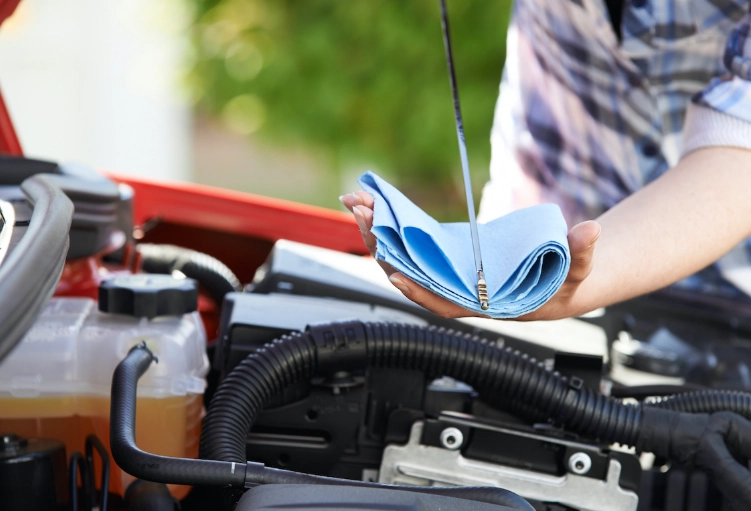
It doesn't have to be that way. Good car care is mostly about consistency and using a bit of common sense. It's about protecting what is, for most of us, the second biggest investment we'll ever make. A little effort goes a long way in keeping your car's value up, preventing costly repairs, and honestly, just making you feel good when you get behind the wheel of a clean, smooth-running machine.
This guide is different. We're going to cut through the noise. I'll share what I've learned the hard way, what the pros actually do (I've chatted with a few detailers and mechanics over the years), and what you can safely ignore. We'll cover everything from the simple weekly wash to the less-frequent-but-critical stuff under the hood. Consider this your one-stop manual.
Why Bother? The Real Benefits of Consistent Car Care
Before we dive into the how-to, let's talk about the why. It's not just about vanity.
First off, it saves you money. A lot of it. Catching a small fluid leak early can prevent your engine from seizing. Keeping your tires properly inflated improves gas mileage – the U.S. Department of Energy says under-inflated tires can lower gas mileage by about 0.2% for every 1 PSI drop in the average pressure of all tires. That adds up fast. Regular cleaning and waxing protect your paint from UV rays, acid rain, and road salt, which can cause oxidation and rust. A car with a well-preserved exterior and interior is worth thousands more at trade-in time. Think of it as putting money in the bank.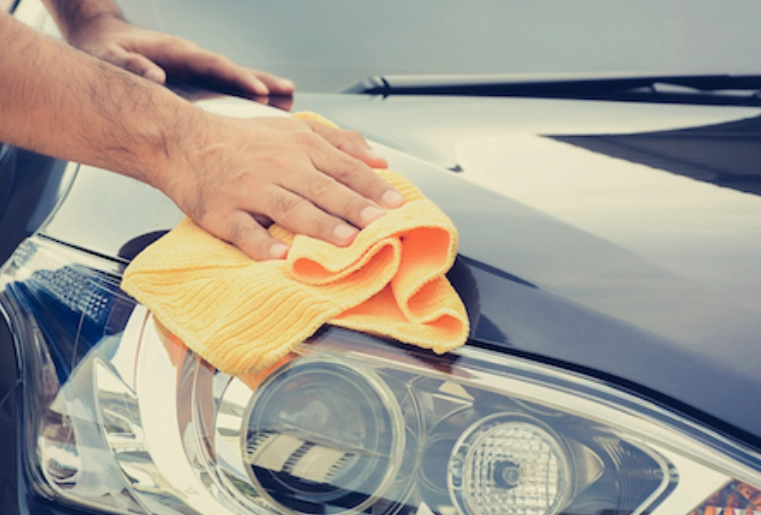
Then there's safety. Worn-out wiper blades mean you can't see in a downpour. Bald tires are a massive hazard in wet conditions. Dirty headlights cut your visibility at night. These aren't just maintenance items; they're critical safety equipment.
And finally, there's the simple pride of ownership. There's a genuine pleasure in driving a car that feels cared for. It's more enjoyable, and it reflects on you.
The Outside Story: Washing, Waxing, and Protecting Your Paint
This is where most people start with car care tips, and also where they make the most mistakes. A bad wash can do more harm than good by scratching the clear coat.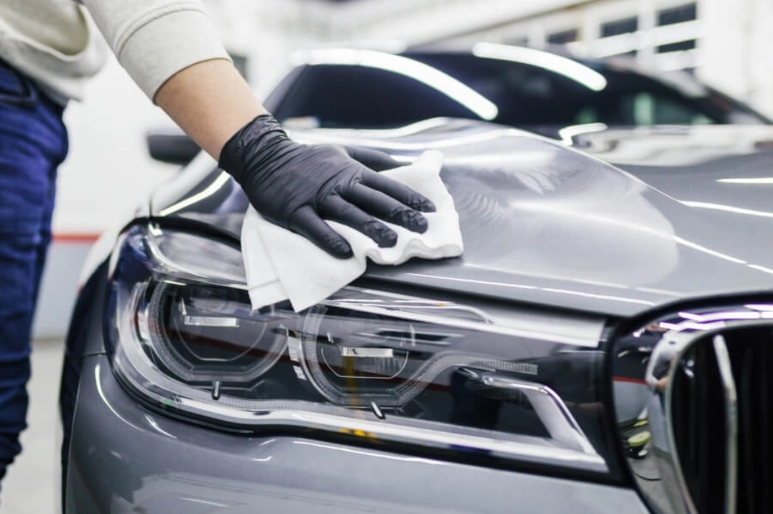
The Two-Bucket Wash Method (It's Not Just Hype)
If you remember nothing else from this section, remember this: two buckets. Here's the process that detailers swear by:
- Rinse First: Use a plain hose (no nozzle, or a gentle flood setting) to rinse off loose dirt and grit. This is your first line of defense against scratches.
- Bucket Setup: Get two buckets. Fill one with clean water and your chosen car wash soap (never dish soap – it strips wax and can dry out trim). Fill the second bucket with plain water for rinsing your wash mitt.
- Wash Top to Bottom: Start with the roof, windows, and hood—the cleanest areas. Dip your soft microfiber wash mitt into the soapy bucket, wash one section, then rinse the mitt thoroughly in the rinse bucket before getting more soap. This traps the dirt in the rinse water, not in your soapy wash water. Work your way down to the dirtier lower panels and wheels last.
- Dry with Care: Use a large, clean, plush microfiber drying towel. Pat and glide, don't drag. Drying prevents water spots, especially if you have hard water.
Sounds simple? It is. But it's the single most effective car care tip for preserving your paint long-term.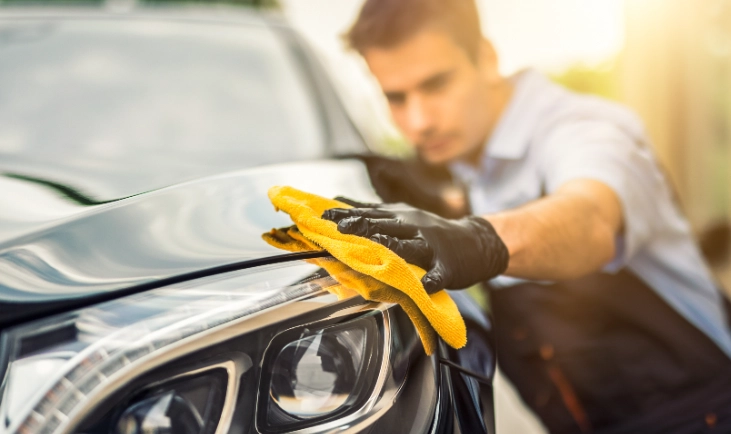
To Wax or Not to Wax? (Spoiler: Wax)
A good wax or sealant is your paint's sunscreen and raincoat. It creates a protective barrier. The debate between paste wax, liquid wax, and synthetic sealants is endless. Here's my take:
- Paste Wax (Carnauba): Gives a fantastically deep, warm shine. The downside? It doesn't last as long, maybe 2-3 months. Great for a show-car look or a special treatment a few times a year.
- Synthetic Sealant/Spray Coating: These are polymers that bond to the paint. They last much longer—6 months to a year—and offer incredible protection against contaminants. The shine can be slightly more "glassy" than the warm glow of carnauba. For most people wanting practical protection, this is the way to go.
Apply either one to a clean, dry car in the shade, following the product instructions. A little goes a long way. The International Carwash Association has some great, non-commercial resources on paint care chemistry that explain why pH-balanced products matter, which is worth a look if you're into the science.
Don't Forget the Windows, Wheels, and Tires
Windows need a good, streak-free cleaner (vinegar and water works in a pinch) and a separate microfiber. Wheels get brake dust, which is corrosive. Use a dedicated wheel cleaner and a soft brush. Tires? A water-based tire dressing looks good and doesn't sling everywhere like the old oily gels. It also helps prevent sidewall cracking from UV exposure.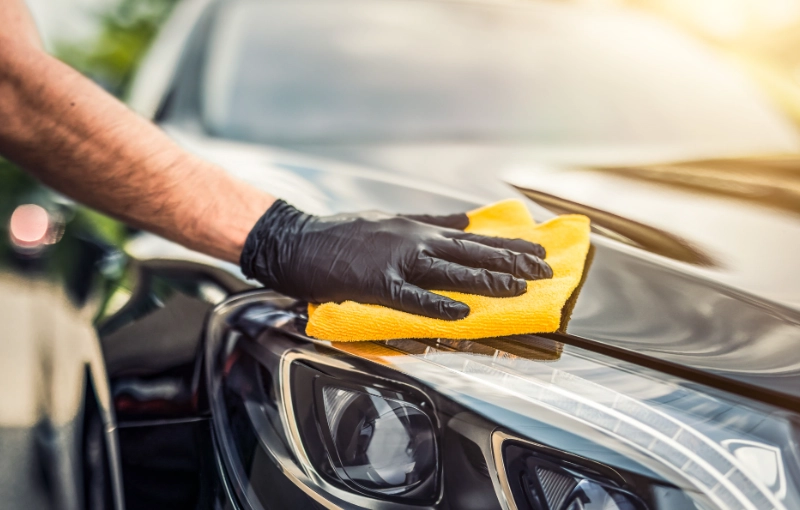
The Inside Job: Interior Car Cleaning That Lasts
A clean interior is more pleasant and healthier. Dust, allergens, and bacteria love your car's cabin.
Start by removing everything—trash, old receipts, the kids' toys. Vacuum thoroughly, starting with the seats (move them forward and back), then the floors and mats. Use attachments for crevices and vents.
For surfaces, know your materials:
- Plastic & Vinyl Dash: Use a mild all-purpose cleaner or a dedicated interior detailer on a microfiber. Avoid anything shiny and greasy; you want a matte, OEM finish. That greasy stuff just attracts more dust and creates a dangerous glare on your windshield.
- Leather Seats: Clean with a leather-specific cleaner, then condition with a leather conditioner. This prevents drying and cracking. Don't use all-purpose cleaners here.
- Fabric/Upholstery: For stains, a fabric cleaner and a soft brush work. For overall freshness, an odor eliminator or a light spray of fabric refresher does wonders. For stubborn smells, sprinkling baking soda, letting it sit, and then vacuuming is an old-school trick that works.
These interior car cleaning steps, done once a month, will keep your cabin feeling like new. It's one of the most satisfying sets of car care tips to follow because the results are so immediately obvious.
Under the Hood: Basic Engine Bay and Fluid Checks
You don't need to be a mechanic. Just a basic awareness. Pop the hood every other time you fill up for gas. It takes two minutes.
What to look for? Check fluid levels—oil, coolant, brake fluid, windshield washer fluid. Your owner's manual has diagrams showing where the dipsticks and reservoirs are and how to check them properly. The oil should be amber-colored and between the marks on the dipstick. Coolant should be at the "Full" line in the overflow tank when the engine is cool.
Look for leaks. Puddles or wet spots on the ground where you park, or crusty, oily residue on the engine itself, are red flags.
Listen. A new squeal when you start the car could be a loose serpentine belt. A hiss might be a vacuum leak. Noticing these sounds early can mean a cheap fix instead of a catastrophic failure.
And your air filter! A clogged air filter makes your engine work harder and hurts fuel economy. It's usually in a black plastic box near the engine. Open the clips, take a look. If it's caked with dirt and you can't see light through it, replace it. It's a $20 part and a 5-minute job on most cars.
These simple checks are the cornerstone of preventative car maintenance. They're the difference between a surprise $800 repair bill and a planned $80 service.
The Seasonal Shift: Your Car Care Calendar
Your car's needs change with the weather. A seasonal approach to car care tips makes the whole process manageable.
| Season | Priority Tasks | Why It Matters |
|---|---|---|
| Spring | Thorough wash & wax to remove winter salt/grime. Inspect wiper blades. Check tire tread and pressure (temperature changes affect PSI). | Repairs winter damage. Preps for rain. The National Highway Traffic Safety Administration (NHTSA) has clear guidelines on tire safety worth reviewing. |
| Summer | Focus on cooling system (coolant level/condition). Check A/C performance. Clean interior to prevent heat-baked stains. Protect interior plastics and dash from UV with a sunshade. | Prevents overheating. Ensures comfort. Protects interior from sun damage and cracking. |
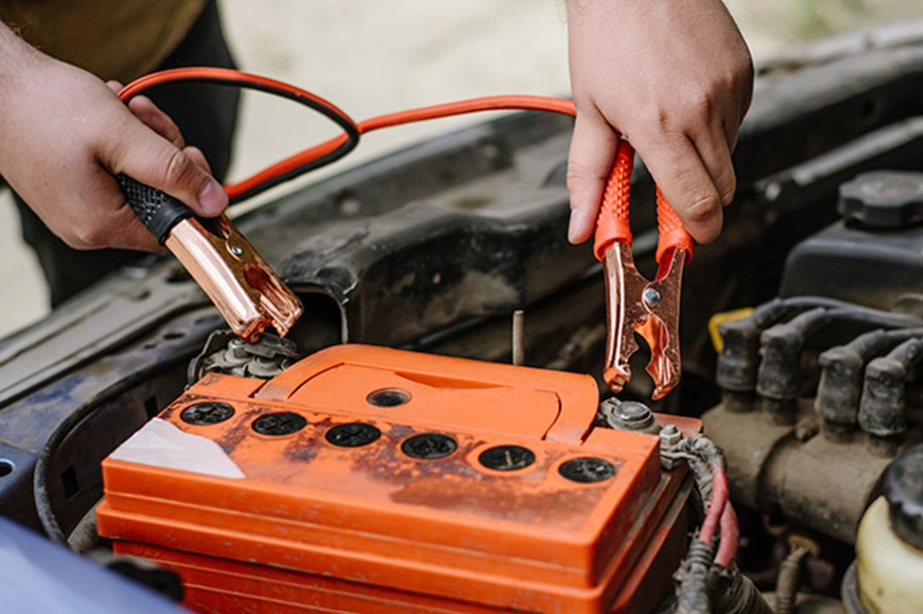
| Fall | Check battery terminals for corrosion. Refill windshield washer fluid with a winter-grade formula. Inspect lights (headlights, brake lights, turn signals). | Cold weather is hard on batteries. Prep for reduced visibility and icy conditions. |
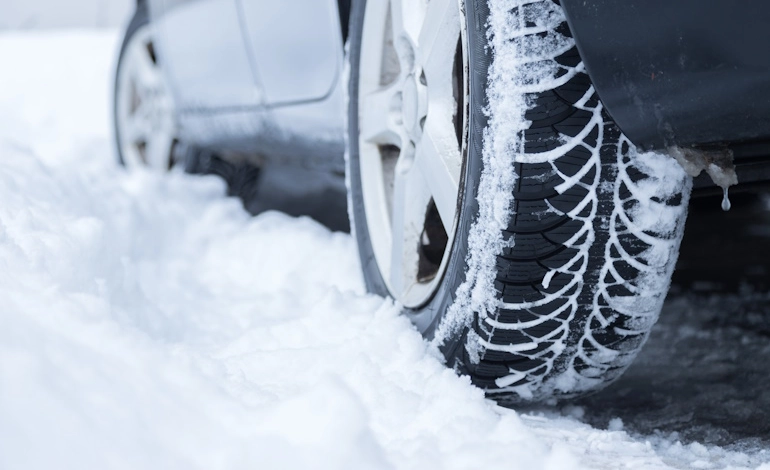
| Winter | Swap to winter tires if in a snowy climate. Keep gas tank at least half full to prevent moisture freeze. Carry an emergency kit (blanket, shovel, kitty litter for traction). Apply a sealant to paint before salt hits the roads. | Maximizes traction and safety. Prevents fuel line issues. Prepares for emergencies. The sealant makes salt cleanup easier. |
Sticking to this rhythm turns car care from a daunting chore into a few simple, contextual tasks you do a few times a year.
Answering Your Questions: Common Car Care Dilemmas
How often should I really wash my car?
If you want to keep the paint in great shape, every two weeks is the sweet spot. This prevents contaminants like bird droppings, tree sap, and road film from etching into the clear coat. In winter, or if you live near the ocean, once a week is better to get salt off. If that sounds like too much, at a minimum, give it a good rinse after a storm or when you see visible grime.
Can I use household products?
Some, yes. Others, absolutely not. A diluted solution of white vinegar and distilled water is a fantastic, cheap glass cleaner. Isopropyl alcohol (rubbing alcohol) can safely clean glass and some sticky residues. But never use household cleaners like Windex on tinted windows (it damages the film), dish soap on paint, or abrasive kitchen sponges on anything. They're too harsh.
My car has swirl marks and light scratches. Can I fix them myself?
Light swirls in the clear coat (the ones you see in sunlight) can often be removed with a one-step "cleaner wax" or a mild polishing compound applied by hand or with a dual-action polisher. But deep scratches that catch your fingernail are through the clear coat and likely need professional touch-up or repaint. For DIY correction, start with the least aggressive product on a hidden area first. It's easy to make it worse if you're too aggressive.
What's the one most overlooked car care tip?
Cleaning your door jambs and the underside of your gas cap door. When you open a door and see a clean jamb, the whole car feels newer. It takes 30 seconds with a damp towel during your wash. Also, lubricating the rubber door and window seals with a silicone-based protectant once or twice a year prevents them from drying out, sticking, or tearing—a cheap fix for a surprisingly annoying problem.
Putting It All Together: A Simple, Sustainable Routine
Look, you don't have to do everything in this guide every weekend. That's a recipe for burnout. The key is building a simple, sustainable routine.
Weekly/Every Other Week: Quick exterior rinse and two-bucket wash if needed. Wipe down interior surfaces (dash, console) to control dust. Check tire pressure.
Monthly: Thorough interior vacuum and clean. Check all fluid levels under the hood. Inspect for any leaks or unusual wear.
Seasonally (Spring/Fall): Apply a fresh coat of wax or sealant. Do a deep interior clean. Perform the seasonal checks from the table above (wipers, battery, lights, etc.).
As per your Maintenance Schedule: Follow the service intervals in your owner's manual for oil changes, filter replacements, and other critical services. This is non-negotiable for long-term health.
The best car care tips are the ones you actually use. Start small. Maybe this month, just master the two-bucket wash. Next month, add a quick interior wipe-down. Build the habit. Your car will thank you for years to come, your wallet will be happier, and you'll get more enjoyment out of every drive. That's the whole point, isn't it?
It's not about perfection. It's about paying attention. A little care goes a seriously long way.