You're driving on a hot day, you turn the AC knob to max, and a disappointing puff of warm air hits your face. Your first thought, like many, is to search for an "AC not blowing cold air reset." You'll find countless forum posts and quick videos promising a magical button sequence or fuse pull that will bring back the chill. I've been fixing car AC systems for over a decade, and I'm here to tell you the hard truth: in probably 90% of cases, that reset does absolutely nothing. It's a placebo. The real issue is almost always mechanical or electrical, and a reset merely reboots a computer that wasn't the problem to begin with. This guide will cut through the noise, show you when a reset might work, and then dive deep into the actual, fixable reasons your AC has gone warm.
Quick Navigation: What You'll Learn
The 10% Case: When an AC Reset Might Actually Work
Let's get this out of the way first, because it's what you searched for. An AC reset refers to clearing temporary error codes or rebooting the climate control module. It can occasionally help if the problem is a software glitch, not a hardware failure.
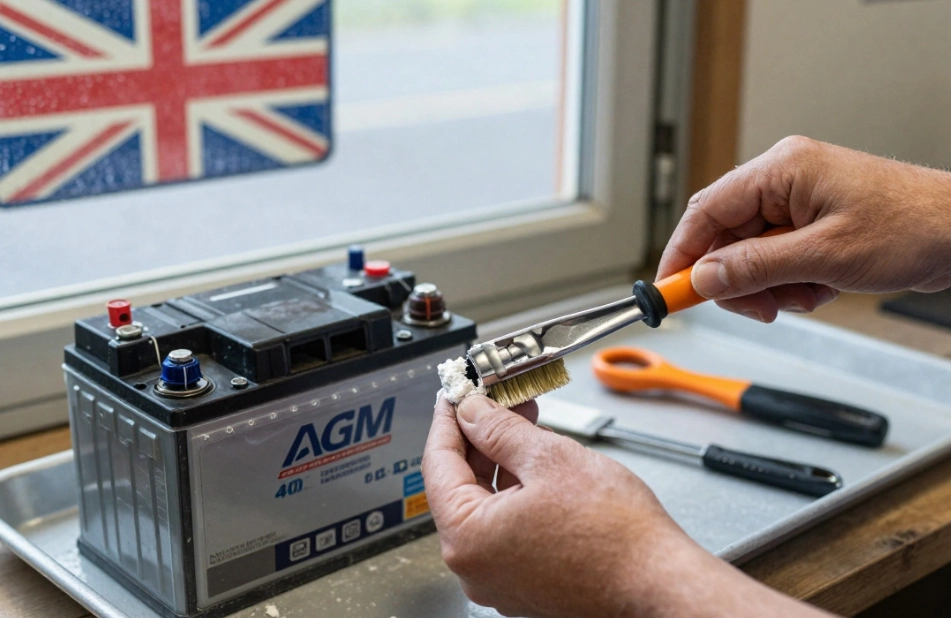
The most common method is disconnecting the car battery. Here's the proper way, which most people get wrong:
- Turn the car off and remove the key.
- Disconnect the NEGATIVE (black) battery terminal first. Just loosening it isn't enough; take it completely off the post.
- Wait. This is the crucial part everyone skips. You need to wait at least 15-20 minutes. This allows the capacitors in the various control modules to fully discharge. A 2-minute wait does nothing.
- Reconnect the negative terminal.
- Start the car and let it idle for a few minutes. Don't immediately blast the AC.
Some modern cars (like certain Fords or GMs) have a specific procedure involving holding buttons on the climate panel. Check your owner's manual.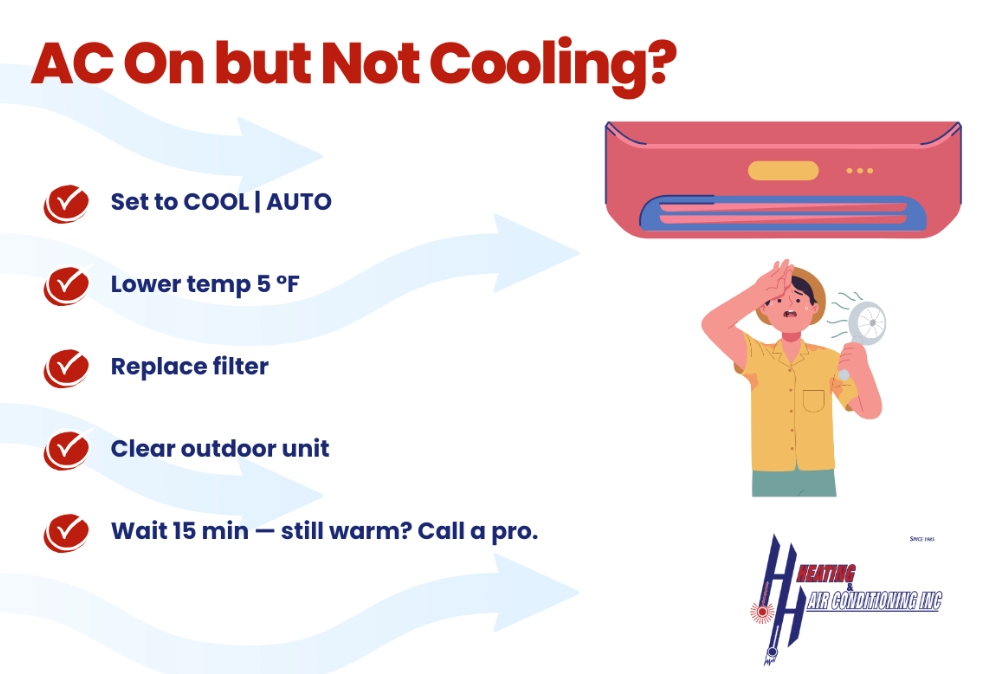
A Critical Warning: Disconnecting the battery will reset your radio presets, clock, and possibly adaptive learning data for the engine and transmission. The car might idle roughly for a few miles as it relearns. This is a minor inconvenience, but be prepared for it.
When does this work? Think of very specific, intermittent issues. Maybe the AC worked perfectly yesterday but is dead today with no apparent reason. No strange noises beforehand. If you recently had a jump start or a battery issue, a reset can sometimes clear a phantom error. But if your AC performance has been gradually getting worse, or it stopped working after a loud click or clunk, the reset is a waste of time.
The Real Reasons Your AC Isn't Blowing Cold Air (The 90% Case)
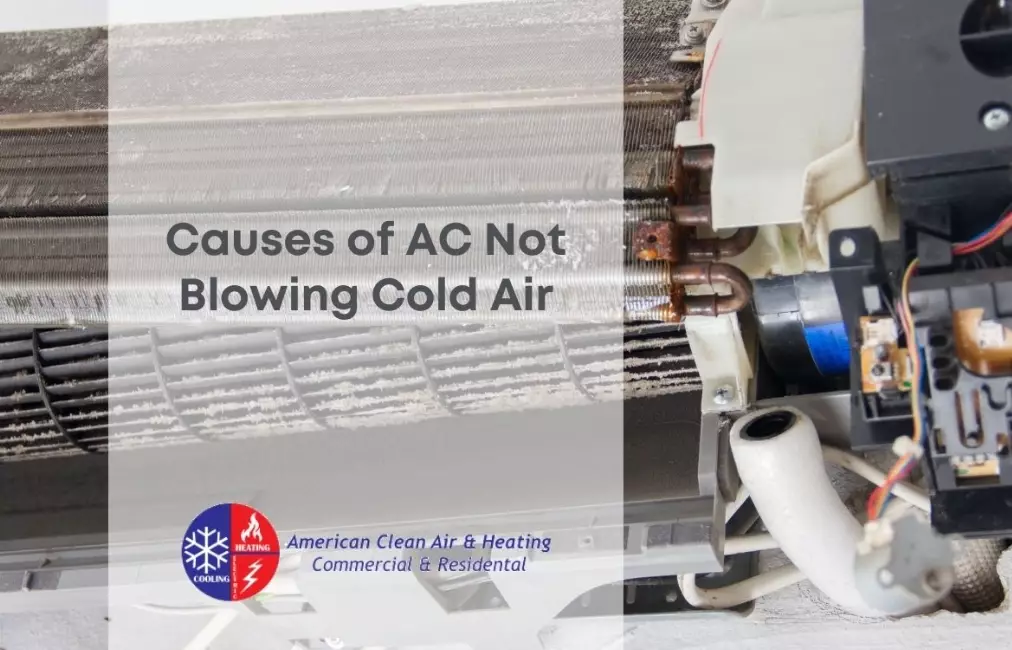
This is the meat of the problem. Your car's AC is a sealed, pressurized system. For cold air, it needs refrigerant, a working compressor to move it, a clear path for heat exchange, and sensors to manage it all. Here are the usual suspects, in rough order of likelihood.
1. Low Refrigerant (The Most Common Culprit)
The system doesn't "use up" refrigerant. If it's low, there's a leak. Period. A common misconception is that you can just top it off with a can from the auto parts store. While this might give you cold air for a few weeks, it's a temporary fix that ignores the leak, which will only get worse. Modern systems are precise; too much refrigerant (overcharging) can be as damaging as too little.
Signs: Gradual loss of cooling over a season or two. The AC may blow cold only when driving, not at idle. You might hear the compressor clutch cycling on and off rapidly.
2. Failed or Failing Compressor
The compressor is the heart of the system. It's a mechanical pump driven by your engine's serpentine belt. When it fails, you get no cold air. Failure often happens due to running the system low on refrigerant (which also removes lubricating oil) or simple old age.
Signs: A loud grinding or squealing noise from the front of the engine when the AC is turned on. The center of the compressor clutch (the part that spins) does not engage when the AC button is pressed. In a severe failure, the belt might even seize.
3. Clogged or Damaged Condenser
The condenser is the radiator-looking thing in front of your car's actual radiator. Its job is to dump heat. If it's clogged with bugs, dirt, or road debris, or if it's physically damaged from a rock, it can't reject heat efficiently. This causes high system pressure and poor cooling.
Signs: Poor cooling at low speeds (in traffic) that improves when moving fast. Visibly bent fins or blockage. High pressure readings on a gauge set.
4. Faulty Sensors or Electrical Issues
Modern systems rely on pressure switches and temperature sensors. A bad high-pressure switch might tell the computer the system is unsafe to run, so it never engages the compressor. A failed cabin temperature sensor can confuse the climate control module.
Signs: No mechanical issues are apparent (no noises, leaks visible), but the compressor simply won't turn on. This often requires a professional scan tool to diagnose.
A Step-by-Step Diagnostic Path You Can Follow
Before you call a shop, you can do some basic checks. Follow this sequence.
Step 1: The Basic Sensory Check. Start the car, turn the AC to max cold and max fan. Open the hood.
- Listen: Do you hear a distinct click from the front of the engine followed by a hum/whir? That's the compressor clutch engaging. If you hear nothing, the compressor isn't being told to turn on (electrical/sensor issue). If you hear a terrible grinding, the compressor is likely dead.
- Look: Find the compressor (follow the serpentine belt). The front pulley always spins. The center hub (the clutch) should spin when the AC is on. If it's stationary, it's not engaged.
- Feel: After the car has run for 5 minutes, carefully touch the two metal pipes going into the firewall (to the cabin). One should be very cold, almost sweating. The other should be warm. If both are the same temperature (ambient or warm), the system isn't working.
Step 2: Check the Obvious. Is the cabin air filter (often behind the glovebox) utterly clogged? A blocked filter strangles airflow across the evaporator, killing cooling. It's a $20, 10-minute fix everyone forgets.
Step 3: Fuse and Relay. Consult your owner's manual to find the AC compressor clutch fuse and relay. Swap the AC relay with an identical one from the box (like the horn relay) to test. Check the fuse visually. This rules out a simple, cheap failure.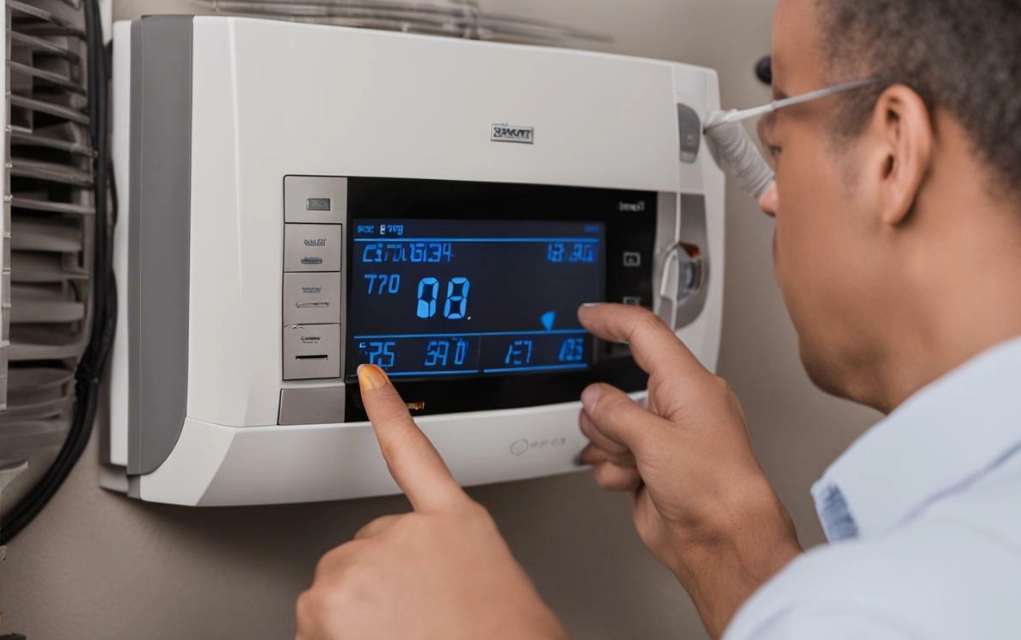
Pro Tip from the Shop: If the compressor clutch isn't engaging, a shady old trick is to tap it lightly with the handle of a screwdriver while someone has the AC on. Sometimes a stuck clutch will free up and engage. If it does, it's a sign the clutch itself is worn out or there's an air gap issue—a repair is still needed, but it confirms the compressor internals might be okay.
If you've done all this and the system seems mechanically silent (no clutch engagement), the problem is likely electrical or due to low pressure triggering a safety switch. This is where DIY typically ends and tools are needed.
What Professional Repairs Actually Look Like (And Cost)
Let's demystify what happens at the shop. It's not a black box. A proper AC repair follows a standard protocol, largely defined by SAE International and EPA standards.
| Problem | Typical Repair Process | Estimated Parts & Labor Cost Range |
|---|---|---|
| Refrigerant Leak | 1. Recover remaining refrigerant. 2. Pressurize system with nitrogen or dye to find leak. 3. Repair leak (replace O-ring, hose, condenser, etc.). 4. Evacuate system with a vacuum pump for 30+ mins to remove air/moisture. 5. Recharge with exact factory-specified amount of refrigerant and oil. | $200 - $800+ (Highly dependent on leak location. A simple O-ring is cheap; a leaking evaporator buried in the dashboard is very expensive). |
| Compressor Failure | 1. Recover refrigerant. 2. Replace compressor, receiver-drier/accumulator (mandatory), and often the expansion valve/orifice tube (the filter). 3. Flush the entire system to remove metal debris from the old compressor. 4. Evacuate and recharge. | $800 - $1,500+ |
| Clogged Condenser | 1. Recover refrigerant. 2. Remove condenser, clean or replace. 3. Replace receiver-drier. 4. Evacuate and recharge. | $400 - $900 |
| Electrical/Sensor Fault | Diagnosis with scan tool and multimeter. Replace faulty switch, sensor, wiring, or control module. | $150 - $500 |
The evacuation and recharge step is critical. Moisture inside an AC system mixes with refrigerant to form corrosive acids. A vacuum pump boils away moisture, ensuring longevity. Skipping this is the mark of a hack job.
I had a customer with a 2015 Honda Civic come in last summer. He'd "reset" his AC three times and used three cans of stop-leak refrigerant. The system was a mess—clogged, with a failing compressor. The repair cost was nearly double what it would have been if he'd come in when the cooling first started to diminish. Stop-leak products are notorious for clogging the entire system, turning a small leak repair into a full system overhaul.
Your Burning AC Questions, Answered
The bottom line is this: viewing "AC not blowing cold air reset" as a cure-all is like restarting your computer when the hard drive is physically broken. It might seem like the first logical step, but it rarely addresses the root cause. Use the reset as a quick, free diagnostic step. If it fails—which it probably will—move systematically through the checks above. Understanding the real mechanics of your car's air conditioning empowers you to diagnose better, communicate clearly with mechanics, and avoid wasting money on temporary fixes that lead to bigger bills down the road.