Let's be honest. The term "driving aids" sounds like something you'd buy for your great-aunt who's nervous behind the wheel. But that's the old thinking. Today, these systems are sophisticated co-pilots, quietly working to prevent the vast majority of modern crashes. I've spent the last decade testing cars, from budget hatchbacks to six-figure luxury sedants, and the evolution of this tech is the single biggest change I've seen.
The problem? Car dealerships throw around acronyms like AEB, ACC, and LKA as if everyone has a degree in automotive engineering. You're left wondering if you're paying for a genuine safety net or just a fancy marketing checkbox.
This guide cuts through the jargon. We'll look at what each system actually does, where it genuinely helps, and—just as importantly—where it can lull you into a false sense of security. My goal isn't to sell you on tech; it's to make you an informed buyer and a safer driver.
What You'll Find in This Guide
What Exactly Are Driving Aids?
Think of driving aids as a spectrum. On one end, you have passive systems that warn you (a beep, a light). On the other, you have active systems that intervene (steering, braking). They use a cocktail of sensors—radar, cameras, ultrasonic sensors—to create a digital bubble of awareness around your car.
The Insurance Institute for Highway Safety (IIHS) is blunt about their effectiveness. Their research consistently shows that front crash prevention systems, for example, reduce rear-end collisions by about 50%. That's not a small number. It's a game-changer.
But here's the non-consensus bit everyone misses: These are "aids," not replacements. The most dangerous mindset is assuming the car can drive itself. I've seen too many test drivers get complacent, treating lane-keeping as an autopilot. It's not. The driver is always ultimately responsible. The best systems work so seamlessly you almost forget they're there—until they save you from that distracted driver who just ran a red light.
A Breakdown of Every Major Safety Aid
Let's get specific. Not all implementations are created equal. A blind-spot monitor from Honda might feel different from one from Ford. This table breaks down the core systems, their real-world value, and what to watch out for.
| System (Common Acronym) | What It Does | Best For / When It Shines | The "Gotcha" / Common Flaw |
|---|---|---|---|
| Automatic Emergency Braking (AEB) | Detects an imminent collision with a car, pedestrian, or cyclist and automatically applies the brakes if you don't. | City driving, distracted moments, sudden traffic stops. The single most important safety aid according to most experts. | Performance varies wildly in low light, heavy rain, or with erratic pedestrians. Some basic systems only work at low speeds ( |
| Forward Collision Warning (FCW) | The warning half of AEB. Beeps, flashes, or vibrates the wheel to alert you. | Long highway drives where fatigue sets in. A crucial auditory nudge. | Can be overly sensitive and "cry wolf" on winding roads, leading drivers to disable it. |
| Adaptive Cruise Control (ACC) | Standard cruise control, but automatically adjusts speed to maintain a set distance from the car ahead. | Stop-and-go traffic, long highway commutes. A massive fatigue reducer. | Some systems brake too harshly or are easily confused when a car cuts in closely. The radar sensor can get blocked by snow or mud. |
| Lane Keeping Aid (LKA) / Lane Centering | Gently steers the car to keep it within lane markings. Lane Centering is more proactive and smooth. | Long, boring stretches of highway. Helps combat unintentional drifting. | Can be "ping-pongy" between lines on worn roads. Many disengage with a loud beep if you take your hands off the wheel for too long—it's jarring. |
| Blind Spot Monitor (BSM) | Lights up an icon in your side mirror when a car is in your blind spot. Often paired with a beep if you signal to change lanes. | Heavy multi-lane traffic, highway merging. Incredibly useful for judging gaps. | The warning area has limits. A motorcycle approaching very fast might not be detected in time. You still must do a physical over-the-shoulder check. |
| Rear Cross Traffic Alert (RCTA) | Warns you of traffic approaching from the sides when you're reversing out of a parking spot. | Busy parking lots, crowded school zones. A lifesaver when SUV pillars block your view. | Detection range is limited (usually ~50 feet). If a car is flying through the lot, it might not give you enough time. |
The Combo Plate: How These Systems Work Together
The magic happens when these systems integrate. A good example is a highway drive with ACC and Lane Centering both active. The car manages speed and steering, but you're supervising. It's often called "Level 2" automation. Tesla's Autopilot, GM's Super Cruise, and Ford's BlueCruise are famous (and controversial) examples. They're fantastic at reducing driver fatigue on long trips, but they demand your full attention. The moment you treat them as self-driving, you're in dangerous territory.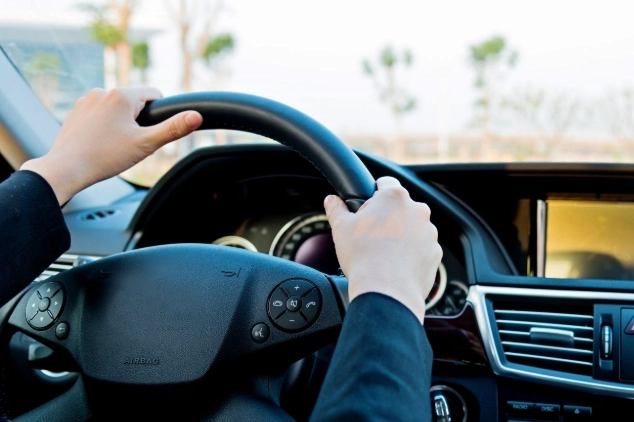
The Overlooked Essentials: Parking Aids & Visibility Helpers
While the flashy tech gets headlines, some of the most practical aids are simpler.
360-Degree Camera Systems: Once you have one, you'll never want to go back. It stitches feeds from cameras around the car to show a top-down view. Parallel parking, navigating tight driveways, avoiding curbs—it transforms spatial awareness. The fidelity matters, though. A low-resolution system on a rainy night is nearly useless.
Automatic High Beams: This is one of my personal favorites. It seamlessly switches between high and low beams based on oncoming traffic. It's more consistent and polite than most drivers! No more forgetting to turn your highs off and blinding someone.
Driver Attention Monitors: This is the industry's answer to fatigue and distraction. Using a small camera on the steering column, it watches your face. If you look away from the road too long or start to exhibit drowsy behavior (like slow eyelid closures), it will alert you. Some systems, like Subaru's, will even suggest a break. It feels a bit "big brother," but the data from the National Highway Traffic Safety Administration (NHTSA) on drowsy driving fatalities makes a strong case for it.
How to Choose the Right Driving Aids for Your Needs
You don't need to check every box. Think about your actual driving life.
For the Urban Commuter: Your priority list should be AEB, Blind Spot Monitor, and Rear Cross Traffic Alert. You're dealing with pedestrians, cyclists, tight parking, and constant lane changes. A 360-degree camera is a luxury that feels like a necessity in the city.
For the Highway Warrior / Road Tripper: Invest in a good Adaptive Cruise Control system with stop-and-go capability and a smooth Lane Centering aid. This combo is a game-changer for fatigue. A driver attention monitor is also a wise addition for those long, monotonous stretches.
For New Drivers or Less-Confident Drivers: All of the above, but with an emphasis on the warning systems. Blind Spot and Cross Traffic alerts build situational awareness. Parking sensors and a rearview camera (now mandated in many places) are fundamental confidence builders.
Test Drive Must-Do: Don't just trust the brochure. When you test drive a car, specifically test the driving aids. Activate the ACC and see if its braking feels natural or panic-inducing. Try the lane-keeping on a slightly worn road. Do the blind-spot warnings come on in a timely manner? A five-minute focused test will tell you more than any spec sheet.
One more piece of advice from the trenches: be wary of subscription models. Some manufacturers are locking features like remote start or even enhanced ACC behind monthly paywalls. Clarify what's included with the car's purchase price and what's a "service."
Your Top Questions on Driving Aids, Answered
The landscape of driving aids isn't about gimmicks anymore. It's about building a robust safety net that works with you. The best car isn't necessarily the one with the most features, but the one with the right features implemented well. Understand what each system does, test it for yourself, and always, always keep your mind on the road. The tech is amazing, but you're still the driver.