Let's talk about the most critical safety system in your car that you probably only think about when something goes wrong. Your brakes. More specifically, the brake pads and rotors. These two components work in a brutal, high-friction partnership to turn your car's kinetic energy into heat, bringing you to a stop. Understanding how they work, when they're worn out, and how to choose new ones isn't just car nerd stuff—it's essential knowledge for your safety and wallet. I've seen too many people overspend on the wrong parts or, worse, ignore warnings until it's a dangerous situation.
What's Inside This Guide?
How Do Brake Pads and Rotors Actually Work?
It's a simple yet violent process. When you press the brake pedal, hydraulic pressure forces the brake caliper to clamp the brake pads against the spinning rotor (also called a disc). The friction material on the pad grips the metal rotor, creating immense friction. This friction converts the car's forward motion energy into heat, which is dissipated into the air. The rotor's job is to provide a smooth, consistent surface for the pads to grip and to act as a giant heat sink.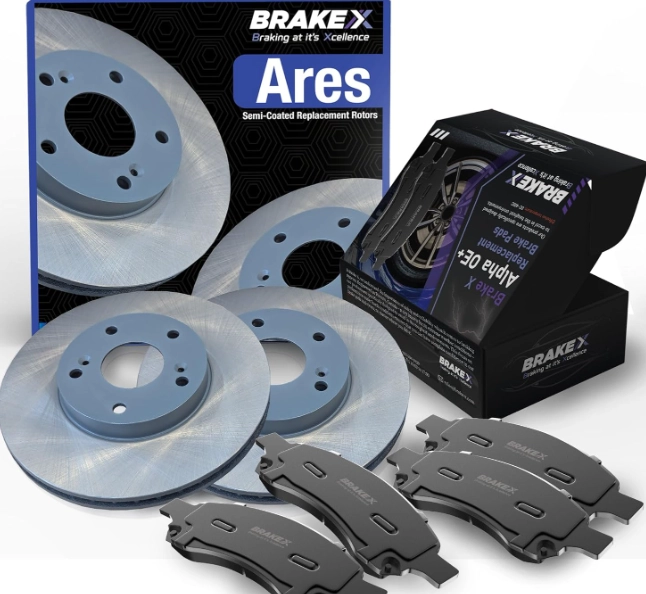
Think of it like pressing the palm of your hand against a spinning bicycle wheel. The wheel stops. Now imagine that happening at 70 mph with thousands of pounds of metal. That's the scale.
Key Insight: The rotor isn't just a passive piece of metal. Its design—vents, slots, holes—directly affects heat dissipation, noise, and how quickly water is cleared away in the rain. A cheap, solid rotor will overheat and warp faster than a quality vented one during heavy use.
When Should You Replace Your Brake Pads and Rotors?
Waiting for the grinding metal-on-metal scream is a terrible, expensive plan. Here are the real signs you need to pay attention to.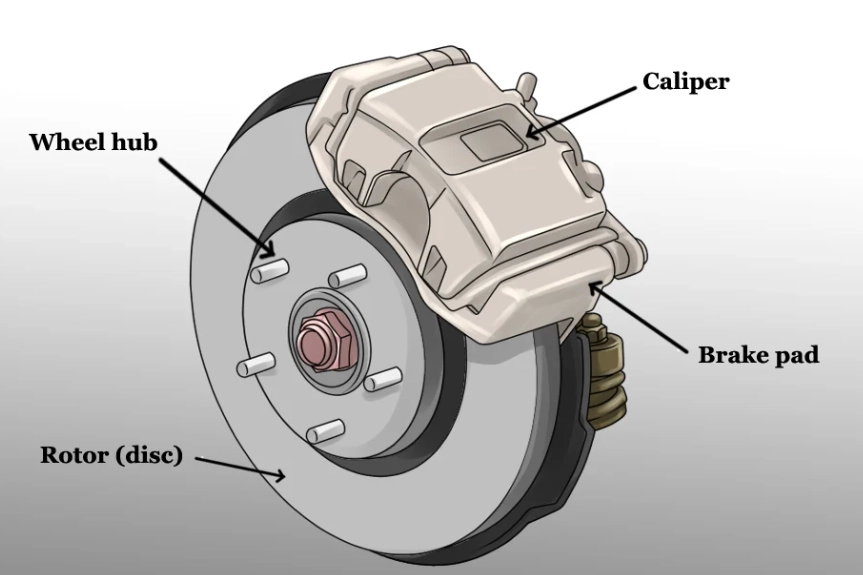
Listen and Feel for These Warning Signs
Squealing or Screeching: A high-pitched noise, especially at low speeds, often comes from a small metal wear indicator tab on the pad. It's designed to scrape the rotor and make that annoying sound, telling you the friction material is getting low. It's your first official warning.
Grinding or Growling: This is the sound of the pad's steel backing plate grinding directly into the cast iron rotor. You're now causing catastrophic damage. The rotor will be deeply scored and need replacement or costly machining. Stop driving immediately if you hear this.
Vibration or Pulsation in the Pedal/Steering Wheel: This usually means your rotors are warped. When they're not perfectly flat, the pads grab unevenly, causing a shuddering pulse you can feel. This often happens from excessive heat (like riding the brakes down a mountain) or improper torque when the wheel is installed.
Longer Stopping Distances or a Spongy Pedal: While this can be brake fluid related, severely glazed or worn pads also reduce stopping power. The pedal feels less firm, and the car doesn't stop as eagerly.
The Visual Check (The 3mm Rule)
You don't need to be a mechanic. Look through the spokes of your wheel at the brake caliper. You'll see the outer brake pad pressed against the rotor. If the pad's friction material looks thinner than about 3mm (roughly the thickness of two dimes stacked), it's replacement time. Check your owner's manual for the manufacturer's specific minimum thickness.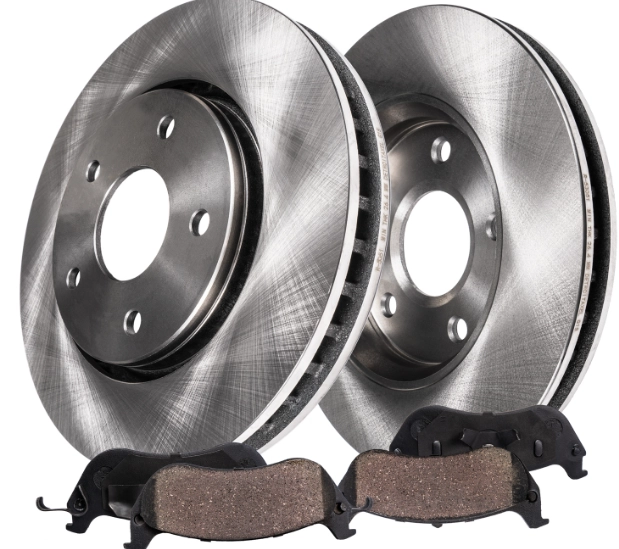
A Common Mistake: People often replace just the pads on a badly worn rotor. This is like putting new sneakers on a foot with a broken ankle. The new pads won't bed-in properly against the uneven, worn rotor surface. You'll get noise, reduced performance, and quickly ruin the new pads. Always measure rotor thickness and check for deep grooves or scoring. Most mechanics and the SAE recommend replacing or resurfacing rotors when you install new pads.
Brake Pad and Rotor Types: How to Choose What's Right for You
Walking into an auto parts store can be overwhelming. Ceramic? Semi-metallic? Drilled? Slotted? Here’s the breakdown to match your driving.
| Type | Best For | Pros | Cons | Typical Cost (Front Axle) |
|---|---|---|---|---|
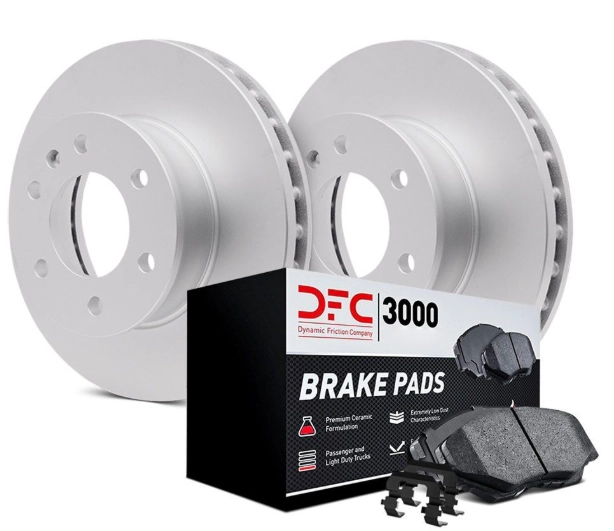
| Ceramic Brake Pads | Daily drivers, commuters, luxury/quiet cars. | Very quiet, extremely low dust, long lifespan, stable performance. | Higher initial cost, can be less effective when very cold. | $80 - $150+ |
| Semi-Metallic Brake Pads | Towing, performance driving, SUVs/trucks, older vehicles. | Excellent stopping power, handles heat well, affordable. | More brake dust, can be noisier, more rotor wear. | $50 - $100 |
| Organic (NAO) Brake Pads | Very light-duty, budget replacement. | Quiet, inexpensive, gentle on rotors. | Wears quickly, produces more dust, fades under heat. | $30 - $70 |
For rotors, the choice is simpler.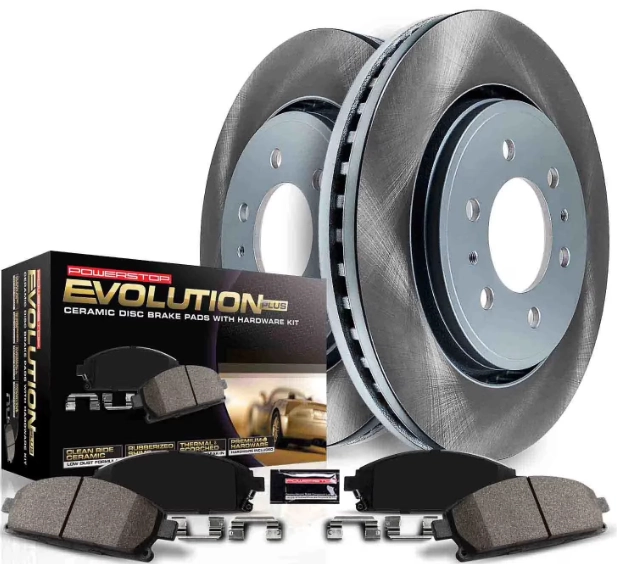
- Blank/Solid Rotors: The standard, smooth disc. Perfect for 95% of daily driving. Cheap and effective.
- Vented Rotors: Have internal vanes to pull heat away from the friction surface. Used on most modern front axles.
- Slotted Rotors: Have shallow channels cut radially. They help clean debris and gases from the pad surface, improving bite in wet conditions. Good for performance street use. Can cause slightly faster pad wear.
- Drilled & Slotted Rotors: Look racy. The holes are meant to aid in gas release and heat dissipation. The downside? They are prone to developing tiny cracks around the holes under extreme track use. For a street car, they're mostly for looks and can be overkill.
My advice? For a typical sedan or crossover, stick with quality blank or slotted rotors and ceramic pads. The lack of dust alone is worth the extra $30.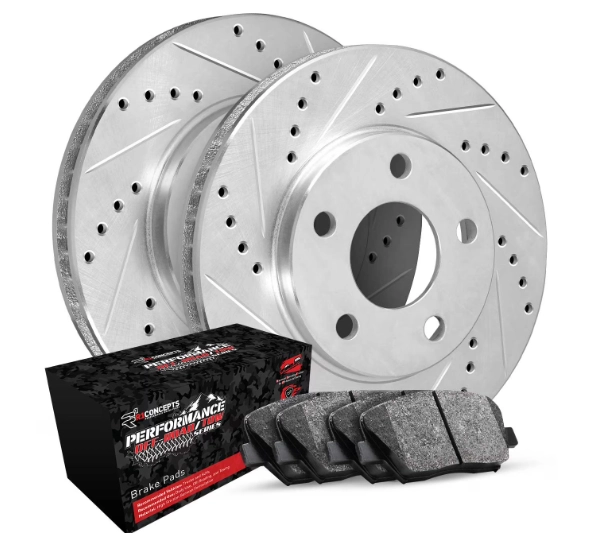
The Real Cost of Brake Pad and Rotor Replacement
Costs vary wildly. Let's take a common example: a 2018 Toyota Camry.
- Parts Only (DIY): Mid-range ceramic pads and solid rotors for the front axle: $150 - $250. For all four wheels: $300 - $500.
- Shop Labor (Parts & Labor): This is where it gets expensive. A front brake job (pads and rotors) at a dealership or independent shop can range from $350 to $600. A full car brake job (all four wheels) can easily hit $800 to $1,200 or more.
The labor is the big ticket. Shops often charge 1.5 to 2 hours of labor per axle. If they're just doing pads, it's less. Always get a written estimate that breaks down parts (brand and part numbers if possible) and labor hours.
Ask: "Are you replacing or resurfacing the rotors?" Resurfacing ("turning" the rotors) is cheaper but only possible if the rotors are thick enough to be machined smooth. Most modern rotors are thinner from the factory, leaving little material to spare.
Can You DIY? A Step-by-Step Reality Check
Replacing brakes is a common first major DIY project. It's doable with basic tools, patience, and safety awareness. Here's the honest process.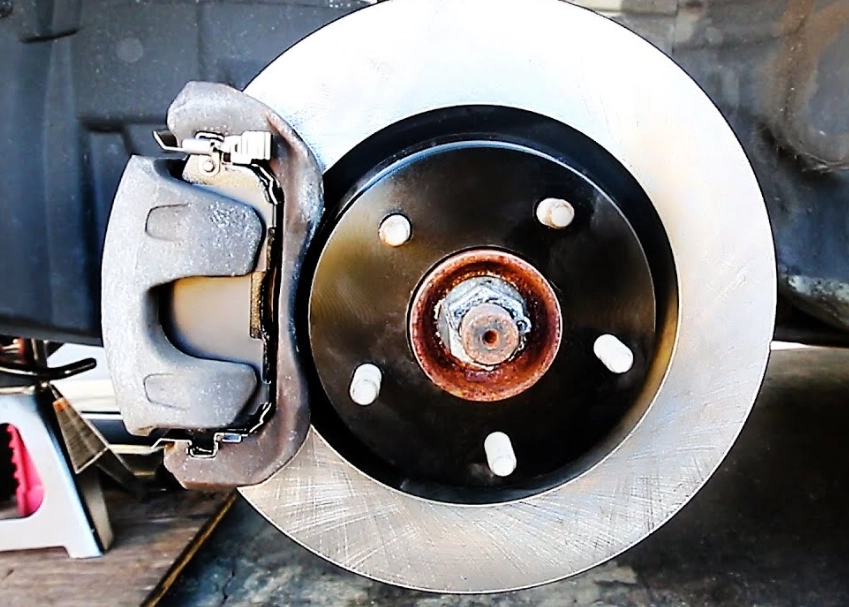
Tools You'll Need: Jack and jack stands (NEVER rely on just the jack), lug wrench, socket set, C-clamp or brake caliper piston tool, brake cleaner, wire brush, torque wrench (critical).
The Basic Process: 1. Loosen lug nuts, safely lift and secure the car, remove the wheel. 2. Remove the caliper bolts and hang the caliper from the suspension with wire—don't let it dangle by the brake hose. 3. Remove the old pads. Use the C-clamp to slowly compress the caliper piston back into its bore. This makes room for the new, thicker pads. 4. Remove the rotor. It might be held on by a screw or just be rusted in place. A rubber mallet can help persuade it. 5. Clean the caliper bracket with the wire brush and brake cleaner. Apply a thin layer of high-temperature brake grease to the pad contact points and caliper slide pins. 6. Install the new rotor. 7. Install the new pads into the bracket. 8. Slide the caliper back over the pads and rotor. Reinstall and tighten the caliper bolts to the manufacturer's specification. 9. Reinstall the wheel and torque the lug nuts in a star pattern to the proper spec (find this in your manual—it's usually around 80-100 ft-lbs).
The Crucial Step Everyone Forgets: After installation, you must bed-in the new brakes. Drive to a safe, empty road. Accelerate to 45 mph and firmly (but not panic-stop) brake down to 10 mph. Do this 5-6 times, then drive for 10-15 minutes without using the brakes much to let them cool. This transfers a layer of pad material onto the rotor, creating the optimal friction surface. If you don't do this, your brakes will never feel right.