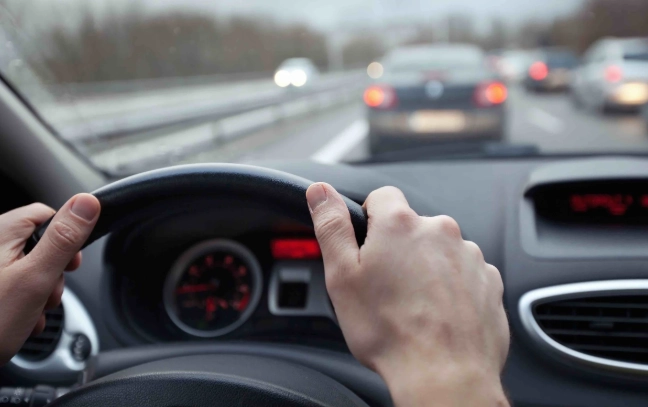
That sudden glow from your dashboard can send a jolt of anxiety through any driver. Is it serious? Can I keep driving? How much is this going to cost? I remember the first time my check engine light came on—I was on a road trip, miles from home, and my mind immediately raced to worst-case scenarios. But here's the truth most generic articles won't tell you: your car's maintenance and warning lights are its way of talking to you. They're not your enemy; they're a sophisticated communication tool. Ignoring them is like ignoring a fever. This guide will translate that language, so you can move from panic to a plan.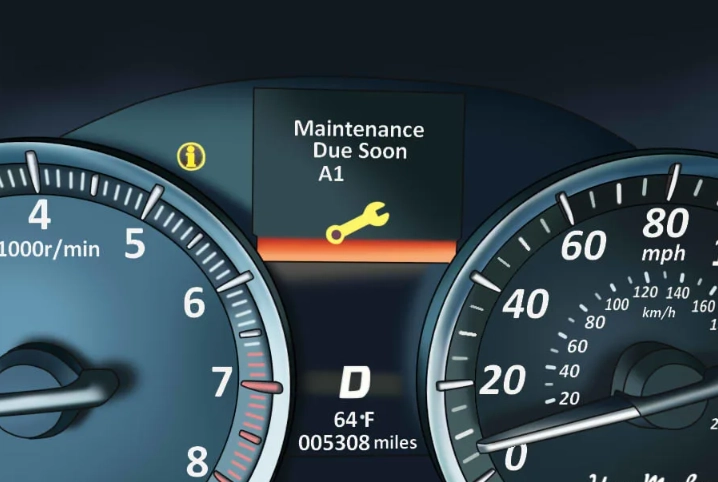
Quick Navigation: Your Dashboard Light Guide
Understanding the Color Code System: Red, Yellow, and Green/Blue
Think of the colors as a traffic light for your car's health. This system, largely standardized by organizations like SAE International, is your first clue to urgency.
| Color | What It Generally Means | Typical Urgency & Action |
|---|---|---|
| Red | Stop / Serious Fault / Safety Critical. This indicates a problem that could cause immediate damage to the vehicle or is a direct safety hazard. | High. Safely pull over and stop as soon as possible. Do not continue driving. Call for assistance. Examples: Engine overheating, oil pressure, serious brake failure. |
| Yellow/Amber | Caution / Service Required. A system needs inspection or service soon. The car is alerting you to a non-critical fault or a maintenance item. | Medium. Schedule service in the near future (days/weeks). Monitor for changes. If flashing, treat as high urgency. Examples: Check engine light (solid), tire pressure low, maintenance reminder. |
| Green/Blue | Information / System On. Simply confirms that a particular system is active or operating. | None. Normal operation. No action needed. Examples: Headlights on, cruise control active, turn signal. |
That yellow check engine light is the most common source of stress. A subtle point many miss: a solid yellow light means "schedule an appointment," but a flashing yellow/amber check engine light means "pull over now." A flashing light indicates a severe misfire that can overheat and destroy your catalytic converter—a repair that costs thousands.
Decoding the Most Common Dashboard Lights
Let's get specific. Here's what you're most likely to see, beyond just the color.
The Check Engine Light (MIL)
This is the big one. It looks like a little engine. Officially called the Malfunction Indicator Lamp (MIL), it's triggered by your car's computer (the ECU) when it detects a problem affecting emissions. The range is vast—from a loose gas cap to a failing oxygen sensor.
The Oil Pressure Warning Light
This looks like an old-fashioned oil can. This is a RED ALERT light. It means oil pressure is dangerously low, not that oil level is low (though that can cause it). Driving with this light on can destroy your engine in minutes due to a lack of lubrication.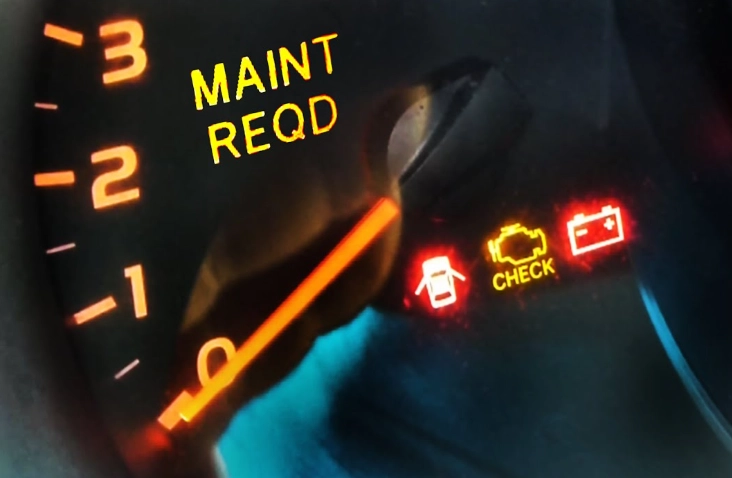
The Tire Pressure Monitoring System (TPMS) Light
It looks like a horseshoe with an exclamation point. It illuminates when the pressure in one or more tires is significantly low (usually 25% below the recommended PSI found on your driver's door jamb sticker). The National Highway Traffic Safety Administration (NHTSA) mandates these systems for safety. Cold weather often triggers it temporarily.
The Brake System Warning Light
This can be two lights: a red "(!)" inside a circle, often with parentheses, or the word "BRAKE." A red one can mean the parking brake is engaged (the most common simple fix) or, more seriously, low brake fluid or a problem with the brake hydraulic system. If the parking brake is off and it's red, stop driving.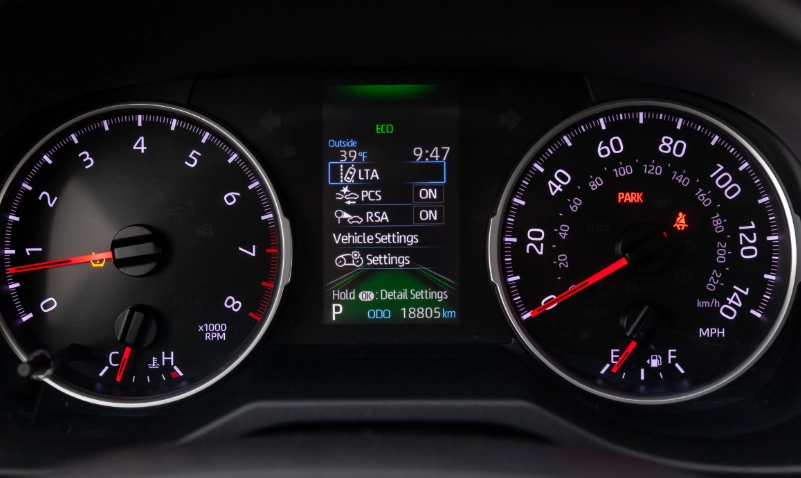
How to Respond When a Light Comes On: A Step-by-Step Plan
Don't just stare at it. Follow this sequence.
- Don't Panic. Take a breath. Identify the symbol and note its color.
- Assess Immediate Safety. Is the light red? Is it flashing? Are there any changes in how the car drives (loss of power, strange noises, overheating gauge)? If yes to any, find a safe place to pull over.
- Consult Your Owner's Manual. I know, nobody does this. But it's in your glovebox for a reason. It has the exact key for your car's specific symbols. It's the most authoritative source you have.
- Perform Basic Checks (If Safe): For a TPMS light, check tire pressures. For a check engine light, ensure the gas cap is tight. For a brake light, ensure the parking brake is fully released.
- Decide on Next Steps: Use the color code. Red/Flashing = Get help now. Solid Yellow = Schedule a diagnosis soon.
DIY vs. Professional Help: Where to Draw the Line
You can handle some lights yourself. Others need a pro. Here's my rule of thumb from years of fixing my own cars and working with mechanics.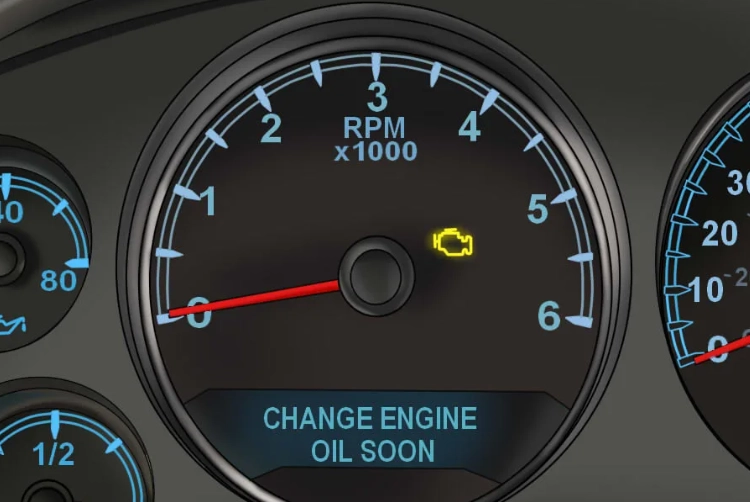
You Can Likely DIY:
- TPMS Light: Inflate all tires to the correct PSI (use a good gauge, not the gas station one). The light should reset after driving a few miles. If it doesn't, you may have a slow leak or a faulty sensor.
- Oil Change Reminder Light: After changing your oil, the reset procedure is in your manual (often a sequence of pressing the odometer button while turning the key).
- Basic Bulb-Out Warnings: Check and replace burnt-out taillights, brake lights, or headlights.
Time to Call a Professional:
- Any Red Warning Light (Oil, Brake, Temperature). The risk of causing catastrophic damage is too high.
- Check Engine Light (Solid): You can buy an OBD2 scanner (a worthwhile $30 investment) to read the code (e.g., P0420 - Catalyst Efficiency). This gives you power. You can research the code, but for most internal engine, transmission, or emissions repairs, you'll need a mechanic with proper tools.
- Airbag or ABS Warning Lights: These are complex safety systems. Diagnosis requires specialized scanners.
A Real-World Scenario: The TPMS Light on a Road Trip
Imagine this: You're two hours into a highway drive. The yellow TPMS light pops on.
What most people do: Panic, think they have a flat, and make a dangerous sudden stop on the shoulder.
What you should do:
- Stay calm. The car is driving normally. A TPMS light warns of low pressure, not necessarily a flat.
- Gently reduce speed and take the next exit to a safe, level area like a gas station.
- Use your tire pressure gauge (you keep one in the glovebox, right?) to check all four tires against the door jamb PSI.
- If one is significantly lower (e.g., 28 PSI vs. the recommended 35 PSI), you likely have a slow leak. Fill it to the correct pressure.
- Drive for 10-15 minutes. If the light goes off, monitor it. You can continue your trip but check the pressure at every fuel stop. If it comes back on quickly, you need to find a tire shop for a repair.
This approach keeps you safe, informed, and in control, turning a potential crisis into a manageable task.
Your Burning Questions Answered
Look, those little lights don't have to ruin your day. They're there to help. By understanding the color code, knowing the common symbols, and having a calm response plan, you transform from a passive driver into an informed vehicle owner. You'll save money by addressing small issues before they become big ones, and you'll drive with a lot more peace of mind. Next time a light glows, you'll know it's just your car starting a conversation.