Quick Navigation
- The Biggest Factor: What Are You Tinting?
- The Film Itself: Where Your Money Actually Goes
- Beyond the Car and Film: The Hidden Cost Factors
- Putting It All Together: Real-World Price Scenarios
- Getting Quotes & Choosing a Shop: A Practical Guide
- Your Questions, Answered (The FAQ)
- The Final Word on Cost
So you're thinking about getting your windows tinted. Maybe your car feels like a mobile greenhouse in the summer, or you just want a bit more privacy. The first question that pops into your head is almost always the same: how much should it cost to tint your windows? It's a simple question with a frustratingly complex answer. I remember when I first looked into it for my old sedan – the quotes ranged from "that's surprisingly cheap" to "are they using gold leaf?"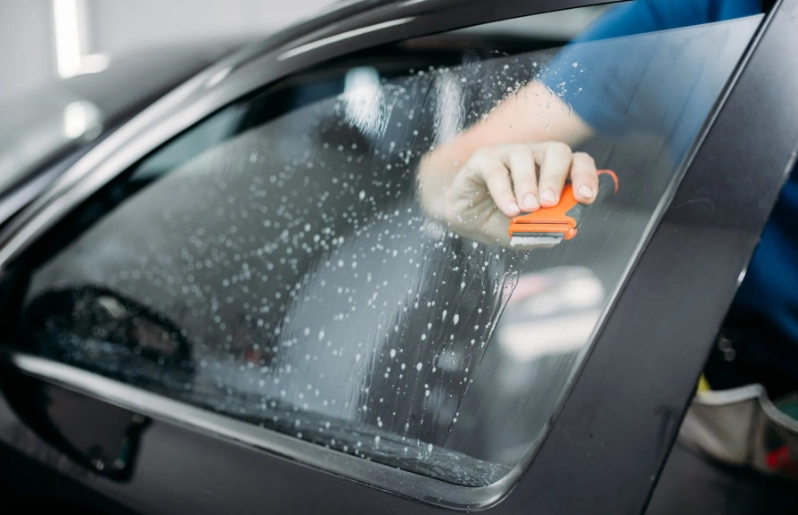
Let's cut through the confusion. The price isn't just a random number. It's a puzzle made up of your car, the film you choose, who does the work, and even where you live. A basic tint job on a two-door coupe is a completely different beast from getting a high-tech ceramic film installed on a giant SUV with those fancy little corner windows. I've seen people get ripped off, and I've seen people get amazing deals because they knew what to ask for. This guide is about getting you into that second group.
We're going to dig into every single thing that changes the number on your invoice. By the end, you'll not only know how much should it cost to tint your windows, but you'll understand why it costs that much. You'll be able to walk into a shop, or read an online quote, and know exactly what you're paying for.
The Biggest Factor: What Are You Tinting?
This is where the price story begins. You can't talk about cost without first talking about the vehicle sitting in the shop bay. The size, shape, and number of windows are the foundation of the quote.
Passenger Cars (Sedans, Coupes, Hatchbacks)
These are usually the most straightforward and, relatively, the most affordable. A standard four-door sedan has a predictable set of windows: two front doors, two rear doors, and a rear windshield. Coupes and hatchbacks might have fewer windows or different shapes. Because the patterns are common and installers have done them a thousand times, the labor is more efficient. But don't think "simple" means "cheap everywhere." A luxury sedan with delicate electronics or tight seals can still bump up the price.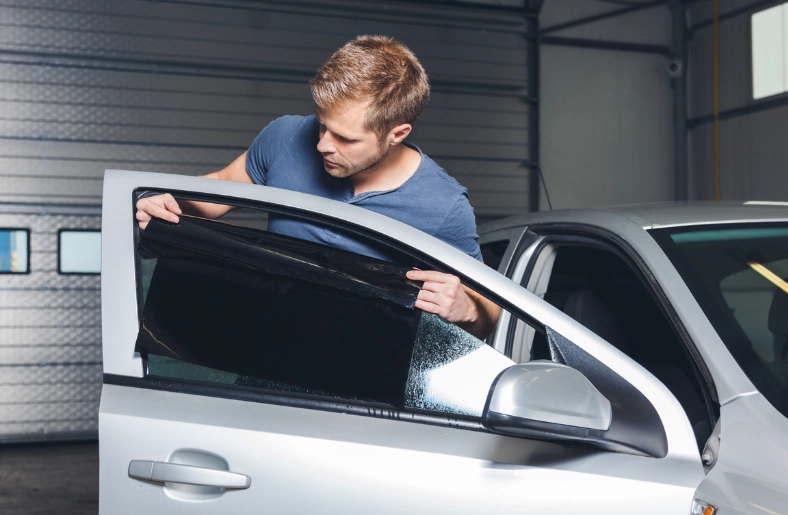
SUVs, Crossovers, and Minivans
Get ready for the price to jump. More square footage means more film. It's that simple. An SUV doesn't just have more windows; the windows are often bigger. The rear windshield on an SUV is a giant piece of glass compared to a car. Then there are the extra windows – the little quarter windows behind the rear doors, or the massive windows on a minivan's sliding doors. More film, more cutting, more time. When asking how much should it cost to tint your windows on an SUV, always expect the quote to be higher than for a sedan, even for the same film type.
Trucks (Pickups)
Trucks are a unique category. Tinting just the front two windows is a very common, budget-friendly request. But if you want to do the whole thing – front doors, rear small windows (if you have them), and the massive rear windshield – you're back in SUV pricing territory. The rear windshield on a crew-cab truck is a huge, often curved piece of glass that requires skill to tint without creases.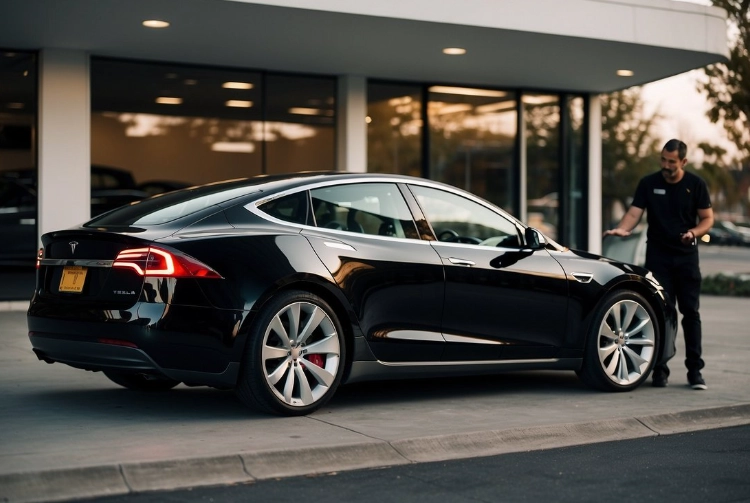
The Special Cases: Luxury & Sports Cars
Here's where labor costs can really escalate. A Tesla Model S with its massive, single-pane glass roof? A Porsche with deeply recessed windows and sensitive sensors? An installer will charge more. The risk is higher (replacing a Tesla window is not cheap), the difficulty is greater, and the need for absolute precision is non-negotiable. For these vehicles, the installer's expertise becomes a huge part of the value, and you should expect to pay for it.
Quick-Reference Price Table by Vehicle Type
Here's a ballpark to get you oriented. These ranges assume a standard dyed or hybrid film. Premium films (ceramic, crystalline) will start at the higher end of these ranges and go up. Remember, these are national averages – your city matters!
| Vehicle Type | Typical Window Count | Estimated Price Range (Standard Film) | Key Cost Drivers |
|---|---|---|---|
| Compact/Sedan (4-door) | 5-7 windows (doors + rear) | $150 - $400 | Standard job. Most common, competitive pricing. |
| Coupe/Convertible | 3-4 windows | $100 - $300 | Fewer windows lower cost, but complex rear glass on some models can increase it. |
| SUV/Crossover | 7-9+ windows | $250 - $600+ | More & larger glass area. Extra quarter windows add time/film. |
| Minivan | 8-10+ windows | $300 - $700+ | Maximum glass area. Sliding door windows are large and complex. |
| Pickup Truck (Front Only) | 2 windows | $50 - $150 | Minimal film & labor. The most basic service. |
| Pickup Truck (Full) | 5-7 windows | $200 - $500 | Large rear windshield is challenging. Crew cab vs. extended cab matters. |
See that spread? That's why the first thing any good shop will ask is, "What's the year, make, and model?" It's the cornerstone of figuring out how much it should cost to tint your windows.
The Film Itself: Where Your Money Actually Goes
Okay, so the car sets the stage. The film is the star of the show. This is the product you're buying, and the differences here are massive – in performance, durability, and, yes, price. Think of it like buying tires. You can get budget all-seasons or high-performance summer tires. Both are round and black, but that's where the similarities end.
Most shops will offer a tiered system. The names might be different (Bronze, Silver, Gold / Standard, Premium, Ultimate), but the technology behind them usually falls into these categories:
Dyed Window Film (The Budget Option)
This is the classic, most affordable tint. It uses a layer of dye to block light and create privacy. Here's the honest truth about dyed film: it's great for looks and basic privacy, but pretty weak on heat rejection. The dye absorbs solar heat, which can actually make the film itself hot and radiate heat into the car over time. It also tends to fade and turn purple or bubble after several years, especially in harsh sun. I made this mistake on my first car – it looked good for two summers, then it started to look cheap. If your only goal is a darker look for a low price, this is it. But if heat is your enemy, look further.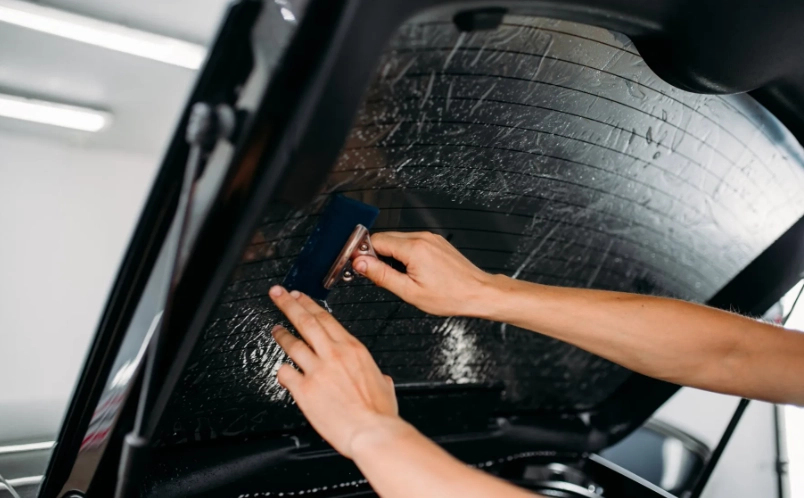
Metalized or Hybrid Film (The Middle Ground)
This is a step up. These films have microscopic metallic particles (often aluminum) layered in with dye. Those particles reflect solar energy, not just absorb it. The result is significantly better heat rejection, better glare reduction, and a sleeker, slightly shiny or reflective appearance. Durability is also much better – they resist fading and bubbling. The catch? The metal can sometimes interfere with cell phone, GPS, or radio signals. It's usually minor, but it's a real thing. For most people, this hybrid film offers the best balance of performance and cost. It's the "sensible choice" that answers how much should it cost to tint your windows with solid value.
Ceramic Window Film (The Premium Performer)
This is the current king of the hill in performance. Ceramic films use non-metallic, nano-ceramic particles to block heat. The advantages are huge: superior heat rejection (often blocking 40-60% of total solar heat), absolutely no signal interference, incredible clarity, and fantastic fade resistance. It doesn't have the reflective look of metalized film; it's typically very neutral. The downside? You guessed it – price. Ceramic film can cost two to three times more than a basic dyed film. Is it worth it? If you live in Arizona, Texas, or Florida, or if you just hate being hot in your car, the answer is often a resounding yes. The comfort difference is not subtle. It's the difference between your A/C struggling and your A/C actually making the car cool.
Other Specialty Films
You might also hear about carbon film (similar performance to ceramic, sometimes at a slightly lower price point) or clear UV/heat rejection films (like 3M Crystalline or Llumar Air) that are nearly invisible but still offer great protection. These are niche products that address specific needs, like complying with very dark tint laws or protecting a classic car's interior without changing its look.
Pro Tip: Don't just ask for "ceramic." Ask for the brand and the specific series (e.g., Llumar IRX, 3M Ceramic IR, Xpel Prime XR Plus). Reputable shops use branded films with published performance specs. A shop that just says "we use a ceramic film" might be using a low-quality no-name product. Check the manufacturer's website – brands like 3M, Llumar, Xpel, and Johnson Window Films have dealer locators and product info you can research.
Beyond the Car and Film: The Hidden Cost Factors
Now we get into the finer details. Two shops with the same film for the same car can still give you different quotes. Here's why.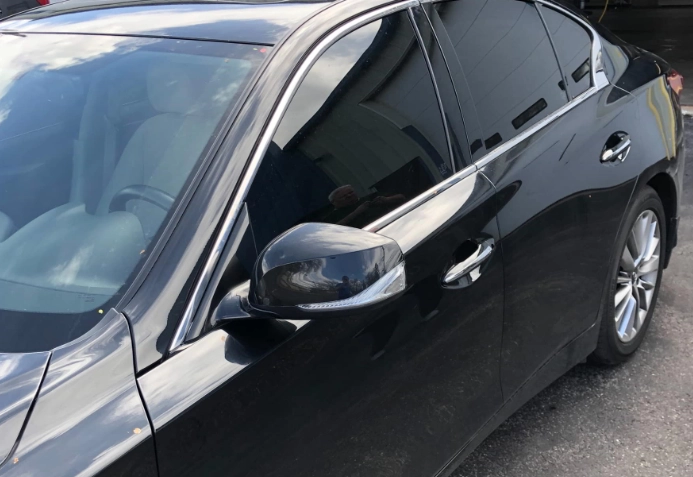
Labor & Shop Overhead (The "Who" Matters)
You're not just paying for vinyl. You're paying for skill, experience, and a guarantee. A veteran installer who can handle a difficult back glass in one piece, who knows how to work around defroster lines without damaging them, and who takes the time to do a flawless job is worth more than a rookie. A shop with a lifetime warranty on their work (and the film manufacturer's warranty to back it up) is building that cost into the price. A shop in a high-rent district has higher overhead than a guy working out of a garage. This isn't always a case of "more expensive is better," but extremely cheap quotes should raise a red flag. What are they sacrificing? Skill? Warranty? Film quality?
Your Location (Geography is Destiny)
This is a big one. How much should it cost to tint your windows in Los Angeles is different from the cost in Omaha. Labor rates, business costs, and even the level of competition vary wildly. In hot climates where tint is almost a necessity, the market is more competitive, which can sometimes drive prices down, but the demand for premium films is higher. In colder climates, fewer shops might offer the service, potentially keeping prices stable. Always get a few local quotes to understand your market's range.
The Legal Factor: Tint Darkness (VLT%)
VLT stands for Visible Light Transmission. A 5% VLT film is limo-tint dark (lets in 5% of light). A 50% VLT film is a light smoke. Every state has laws governing how dark you can go on your front side windows and rear windows. Some shops will charge a slight premium for very dark films (like 5% or 15%) because they are harder to install perfectly – every tiny speck of dust or imperfection is more visible. More importantly, some shops might refuse to install an illegally dark tint on your front windows due to liability. Know your state's laws (the International Window Film Association (IWFA) has a good state-by-state reference). Getting a ticket and having to rip it off is an expensive way to learn this lesson.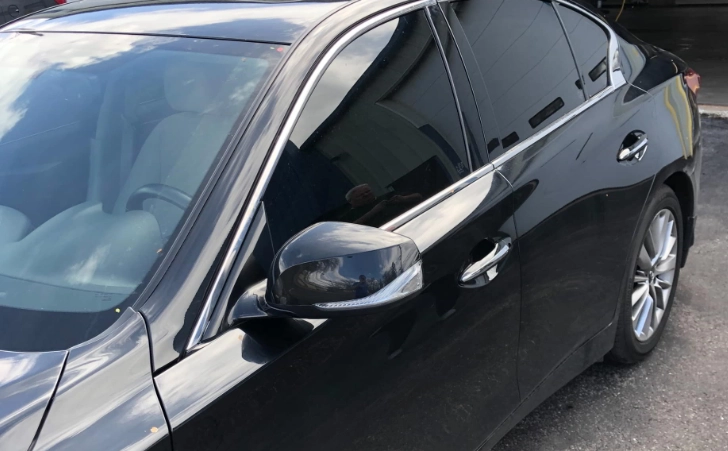
Windshield Banners & Full Windshield Tints
Many people add a 5 or 6-inch strip of tint across the top of the windshield (a "sun strip" or "banner") to block the sun visor gap. This is usually a cheap add-on ($20-$50). A full, clear high-heat-rejection film on the entire windshield is a different story. It uses a lot of film (the biggest single piece on the car) and requires extreme precision. This can add $100-$300+ to your total bill, but for heat rejection, it's the single most effective window you can treat.
Watch Out: The "Too Good to Be True" Price. If a quote is hundreds less than everyone else's, ask hard questions. Are they using a no-name film that will fail? Is the warranty only 1 year? Are they cutting corners on prep (not removing panels, not cleaning perfectly)? A bad tint job with bubbles, peeling edges, and poor cuts will hurt your car's look and your wallet when you have to pay someone else to remove and redo it.
Putting It All Together: Real-World Price Scenarios
Let's make this concrete. What does how much should it cost to tint your windows look like in practice?
Scenario 1: The Value-Conscious Commuter. You drive a 2020 Honda Civic sedan. Your goal is reduced glare and a slightly cooler cabin. You choose a good quality hybrid film (like Llumar ATC) at a legal 35% VLT for your front windows. A reputable local shop quotes you $280. This is a totally reasonable price for a durable, effective job on a common vehicle.
Scenario 2: The Family Road Trip Warrior. You have a 2022 Toyota Highlander SUV. The kids are melting in the back on summer trips. You want maximum heat rejection. You choose a top-tier ceramic film (like 3M Ceramic IR) all around, plus a clear ceramic film on the windshield for maximum heat block. The quote comes in at $850. It stings upfront, but the cabin comfort on your next drive to the beach will make you forget the cost.
Scenario 3: The Project Car Enthusiast. You're restoring a classic 1990s sports car with a pristine interior. You want UV protection to prevent dash cracking and fading, but you don't want to alter the classic look. You opt for a nearly clear, high-performance film (like Llumar Air 80) on all windows. Because the car is old and the window seals are delicate, the installer charges a premium for careful work. The total is $500. You're paying for specialized film and high-skill labor to protect your investment.
These aren't just random numbers. They show how the factors chain together: Vehicle + Film Choice + Scope of Work = Final Price.
Getting Quotes & Choosing a Shop: A Practical Guide
Knowing the theory is one thing. Navigating the actual process is another. Here's how to not get lost.
First, get at least three quotes. Not just phone quotes – in-person or detailed email quotes are better. When you contact a shop, be specific: "I have a 2019 Subaru Outback. I'm interested in a quote for a ceramic film, all side and rear windows, at the legal limit for my front windows (check your state!). Can you provide a quote for your [Brand Name, e.g., Xpel] ceramic series?"
When you get the quote, it should break down the cost. Film type, number of windows, any extra charges. If it's just one lump sum, ask for details. A good shop will be transparent.
Ask about the warranty. There should be two: 1) The manufacturer's warranty against color change, bubbling, and peeling (often for the life of the film). 2) The installer's warranty on their labor (against peeling edges, etc.). Get them in writing.
Look at the shop's previous work. Any reputable shop will have photos or cars in progress. Look at the edges. Are they straight and tight? Are the corners neatly cut? Are there any visible gaps, bubbles, or debris under the film? Don't be shy about asking to see a finished car.
Finally, trust your gut. Does the place look professional? Do they answer your questions clearly and without pressure? The cheapest option is rarely the best when it comes to a semi-permanent modification to your car.
Your Questions, Answered (The FAQ)
The Final Word on Cost
So, after all that, how much should it cost to tint your windows?
There's no single number. But now you have the map. For a standard sedan with a good mid-range film, think $250-$400. For an SUV with a premium ceramic film, think $500-$800+. It's an investment.
The real question to ask yourself isn't just "what's the price?" It's "what's the value?" What is a cooler, more private, more UV-protected, and better-looking car worth to you over the next 5-10 years? For me, after suffering through a few summers with a fading dyed film, the value of a high-quality ceramic tint was clear. The upfront cost faded from memory every time I got into a car that wasn't an oven.
Do your homework, get those local quotes, and don't be afraid to pay for quality from a shop that stands behind their work. Your future self, sitting comfortably in your car on a blazing hot day, will thank you.