Let's talk about Toyota and electric cars. For years, it felt like watching a master chef insist on perfecting a gas grill while everyone else was building induction cooktops. They pioneered hybrids with the Prius, but their move to full battery-electric vehicles (BEVs) seemed cautious, maybe even reluctant. That changed with the bZ4X. It's Toyota's first global mass-market electric car, and it tells us a lot about how this automotive giant approaches EVs: with a focus on reliability, practicality, and a dose of conservative tech.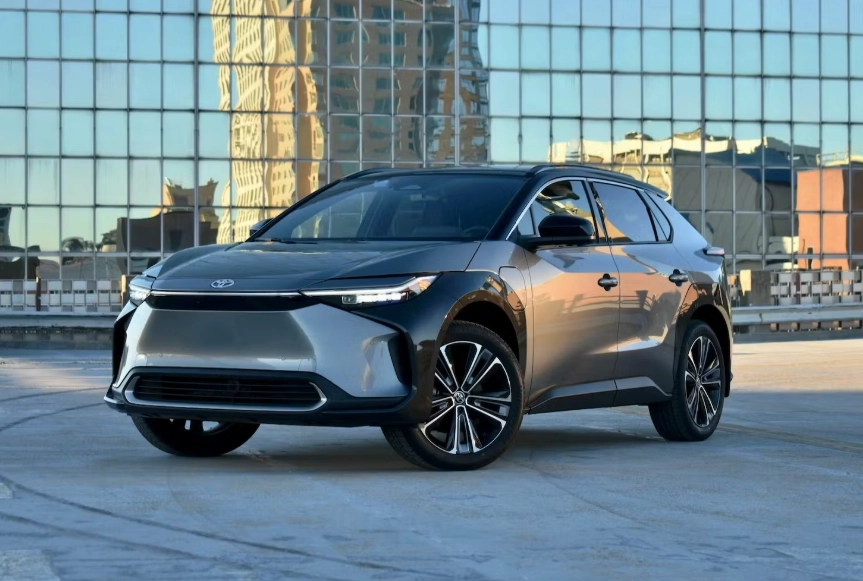
I've spent time with the bZ4X, talked to owners, and compared specs until my eyes glazed over. If you're wondering whether a Toyota electric car is right for you, this isn't just a rehash of the press release. We're going into the real-world details—the range on a cold day, the cost to charge at home, the things you'll love, and the quirks that might make you pause.
What's Inside?
The bZ4X: A Detailed Breakdown
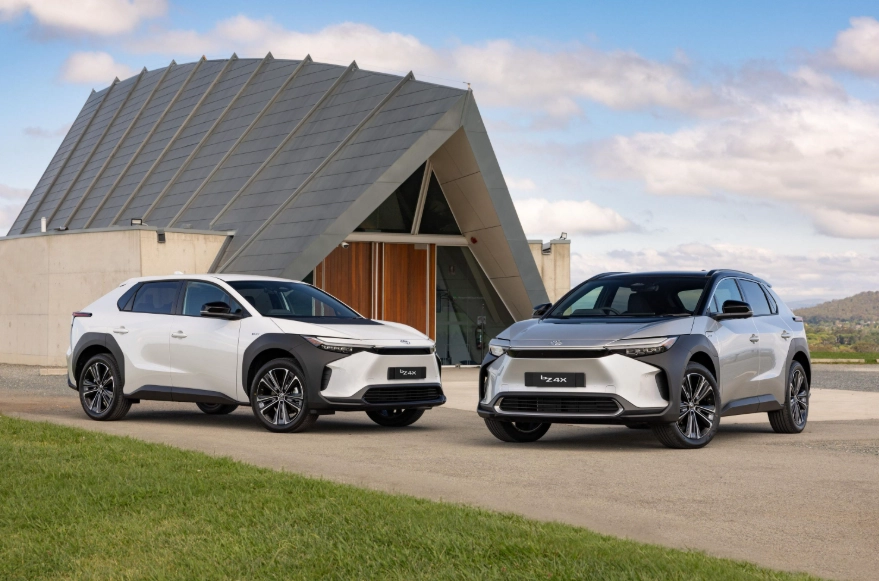
First, the name. "bZ" stands for "beyond Zero," and "4X" denotes its size as a crossover. Underneath, it shares a platform with the Subaru Solterra, which explains the available all-wheel-drive system with Subaru's X-Mode for light off-roading.
You can get it in front-wheel drive (FWD) or all-wheel drive (AWD). This choice matters more than you think.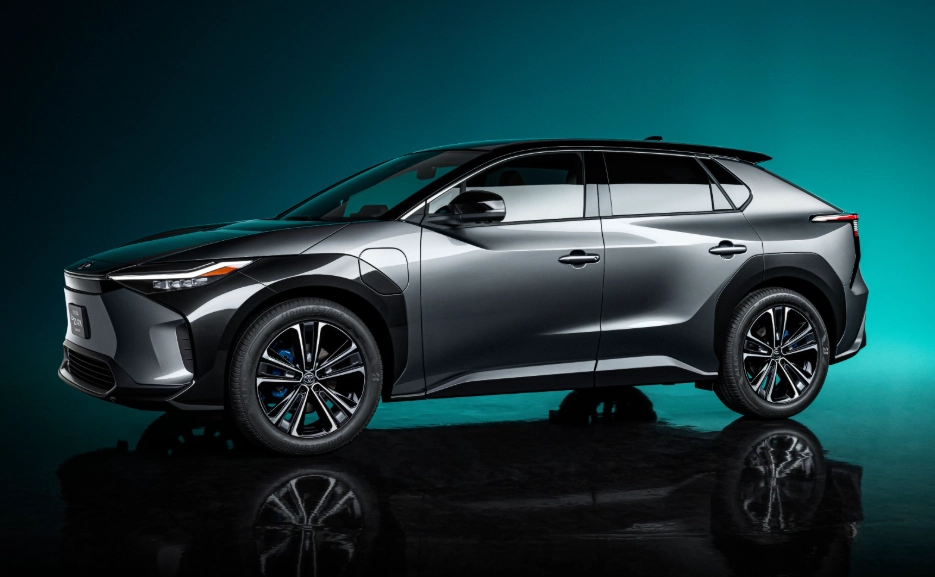
Performance and Range: The Numbers Game
The FWD model uses a single 201-horsepower motor. It's the efficiency champ, with an EPA-estimated range of 252 miles. The AWD version has two motors making a combined 214 horsepower. The extra grip and power come at a cost: range drops to 228 miles.
Here's the first non-consensus point: everyone obsesses over the maximum range number, but the minimum guaranteed range in real conditions is more important. In my experience, during a mixed week of highway and city driving in mild weather (around 60°F), the FWD model reliably delivered 230-240 miles. Push it on a 75 mph highway in 30°F weather with the heater on, and you could see that number dip toward 190. That's not unique to Toyota—it's physics—but it's the reality you plan for.
The driving feel is... very Toyota. It's not a sports car. Acceleration is smooth and adequate (0-60 in about 7 seconds for AWD), not neck-snapping. The priority is comfort and predictability. Some reviewers knock it for not being "exciting," but if you're coming from a RAV4 or a Camry, it will feel familiar and effortless.
Interior and Tech: Practical Over Flashy
Step inside, and the bZ4X feels spacious. The rear legroom is excellent, a Toyota hallmark. The materials are a mix—some nice soft-touch surfaces, but also some harder plastics where you might not expect them. It's built to be durable, not to win design awards.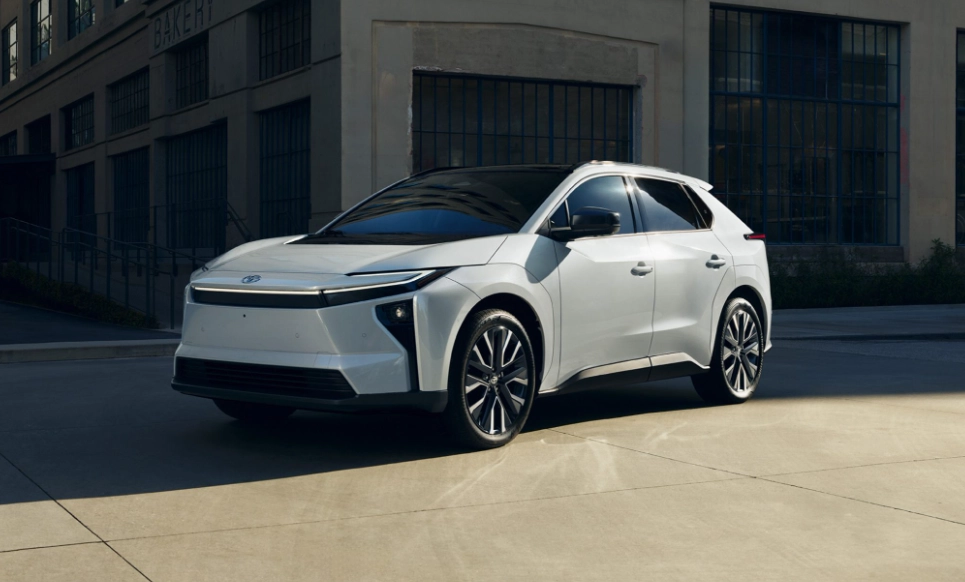
The tech interface is where Toyota's conservative approach is most apparent. You get a 12.3-inch touchscreen. The software is functional but can feel a step behind the slick, tablet-like systems from Hyundai or Tesla. It has wireless Apple CarPlay and Android Auto, which is a lifesaver because you'll probably want to use those instead of the native nav.
One clever, underrated feature: the instrument panel is mounted high on the dashboard, right below the windshield. You barely have to take your eyes off the road to check your speed or range. It's a small detail that shows good ergonomic thinking.
How the Toyota bZ4X Stacks Up Against the Competition
You can't evaluate this car in a vacuum. It lands in the hottest segment: the compact electric SUV. Let's put it next to its two biggest rivals.
| Feature | Toyota bZ4X (AWD) | Hyundai Ioniq 5 (AWD) | Tesla Model Y (Long Range AWD) |
|---|---|---|---|
| Starting Price (approx.) | $44,000 | $47,000 | $49,000 |
| EPA Range | 228 miles | 260 miles | 310 miles |
| Peak Charging Speed | 100 kW | 235 kW | 250 kW |
| 0-60 mph | ~6.5 sec | ~4.7 sec | ~4.8 sec |
| Cargo Space (rear seats up) | 27.7 cu ft | 27.2 cu ft | 34.3 cu ft |
| Notable Strength | Predicted reliability, comfortable ride | Blazing fast charging, retro-futuristic design | Supercharger network, best software, max range |
Looking at this, the bZ4X isn't the leader in specs. Its range and charging speed are its weakest points on paper. The Hyundai Ioniq 5 can add 180 miles of range in 18 minutes at a fast charger. The bZ4X might take 35 minutes to do the same. For road trippers, that's a tangible difference.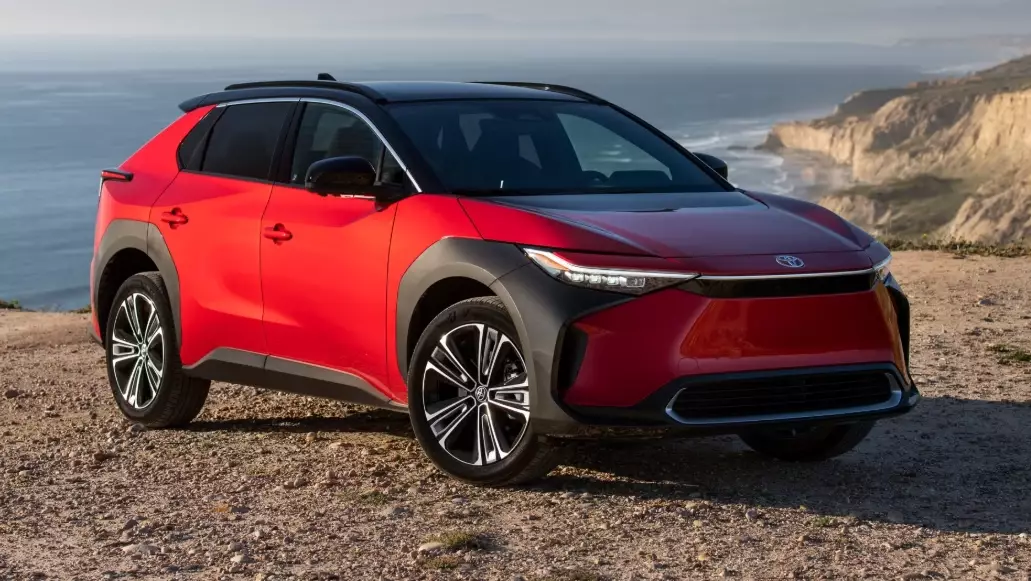
But specs aren't everything. The Ioniq 5's ride can be firm. Tesla's build quality and service center experiences are famously inconsistent. The bZ4X's play is Toyota's century of manufacturing know-how. It bets that you'll value a hassle-free ownership experience, fewer squeaks and rattles at 50,000 miles, and a brand that knows how to make a car last over sheer technological bragging rights.
Is that bet worth it? It depends entirely on your lifestyle.
The Reality of Charging a Toyota EV
Unless you only use public chargers, you'll do 80-90% of your charging at home. This is the EV ownership game-changer.
With a standard 120V outlet (Level 1), you'll add about 4-5 miles of range per hour. That's fine if you drive less than 40 miles a day. For most, installing a 240V Level 2 charger is the way to go. This can fully recharge a depleted bZ4X overnight in about 8-9 hours.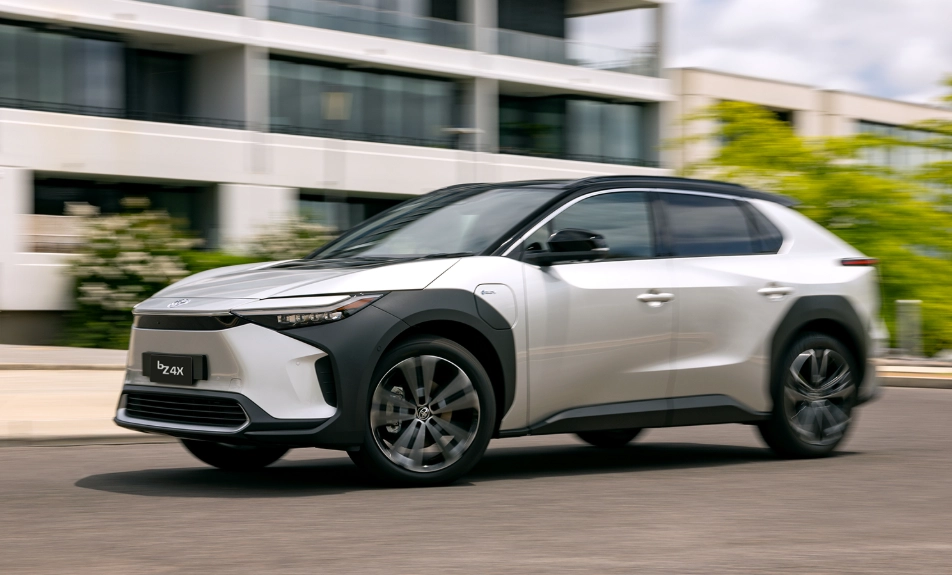
The cost? Let's get specific. The national average for electricity is about 16 cents per kWh. The bZ4X has a 71.4 kWh battery (though not all is usable). To fill it from empty would cost roughly $11.42. If that gives you 230 miles, your cost per mile is about 5 cents. Compare that to a gas-powered RAV4 getting 30 mpg with gas at $3.50/gallon: that's nearly 12 cents per mile. The savings add up fast.
Public DC fast charging is more expensive, often 2-3 times the home rate. It's for trips, not daily use. And here's the bZ4X's genuine weakness: its max 100 kW charging speed is slow for 2024. On a long trip, you'll be parked longer than drivers of most newer EVs. You need to build that into your travel plans.
Owning a Toyota Electric Car: Costs, Warranty, and Resale
The upfront price is higher than a comparable hybrid. But the US federal tax credit of up to $7,500 currently applies to the bZ4X (eligibility can change, always check the official IRS website for the latest list). That's a huge factor that can bring the price close to a loaded RAV4 Hybrid.
Maintenance is where you save big. No oil changes. Fewer brake jobs due to regenerative braking. No spark plugs, no fuel filters. You're mainly looking at tire rotations, cabin air filters, and eventually, brake fluid and coolant changes. It's dramatically simpler.
The warranty is strong and specifically addresses the biggest EV fear: battery degradation. Toyota covers the EV components for 8 years or 100,000 miles and guarantees the battery will retain at least 70% of its capacity during that period. This peace of mind is a core part of Toyota's value proposition.
Resale value is the big unknown. Toyota's legendary reliability should help, but rapidly improving EV tech could hurt. A 5-year-old bZ4X with 200 miles of range might look less appealing if new EVs get 400 miles for the same price. It's a risk with any current EV, not just Toyota's.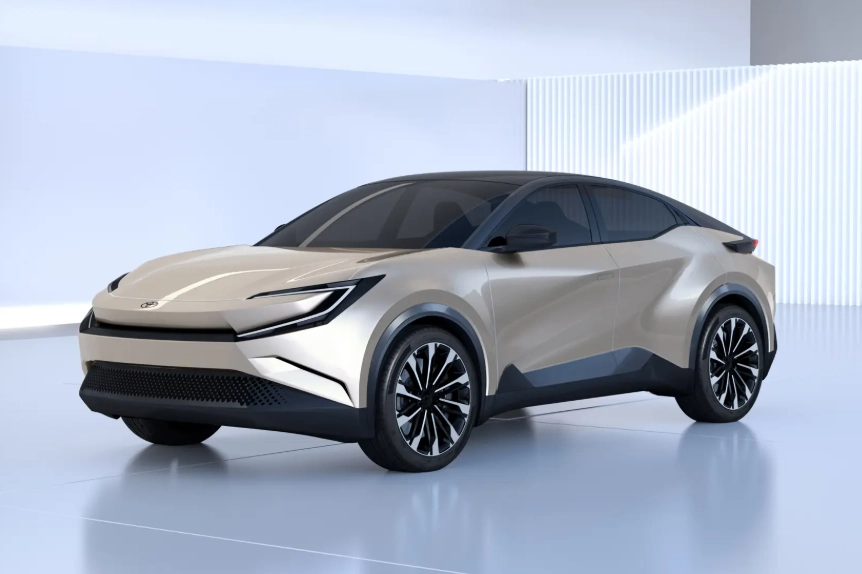
Who Should (and Shouldn't) Buy a Toyota Electric Car?
This isn't for everyone. Let's break it down.
The bZ4X is a great fit if you:
- Are a current Toyota owner wanting to step into an EV with a familiar feel.
- Primarily commute and run errands, with home charging available.
- Take occasional road trips but don't mind planning charging stops.
- Value predicted reliability and a comfortable ride over cutting-edge tech specs.
- Want the safety of a strong, long-term battery warranty from a trusted brand.
You should probably look elsewhere if you:
- Frequently drive long distances (500+ miles) and value minimizing travel time.
- Don't have reliable access to home or workplace Level 2 charging.
- Get excited by blistering acceleration and the latest in-car tech interfaces.
- Need maximum cargo space in this class.
Your Toyota EV Questions Answered
Toyota's electric car journey is just beginning. The bZ4X is a competent, sensible, and somewhat safe first entry. It won't win every drag race or spec sheet comparison. But for a certain buyer—one transitioning from gas, valuing Toyota's reputation, and with a mostly local driving routine—it makes a lot of sense. It feels like a tool designed for a job, not a tech statement. And sometimes, that's exactly what you need.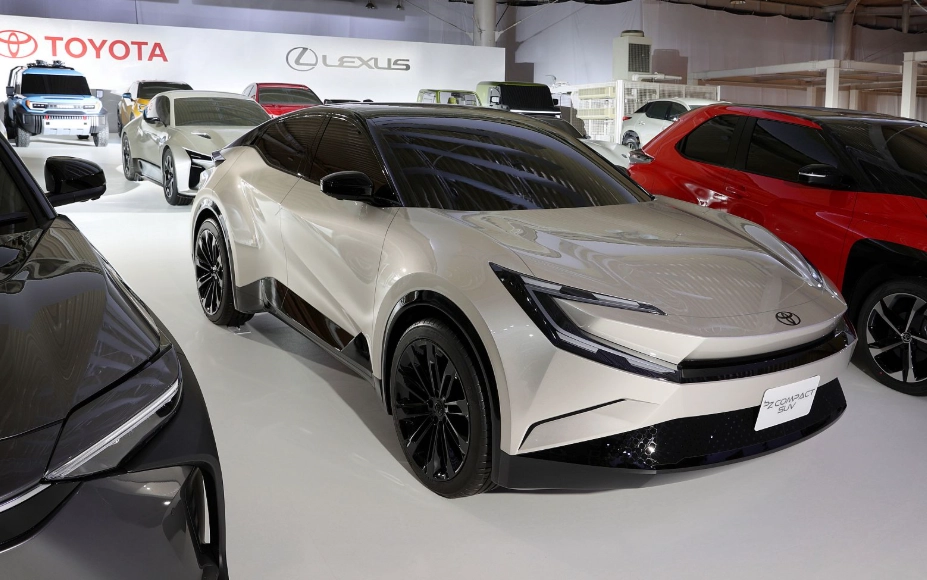
Your next step? If it sounds interesting, find a dealer and take a long test drive. Not just a loop around the block. Take it on the highway. Sit in the back seat. Try plugging in your phone and using the infotainment. See if the familiar, competent feel is what you want, or if you're left wishing for a bit more spark. That's the only way to know for sure.