That rubber belt inside your engine? It's more important than you think. A timing belt synchronizes the crankshaft and camshaft, ensuring valves open and close at the right time. If it fails, your engine might just quit—permanently. I've worked on cars for over a decade, and timing belt neglect is the number one cause of avoidable engine disasters. Let's dive into what you need to know.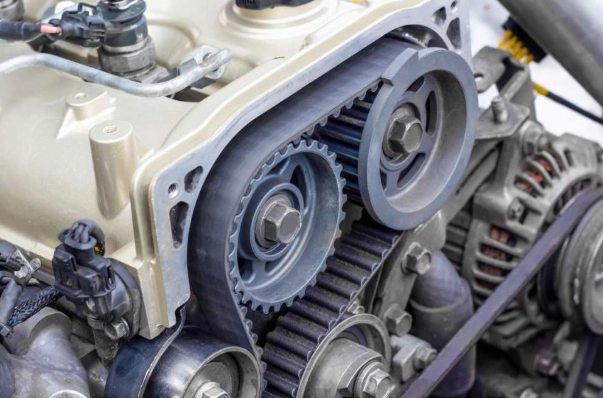
What You'll Find Inside
What is a Timing Belt and Why It's Critical
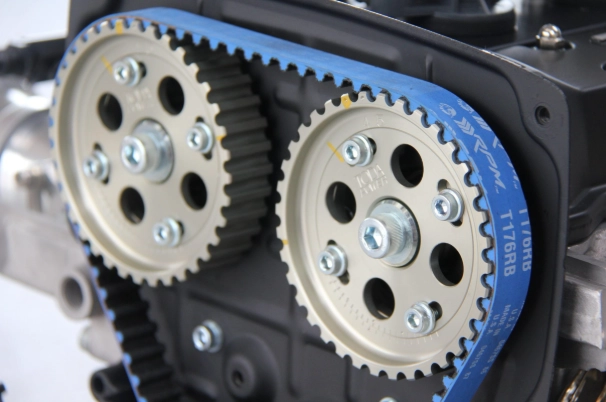
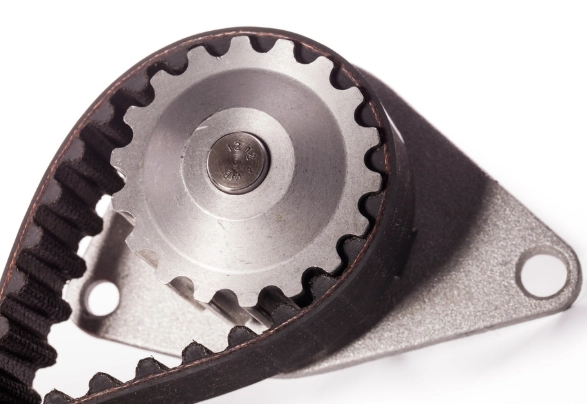
Think of the timing belt as the conductor of your engine's orchestra. It keeps the pistons and valves in sync. Most cars have one, though some use timing chains (more durable but noisier). The belt is made of reinforced rubber with teeth that grip pulleys. Over time, heat and friction wear it down.
Here's the kicker: when a timing belt snaps, the engine can suffer "interference" damage. Pistons smash into valves, bending them or worse. Repair bills skyrocket to $2,000-$4,000. Non-interference engines are safer, but still leave you stranded. The Society of Automotive Engineers (SAE) emphasizes regular inspection, but many owners forget until it's too late.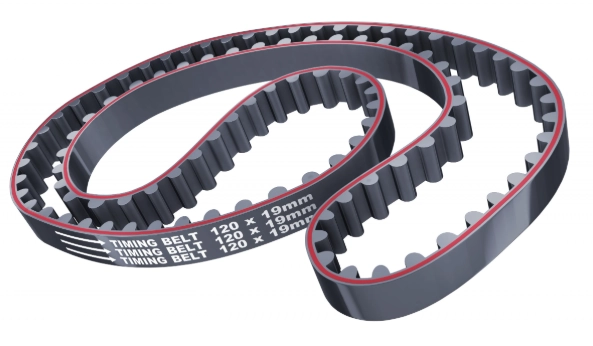
I remember a customer's Honda Accord—belt broke at 95,000 miles, just past the recommended change. The engine was totaled. He thought mileage was the only factor. Wrong. Age matters too; belts dry out and crack even if you don't drive much.
Top Signs Your Timing Belt Needs Replacement
Don't wait for a breakdown. Watch for these symptoms. They're subtle but telling.
Unusual Noises from the Engine
A ticking or slapping sound from the front of the engine often means a loose or worn belt. It might slip on the pulleys. If you hear it, get it checked ASAP. I've diagnosed this by simply listening—no fancy tools needed.
Engine Misfires or Poor Performance
When the timing is off, fuel combustion gets messy. You'll feel hesitation, rough idling, or loss of power. It mimics other issues, but combined with mileage, it's a red flag.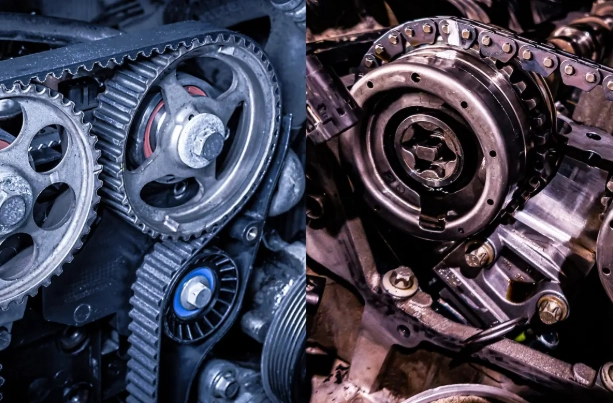
Oil Leaks Near the Belt Cover
Oil degrades rubber. Leaks from the camshaft seal can soak the belt, speeding up wear. Pop the hood and look for greasy residue. A small leak now can mean big trouble later.
Other signs include difficulty starting or the check engine light flashing. But here's a pro tip: belts can fail with zero warning. That's why preventive replacement beats reactive repairs. The National Highway Traffic Safety Administration (NHTSA) doesn't mandate recalls for this, but it's a common failure point in older vehicles.
Critical Note: If your car has over 60,000 miles or is 5+ years old, assume the belt is due. Check your owner's manual—some models like Toyota Camry recommend 90,000 miles, while others like Subaru say 105,000. Don't guess; know your interval.
How Much Does Timing Belt Replacement Cost?
Costs vary wildly. Let's break it down with a table—real numbers from my shop experience.
| Car Type | Parts Cost (Belt, Tensioner, Pump) | Labor Cost | Total Estimate |
|---|---|---|---|
| Compact (e.g., Honda Civic) | $100 - $200 | $200 - $400 | $300 - $600 |
| Midsize (e.g., Ford Fusion) | $150 - $250 | $300 - $500 | $450 - $750 |
| Luxury (e.g., BMW 3 Series) | $200 - $400 | $500 - $800 | $700 - $1,200 |
Parts include the timing belt, tensioner (often overlooked—it wears out too), and usually the water pump. Why the pump? It's driven by the belt, and replacing it adds minimal labor. Skipping it is a false economy—if it fails later, you'll pay for belt labor again.
Labor is the big variable. DIY can save hundreds, but it's tricky. Shops charge $80-$150 per hour. Get multiple quotes. I've seen dealers charge double for the same job. Ask if they use OEM parts; aftermarket belts are cheaper but may not last as long.
My friend tried to cheap out on a 2008 Toyota Corolla. He bought a $50 belt online, installed it himself, but misaligned the timing. Engine ran rough, and he ended up paying a mechanic $500 to fix it. Lesson: if you're not confident, hire a pro.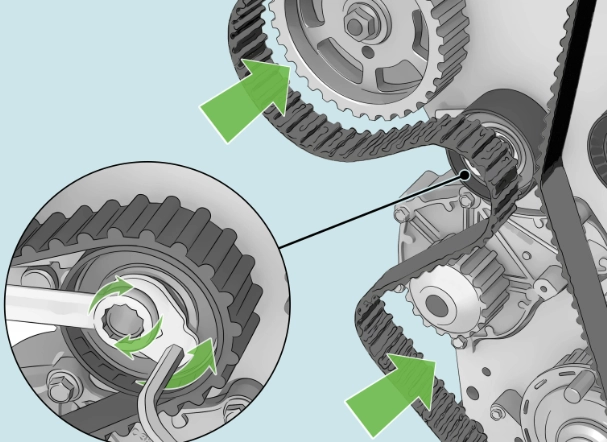
Step-by-Step Guide to Replacing a Timing Belt
Feeling handy? Here's a simplified DIY approach. It's not for beginners, but with patience, you can do it. Tools needed: socket set, torque wrench, jack stands, and a service manual for your specific model.
Step 1: Safety First
Disconnect the battery. Jack up the car, secure it on stands. Remove the serpentine belt and any covers blocking access. Label bolts—they're easy to mix up.
Step 2: Align Timing Marks
Rotate the engine to top dead center (TDC). Match marks on the crankshaft and camshaft pulleys. This is crucial; a misalignment of one tooth can cause performance issues. Use a marker to double-check.
Step 3: Remove Old Belt and Components
Loosen the tensioner, slide off the old belt. Inspect pulleys for wear—replace if wobbly. Install the new water pump now if included. Apply a thin sealant to the pump housing; too much can cause leaks.
Step 4: Install New Belt
Route the new belt following the diagram in the manual. Tighten the tensioner to spec—over-tightening strains the belt, under-tightening causes slippage. Torque values matter; refer to SAE guidelines or your manual.
Step 5: Reassemble and Test
Put everything back, reconnect the battery. Start the engine and listen for odd noises. Let it idle for a few minutes, then take a short drive. Check for leaks. If it runs smooth, you're golden.
Common mistake: forgetting to reset the tensioner after installation. I did this once on a Nissan Altima—belt squealed for days until I re-tensioned it. Take your time.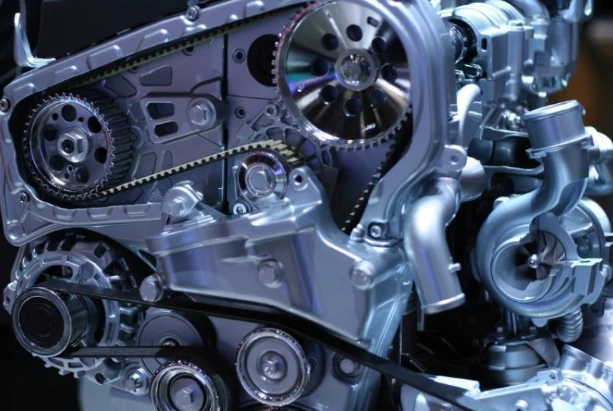
Real-Life Case: The Cost of Ignoring It
Let me tell you about Sarah's 2010 Hyundai Elantra. She bought it used with 70,000 miles. The seller said the belt was "probably fine." Sarah drove it for two years, hitting 110,000 miles. No symptoms, until one morning on the highway—a loud snap, engine died.
Towed to my shop, we found the timing belt shredded. Valves bent, pistons scored. Repair estimate: $3,200. She sold the car for parts instead. Total loss. If she'd replaced the belt at 90,000 miles (Hyundai's recommendation), it would've cost $500. That's a $2,700 lesson.
This isn't rare. Data from automotive forums show 1 in 5 timing belt failures lead to engine replacement. Preventive maintenance isn't a scam—it's insurance.
Frequently Asked Questions
Timing belts are a silent killer in engines. Stay ahead of it. Check your car's manual, set a reminder, and don't skip the water pump. Your wallet will thank you.