You're driving along, maybe stuck in traffic on a hot day, and you see it. The needle on your temperature gauge is creeping past the halfway mark, heading steadily toward the red zone. That sinking feeling hits your stomach. Your engine is overheating. What do you do next? Panic and pull over immediately? Keep driving to the next exit? Pour water on it? I've been there, and I've seen the costly mistakes people make in this moment. Let's cut through the confusion. Cooling down an overheated engine isn't just about stopping the car; it's a specific sequence of actions designed to prevent a $4,000 repair bill. Here’s exactly what you need to do, why it works, and how to stop it from happening again.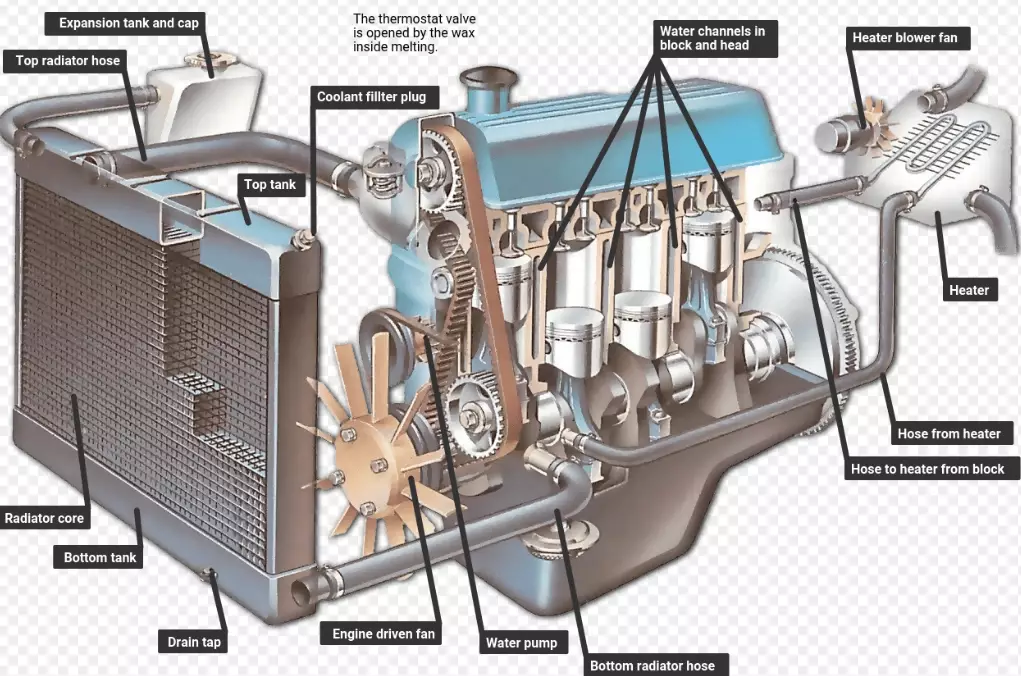
What You'll Find in This Guide
Immediate Steps to Cool an Overheating Engine (The Right Sequence)
This is the part most people get wrong. They follow instinct, not procedure. The goal is to reduce thermal stress gradually and avoid shocking the system. Doing this wrong can crack your engine block or cylinder head—a terminal diagnosis for most cars.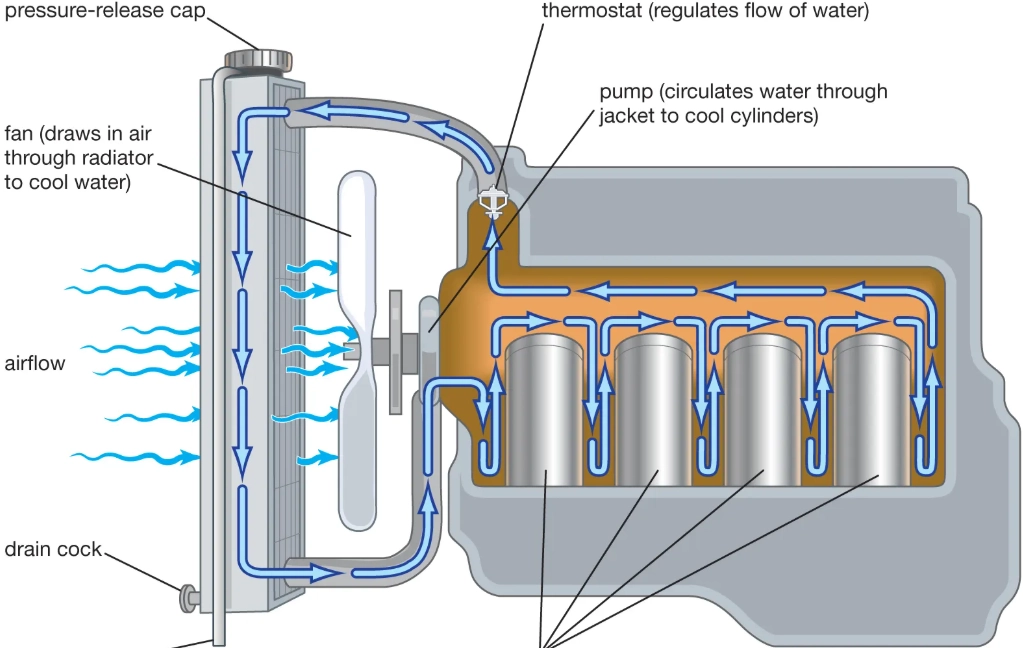
What NOT to Do While Cooling the Engine
I've seen these mistakes in repair shops more times than I can count.
Pouring cold water on a hot engine. This is a classic, terrible idea. The rapid, uneven contraction can crack the engine block or heads. Let it cool naturally.
Adding cold coolant to a hot overflow tank. Same principle. Wait until it's cool to the touch.
Forcing the electric cooling fan to spin. If it's not coming on, that's a symptom of the problem (a faulty fan switch, relay, or motor). Don't poke it with a stick.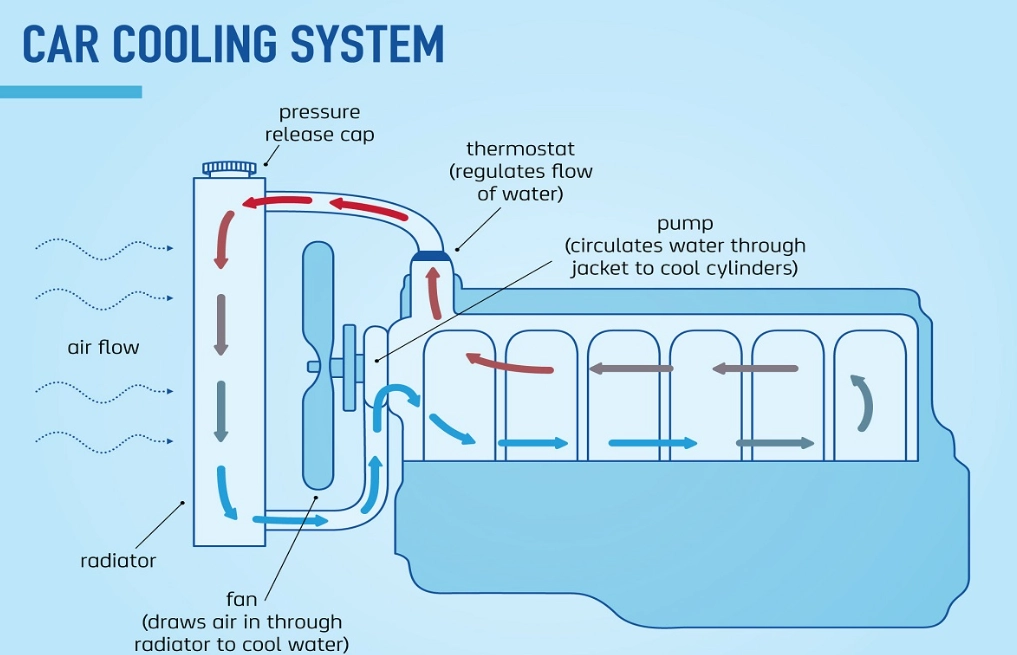
Why Did My Engine Overheat? Diagnosing the Root Cause
Cooling it down is a temporary fix. You need to know why it happened, or it will happen again. The cooling system is a sealed, pressurized loop. A failure anywhere in that loop causes heat to build up.
Low Coolant Level: The most common culprit. It could be a slow leak from a hose, radiator, water pump, or the heater core. Check the coolant reservoir when the engine is cold. If it's consistently low, you have a leak.
Faulty Thermostat: This valve regulates coolant flow. If it sticks closed, coolant can't reach the radiator to get cooled. The car will overheat quickly, often within 10-15 minutes of driving.
Radiator Fan Failure: Electric fans should kick on when the A/C is on or when coolant temperature hits a certain point. If they don't, the car may overheat at low speeds or in traffic when there's no airflow, but run fine on the highway. Listen for the fan when the engine is hot and idling.
Clogged or Dirty Radiator: Bugs, dirt, and debris blocking the fins prevent air from flowing through. Internally, corrosion or old coolant can clog the tiny tubes. This reduces cooling efficiency.
Failed Water Pump: The pump circulates the coolant. If the impeller blades are corroded or the bearing fails, circulation stops. A telltale sign is coolant leaking from a small "weep hole" on the pump or a wobbly pulley.
Blown Head Gasket: This is the worst-case scenario and often a result of severe overheating. Combustion gases leak into the cooling system, causing over-pressurization, bubbles in the coolant, and constant overheating. White smoke from the exhaust and milky oil on the dipstick are major red flags.
How to Prevent Your Engine from Overheating
Prevention is cheaper than repair. A little attention goes a long way. Here’s a simple maintenance checklist you can follow every few months or before a long trip.
Cooling System Health Checklist
- Coolant Level & Condition: Check the overflow reservoir monthly when the engine is cold. The coolant should be between the "MIN" and "MAX" lines. It should look bright and clean, not rusty or muddy.
- Coolant Age: Most coolants are good for 5 years or 60,000 miles. It loses its anti-corrosion and lubricating properties over time. Flushing it on schedule is critical.
- Radiator Cap: That little cap maintains system pressure, which raises the boiling point of the coolant. A weak spring in an old cap can cause overheating because the coolant boils easier. Replace it every few years; it's a $15 part.
- Hoses: Squeeze the upper and lower radiator hoses. They should be firm, not soft, mushy, or cracked. Look for any signs of bulging or leaks at the clamps.
- Drive Belts: The serpentine belt drives the water pump. Check for cracks, glazing, or fraying. A snapped belt means instant overheating and loss of power steering/alternator.
- Radiator Fins: Look through the grille. If the fins are packed with bugs, leaves, or dirt, gently clean them with a soft brush or compressed air (from the back side).
Let me give you a scenario. Last summer, a friend called me from a desert highway. His truck started overheating. He'd done the "pull over and wait" dance three times. Over the phone, I had him check the basics. Coolant level? Fine. Fan? Spinning. Then I asked, "When did you last change the thermostat?" Silence. It was the original, with 120,000 miles on it. A $25 part and 30 minutes of work later, the problem was solved. It's often the simple, forgotten things.
Your Engine Cooling Questions Answered
 My car only overheats when the A/C is on or in traffic. What's wrong?