Your car's spark plugs are like the heartbeat of the engine. Small, inexpensive, but absolutely critical. When they start to fail, the symptoms can be subtle at first—a slight hesitation you blame on the weather, a tiny dip in fuel economy you ignore. Then one morning, the engine cranks but won't start, and you're stuck. I've been there, and I've fixed enough cars to tell you that waiting for a total failure is the worst strategy. Let's cut through the noise and talk about the real, actionable signs that your spark plugs are begging for retirement.
Quick Navigation: What You'll Learn
The 7 Unmistakable Signs of Bad Spark Plugs
Forget the vague advice. Here are the concrete symptoms that scream "spark plug problem." If you notice even two of these, it's time for a closer look.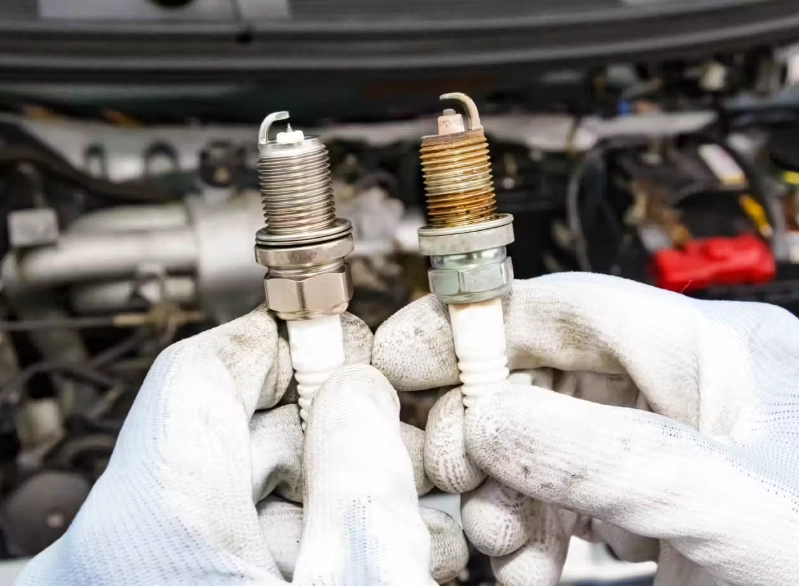
1. The Engine Misfire (The Jerk and Shudder)
This is the classic sign. You're accelerating, maybe going uphill, and the car feels like it's hiccuping—a sudden loss of power followed by a jerk. Under the hood, it sounds uneven. A misfire happens when the spark plug fails to ignite the air-fuel mixture in its cylinder. The engine control unit (ECU) might even turn on the check engine light with codes like P0300 (random misfire) or P0301-P0312 (cylinder-specific misfire). Don't just clear the code. Investigate.
2. Rough Idling and Vibration
When stopped at a light, does your steering wheel or seat vibrate more than usual? Does the engine sound lumpy, like it's struggling to keep a steady rhythm? Healthy spark plugs fire consistently, giving you a smooth, almost imperceptible idle. Worn plugs cause uneven combustion, making the engine shake. Place your hand on the gear selector or the dash. If it feels like a subtle massage you didn't ask for, your plugs are likely the culprits.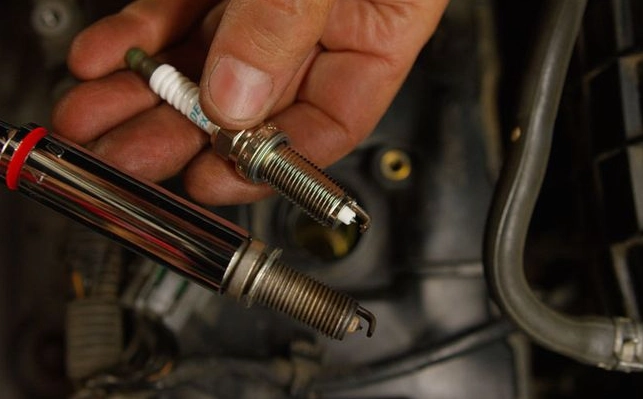
Pro Tip: Listen with the A/C off. The compressor clutch engaging can mask a rough idle. Roll down the window and really listen to the engine's base rhythm.
3. Struggling to Start (Long Cranking)
You turn the key, and the starter motor cranks the engine for what feels like an eternity before it finally catches. Weak or fouled spark plugs don't produce a strong enough spark to reliably ignite the cold, dense air-fuel mixture on a first try. This is often worse on damp mornings. If your battery is new and the starter is strong, prolonged cranking points directly to an ignition issue—often the plugs.
4. Noticeable Drop in Fuel Economy
This one creeps up on you. You're filling up the tank more often, but your driving habits haven't changed. A weak or incomplete spark means not all the fuel in the cylinder gets burned. That unburned fuel gets wasted, sent out the exhaust. We're talking a drop of 2-4 MPG, sometimes more. Check your last few fuel receipts. If the cost-per-mile is steadily climbing, your spark plugs are a prime suspect.
5. Lack of Acceleration and Power
The car feels sluggish. Pressing the gas pedal doesn't give you the same urgent push it used to, especially when trying to pass or merge onto the highway. This is because the engine isn't producing full power due to inefficient combustion. It's not just "getting old"; it's likely a maintenance item screaming for attention.
6. Engine Surging or Hesitating
Sometimes the opposite happens—the car suddenly feels like it's getting a burst of power when you're trying to maintain a steady speed, almost like a small gust is pushing it. Or, when you press the accelerator, there's a brief moment of nothing before the power comes on. This inconsistent spark delivery confuses the engine's computer, leading to these erratic behaviors.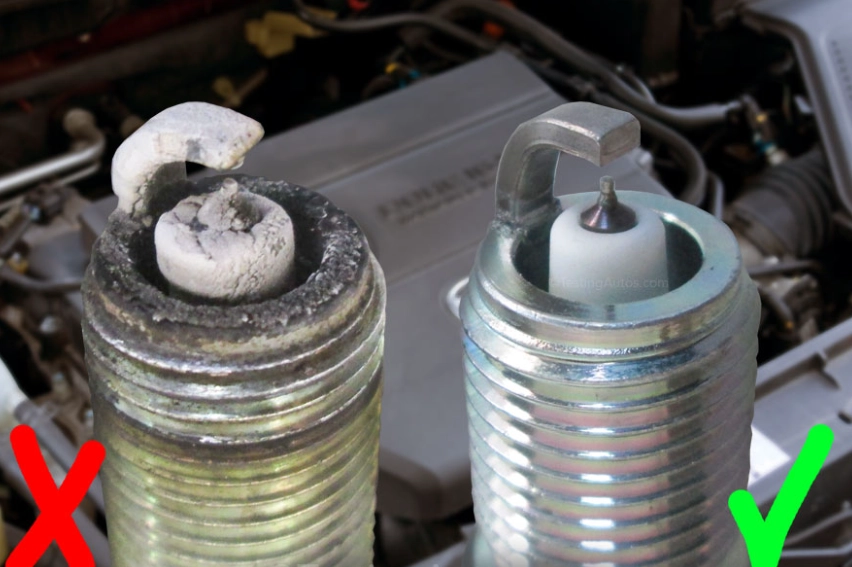
7. The Obvious: Check Engine Light
Modern cars are incredibly sensitive. While the light can mean many things, misfire codes (as mentioned) are a direct link. Don't ignore a flashing check engine light—that indicates an active misfire severe enough to damage the catalytic converter, turning a $50 spark plug job into a $1500 repair.
How to Physically Inspect Your Spark Plugs (A Visual Guide)
Seeing is believing. If you're moderately handy, you can pull one plug for inspection. You'll need a spark plug socket, a ratchet, and an extension. Important: Let the engine cool completely. A hot aluminum cylinder head can strip threads easily.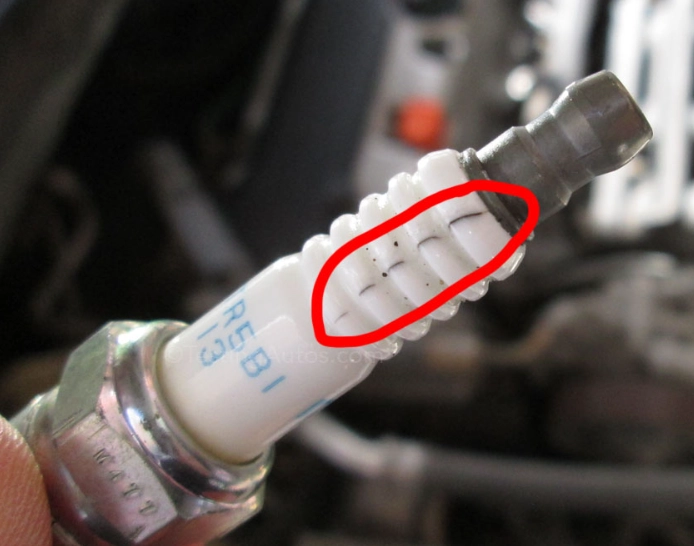
Once you have the plug out, here's what to look for:
| What You See | What It Means | Action Needed |
|---|---|---|
| Normal Wear: Electrode is slightly rounded, insulator tip is light tan or gray. | The plug is functioning correctly and is at the end of a normal service life. | Replace as scheduled maintenance. |
| Carbon Fouled: Black, dry soot on the insulator and electrode. | Rich air-fuel mixture, clogged air filter, excessive idling, or weak ignition. | Replace plugs; diagnose underlying cause (e.g., check air filter, O2 sensor). |
| Oil Fouled: Wet, black oily deposits on the tip. | Oil is leaking into the combustion chamber (worn piston rings or valve guides). | Replace plugs, but this is a symptom of a serious engine problem that needs fixing. |
| Overheated: White or blistered insulator, severely eroded electrodes. | Plug is too hot for the engine (incorrect heat range), severe detonation, or lean air-fuel mix. | Replace with correct heat range plug; check for cooling system or fuel delivery issues. |
| Electrode Gap Too Wide: Visible large gap between center and ground electrode. | Normal wear over time. The gap increases as material erodes from sparking. | Replace. Do not try to regap severely worn plugs. |
A Common Mistake I See: People clean a fouled plug, re-gap it, and put it back. This almost never works long-term. A fouled plug indicates a condition that will just foul it again. The $10 you save isn't worth the hassle and poor performance. Always install new plugs.
When Should You Change Them? It's Not Just Mileage
Your owner's manual gives a mileage interval—often between 30,000 and 100,000 miles depending on plug type (copper, platinum, iridium). Treat this as a maximum under ideal conditions.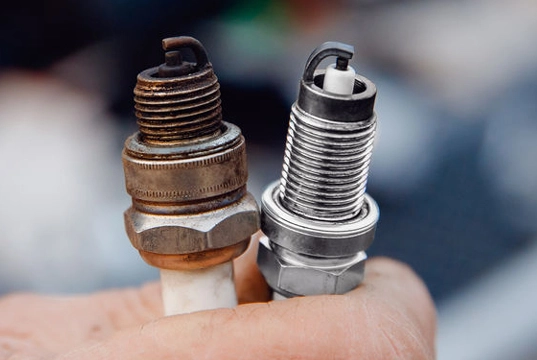
Real-world driving shortens that life. If your commute is all short trips (engine never fully warms up), you do a lot of stop-and-go driving, or you frequently tow heavy loads, your plugs are working harder. Consider replacing them at the lower end of the recommended range.
The material matters:
- Copper/Nickel: The basic plug. Cheapest, but wears fastest. Change every 30,000 miles.
- Platinum: Better longevity and performance. Good for 60,000-80,000 miles.
- Iridium: The premium choice. Fine electrode, excellent durability. Can last 80,000-120,000 miles.
My rule? If you're experiencing any of the symptoms above, or you've hit the mileage mark and just want peace of mind, change them. It's one of the most cost-effective maintenance items for performance and efficiency.
The DIY Replacement Process & Common Pitfalls
Replacing spark plugs is a straightforward job for many cars. Here's a realistic breakdown.
Tools & Parts You'll Need:
- New spark plugs (correct part number for your engine)
- Spark plug socket (with a rubber insert to hold the plug)
- Ratchet and extensions (various lengths)
- Torque wrench (highly recommended)
- Gap tool (to check gap, but most premium plugs are pre-gapped)
- A small amount of anti-seize compound (debated, but I use it on threads)
- Dielectric grease for the ignition coil boot
The Basic Steps:
1. Work on a cold engine. Disconnect the battery (negative terminal) for safety.
2. Remove the engine cover if present. Identify the ignition coils or spark plug wires.
3. One cylinder at a time. Remove the coil or wire, blow out any debris from the spark plug well with compressed air (so nothing falls into the cylinder).
4. Use your socket and extension to carefully loosen and remove the old plug.
5. Check the gap on the new plug against your manual's specification. Gently adjust if needed.
6. Apply a tiny smear of anti-seize to the plug's threads. Avoid the electrode.
7. Hand-thread the new plug in until it's snug. This is critical—cross-threading destroys the head.
8. Use the torque wrench to tighten to the specified torque (usually 15-22 ft-lbs for most cars). This is the step most people skip, and it's vital. Overtightening cracks the insulator or strips threads; undertightening leads to poor heat transfer and potential blow-out.
9. Apply a dab of dielectric grease inside the rubber boot of the ignition coil, then reinstall it.
10. Repeat for each cylinder, reconnect the battery, and start the engine.
If you have a "coil-on-plug" setup with coils directly on top of each plug, it's even easier. Just unclip the electrical connector, remove the hold-down bolt, and pull the coil out.
The first start might be a little rough for 10-20 seconds as the computer relearns the new firing characteristics. Then it should settle into a smooth idle. Take it for a test drive—you should immediately feel a difference in smoothness and throttle response.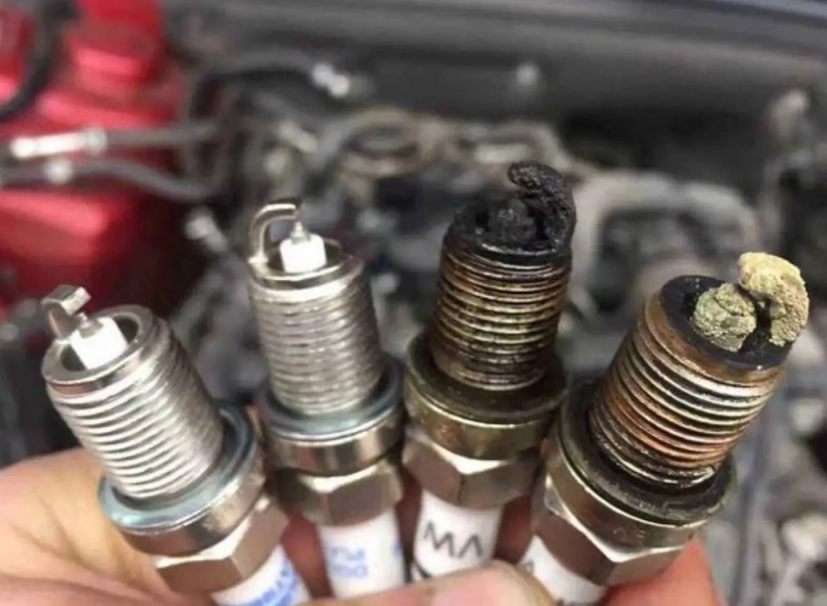
Your Spark Plug Questions, Answered
Listen to your car. Those small hesitations, that slight vibration, the creeping gas station visits—they're all messages. Spark plugs are a wear item, not a lifetime component. Diagnosing and replacing them is a straightforward task that pays you back in smoother operation, better fuel economy, and reliable starts. Don't wait for a failure. If you're seeing the signs or you're past the mileage, grab a set of plugs and a torque wrench. Your engine will thank you.