Picture this. You're stuck in traffic on a humid afternoon. The air outside smells like exhaust and hot asphalt. You crank up the AC, but instead of a crisp breeze, you get a weak, slightly musty puff of air. Maybe you sneeze. That faint smell of old socks? It's not your imagination. The culprit, nine times out of ten, is a cabin air filter that's seen better days—probably two years' worth of better days.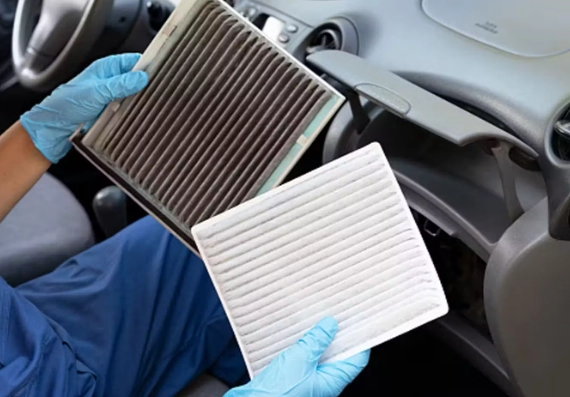
Most of us are pretty good about oil changes. Tires? We notice when they're low. But the cabin air filter is out of sight, out of mind, silently choking on the dust, pollen, and pollution we drive through every day. Changing it is one of the cheapest, fastest ways to improve your driving experience, yet it's constantly overlooked. Let's fix that.
What’s Inside This Guide
What Does a Cabin Air Filter Actually Do?
Think of it as your car's lung. Every time you run the fan, air conditioner, or heater, outside air is sucked into the HVAC system. Before that air hits your face, it passes through the cabin air filter. Its job is simple but critical: trap junk.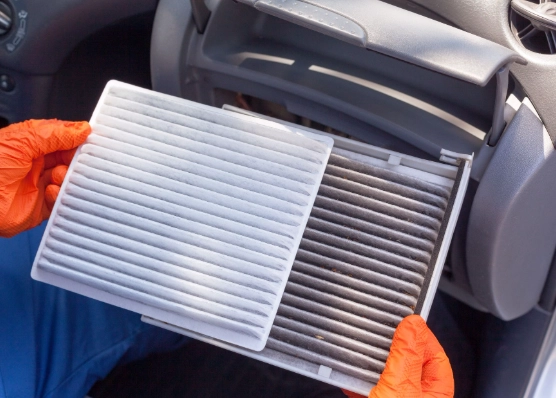
We're talking about more than just dust. A good filter catches:
- Pollen and allergens (a lifesaver during allergy season)
- Dust and dirt from unpaved roads or construction sites
- Soot and smoke particles from other vehicles
- Mold spores and bacteria (that musty smell has a source)
- Even insects and larger debris that get pulled into the intake
The Big Misconception: Many people think the cabin air filter is just for their nose. It's not. A clogged filter makes your entire HVAC system work harder. The blower motor strains, airflow drops, and your defroster becomes less effective on a foggy morning. It's a small part with system-wide effects.
When Should You Replace Your Cabin Air Filter?
Forget the mileage interval in your manual for a second. Seriously. Your owner's manual might say every 15,000 or 30,000 miles. Those numbers are for perfect, clean-air world driving. Do you live there? I don't.
Your replacement schedule depends entirely on your driving environment. Here’s a better rule of thumb:
- Check it once a year, ideally in the spring before allergy season kicks in.
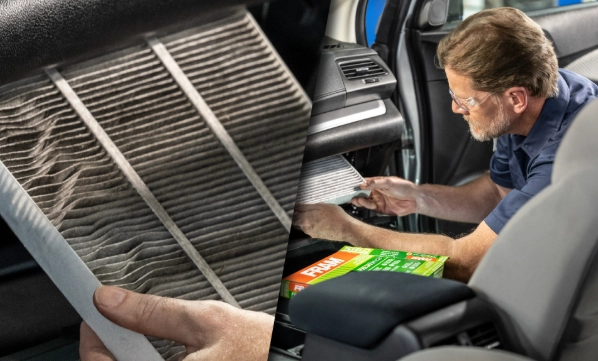
- Replace it if it looks dirty. Hold it up to a bright light. Can you see light through the pleats? If not, it's time.
But you should replace it immediately if you notice any of these signs:
- Reduced airflow from the vents, even on the highest fan setting.
- Persistent musty, earthy, or sour odors when you first turn on the AC or heat.
- Increased dust on the dashboard and interior surfaces shortly after cleaning.
- More frequent window fogging because the moist, unfiltered air can't circulate properly to be dehumidified.
I learned this the hard way. I followed the manual's 25,000-mile interval on my old sedan. At 20,000 miles, living in a dusty area, the AC started sounding like a weak asthmatic. The filter was so packed it looked like a piece of felt. I replaced it early and the difference was night and day.
How to Replace a Cabin Air Filter: Step-by-Step
This is the easiest DIY job on most cars. You don't need fancy tools, just a flashlight and maybe a screwdriver. The hardest part is often finding the darn thing.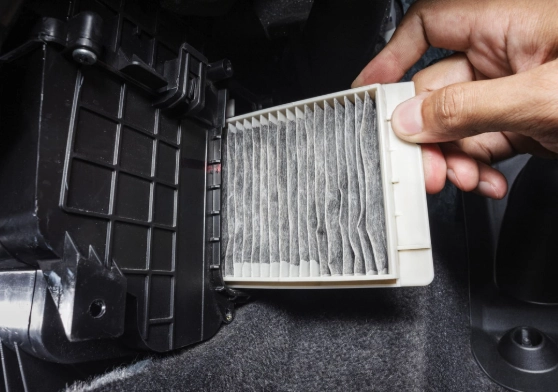
Step 1: Locate the Filter Housing
This is where people get tripped up. In 90% of modern vehicles, the cabin air filter is behind the glove box. You don't need to remove the glove box entirely on most models—just open it, squeeze the sides to let it drop down, and you'll see a rectangular plastic cover.
Less common locations include under the hood near the windshield cowl, or under the dashboard on the driver's side. A quick search for "[Your Car Make Model Year] cabin air filter location" on YouTube will show you the exact spot in under a minute.
Step 2: Remove the Old Filter (And Note Its Direction)
Open the housing cover. There's usually a simple clip or a couple of screws. Critical step: Before you pull the old filter out, look at the arrows printed on its frame. These arrows point in the direction of airflow (usually toward the interior of the car). Snap a photo with your phone. Installing the new filter backwards reduces its efficiency.
Pull the old filter out and take a look. You'll probably be grossed out. That was in your car.
Step 3: Clean the Housing and Install the New Filter
Use a vacuum hose attachment to suck out any loose debris from the empty filter housing. Wipe it down with a microfiber cloth. Don't use compressed air—you'll just blow the dirt deeper into the ducts.
Take your new filter, align the arrows the same way the old one was facing, and slide it in. It should fit snugly but without forcing. Close the cover, secure the clips or screws, and pop your glove box back into place.
That's it. Start the car, turn the fan on high, and enjoy the fresh, unobstructed airflow. The whole job takes 10-15 minutes for a first-timer.
How Much Does a Cabin Air Filter Cost?
This is the beautiful part. It's incredibly cheap for the benefit. Costs break down like this:
| Source | Typical Price Range (Part Only) | Pros & Cons |
|---|---|---|
| Auto Parts Store (e.g., AutoZone, O'Reilly) | $15 - $40 | Pro: Immediate availability, staff can help find the right one. Con: Can be marked up compared to online. |
| Online Retailer (e.g., Amazon, RockAuto) | $8 - $30 | Pro: Best prices, huge selection, user reviews. Con: Have to wait for shipping, risk of counterfeit on some platforms. |
| Dealership Service Department | $50 - $150+ (including labor) | Pro: They use OEM (Original Equipment) parts. Con: Very expensive for such a simple task. They often charge 0.3 to 0.5 hours of labor for a 10-minute job. |
My advice? Buy the filter online or from a parts store and do it yourself. You'll save at least $50 on labor, and you'll know it's done right. If you're really not comfortable, an independent mechanic will usually do it for a minimal fee if you supply the part.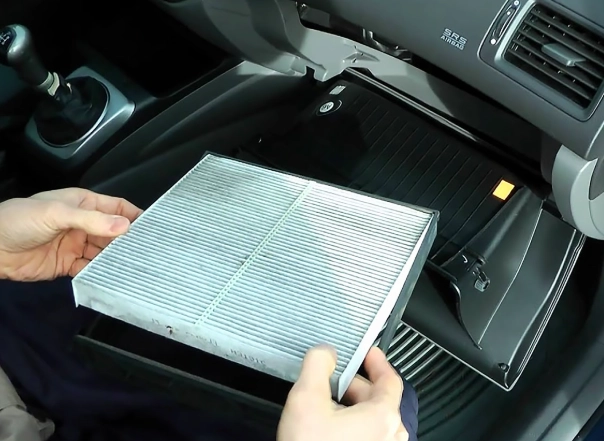
Which Cabin Air Filter Should You Buy?
Not all filters are created equal. You'll find three main types on the shelf:
- Basic Particulate Filter: The standard. It's made of pleated paper or synthetic material. It catches dust and pollen well. Price: $.
- Activated Carbon Filter: This is the upgrade. It has a layer of activated charcoal embedded in it. This layer adsorbs odors, smog, and gaseous pollutants like ozone and sulfur dioxide. If you drive in traffic a lot, this is worth the extra $5-$10. Price: $$.
- Allergy & Odor Defense Filter: Often a carbon filter treated with an antimicrobial agent or an extra-fine electrostatic layer to trap smaller particles. Marketing can be heavy here, but reputable brands do offer superior filtration. Price: $$$.
Brands like FRAM, Bosch, Purolator, and WIX are all reliable. My personal go-to is a mid-range activated carbon filter. The difference in air quality, especially when sitting behind a diesel truck, is noticeable.
A word of caution on ultra-cheap, no-name filters from online marketplaces. I've cut a few open out of curiosity. The pleat count is often lower, the media is thinner, and the carbon layer is sometimes just a light spray. You get what you pay for. Stick with known brands.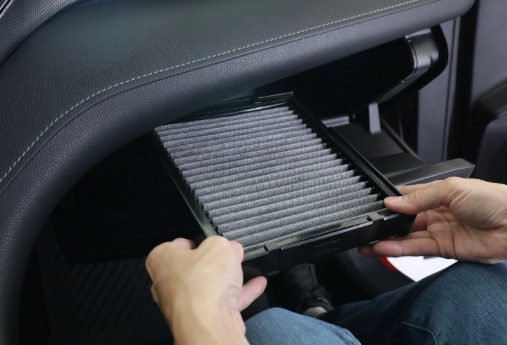
Your Top Cabin Air Filter Questions, Answered
Over the years, I've heard the same few questions pop up again and again. Let's tackle them head-on.
Look, your cabin air filter isn't glamorous. It won't make your car faster or shinier. But it makes it healthier, more comfortable, and slightly more efficient. For about twenty bucks and fifteen minutes of your time, that's a return on investment that's hard to beat. Go check yours. Your nose (and your car's HVAC system) will thank you.