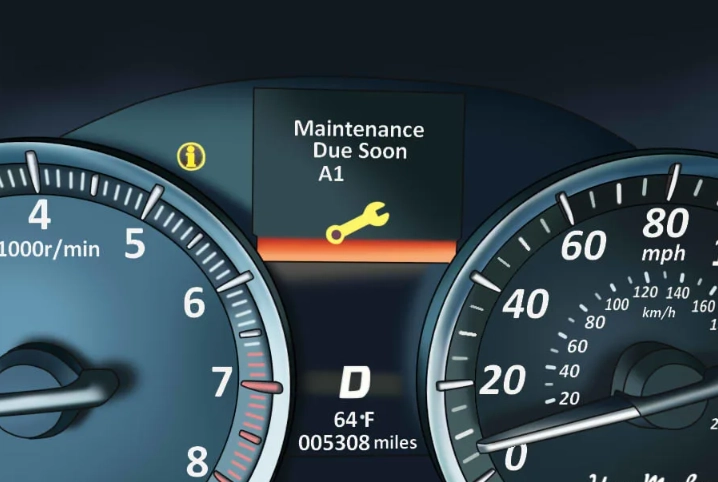
Let's be honest. That little maintenance reminder light on your dashboard? Most of us treat it like a mildly annoying suggestion, not a command. We'll get to it next month, or when the weird noise gets louder. I've been there. I once put off a brake inspection until the metal-on-metal screech was my car's primary form of communication. The repair bill was a harsh lesson in the real cost of skipping routine maintenance.
Regular maintenance isn't about blindly following a dealership's upsell list. It's a strategic, money-saving plan to understand what your vehicle actually needs and when. This guide strips away the fear and confusion. We'll move past generic advice and into the specifics: a actionable checklist, a breakdown of what tasks matter most, and how to spot the difference between essential care and a mechanic's creative sales pitch.
What's Inside This Guide?
What is a Car Maintenance Schedule and Why Does It Matter?
Think of your car's maintenance schedule as its personalized healthcare plan. It's not one-size-fits-all. A schedule for a Ford F-150 used for towing is different from one for a Toyota Camry doing city commutes. The core principle is simple: replace wear items and fluids before they fail and cause catastrophic damage.
Ignoring it is a gamble. The U.S. Department of Transportation has highlighted that poor vehicle maintenance is a contributing factor in thousands of crashes annually. It's not just safety—it's your wallet. A $50 oil change seems expensive until you compare it to a $4,000 engine replacement because the old oil turned to sludge.
Your primary source? The owner's manual. Not the dealership's generic pamphlet. The actual book in your glovebox. It has a maintenance section tailored to your exact model, engine, and typical driving conditions (labeled "severe" or "normal" service). Severe service isn't just off-roading; it includes frequent short trips, extreme temperatures, stop-and-go traffic, or towing. Most of us actually fall under "severe" service, which means more frequent maintenance.
The Complete Car Maintenance Checklist: What to Do and When
Here’s a breakdown of the core tasks. I've organized them not just by mileage, but by the system they protect. This helps you understand the "why."
| System / Component | Core Task | Typical Interval | Why It's Critical |
|---|---|---|---|
| Engine & Lubrication | Oil & Filter Change | 5,000 - 10,000 mi / 6-12 mos | Removes contaminants, prevents wear. The lifeblood of your engine. |
| Engine Air | Air Filter Inspection/Replacement | 15,000 - 30,000 mi | A clogged filter chokes the engine, killing fuel economy and power. |
| Cooling | Coolant Flush & Replace | 30,000 - 100,000 mi / 5 yrs | Prevents overheating and corrosion. Old coolant becomes acidic. |
| Ignition | Spark Plug Replacement | 30,000 - 100,000 mi | Worn plugs cause misfires, rough idling, and poor gas mileage. |
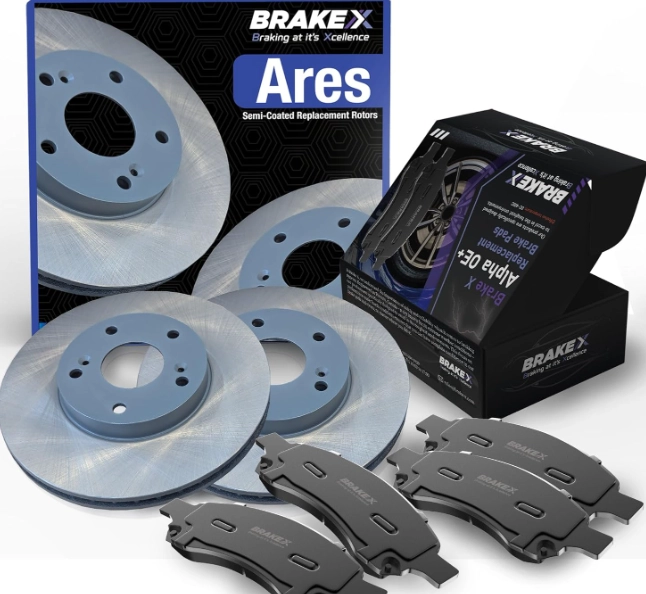
| Braking | Brake Pad/Shoe & Rotor Inspection | Every 10,000 mi / Annually | Safety first. Thinner pads damage rotors, leading to a much costlier repair. |
| Brake Fluid | Brake Fluid Flush | Every 2-3 years | Brake fluid absorbs moisture, which lowers its boiling point and can cause brake failure under hard use. |
| Tires & Steering | Tire Rotation, Pressure Check, Alignment Check | Rotation: 5,000-8,000 mi Pressure: Monthly Alignment: When pulling or uneven wear |
Ensures even tire wear, maximizes tire life, improves handling and fuel economy. |
| Transmission | Transmission Fluid Service | 30,000 - 60,000 mi (varies wildly) | Cleans and lubricates complex gears. Failure often means a full transmission replacement. |
| Battery & Electrical | Battery Terminal Cleaning & Test | Annually (before winter) | Prevents corrosion, ensures reliable starts. A weak battery strains the alternator. |
Notice I said "inspection" for brakes and "service" for transmission fluid. This is key. You don't always need new parts at set intervals. You need a trained eye (yours or a mechanic's) to check their condition. A brake pad at 30,000 miles might have 50% life left if you do mostly highway driving. City driving might wear it down faster.
The "Under-the-Hood Once-Over" You Should Do Monthly
While the car is cool, pop the hood. It takes 5 minutes.
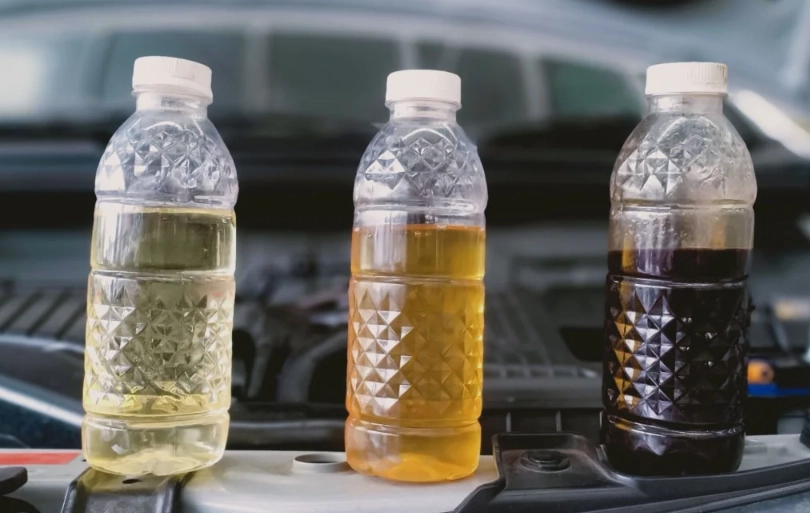
Check the engine oil level and color (it should be amber, not black).
Look at the coolant level in the overflow tank (between min and max).
Check the brake fluid level.
Look for any obvious leaks, cracks in belts, or corrosion on the battery terminals.
This habit helps you catch small issues before they become big ones. You'll start to notice what "normal" looks like.
Beyond the Manual: Real-World Maintenance Intervals
Manufacturer schedules are a great baseline, but real life is messy. Here’s where experience tweaks the theory.
Oil Changes: The modern push for 10,000-mile intervals with synthetic oil is great... for perfect conditions. If your commute is four 2-mile trips a day, your engine never fully warms up, allowing fuel and condensation to dilute the oil. In that case, sticking to 5,000 miles or 6 months is smarter. I use full synthetic but change it at 7,500 km because of my cold climate and short trips.
Transmission Service: This is the most debated item. Some manufacturers say "lifetime fluid." Engineers I've spoken to privately roll their eyes at that. "Lifetime" often means the expected lifetime of the transmission with that fluid. A drain-and-fill (not a high-pressure flush) every 60,000 miles is cheap insurance against a $5,000+ repair. This is a hill I'll die on.
DIY vs. Pro: What You Can Handle and What to Outsource
You don't need to be a master mechanic to save hundreds a year.
Confident DIY Tasks:
Oil and filter change: Requires ramps/jack stands, a wrench, and an oil pan. It's messy but straightforward.
Cabin and engine air filter replacement: Usually involves unclipping a box. A 2-minute, tool-free job.
Wiper blade replacement: Don't pay $40 for this at a shop.
Battery replacement: Basic hand tools. Remember: negative terminal off first, on last.
Leave to a Professional:
Anything involving brakes if you're unsure. Safety is non-negotiable.
Transmission or coolant flushes that require specific equipment.
Timing belt replacement. If it fails, your engine self-destructs. Not a learning project.
Diagnosing check engine lights. A basic OBD2 scanner can give you a code, but interpreting it correctly requires experience and technical service bulletins.
My rule? If a mistake could leave me stranded or cause an accident, I'm paying a pro. For simple wear-item replacements, I'll grab my tools.
Understanding Maintenance Costs and Finding a Trustworthy Mechanic
Costs vary wildly. An independent shop will almost always be cheaper than a dealership for routine work. For a major repair covered under a warranty, the dealership is your only option.
When you need a pro, finding a good one is the most important maintenance task of all. Don't just pick the closest shop.
Look for shops that are ASE Blue Seal certified. Ask friends and neighbors. Read online reviews, but look for patterns—multiple mentions of honesty or clear communication are gold.
When you get a quote, a good mechanic will:
1. Show you the worn part (or offer to).
2. Explain why it needs replacement, not just that it does.
3. Provide a written, itemized estimate.
4. Differentiate between "needs now" and "keep an eye on for later."
Regular maintenance is a relationship, not a transaction. Find a shop you trust for the long haul, and stick with them. They'll get to know your car.
The goal isn't a perfect, showroom-fresh vehicle. It's a reliable, safe, and cost-effective one. By understanding the schedule, mastering the simple checks, and partnering with a good mechanic for the complex stuff, you take control. You stop fearing the unexpected repair and start planning for the long-term health of your car. That peace of mind, and the money saved, is what regular maintenance is truly about.