You hear a strange noise. A warning light glows on your dashboard. Your heart sinks a little because you know what's coming next: a trip to the mechanic and a bill that could be anything from a mild annoyance to a financial gut punch. So, what does the average car repair cost? The short, frustrating answer is: it depends wildly. Throwing out a single number like "$500" is almost useless. I've seen oil change bills under $50 and transmission replacements pushing $4,000. The real value lies in understanding why costs vary so much and how you can navigate the system without getting ripped off.
Let's cut through the generic advice. Based on a decade of dealing with repairs for my own cars and helping friends untangle their invoices, I'll show you the real-world factors that determine your bill, give you concrete price ranges for common jobs, and share tactics most drivers never think about that can save you hundreds.
Here's What You'll Find in This Guide
The Four Factors That Actually Determine Your Bill
Forget the "average." Your cost is a recipe with four main ingredients. Get one wrong, and the price skyrockets.
1. What You Drive (Make, Model, Age)
A 2010 Toyota Camry and a 2020 BMW 5 Series might both need a new alternator. The repair process is similar, but the part cost isn't. Luxury brands (BMW, Mercedes, Audi), European models, and cars with complex technology simply have more expensive parts. Older cars can be tricky too—if a part is discontinued, mechanics might need to source used or aftermarket options, which adds labor time for research and fitting. Common, high-volume cars like Hondas and Toyotas typically have the most affordable and readily available parts.
2. The Problem Itself (Minor Service vs. Major Repair)
This is the most obvious factor. We can broadly categorize issues:
Routine Maintenance: Oil changes, tire rotations, brake pad replacements. These are predictable and usually have set menu prices.
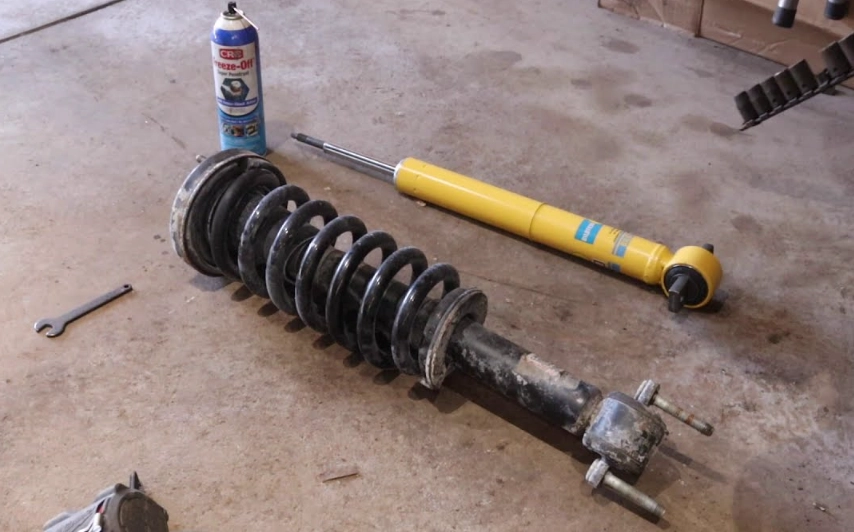
Wear-and-Tear Repairs: Struts, batteries, starters, alternators. You know they'll fail eventually. Cost is moderate but can add up if multiple items go at once.
Major Mechanical Failures: Transmission, engine head gasket, catalytic converter. This is where bills enter the thousands. The labor is intensive, and the parts are core to the vehicle's operation.
3. Labor Rates: The Hourly Fee That Adds Up Fast
This is where geographic location hits hard. A dealership in downtown San Francisco might charge $180 per hour for labor. An independent shop in a Midwest suburb might charge $90. The repair might take the same 2.5 hours, but you've just paid $225 more before the part cost is even added. Always ask for the shop's hourly rate upfront. Dealerships are almost always the most expensive for labor.
4. Parts: OEM, Aftermarket, or Used?
The part choice is your biggest lever for controlling cost.
OEM (Original Equipment Manufacturer): The exact part from your car's maker. Highest price, perfect fit. Best for critical components like engine sensors.
Aftermarket: Parts made by other companies (e.g., Bosch, Denso). Vast range in quality and price. Can be just as good or better than OEM for items like brakes or filters. Do your research on brands.
Used/Recycled: Pulled from a salvaged vehicle. Great for expensive, non-wear items like body control modules or infotainment screens. Big savings, but no warranty on longevity.
Real-World Price Ranges for Common Repairs
Let's get specific. These are estimated total costs (parts + labor) for a common mid-size sedan (like a Honda Accord or Ford Fusion) at an independent shop. Add 30-60% for luxury models or dealership work.
| Repair/Service | Low-End Estimate | High-End Estimate | What Influences the Cost |
|---|---|---|---|
| Oil Change (Synthetic) | $65 | $120 | Oil brand, shop overhead, included inspection. |
| Brake Pad Replacement (One Axle) | $220 | $400 | Pad quality (ceramic vs. semi-metallic), if rotors need resurfacing/replacement. |
| New Battery (Installation Included) | $150 | $300 | Battery cold cranking amps (CCA), warranty length, car's computer reprogramming needs. |
| Alternator Replacement | $450 | $800 | New vs. remanufactured part, accessibility in engine bay. |
| Strut/Shock Replacement (One) | $250 | $500 | Part type (standard vs. quick-strut assembly), alignment needed afterward. |
| Catalytic Converter Replacement | $1,200 | $2,500+ | Whether it's a direct-fit vs. universal converter, precious metal content, emissions compliance. |
| Timing Belt/Chain Service | $500 | $1,200 | Belt vs. chain, interference engine (critical job), if water pump is replaced concurrently. |
| Transmission Rebuild/Replacement | $2,500 | $4,500+ | Extent of damage, new vs. remanufactured unit, labor intensity. |
See the spread? A "brake job" can be a simple pad swap or a full rotor-and-caliper refresh. That's why getting a detailed, line-item estimate is non-negotiable.
How to Save Serious Money on Your Next Repair
Passive acceptance is expensive. Here's how to fight back.
Get Multiple Estimates (The Right Way)
Don't just call and ask "how much for an alternator?" Drive the car to 2-3 shops for a diagnosis. The first shop might say you need a new alternator. The second might find it's just a corroded $50 wiring connector. I've seen this happen. A diagnosis fee ($50-$150) is a fantastic investment to avoid an unnecessary $800 repair.
Source Your Own Parts (Carefully)
Many independent shops will install parts you provide. You can find high-quality aftermarket parts on sites like RockAuto for a fraction of the dealer's price. The catch? You assume all risk for the part's fit and function. The shop's warranty will only cover their labor, not the part itself. Only do this for reputable aftermarket brands and non-critical components.
Build a Relationship with an Independent Mechanic
This is the single best long-term money saver. Find a well-reviewed local shop through word-of-mouth. Be a good customer. When they know you and trust you'll come back, they're more likely to prioritize you, give you straight advice ("you can wait 6 months on that"), and sometimes even discount labor.
The Tough Call: When to Repair vs. Replace Your Car
That $3,000 transmission quote on a car worth $4,000 is a classic dilemma. The old "if repair cost > car value, junk it" rule is too simplistic.
Ask these questions instead:
What's the car's overall condition? If the body is rust-free, the interior is good, and you've recently done other major work (new tires, brakes), a big repair might extend its reliable life for 3+ more years. That's cheaper than a new car payment.
Is this a known, final major repair? If the car is at 180,000 miles and needs a transmission, the engine might be next. If it's at 120,000 and well-maintained otherwise, the repair might be a one-off.
What's the alternative monthly cost? A $3,000 repair is $250/month if it gives you one more year. Can you get a reliable used car for a $250/month payment? Often, the repair is the cheaper path in the short term.