That moment you see the temperature needle creeping past the middle mark is a special kind of dread for any BMW driver. It's not just a warning light; it's a potential bill for thousands of dollars knocking on your door. I've been there, watching the gauge on my old E90 330i climb while stuck in traffic, heart sinking. The truth is, BMW engines, especially the inline-six and turbocharged models, run hot and have complex cooling systems. An overheating episode is a serious symptom, not a quirk.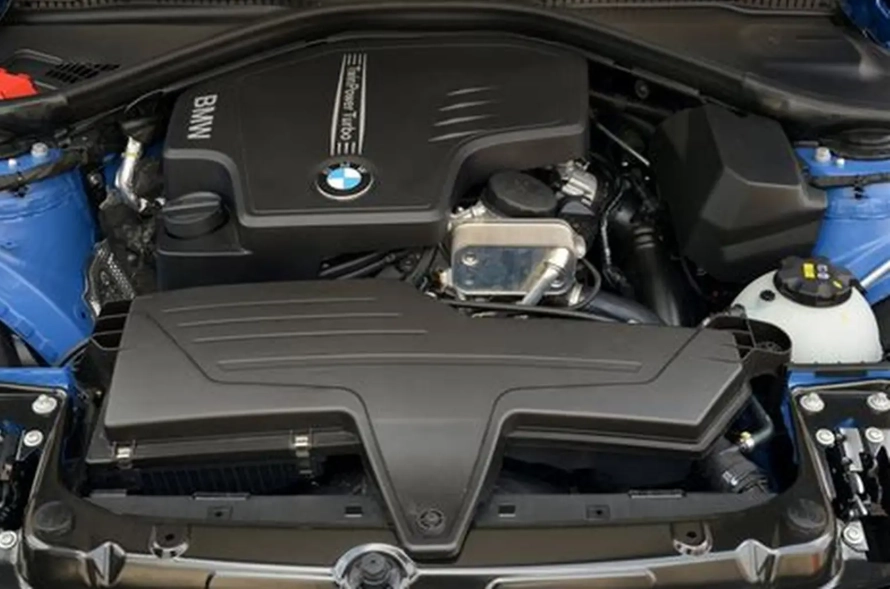
Your Quick Guide to a Cooler BMW
Let's cut through the generic advice. This guide is for the owner who wants to understand why this is happening, figure out if they can tackle it themselves, and know exactly what they're walking into at the shop. We'll move from the simple, cheap fixes to the complex, expensive ones, because the order in which you check things matters.
The Most Common Causes of BMW Overheating
Forget the idea of a single culprit. Overheating is usually a chain reaction. One weak part fails, stresses another, and the system collapses. Based on common failure points across models (E46, E90, F30, X5, etc.), here's what's most likely, ranked from frequent to less common but severe.
A quick note on coolant: BMWs require specific blue or green HT-12 coolant mixed with distilled water. Using the wrong type or plain tap water can cause corrosion and scaling, accelerating every problem listed below.
| Component | Typical Symptoms | Why It Fails | Models Most Affected |
|---|---|---|---|
| Coolant Leak | Low coolant warning, puddle under car (front-center), sweet smell, overheating at idle first. | Plastic coolant flange cracks, radiator end tanks fail, hoses degrade. BMW's love for plastic cooling parts is a known weak spot. | All, especially older models (E36, E46, E39) and those with the N52/N54 engines. |
| Water Pump Failure | Overheating under load (highway), possible coolant leak from pump shaft, sometimes a whining noise before failure. | Electric water pumps (used from ~2006+) have a finite lifespan (~60-80k miles). Impeller blades on older mechanical pumps can also break. | E90 335i, E60 535i, F30 335i – any with turbo or electric pump. |
| Thermostat Stuck Closed | Engine heats up very quickly, upper radiator hose stays cool while engine is hot. | Electronic thermostat fails in the closed position, preventing coolant flow to the radiator. | Most modern BMWs with electronic thermostats (post-2000). |
| Clogged or Damaged Radiator | Overheating in all conditions, poor A/C performance, visible external damage or debris. | Physical damage from road debris, internal clogging from old coolant or stop-leak products. | Any model, but a frequent issue if maintenance is neglected. |
| Faulty Electric Fan | Overheating only at low speeds or in traffic, fan doesn't turn on when A/C is on. | Fan motor burns out, fan clutch fails (older models), wiring issues. | All models, a primary suspect for city-driving overheating. |
Here's a subtle mistake I see often: people replace the water pump but reuse the old thermostat because "it seems fine." On many modern BMWs, the pump and thermostat are a matched pair, working in tandem. If one fails, the other is stressed and likely near the end of its life. Replacing both simultaneously is almost always the smarter, long-term play, even if it costs more upfront.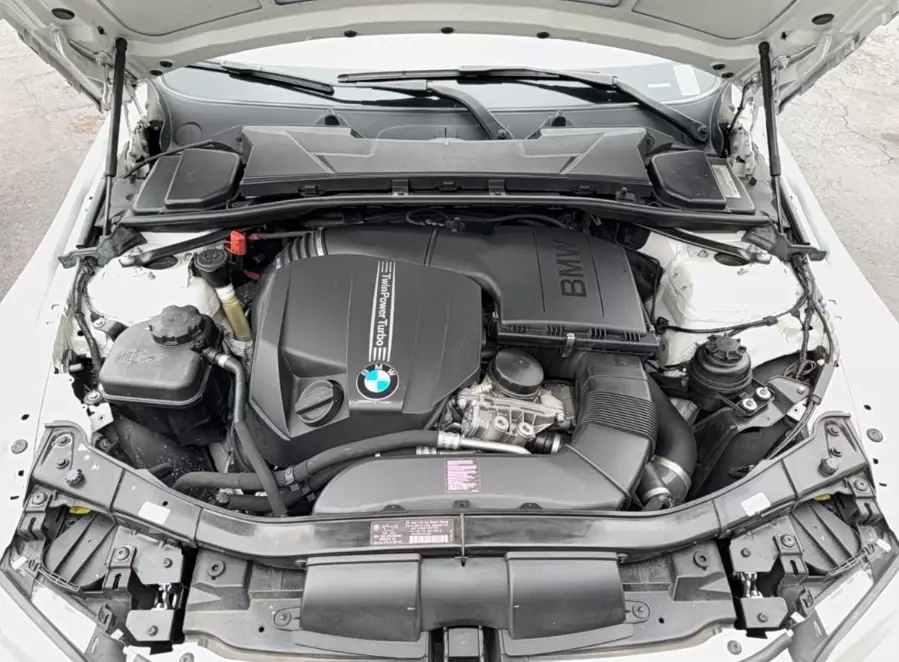
How to Diagnose Your Overheating BMW
Before you call a tow truck or buy parts, do this. It can save you hundreds in misdiagnosis fees.
Step 1: The Safe Coolant Level Check (COLD ENGINE ONLY)
Open the coolant expansion tank (the white plastic tank with a blue or black cap). The level should be at the "Kalt/Cold" mark. If it's low, that's your first clue. Top it up with the correct 50/50 BMW coolant mix only when the engine is completely cold. Now, look for leaks. The usual suspects are the coolant reservoir itself (cracks), the hoses connecting to it, and the radiator.
Step 2: The Electric Fan Test
Start the car, turn the A/C to MAX. Pop the hood and look at the large fan behind the radiator. It should spin up within a minute. If it doesn't, you've found a major problem. No fan means no airflow at idle, guaranteeing overheating. This could be a blown fuse, a bad fan resistor, or a dead motor.
What to Do RIGHT NOW If Your BMW is Overheating
Turn on the heater to full blast and max fan. This dumps engine heat into the cabin. Pull over safely as soon as you can. Do not open the coolant cap on a hot engine. The system is under extreme pressure and can erupt, causing severe burns. Let the engine cool completely for at least an hour before attempting any investigation.
Step 3: The "Hose Squeeze" & Thermostat Test
With the engine cold, start it and let it idle. Carefully feel the upper radiator hose (the large one going into the top of the radiator). As the engine warms to operating temperature, this hose should remain relatively cool until the thermostat opens, then suddenly become hot. If the engine temp gauge is rising but this hose stays stone cold, your thermostat is likely stuck closed.
Listen for any whining or grinding from the water pump area (front of engine, belt-driven). A faint whine can be a precursor to electric pump failure.
Fixes & Realistic Repair Costs
Let's talk money and labor. Costs vary by model and shop rates, but this gives you a ballpark to avoid getting ripped off.
Coolant Leak (Flange/Hose): This is often a DIY job. A plastic coolant flange kit costs $30-$80. Labor at a shop: 1-2 hours ($150-$300). If it's the radiator, part cost is $250-$500, labor 2-3 hours.
Water Pump & Thermostat Replacement: This is the big one for modern BMWs. The golden rule: replace both together. A quality kit (pump, thermostat, gaskets, coolant) runs $300-$600. The labor is intensive, typically 3-5 hours ($450-$750). Total bill: $750-$1350. Doing just the pump might save $200 now but cost you another $500 in labor when the thermostat fails six months later.
Electric Fan Replacement: Part: $150-$400. Labor: 1-1.5 hours. A relatively straightforward fix.
Head Gasket Failure (The Nightmare Scenario): If overheating was severe or ignored, you may have warped the cylinder head or blown the head gasket. Symptoms include white smoke from exhaust, coolant mixing with oil (creating a milky sludge on the oil cap), and persistent overheating. Repair costs start at $2,500 and can exceed $5,000. This is why immediate action on overheating is non-negotiable.
How to Prevent Overheating for Good
Prevention is cheaper than any repair here. Follow this schedule religiously.
- Coolant Flush Every 2-3 Years: Not just a top-up. A full flush removes contaminants and replenishes corrosion inhibitors. Use only BMW-approved coolant.
- Preemptive Water Pump Replacement: If you have an electric water pump, consider replacing it preventatively between 80,000 and 100,000 miles. It's not a matter of if, but when.
- Inspect Hoses and Plastic Parts: Every oil change, give the cooling hoses a visual and squeeze check. Look for cracks, bulges, or brittleness. Check the coolant reservoir for hairline cracks.
- Keep the Radiator Clean: Use compressed air or a gentle hose spray to remove bugs, leaves, and debris from the radiator fins and A/C condenser in front of it. A clogged front end is like wearing a sweater in summer.
Most mechanics will tell you to replace hoses when they look bad. I'll go further: on any BMW over 10 years old, if you're doing a major cooling system job (like a pump), just replace all the major hoses and the coolant tank. The extra $150 in parts saves you from another breakdown and another labor charge down the line. The plastic gets brittle with age and heat cycles.
Your BMW Overheating Questions Answered
 I replaced the water pump and thermostat, but my BMW is still running hot. What did I miss?
The bottom line is this: a BMW overheating warning is a critical alert. Ignoring it turns a $1,000 repair into a $5,000 catastrophe. Start with the simple, visual checks. Understand that the water pump and thermostat are a team. And remember, the best mod for any BMW isn't a chip tune—it's a meticulously maintained cooling system.