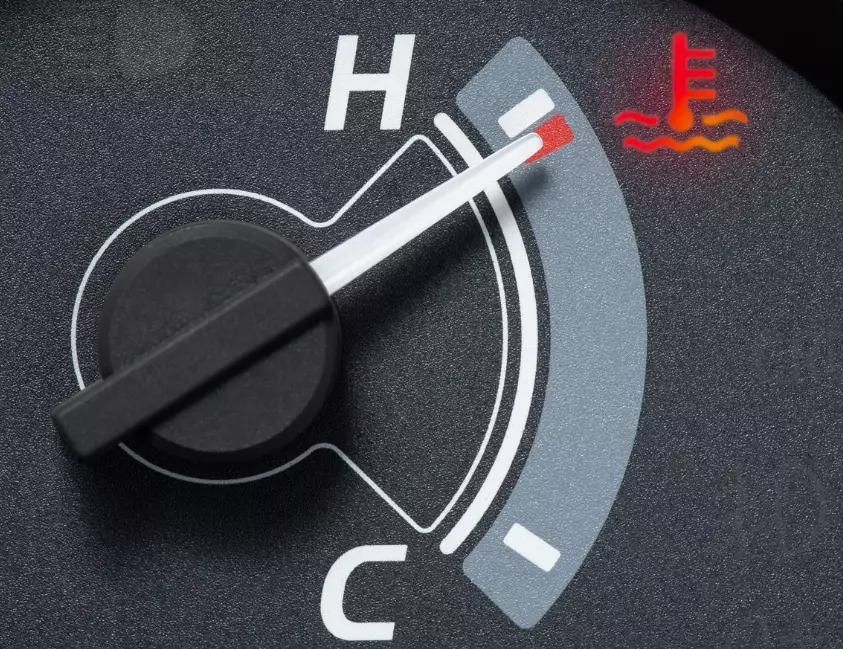
Let's be honest, that little red thermometer icon (or sometimes a red "TEMP" warning) is one of the worst sights on your dashboard. It's not a gentle suggestion; it's a shout from your car's computer that something is critically wrong. An illuminated engine overheating light means your engine's temperature has exceeded safe operating limits. If you ignore it, even for a few miles, you're gambling with a repair bill that can easily run into the thousands for a seized engine or a warped cylinder head. I've seen it happen to a friend who thought he could "make it home." He didn't. The tow and repair cost more than the car was worth.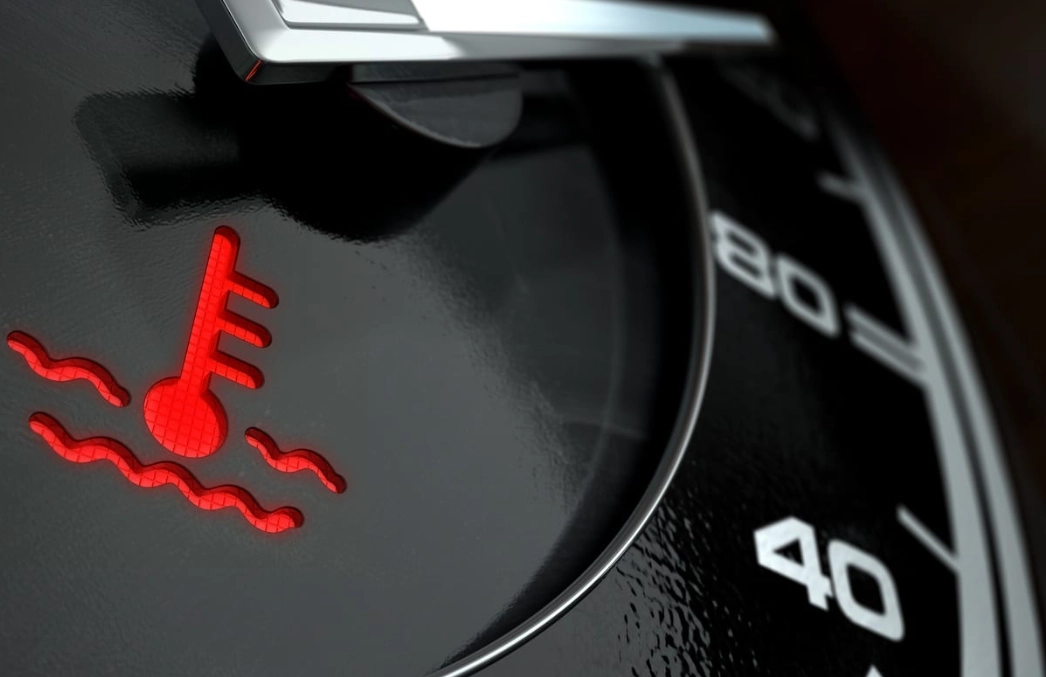
This guide cuts through the panic. We'll walk through exactly what to do when the light comes on, how to diagnose the likely culprits (it's usually one of five things), and what you can fix yourself versus when you absolutely need a pro.
What You'll Find in This Guide
What Does the Engine Overheating Light Really Mean?
Think of your engine as a controlled explosion chamber. Fuel and air ignite, creating immense heat. The cooling system's job is to manage that heat, typically keeping the engine between 195°F and 220°F (90°C and 105°C). The engine overheating light is triggered when the coolant temperature sensor reads a value significantly above this range, often around 250°F (120°C) or higher.
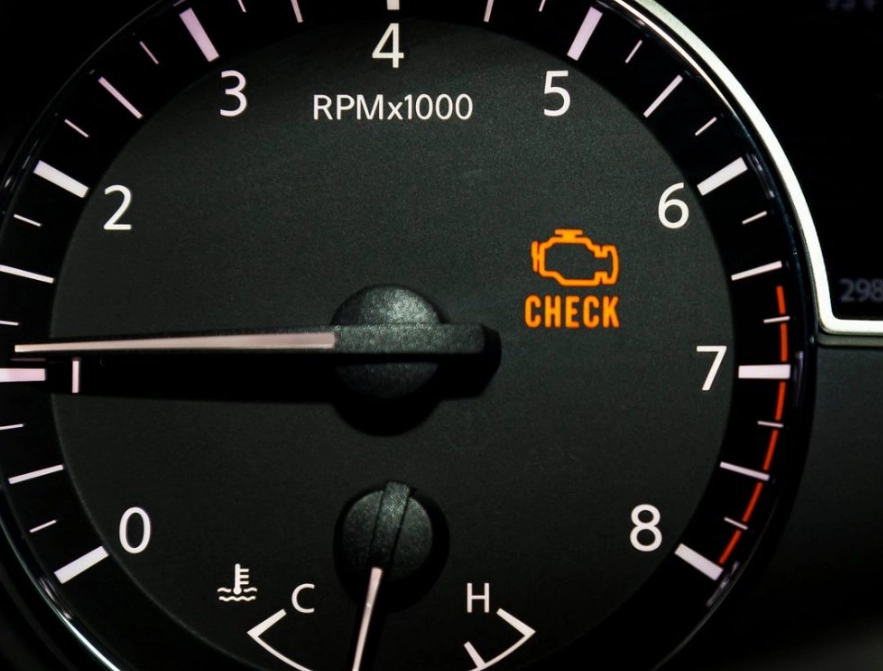
It's crucial to distinguish this light from your normal temperature gauge. The gauge shows you a range. The light is a binary alarm. When it's red and steady, it's a severe warning. If it's flashing, or if your dashboard also shows a "check engine" light, the situation is even more urgent. Some modern cars will first show a blue or green "cold" light, then nothing, then the red overheating light. The red one is the only one that demands immediate action.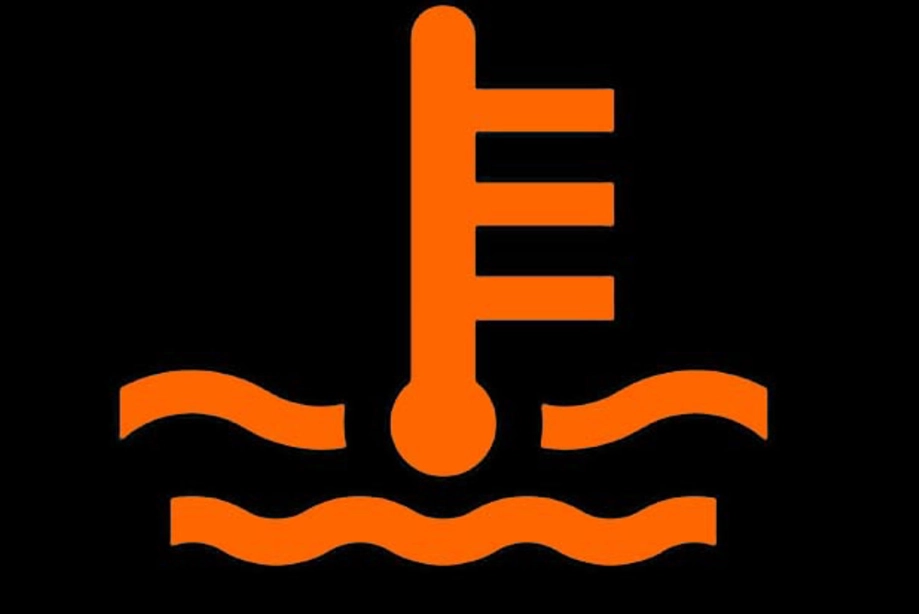
The 5 Immediate Steps to Take When the Light Comes On
Your actions in the next 60 seconds can save your engine. Follow this sequence.
- Turn Off the Air Conditioning and Turn On the Heater. This sounds counterintuitive, but it's your first move. The A/C puts extra load on the engine. Crank the heater to its hottest setting and the fan to max. This acts as a secondary radiator, pulling heat from the engine core into the cabin. It's uncomfortable but effective.
- Find a Safe Place to Pull Over. Don't slam on the brakes. Signal, and start looking for the next safe exit, parking lot, or wide shoulder. Avoid stopping on a steep hill if possible.
- Let the Engine Cool Down – Completely. This is where most people get impatient. Do not open the radiator cap. A pressurized, overheated system will erupt with scalding coolant. Turn the engine off and pop the hood to help heat dissipate. Wait at least 30-45 minutes. If you're in a hurry, you don't have a functioning engine.
- Check the Coolant Reservoir (Once Cool). After waiting, locate the translucent plastic coolant overflow tank. Look at the "Full" and "Low" marks. Is it empty or very low? This is a major clue.
- Call for Help or Assess Cautiously. If you have roadside assistance, now's the time to call. If the reservoir was low and you have coolant/water, you can carefully add it only to the reservoir, not the radiator, unless you know exactly what you're doing. Then, you can attempt a slow drive to the nearest repair shop, watching the temperature gauge like a hawk. If it spikes again, stop immediately.
Why Is My Car Overheating? The 5 Most Common Causes
After you're safe, you need to figure out the "why." Here are the usual suspects, ranked from most to least common in my experience.
| Cause | What Happens | Typical Symptom |
|---|---|---|
| Coolant Leak | Loss of pressure and coolant volume means less heat transfer. | Low coolant reservoir, puddles under the car (often green, orange, or pink). |
| Faulty Thermostat | The valve that regulates coolant flow gets stuck closed. | Car overheats quickly, but heater may blow cold air. Temperature gauge may fluctuate wildly. |
| Radiator Fan Failure | Electric fan(s) that cool the radiator don't turn on. | Overheating primarily in traffic or at idle, temp drops when moving. Listen for the fan when the car is hot and stationary. |
| Water Pump Failure | The impeller that circulates coolant breaks or the seal leaks. | Coolant leak from the front of the engine, whining noise, overheating under all conditions. |
| Blown Head Gasket | Seal between engine block and cylinder head fails, allowing combustion gases into the cooling system. | White smoke from exhaust, coolant reservoir bubbling, milky oil on the dipstick. This is a severe and expensive failure. |
That head gasket one is the nightmare scenario. The other four are generally repairable without remortgaging your house.
How to Diagnose a Coolant Leak (The #1 Culprit)
Since leaks are so common, let's get specific. A leak isn't always a gushing hose. It can be slow. Here's how to track it down.
First, look for obvious signs. Puddles under the front/middle of the car after it's been parked. Coolant has a sweet smell and is brightly colored. Check the radiator hoses (top and bottom) for cracks, bulges, or wetness. Feel around the hose clamps.
If you see no obvious leak, the issue might be internal or under pressure. A trick mechanics use is a coolant system pressure tester. You pump the system up to its rated pressure (usually 15-18 PSI) and watch the gauge. If it drops, there's a leak. You can then look and listen for the hiss or drip. Without the tool, you're guessing.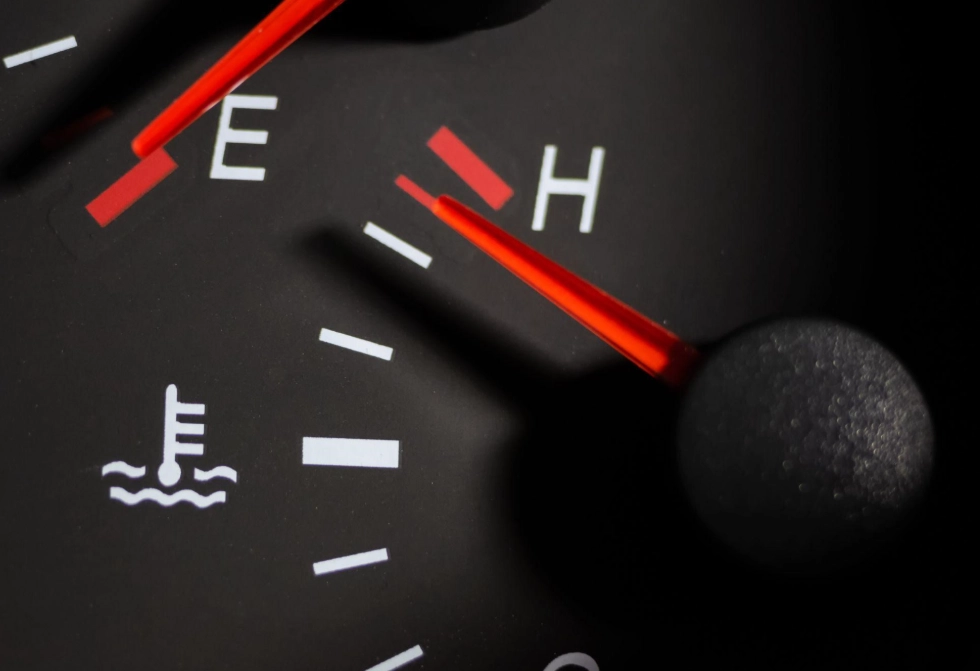
What About Just Adding Water?
In a pinch, distilled water is okay. Tap water is a last resort due to minerals that can scale up the system. But remember, coolant (a 50/50 mix with water) has a higher boiling point and prevents corrosion. If you add just water, plan to have the system properly drained and refilled with the correct coolant soon. Using the wrong type of coolant can also cause chemical reactions that gum up the entire system.
Your Overheating Questions, Answered
My car overheated once, then was fine after cooling down. Can I ignore it?
Absolutely not. An overheating event is a symptom, not a one-time glitch. The underlying cause is still there. It might be an intermittent fan, a thermostat starting to stick, or a small leak that only shows up under certain conditions. Driving without fixing it is asking for a catastrophic failure next time you're in traffic on a hot day.
Is it safe to drive with the heater on if the overheating light is faint or flickering?
No light level is "safe" for driving. A flickering light could indicate an electrical fault with the sensor itself, but you can't assume that. The only safe assumption is that the engine is too hot. The heater is a temporary mitigation strategy to get you to a safe stopping point, not a fix that allows you to continue your journey.
 I added coolant, but the overheating light came back on in 10 minutes. What's wrong?
This tells you the leak is significant, or the problem isn't just low coolant. You're losing the new fluid as fast as you put it in, or something else is preventing cooling (like a stuck thermostat or dead water pump). Continuing to drive and add coolant will likely lead to a total breakdown. This is a clear sign you need professional diagnosis.
Can a bad oil change cause overheating?
Not directly, but low engine oil level or using the wrong viscosity oil can reduce its ability to carry away heat from internal engine components, contributing to higher overall temperatures. It's rarely the sole cause, but it can push a marginal cooling system over the edge. Always check your oil level as part of regular maintenance.
How much does it typically cost to fix an overheating car?
It varies wildly. A simple thermostat replacement might be $200-$400. Replacing a leaking radiator hose could be $150-$300. A new radiator or water pump job can run $500-$900. A blown head gasket repair is major engine work, often starting at $1,500 and going up to $3,000 or more. This cost spread is exactly why the immediate "pull over and cool down" step is so critical—it can prevent a $400 problem from becoming a $3,000 disaster.
 The engine overheating light demands respect and immediate action. It's your car's most critical mechanical warning. By understanding what it means, reacting calmly and correctly, and methodically diagnosing the root cause, you can protect one of your most valuable assets from severe damage. Don't gamble with it. Pull over, cool down, and address the problem.