That rough idle, the slight hesitation when you press the gas, the check engine light that just won't go away. If your car is showing these signs, there's a good chance your spark plugs are calling it quits. A mechanic might quote you a few hundred bucks for the job, but here's the truth: replacing spark plugs is one of the most accessible DIY car maintenance tasks out there. With the right guidance, some basic tools, and an afternoon to spare, you can save a significant chunk of change and gain the satisfaction of fixing your own vehicle. This guide walks you through the entire process, from diagnosing the problem to tightening the last plug, with the kind of detail you won't find in your car's manual.
What You'll Learn in This Guide
When to Change Your Spark Plugs: Don't Wait for a Breakdown
Most people think about spark plugs only when the car starts running badly. That's a reactive approach. A proactive one saves you from being stranded. Modern plugs can last anywhere from 30,000 to 100,000 miles, but that's just a guideline. Your driving habits matter more. Stop-and-go city driving wears them out faster than smooth highway cruising.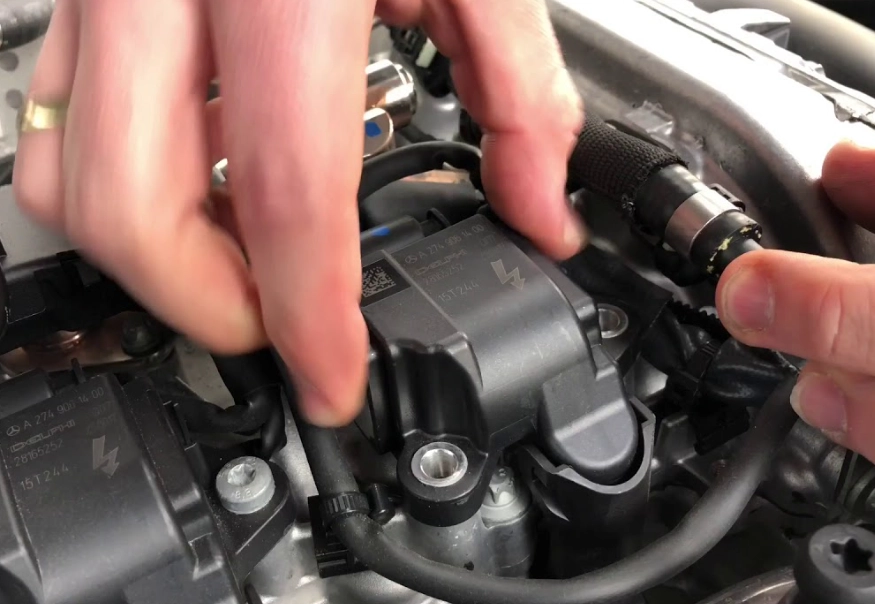
Look for these telltale signs:
Engine misfires or rough idle. This feels like a shudder or shake when the car is stopped. The engine might sound uneven.
Poor acceleration and lack of power. The car feels sluggish, like it's struggling to get up to speed. You press the pedal, but the response is weak.
High fuel consumption. If you're visiting the gas station more often for no clear reason, worn plugs could be the culprit. They cause incomplete combustion, wasting fuel.
Difficulty starting the engine. The starter turns, but the engine takes longer to catch. On cold mornings, this is especially noticeable.
The check engine light is on. A code reader might show codes like P0300 (random misfire) or P0301-P0308 (cylinder-specific misfire). This is a direct message from your car's computer.
I once ignored a slight hiccup at idle for months, chalking it up to "old car behavior." The problem was a single failing plug. By the time I got around to it, it had likely washed that cylinder's walls with fuel, causing premature wear. Don't make my mistake.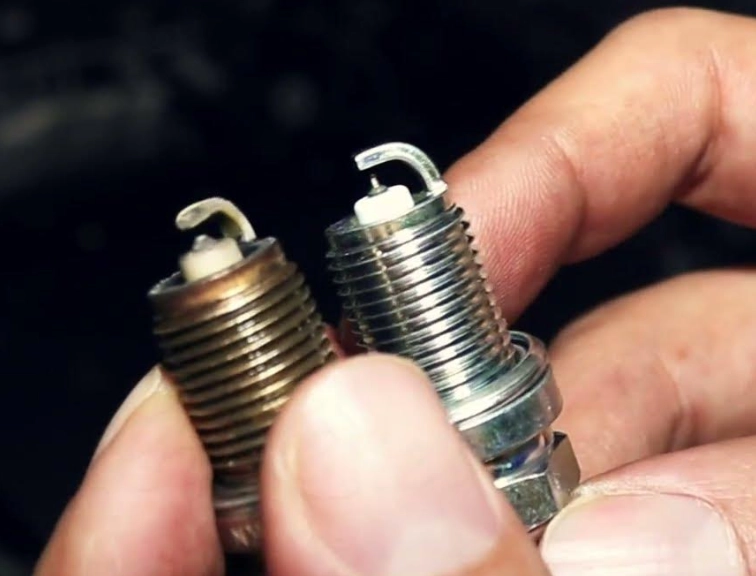
Gathering Your Tools and Parts: Getting It Right the First Time
Nothing kills DIY momentum faster than being halfway through a job and realizing you're missing a crucial tool. Let's get your toolkit ready. You don't need a professional mechanic's garage, but you do need the right stuff.
The Essential Toolbox
Socket wrench set: This is non-negotiable. You'll need a spark plug socket. This is a deep socket with a rubber insert inside to grip the ceramic insulator and prevent it from cracking. Standard sizes are 5/8" (16mm) or 13/16" (21mm). A 3/8" drive ratchet and a few extensions (6-inch and maybe a 12-inch) will help you reach plugs buried deep in the engine bay.
Gap tool: Even if plugs are advertised as "pre-gapped," always check. A simple coin-style gauge or a set of feeler gauges works. I prefer the wire loop style for more accurate readings on modern fine-wire plugs.
Torque wrench: This is where most DIYers wing it, and it's a big mistake. Overtightening can crack the plug's ceramic or strip the aluminum threads in your cylinder head. Undertightening can lead to poor heat transfer and a blown-out plug. A basic click-type torque wrench in the 10-50 ft-lb range is perfect.
Other basics: A set of screwdrivers (flathead and Phillips), needle-nose pliers, a can of compressed air or a small brush, and a flashlight. A magnetic pickup tool is a lifesaver if you drop a small part.
Now, for the parts. Don't just buy the cheapest plugs on the shelf.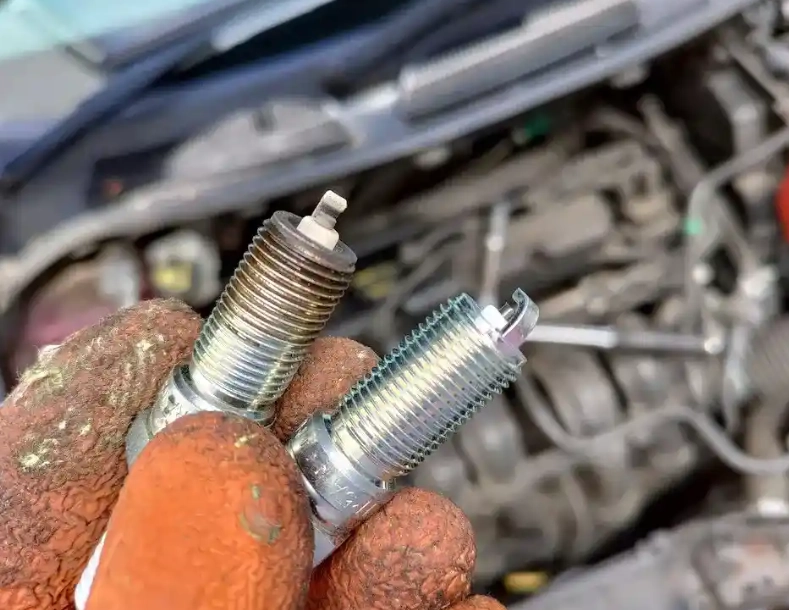
Finding the right plug: Your car's owner's manual has the exact part number. You can also use the lookup tool on websites like NGK's or Denso's—they are the OEM suppliers for most manufacturers. Cross-reference the number at your local auto parts store.
Material matters: You'll see copper, platinum, double platinum, and iridium. Copper is cheap but short-lived. For most modern cars, iridium or platinum is specified. They cost more upfront but last much longer. Stick with what the manufacturer recommends.
One more thing: Get a small tube of anti-seize compound (specifically for spark plugs) and a dab of dielectric grease. The anti-seize goes on the plug threads (sparingly!), and the dielectric grease goes inside the boot of the spark plug wire or coil-on-plug connector to prevent it from sticking and to ensure a good electrical connection.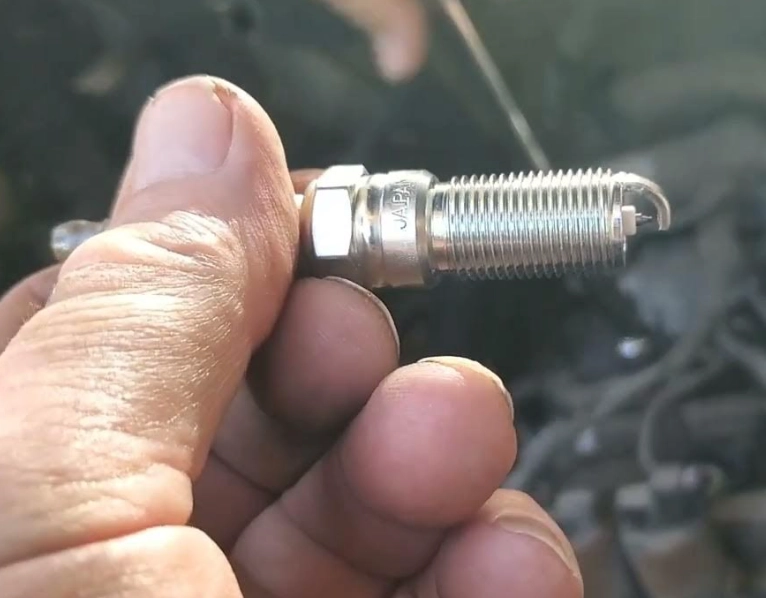
Safety First: The Non-Negotiables
Let the engine cool completely. Working on a hot engine is a great way to get burned. Wait at least an hour after driving. The exhaust manifold and cylinder head stay hot for a long time.
Disconnect the battery. Always disconnect the negative (-) terminal before you touch anything electrical. This prevents any chance of a short circuit or accidental sparking while you're handling the ignition coils or wires.
Work in a well-ventilated area. You're not dealing with massive fumes, but it's good practice.
The Step-by-Step Replacement Process
Alright, the car is cool, the battery is disconnected, and your tools are laid out. Let's get to work. We'll assume you have a common 4-cylinder engine with coil-on-plug ignition. The process is similar for other setups.
Step 1: Access and Clean the Area
Open the hood and locate the spark plugs. They're on the cylinder head, usually under plastic covers or ignition coils. Remove any engine cover by unclipping it. You'll see either thick wires leading to each plug or individual plastic coils sitting on top of them.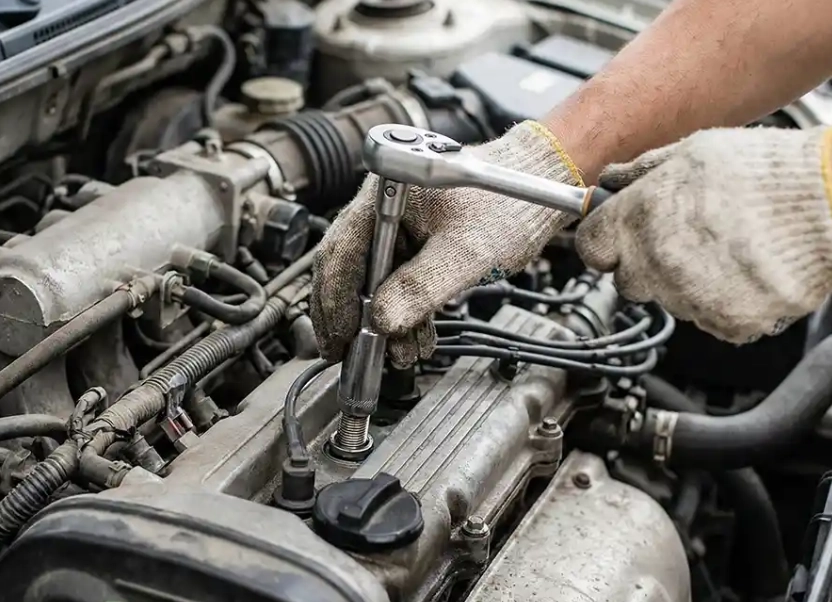
Before you remove anything, use the compressed air or brush to clean the area around each coil or wire boot. You want to prevent any dirt from falling into the open spark plug hole when you pull the old plug out. A little dirt in the cylinder can cause major damage.
Step 2: Remove the Ignition Coils or Wires
For coil-on-plug systems: There's usually a single bolt (10mm is common) or a clip holding the coil in place. Remove it, then gently rock the coil back and forth while pulling straight up. Don't yank on the wires connected to it. If it's stuck, a slight twisting motion can help.
For traditional spark plug wires: Grab the boot (the rubber end), not the wire itself. Twist it 90 degrees to break the seal, then pull straight off. I label each wire with a piece of masking tape (1, 2, 3, 4) to avoid mixing them up. Getting the firing order wrong will cause the engine to run terribly or not at all.
Step 3: Remove the Old Spark Plugs
Insert your spark plug socket onto the ratchet with an extension. Carefully guide it down onto the plug. Attach the ratchet and turn it counter-clockwise to loosen. The first turn is usually the hardest. Once it's loose, you can often finish unscrewing it by hand with the socket.
Lift the old plug out slowly. Take a moment to look at it. The condition can tell you a lot about your engine's health. Normal wear shows a light tan or gray deposit on the electrode. Oily, black, sooty, or white blistered deposits indicate other issues (like oil burning or a too-lean fuel mixture).
Step 4: Gap and Prepare the New Spark Plugs
Check the gap on your new plug. The specification (e.g., 0.044 inches) is in your manual or on the plug box. Slide the correct feeler gauge or the wire of your gap tool between the center and ground electrode. It should slide through with a slight drag.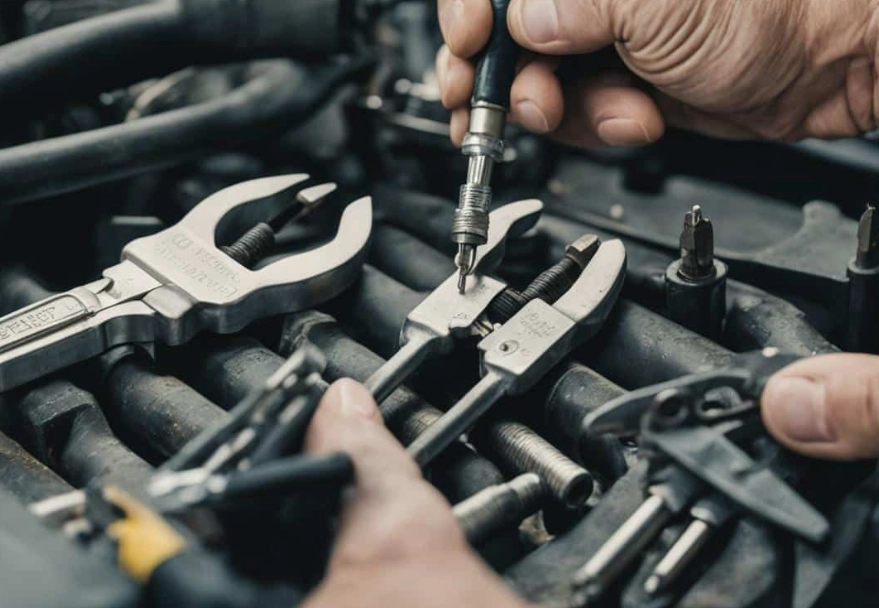
If the gap is too small, gently pry the ground electrode open with the gap tool. If it's too large, carefully tap the ground electrode against a hard surface to close it slightly. Never pry against the center electrode or the fragile tip on iridium/platinum plugs—you'll ruin them. Apply a tiny, rice-grain-sized amount of anti-seize to the threads of the new plug. Avoid getting any on the electrode or the ceramic insulator.
Step 5: Install and Torque the New Plugs
This is the most critical step. Hand-thread the new plug into the hole. Turn it clockwise until it seats. It should thread in smoothly with just your fingers. If it binds or feels gritty, stop. You're cross-threading it, which will ruin the cylinder head threads. Back it out and try again, making sure it's perfectly straight.
Once it's finger-tight, it's time for the torque wrench. Look up the torque spec for your engine (e.g., 15 ft-lbs). Set your wrench, attach the socket, and tighten until you hear/feel the click. That's it. Do not go past the click. If you don't have a torque wrench, the old mechanic's rule of "snug plus a quarter-turn" after the gasket crushes is a risky substitute. Invest in the wrench.
Step 6: Reassemble Everything
Put a small dab of dielectric grease inside the rubber boot of the ignition coil or spark plug wire. This keeps moisture out and makes the next removal easier. Push the coil or wire boot firmly onto the new spark plug until you feel or hear it click into place. Reinstall any retaining bolts or clips. Repeat for each cylinder.
The Mistakes I See All the Time (And How to Avoid Them)
After helping dozens of friends with this job, patterns emerge. Here are the big ones.
Mistake 1: Not checking the gap. "Pre-gapped" doesn't mean "perfectly gapped for your specific engine." A box of plugs gets jostled in shipping. A gap that's off by just a few thousandths can affect performance and fuel economy. Check every single one.
Mistake 2: Over-torquing. This is the cardinal sin. That aluminum cylinder head is soft. Stripping those threads means a very expensive repair called a helicoil or thread insert. The torque wrench is your best friend.
Mistake 3: Getting dirt in the cylinder. Skipping the cleaning step is asking for trouble. It takes two minutes and saves a potential engine tear-down.
Mistake 4: Mixing up the wires/coils. On many V6 or V8 engines, the wires are different lengths for a reason. Label them. Take a photo before you start. It's simple insurance.
Mistake 5: Using the wrong plug. The heat range and design are engineered for your engine's combustion chamber. The wrong plug can cause pre-ignition (knocking), which can destroy an engine. Stick to the OEM-specified part number or a trusted direct replacement.
Post-Installation: The Moment of Truth
Reconnect the battery (negative terminal last). Start the engine. It might crank for a second longer than usual as the computer re-adapts. Listen.
A smooth, even idle is what you want. If the engine runs rough or the check engine light is still on, you likely have a coil or wire not fully seated. Turn the engine off and double-check each connection.
Take the car for a short, gentle drive. Feel for improved throttle response and smoother acceleration. The real test for me is a cold start the next morning. If it fires up immediately and idles smoothly, you've nailed it.
Your Spark Plug Questions Answered
Spark Plug Replacement FAQs
My car runs okay after a DIY spark plug change, but there's a slight vibration at idle. What did I do wrong?
A subtle vibration often points to one cylinder not firing as strongly as the others. The most common culprit is a coil or spark plug wire that isn't fully clicked onto the plug. Turn the engine off, pop the hood, and firmly press down on each ignition coil or wire boot. You should feel a definite "click" or seat. If that doesn't fix it, you might have accidentally damaged the ceramic insulator on one plug while installing it, creating a path for the spark to leak to ground.
Can I replace just one or two spark plugs instead of all four (or six)?
Technically, yes. Practically, it's a bad idea. Spark plugs wear at roughly the same rate. If one has failed, the others are very close behind. Mixing old and new plugs creates an imbalance in combustion efficiency and resistance, which can strain the ignition system. You'll be back under the hood in a few months. Always replace them as a complete set. It's the only way to ensure uniform performance and longevity.
I have a high-mileage car (150k+ miles). Is there anything special I should do during a DIY spark plug replacement?
Absolutely. On high-mileage engines, the threads in the aluminum head can be dry and brittle. Be extra gentle when threading in the new plugs. I recommend using a thread chaser before installation. This is a special tap-like tool that cleans out carbon and debris from the threads without cutting new metal. Run it in and out by hand a few times after removing the old plug. This prevents cross-threading and gives you a more accurate torque reading. It's a cheap tool that can prevent a catastrophic repair.
How do I know if I need new ignition coils along with my spark plugs?
If your plugs were severely worn or fouled (oily, crusted with deposits), they could have overworked the coils. A good rule of thumb: if you're changing plugs as preventative maintenance and the car was running fine, just do the plugs. If you're changing them to fix a persistent misfire, especially on a specific cylinder, consider replacing the coil on that cylinder as well. Many professionals sell "plug and coil" kits for this reason. On cars with very high mileage (over 100k), replacing all coils when you do the plugs can be cheap insurance against a future breakdown, as coils are a common wear item.
The spark plug socket won't fit over the plug in my tight engine bay. What are my options?
This is common in transverse V6 engines where the rear bank is against the firewall. First, try a magnetic spark plug socket (it's slimmer than the rubber insert style) combined with a universal joint or a wobble extension. If that still doesn't work, you may need a dedicated spark plug swivel socket or a thin-wall pass-through socket set. In extreme cases, you might have to loosen an engine mount and gently tilt the engine forward with a jack (supported by wood) to gain access. Research your specific car model online—forum threads are goldmines for these kinds of access tricks.