Safe driving isn't just about passing your test. It's a continuous skill, a mindset you build over thousands of miles. I've been driving for over a decade across everything from icy mountain passes to dense urban grids, and the lessons that stick aren't always in the manual. They're in the near-misses you analyze, the habits you consciously build, and the subtle mistakes most people don't even realize they're making.
This guide is for drivers who want to move beyond just "obeying the rules." We'll dig into the defensive driving techniques that statistically prevent collisions, expose common but overlooked errors, and provide actionable strategies for specific conditions. The goal is simple: to give you the tools to not just drive, but to drive with confident control and foresight.
What You’ll Learn in This Guide
Why Safe Driving is More Than Just Following Rules
Think about the last time you saw someone driving erratically. They were probably breaking a rule—speeding, tailgating, swerving. Following the law is the absolute baseline. But true safety lives in the gray areas the law can't fully dictate.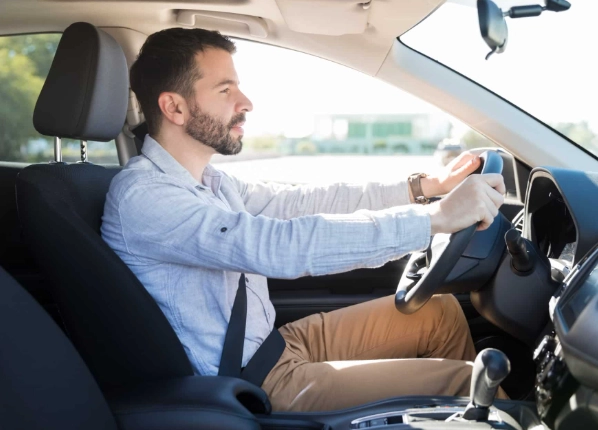
It's the space cushion you leave when the car ahead is braking erratically. It's the decision to slow down in a residential area even though the speed limit is 35 mph, because kids are playing near the curb. It's anticipating that the driver in the next lane might not see you as they drift over.
The National Highway Traffic Safety Administration (NHTSA) reports that the vast majority of crashes are due to human error—recognition errors, decision errors, performance errors. Defensive driving is the systematic practice of minimizing those errors, both yours and others'.
The Pillars of Defensive Driving: A Proactive Approach
Defensive driving isn't a single trick. It's a collection of interconnected skills. Master these three, and you'll be ahead of 90% of drivers on the road.
1. Space Management: Your Mobile Safety Bubble
This is non-negotiable. You must control the space in front, behind, and to the sides of your car.
In Front: The "3-second rule" is your starting point. Pick a stationary object. When the car ahead passes it, count "one-thousand-one, one-thousand-two, one-thousand-three." You should pass the object after three seconds. In rain, make it 4 seconds. In snow or ice, aim for 5 or 6. This gap is your reaction time bought and paid for.
Behind: If someone is tailgating you, increase your following distance from the car in front. This gives you more room to brake gradually if needed, preventing a chain reaction where you get hit from behind. If it's persistent and you can, change lanes and let them go.
To the Sides: Avoid driving in other drivers' blind spots. Either speed up or drop back. In traffic, try to maintain a space cushion on at least one side so you have an escape route.
2. Observation and Anticipation: Looking for Trouble
Your eyes should never be fixed. Use a systematic scan: far ahead (12-15 seconds up the road), middle distance, your immediate path, mirrors, repeat. Every 5-8 seconds.
Look for specific clues: a ball rolling into the street (a child may follow), a car's front wheels turning slightly at an intersection, the brake lights of cars several vehicles ahead. Anticipate the most likely stupid move others could make and have a plan for it. That pedestrian looking at their phone? Assume they'll step off the curb.
3. Communication: Making Your Intentions Crystal Clear
Use your signals early—not as you're turning, but before you brake. Make eye contact with pedestrians and other drivers when possible. At night, a quick flash of your high beams (not held) can alert someone you're there. If you're grateful to someone who let you in, a quick, friendly wave reduces road tension.
Conversely, avoid aggressive communication: honking (except for danger), glaring, or gesturing. It serves no purpose and can escalate a situation dangerously.
Common Safe Driving Mistakes (And How to Fix Them)
Here are the subtle errors I see even experienced drivers make every day. Fixing these alone will dramatically lower your risk.
Mistake 1: The "Set It and Forget It" Mirror Adjustment. Most people set their side mirrors to see the side of their own car. This creates massive blind spots. Adjust them outward until the side of your car just disappears from view. Your rearview and side mirrors should now show a continuous, overlapping panorama behind you. Try it. The first time you lane change without a blind spot is revelatory.
Mistake 2: Over-reliance on Technology. Backup cameras have blind zones, especially close to the ground and on the sides. Lane Departure Warning can be fooled by faded lines. Always do a physical head check over your shoulder before changing lanes or merging. Use tech as a helper, not a replacement for your own senses.
Mistake 3: Driving "In the Pack." On highways, it feels safe to be surrounded by other cars. It's not. You're trapped. The safest place is often with plenty of space around you. If you find yourself in a dense cluster, gently adjust your speed—slow down or speed up slightly—until you have more room to maneuver.
| Common Mistake | Why It's Dangerous | The Expert Fix |
|---|---|---|
| Resting hand on gear shift | Transmits vibration, causes premature transmission wear, reduces steering control. | Keep both hands at 9 and 3 on the steering wheel rim. |
| Coasting to a stop in neutral | Eliminates your ability to accelerate out of danger if needed. | Stay in gear until you are almost completely stopped. |
| Using cruise control in wet weather | If you hydroplane, the system may try to maintain speed, worsening the skid. | Disable cruise control on wet, icy, or gravel-covered roads. |
Safe Driving in Specific Conditions
The rules change when the environment does. Here’s how to adapt your core skills.
Night Driving
Visibility is your biggest enemy. Ensure your headlights are clean and properly aimed. If an oncoming car has high beams on, look toward the right edge of your lane to avoid being blinded. Increase your following distance dramatically. Your depth perception and color recognition are severely reduced at night.
Rain and Wet Roads
The first 15 minutes of a light rain are often the most slippery, as oil and dust mix with water. Slow down. Turn on your headlights—it’s about being seen, not just seeing. Avoid sudden steering or braking. If you drive through deep standing water, gently test your brakes afterward to dry them.
Winter and Icy Conditions
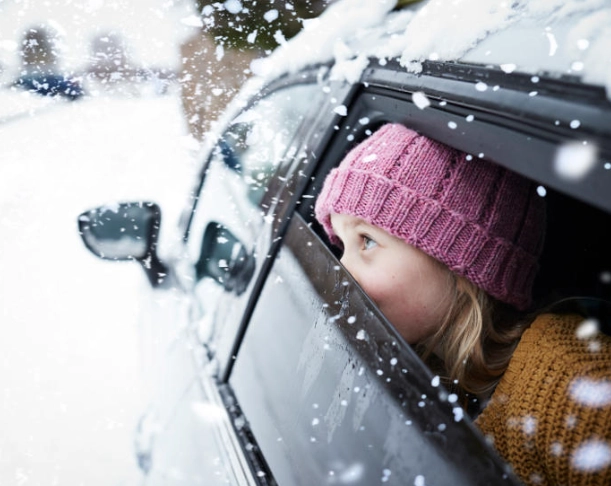
This deserves its own book. The short version: get winter tires if you live in a snowy climate. They are not the same as "all-season" tires. Clear ALL snow and ice from your car—roof included. Accelerate and brake with extreme gentleness, as if there's an egg between your foot and the pedal. Everything takes 3-10 times longer on ice.
Highway Driving
Merging smoothly is key. Match the highway speed by the end of the ramp, using your signal early. The left lane is for passing. After passing, move back to the right. If you see brake lights or debris ahead, tap your brakes early to alert drivers behind you—don't just rely on your own car's brake lights.
City and Urban Driving
Expect the unexpected constantly. Watch for pedestrians, cyclists, delivery vehicles double-parked, and doors opening. Cover your brake when approaching intersections where cross traffic might not stop. Be hyper-aware of large vehicles' turning radius—never squeeze beside a turning truck or bus.
Building a Lifetime of Safe Driving Habits
Safety is a habit, not an exam. Here’s how to make it stick.
Vehicle Maintenance is Self-Defense. Bald tires won't stop in the rain. Worn brake pads increase stopping distance. A dirty windshield scatters light at night. Schedule regular checks. It's cheaper than a deductible.
Mindset Matters. Never drive angry, overly tired, or emotionally distracted. Your cognitive load is finite. If you're furious after an argument or exhausted from work, take five minutes. Breathe. Or take a taxi. Impaired driving isn't just about alcohol.
Continual Education. Consider taking a certified defensive driving course every few years. They refresh skills and often teach advanced car control techniques you'll never learn on public roads. Some insurance companies even give you a discount for it.
At the end of the day, safe driving is about respect—for the machine you control, for the shared space of the road, and for the irreplaceable lives inside every vehicle, including your own.