I still remember my first car show—a humid Saturday in Houston, surrounded by gleaming classics and the smell of gasoline. I was clueless, wearing dress shoes and arriving at noon when the crowds were thickest. It was a mess. Over the past decade, I've attended everything from tiny local meets to sprawling international auto shows, and I've learned that a little planning transforms chaos into pure joy. Car shows aren't just about cars; they're about community, discovery, and that thrill of seeing something new. But let's cut to the chase: if you want to avoid my early mistakes and dive in like a pro, this guide is for you.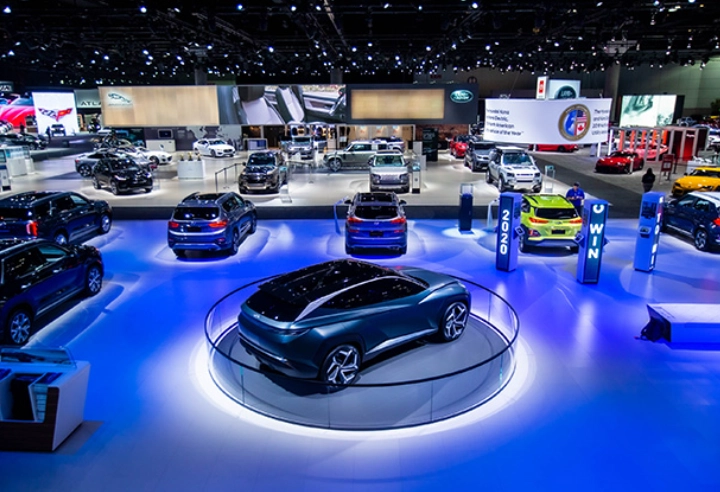
Jump to What Matters
What Are Car Shows and Why Should You Go?
At its core, a car show is a gathering where vehicles are displayed—but that's like calling a concert just noise. These events range from casual "cars and coffee" meets in parking lots to massive exhibitions like the North American International Auto Show in Detroit. They serve different purposes: some focus on classic restorations, others on futuristic concepts or electric vehicles. The common thread? Passion.
Why bother? For enthusiasts, it's a chance to geek out over engine specs. For families, it's affordable entertainment. For buyers, it's a no-pressure way to kick tires and compare models. I've met engineers, artists, and kids wide-eyed at their first Lamborghini. But here's a nuance most miss: car shows are evolving. The rise of EV-focused events, like the Fully Charged LIVE shows, means you're not just looking at history but the future. If you skip them, you're missing a slice of automotive culture that's more accessible than track days or dealerships.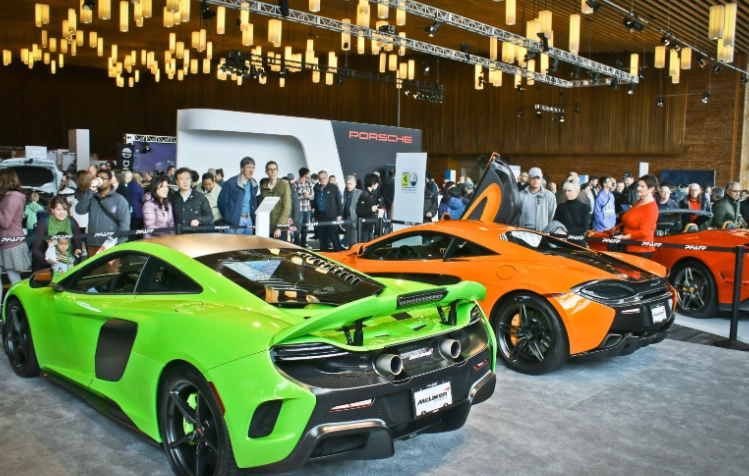
Types of Car Shows You'll Encounter
Not all shows are created equal. Knowing the categories helps you pick the right one.
- Classic and Vintage Shows: Think pre-1990 vehicles, often with judging for restoration quality. The Pebble Beach Concours d'Elegance is the pinnacle, but local clubs host similar, smaller events.
- Modern and Custom Shows: These feature modified cars, tuner culture, and aftermarket parts. Events like SEMA in Las Vegas are industry-heavy, but public days exist.
- Electric and Hybrid Shows: Growing fast, with displays from Tesla, Rivian, and startups. They often include test drives and tech talks.
- Charity and Community Shows: Low-key, often free, with proceeds going to causes. Great for beginners—less crowds, more chatty owners.
I once drove three hours to a "premium" classic show only to find ten cars in a field. Research pays off.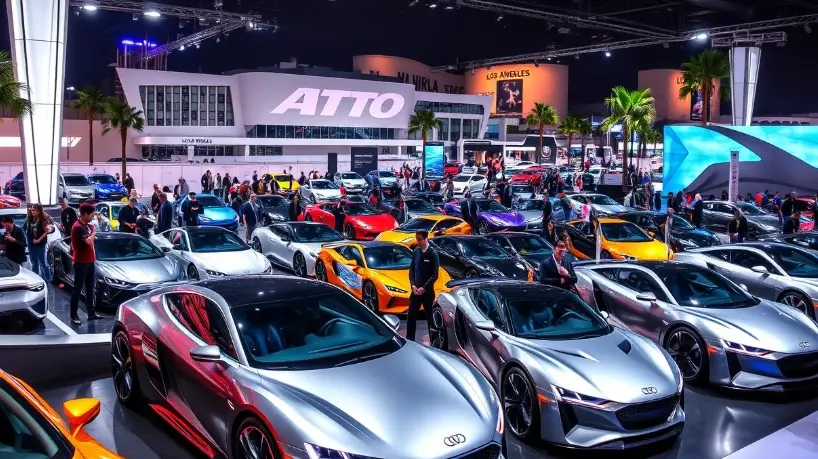
Finding the Right Car Show for You
You don't need to travel cross-country. Start local. Websites like AutoShowNews or Hemmings have calendars, but I rely on grassroots sources. Facebook Groups for car enthusiasts in your city are gold—members post about impromptu meets. Apps like Meetup filter by interest; search "car show" or "auto exhibit."
For bigger events, check venue websites. The Los Angeles Convention Center lists the LA Auto Show dates months ahead. Don't forget museums; the Petersen Automotive Museum in LA hosts rotating exhibits that feel like mini-shows.
Pro Move: Subscribe to newsletters from organizations like the Specialty Equipment Market Association (SEMA) or local car clubs. They send alerts for registrations and discounts. I saved 30% on tickets to the Chicago Auto Show this way.
Using Online Tools Effectively
Google Search is obvious, but refine it. Use phrases like "car shows near me this weekend" or "free car shows [your city]." Include filters for dates and ratings. Sites like Eventbrite often list smaller shows with ticket options. But a warning: some listings are outdated. I once showed up to a "monthly classic car meet" that had moved locations two years prior. Always cross-reference with social media posts from the past week.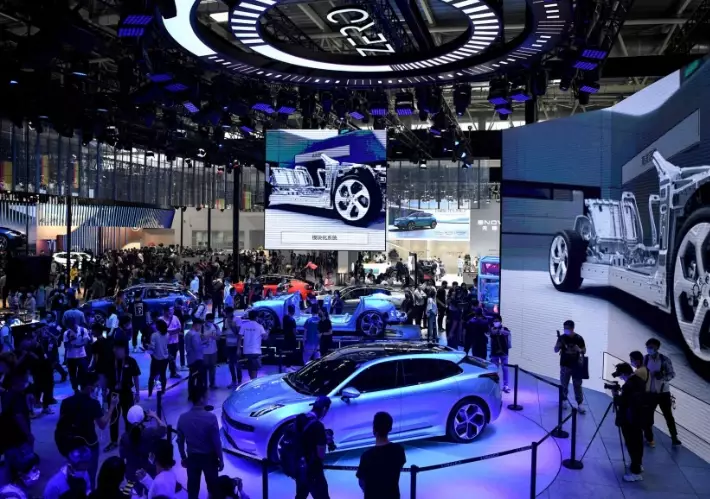
Planning Your Visit: The Nitty-Gritty Details
This is where most people slip up. A successful visit hinges on logistics. Let's break it down.
Buying Tickets and Checking Schedules
Tickets vary wildly. Big shows like the New York International Auto Show cost around $20-$30 for adults, with discounts for kids and seniors. Buy online in advance—it's cheaper and skips lines. For example, the 2023 show offered $5 off for early birds. Some events, like Cars and Coffee meets, are free but may require registration.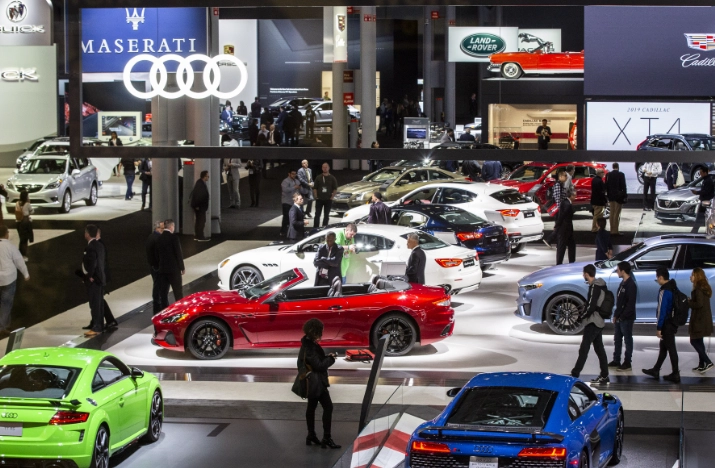
Schedules matter. Shows typically run from 9 AM to 6 PM, but peak hours are 11 AM to 3 PM. Arrive early (by 9:30 AM) for lighter crowds and better photo light. Check the event website for special times: manufacturer presentations or demo drives might be limited to certain slots.
Getting There: Transportation and Parking
Parking can be a nightmare. At the Detroit Auto Show, I spent 45 minutes circling for a spot. Here's my rule: if the venue is in a city center, use public transit. The Tokyo Motor Show is linked to subway lines, making it a breeze. For suburban shows, carpool and arrive early.
Research parking fees. The Las Vegas Convention Center charges up to $20 per day for events like SEMA. Sometimes, nearby lots offer cheaper rates—I found a $10 lot two blocks from the Phoenix Auto Show by checking Google Maps reviews.
| Show Example | Typical Ticket Price | Parking Tip | Best Time to Arrive |
|---|---|---|---|
| Los Angeles Auto Show | $22 adults | Use Metro Rail to Pico Station | 9:00 AM |
| Local Charity Car Show | Free (donations) | Street parking nearby | 10:00 AM |
| Electric Vehicle Expo | $15 online | Ride-sharing recommended | 8:30 AM for test drives |
Addresses and hours are usually on the event site, but double-check. I've seen typos that lead to wrong locations.
Inside the Show: What to See and Do
Once you're in, don't just wander. Prioritize. Most shows have zones: concept cars, vintage displays, vendor areas, and interactive demos.
Start with the main attractions—often concept cars or new model reveals. At the Geneva International Motor Show, these are in the center hall. Then, hit the vendor booths for swag and deals. I've scored discounted car care products by chatting up reps late in the day.
Don't skip the owner displays. These are cars brought by individuals, and the stories behind them are priceless. I met a guy who restored a 1967 Mustang with his dad; he spent an hour showing me the engine details. That's the soul of car shows.
Top Attractions and Must-See Exhibits
- Concept Cars: Glimpse the future—designs that may never hit production but inspire trends.
- Restoration Competitions: Watch judges scrutinize paint jobs; you'll learn what makes a car truly exceptional.
- Test Drive Areas: Some shows, like the Texas Auto Show, offer short drives of new models. Sign up early; slots fill fast.
- Kids' Zones: Family-friendly activities, from simulators to model car building. Keeps everyone engaged.
Food and drinks are often overpriced. At the Miami Auto Show, a bottled water cost $5. Pack snacks, but support local food trucks if they're there—they're part of the experience.
Pro Tips from a Veteran Attendee
Here's where I share hard-earned wisdom. These aren't just tips; they're fixes for common frustrations.
First, wear comfortable shoes. I can't stress this enough. You'll be on your feet for hours, and concrete floors are unforgiving. I switched to hiking sneakers years ago, and it changed everything.
Second, bring a portable charger. Phone batteries die fast from photos and maps. I use a 10,000mAh power bank—it's saved me when navigating large venues like the McCormick Place in Chicago.
Third, talk to people. Owners love sharing their passion. Ask questions: "What's the story behind this car?" or "What was the hardest part to restore?" It opens doors. I've gotten private engine starts just by showing genuine interest.
Now, for mistakes to avoid. Don't touch cars without permission—fingerprints on polished paint are a sin. Avoid peak lunch hours (12-2 PM) for popular exhibits; that's when families cluster. And skip the gift shop until the end; prices sometimes drop near closing.
One personal gripe: some shows cram too many vendors selling cheap trinkets. It feels like a flea market. Focus on the cars and curated exhibits instead.
Common Pitfalls and How to Dodge Them
I've seen people show up with strollers to crowded shows—it's a hassle. Check if the venue is stroller-friendly. Another pitfall: assuming all shows allow pets. Most don't, except service animals. Call ahead.
Weather matters. Outdoor shows in summer can be brutal. I attended a show in Arizona where temps hit 100°F; hydration was key. Bring a hat and sunscreen. For indoor shows, layers work—venues blast AC.
Frequently Asked Questions (FAQ)
Car shows are more than events; they're journeys into automotive passion. With this guide, you're equipped to navigate them like a seasoned pro. Start small, learn from each visit, and soon you'll have your own stories to share. Now, go find that next show—and enjoy the ride.