You hear the term "full vehicle inspection" thrown around a lot. Before you buy a used car, when you're planning a long road trip, or just as part of responsible ownership. But what does it actually mean? Is it just a mechanic glancing under the hood and kicking the tires? Not even close.
A proper, thorough vehicle inspection is a systematic health check for your car. It's the difference between knowing your car is safe and just hoping it is. I've seen too many people skip this, only to face a massive repair bill or, worse, a dangerous failure on the road. Let's break down exactly what gets checked, why each item matters, and how you can make sure you're getting your money's worth.
What You'll Learn in This Guide
The Core Full Vehicle Inspection Checklist: System by System
Think of it like a doctor's physical. They check your vitals, reflexes, and run tests. A mechanic does the same for your car's major systems. A comprehensive inspection should cover, at minimum, the following areas. A good shop will provide a multi-page report with notes and photos for each.
| System/Area | What's Checked | Why It's Critical |
|---|---|---|
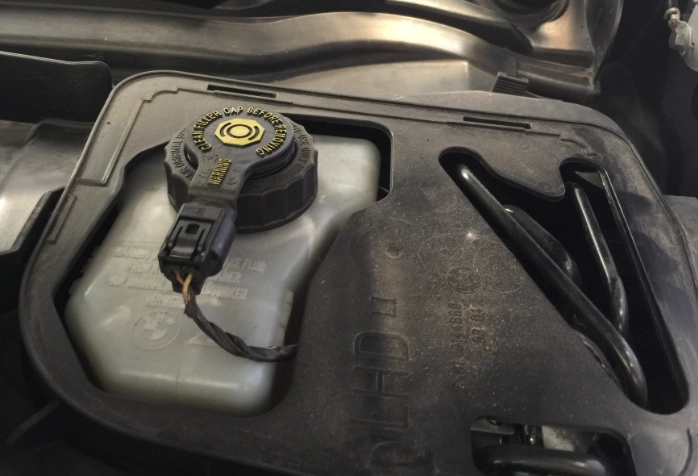
| Brakes | Pad/shoe thickness, rotor/drum condition, brake fluid level and quality, brake lines for leaks or corrosion, parking brake function. | This is your primary safety system. Worn pads or contaminated fluid drastically increase stopping distance. A leaking line can lead to complete brake failure. |
| Tires & Wheels | Tread depth (often with a gauge), uneven wear patterns, sidewall damage, proper inflation pressure, wheel condition (bends, cracks), lug nut torque. | Tires are your only contact with the road. Low tread means poor wet-weather grip and higher risk of hydroplaning. Uneven wear points to alignment or suspension issues. |
| Suspension & Steering | Shock/strut condition for leaks or wear, control arms, bushings, ball joints, tie rod ends, steering linkage, power steering fluid and system integrity. | Worn suspension components ruin handling, cause tire wear, and make the car feel unstable. A failed ball joint can literally cause the wheel to collapse. |
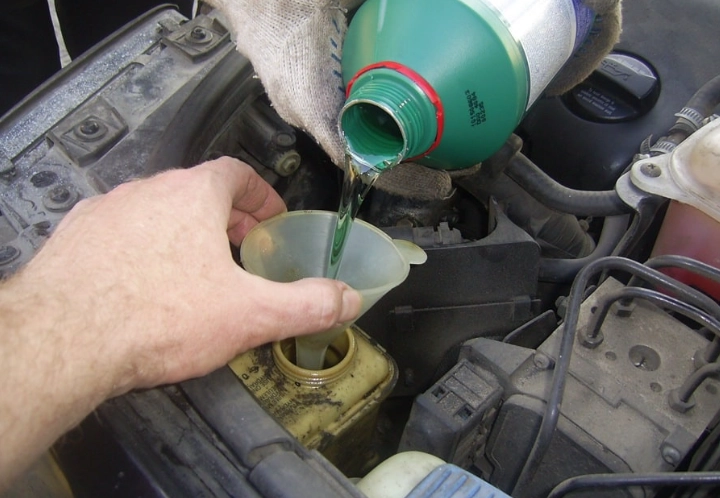
| Engine & Under Hood | Fluid levels and condition (oil, coolant, transmission, brake, power steering), belts and hoses for cracks/glazing, battery health and terminals, air filter, visual leaks, exhaust manifold. | Old coolant can lead to overheating and engine damage. A cracked serpentine belt can leave you stranded. Dirty oil accelerates engine wear. |
| Exhaust System | Manifold, catalytic converter, muffler, pipes. Check for holes, leaks, excessive rust, and secure mounting. | Leaks before the catalytic converter are dangerous (carbon monoxide in the cabin). A failing cat triggers check engine lights and can cause poor performance. |
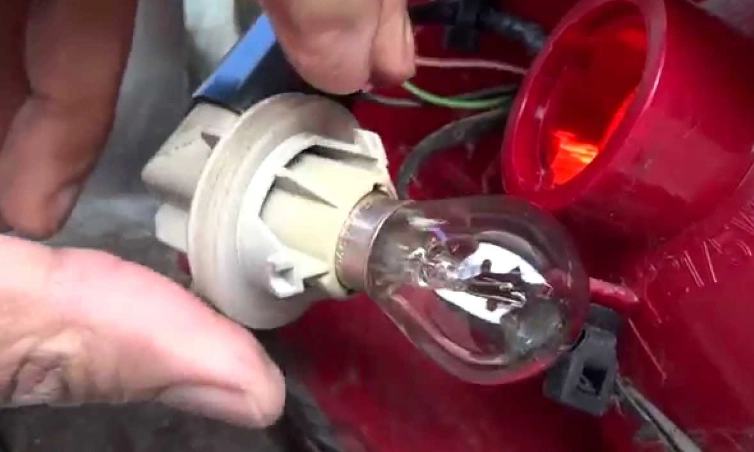
| Electrical & Lights | Operation of all exterior lights (headlights, brake, turn signals, hazards), interior lights, horn, wipers, power windows/locks, battery load test, charging system output. | Non-functional lights are a safety hazard and a ticket. A weak battery or failing alternator can strand you without warning. |
| Drivetrain | Transmission fluid condition, drive axle boots (CV boots) for tears, differential leaks, clutch operation (manual), unusual noises from transmission or axles. | A torn CV boot will sling out grease and destroy the joint quickly. Discolored transmission fluid indicates wear or overheating. |
| Frame & Undercarriage | Structural integrity, signs of previous major damage or improper repair, excessive rust/corrosion on frame rails, floor pans, and suspension mounting points. | This is crucial for used car buyers. Frame damage compromises crash safety and vehicle alignment. Severe rust can be a structural failure point. |
| Interior & Safety | Seatbelt functionality, airbag warning lights, operation of all gauges and warning lights, condition of driver controls. | Faulty seatbelts or airbags offer no protection in a crash. Ignoring warning lights can turn a small problem into a big one. |
Beyond the Basics: The Diagnostic Scan
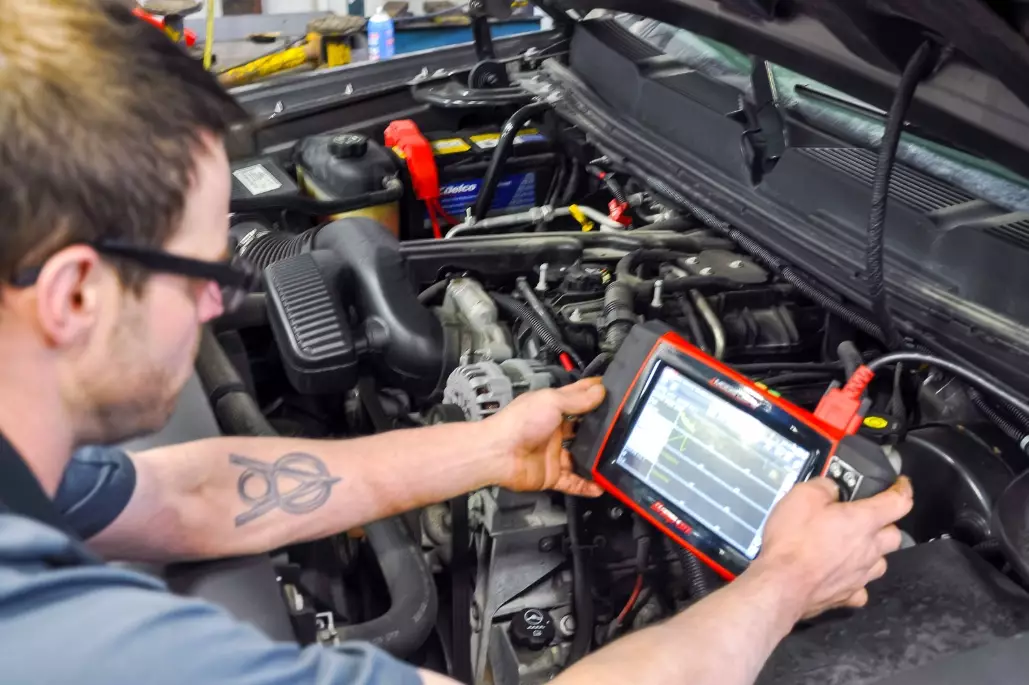
A visual and mechanical check isn't enough for modern cars. A full inspection should include plugging in an OBD-II scanner to read the vehicle's computer. This reveals:
Current Fault Codes: Problems that are actively triggering the Check Engine light or other warnings.
Pending Codes: Issues the car has detected but hasn't yet turned on the light for. This is a huge red flag for impending problems.
Monitor Readiness Status: Important if you have emissions testing. It shows if the car's computer has completed its self-tests after a battery reset.
Any shop that doesn't do this scan is giving you an incomplete picture, especially on cars from 1996 onward.
Where to Get a Professional Inspection (And Who Does It Best)
Not all inspections are created equal. The goal is to find someone with no stake in the outcome.
For Pre-Purchase Inspections (Buying a Used Car): This is non-negotiable. Always use an independent mechanic or a dedicated inspection service. Do NOT use a mechanic recommended by the seller. You want an unbiased opinion. Companies like Lemon Squad or YourMechanic (which sends a mobile mechanic) specialize in this. A good pre-purchase inspection will cost more but can save you thousands.
For Routine Maintenance Inspections: Your trusted local repair shop is fine. Many offer a "multi-point inspection" for free with an oil change. Be wary—these can be superficial. Ask what their "full" inspection includes and if they provide a written report.
Chain Stores (e.g., Firestone, Pep Boys): They have standardized checklists and can be convenient. However, there's a well-known industry concern about upselling. Their inspection might accurately find worn parts, but be critical of their repair urgency and get a second opinion on major recommended repairs.
Dealerships: They know the specific model best and have the latest technical service bulletins. Their inspections can be very thorough but are often the most expensive option. This is a good choice for complex, newer vehicles still under warranty.
How Much Should a Full Inspection Cost?
It varies wildly by location, shop, and vehicle type. Here's a realistic range:
Basic Multi-Point Inspection: Often FREE or $20-$50. Quick visual check, fluid top-off, tire pressure. Good for peace of mind between major services.
Standard Full Safety/Mechanical Inspection: $100 - $200. This should cover the core checklist above, take 1-2 hours, and include a basic diagnostic scan and written report. This is the sweet spot for most owners.
Comprehensive Pre-Purchase Inspection: $200 - $400+. Includes everything in the standard, plus a more in-depth look at frame/body for damage, test drive with the technician to note noises/vibrations, and a more detailed report, often with photos. For a luxury or specialty car, expect the higher end.
My rule: If a shop quotes under $80 for a "full" inspection, question how thorough it can be. You're paying for expertise and time. A proper inspection is labor-intensive.
Quick Self-Check Tips Before You Go to the Shop
You don't need to be a mechanic to spot obvious problems. Doing a quick walk-around can help you talk intelligently with your technician and catch issues early.
The Tire Tread "Penny Test": Insert a penny into the tread groove with Lincoln's head upside down. If you can see the top of his head, your tread is too low (below 2/32"). Time for new tires.
Fluid Check (When Engine Cold): Pop the hood. Pull the oil dipstick, wipe, reinsert, pull again. The oil should be amber to brown, not black and sludgy, and between the marks. Check the coolant reservoir level against the "MIN" and "MAX" lines. Look for any obvious puddles or stains under the car where you park.
Listen and Feel: Do you hear new squeaks or rattles over bumps? (Suspension). Does the steering wheel vibrate at certain speeds? (Tires/balance). Does the car pull to one side when you brake? (Brakes). Note these for your mechanic.
These checks don't replace a professional's eye, but they make you a more informed car owner.
Common Mistakes & Misconceptions About Car Inspections
Mistake 1: "My state's annual safety inspection is enough." For many states, the safety inspection is a bare-minimum checklist (lights, horn, brakes, wipers) to get a sticker. It is NOT a substitute for a mechanical inspection of engine health, transmission, or deep suspension components.
Mistake 2: Only getting one for a used car. A yearly or bi-yearly full check on your own car is fantastic preventive maintenance. It helps you budget for repairs before they become emergencies.
Mistake 3: Not being present or asking questions. If possible, be there when the inspection is done. A good mechanic will walk you through their findings, show you the worn part, and explain the consequences of not fixing it. If they refuse or rush you, that's a red flag.
Mistake 4: Treating the report as a mandatory repair list. The report is a diagnosis. It tells you the condition. Items marked "Replace Now" (e.g., bald tires, cracked brake hose) are urgent safety items. Items marked "Monitor" or "Recommend Soon" (e.g., brakes at 30%) give you time to plan. You are in control of the repair decisions.
Your Vehicle Inspection Questions Answered
Can a full vehicle inspection uncover hidden accident damage?
A thorough one can reveal clues. A trained inspector looks for paint overspray on trim, mismatched VIN stickers on body panels, uneven panel gaps, and signs of welding or repair under the car and in the trunk/spare tire well. They'll also check the frame alignment. However, very skilled repairs can hide damage from all but the most expert eyes. A vehicle history report (like from CARFAX or AutoCheck) is a necessary companion to the physical inspection, not a replacement.
How often should I get a full inspection on my own car?
For most daily drivers, once a year is a good rule. Align it with another annual service, like a seasonal tire change or a major fluid service. If you drive a lot (over 15,000 miles a year), are planning a major road trip, or own an older/high-mileage vehicle, consider every six months. It's cheaper than a surprise breakdown.
What's the difference between a "multi-point" and a "full" inspection?
It's mostly marketing, and the line is blurry. Generally, a "multi-point" is a shorter, standardized list (often 20-30 items) done quickly, frequently for free. A "full" or "comprehensive" inspection implies more time, deeper checks (like putting the car on a lift for a full undercarriage view), and a diagnostic scan. Always ask the shop to describe exactly what their service includes.
I'm selling my car. Should I get an inspection first?
Absolutely. It's a powerful selling tool. Having a recent, clean inspection report from a reputable third party builds immense trust with potential buyers. It disarms their biggest fear—"what's wrong with it?"—and can justify a higher asking price. Be prepared to share the full report. Transparency sells.
The shop's report has a long list of recommendations. How do I prioritize?
First, separate safety items from maintenance items. Safety is non-negotiable: brakes, tires, steering, lights. Do those first. For maintenance items, ask for the technician's opinion on urgency. A slightly seeping valve cover gasket can wait; a coolant leak from the water pump cannot. Get estimates for each item and tackle them based on your budget and the severity of the problem. A good shop will help you create a sensible repair plan.