Navigate This Guide
Let's talk about something you probably never think about until it's too late – the air inside your car. Specifically, the air you and your passengers breathe for hours every week. That's where the humble, often forgotten cabin air filter comes in. If you drive a Honda Accord, this little rectangular piece of folded material is your first line of defense against pollen, dust, exhaust fumes, and even some bacteria. A clean cabin air filter for your Honda Accord doesn't just make the air smell better; it's crucial for the health of your car's heating and air conditioning system and, more importantly, for you.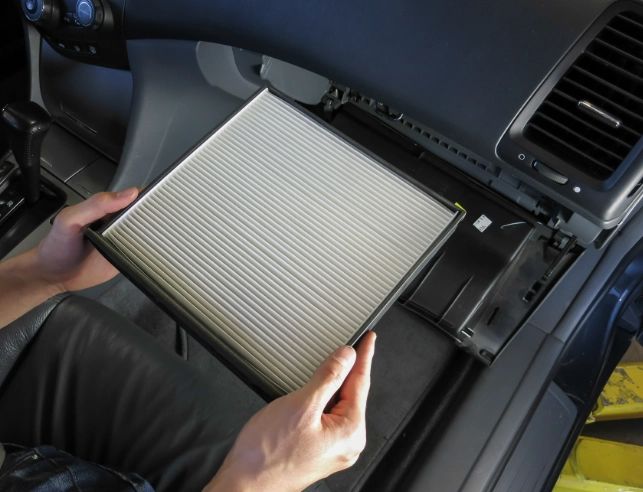
I remember the first time I changed mine. The car was a few years old, and I started noticing a faint, musty smell every time the AC kicked on. Performance was fine, but the air just felt… stale. I popped in a new filter, and the difference was night and day. The air was crisp, the smell vanished, and the blower fan even seemed to work a bit better. It was a fifteen-minute job that felt like a major upgrade.
So, whether you're a seasoned DIYer or someone who just wants to understand what their mechanic is talking about, this guide is for you. We're going to dive deep into everything about the Honda Accord cabin air filter: why it matters, when to change it, how to pick the right one, and most importantly, how you can replace it yourself and save a decent chunk of change.
The Core Job: Think of your Accord's cabin air filter as the lungs of your car's interior. Every bit of air that comes through your dashboard vents passes through this filter. Its job is to trap particulates before they enter the cabin. We're talking about the visible stuff like dust and leaves, but also the invisible enemies – pollen, mold spores, and soot from other vehicles.
Why Bother? The Real Cost of a Dirty Filter
You might be wondering, "Can't I just ignore it?" Well, you could, but I wouldn't recommend it. A clogged or dirty cabin air filter causes a cascade of minor issues that add up.
First, airflow suffers. The blower motor has to work much harder to push air through a layer of grime. This can put extra strain on the motor and resistor, potentially leading to premature failure. You'll notice the fan on its highest setting doesn't blow as strong as it used to.
Second, your AC and heater become less effective. Reduced airflow means less cold or hot air reaching you, making the system struggle to reach your desired temperature. In summer, you might find yourself cranking the AC higher, which uses more fuel.
Third, and most importantly for many, is air quality. A saturated filter can't trap new pollutants. Worse, it can become a breeding ground for mold and mildew, which then gets blown straight into your face. If you or your passengers suffer from allergies or asthma, a clean cabin air filter in a Honda Accord is non-negotiable. The U.S. Environmental Protection Agency (EPA) emphasizes the importance of reducing airborne pollutants, and your car's cabin is a space you can actually control.
The musty odor I mentioned? That's often the first sign. If you start sneezing more in the car or if the windows fog up excessively and are hard to clear, a dirty filter could be the culprit.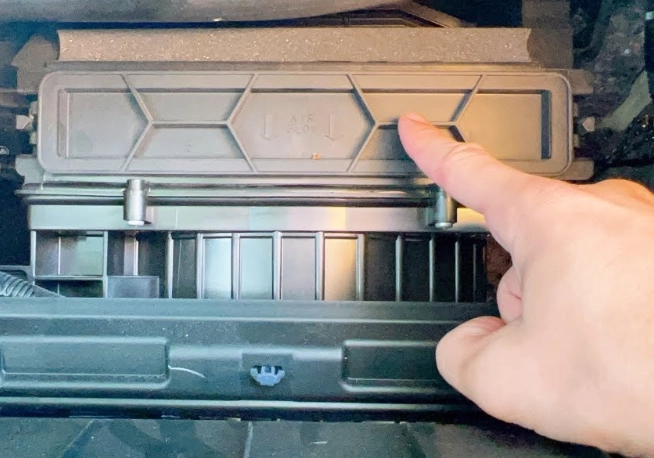
A severely neglected filter can even allow debris to get into the evaporator core (the part that makes the air cold). Cleaning or replacing that is a major, expensive dashboard-out job. A $20-40 filter is cheap insurance.
When Should You Replace Your Honda Accord Cabin Air Filter?
Honda's official maintenance schedule, which you can find in your owner's manual or on the official Honda Owners site, typically recommends inspection and likely replacement every 15,000 to 30,000 miles. But that's a broad range, and in my experience, it's more about conditions than strict mileage.
Here’s a more practical guide. You should check or replace your Accord cabin air filter sooner if:
- You drive regularly in heavy traffic or urban areas with lots of exhaust fumes.
- You frequently drive on dusty, gravel, or unpaved roads.
- You live in an area with high pollen counts or frequent wildfires.
- You notice a persistent musty or sour odor from the vents.
- Airflow from the vents has noticeably decreased, even on the highest fan setting.
- You hear unusual whistling sounds from the dashboard when the fan is on.
My rule of thumb? Once a year.
I make it a spring ritual, right after pollen season kicks off. It's easy to remember and ensures I have clean air for the summer AC months. For most people, this aligns with 12,000-15,000 miles of driving. If you only drive 5,000 miles a year, you could probably stretch it to two years, but honestly, filters are inexpensive enough that annual replacement is a good habit.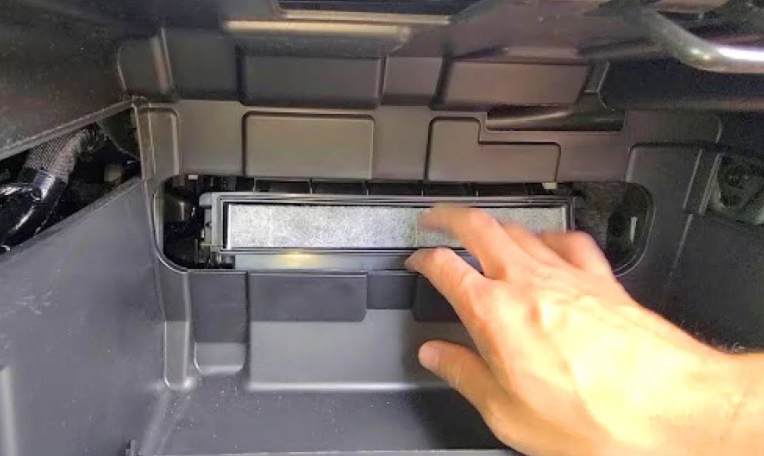
The Simple "Glove Box" Check (For Most Models)
Worried yours might be dirty? On most Honda Accord models (from about 2003 onward), checking it is incredibly easy and takes two minutes. No tools needed.
- Open your passenger side glove box.
- Look for two stoppers or dampers on the sides. Pinch them or push them inward to allow the glove box to lower further.
- Once the glove box is fully down, you'll see a long, rectangular plastic cover. This is the filter housing.
- The cover is usually held by a few clips or tabs. Unsnap them.
- Gently pull the old filter straight out.
Hold it up to a light. Can you see light passing clearly through the material? If it looks dark, clogged with leaves, debris, or you can't see light well, it's time for a new one. If it looks fairly clean and you can see light, you can probably slide it back in and check again in a few months.
Choosing the Best Cabin Air Filter for Your Honda Accord
This is where it gets interesting. Not all filters are created equal. You'll find three main types on the market, each with pros and cons. Picking the right one depends on your priorities: basic filtration, allergy relief, or odor control.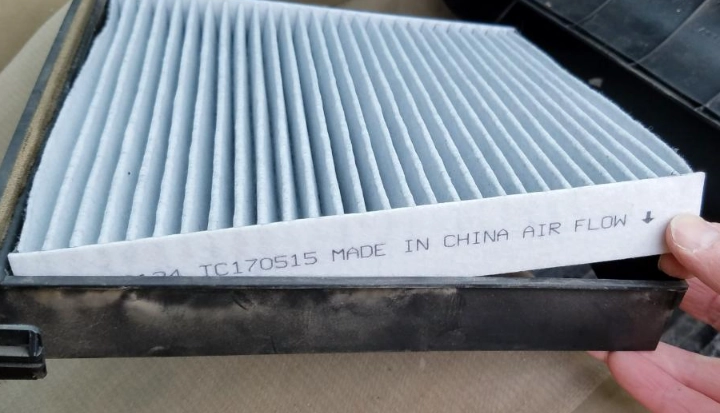
Filter Type Showdown: Which One is Right for You?
| Filter Type | What It Does | Best For | My Personal Take |
|---|---|---|---|
| Basic Particulate (Pleated Paper/Cotton) | Traps dust, pollen, and larger particles. The standard OEM-style filter. | Drivers in relatively clean environments who want affordable, effective basic protection. | It gets the job done. Nothing fancy, but it's what Honda originally installed. If you have no specific air quality concerns, this is perfectly fine. |
| Activated Carbon | Has a layer of activated charcoal that absorbs odors, exhaust fumes (like NOx and SOx), and some gaseous pollutants. | City drivers, those who drive behind diesel trucks, or anyone who wants to reduce smells from outside. | This is my go-to choice. The carbon really does cut down on that nasty traffic smell. The filtration feels more comprehensive. It's usually worth the extra $5-$10. |
| Allergy & Elite (HEPA-style/Multi-Layer) | Uses electrostatic or fine fiber materials to trap ultra-fine particles, including mold spores, bacteria, and more pollen. | Drivers or passengers with severe allergies, asthma, or respiratory sensitivities. | These are the premium option. Brands like FRAM Fresh Breeze or K&N's filter claim to trap microscopic particles. They can be restrictive, so ensure your blower motor is strong. Great for sensitive folks. |
You also have a choice between brands. Honda Genuine parts are, of course, a perfect fit and are usually a basic or carbon type. Aftermarket brands like FRAM, Bosch, K&N, EPAuto, and STP offer a wider range of types and often at a better price.
A word on "permanent" or washable filters.
Some brands, notably K&N, offer a washable and reusable cabin air filter for the Honda Accord. The idea is you clean and re-oil it every so often. While it saves money and waste in the long run, I'm a bit skeptical for cabin air use. You must clean and oil it exactly as instructed. Too much oil can get sucked into the HVAC system and create a mess or odd smells. For engine air filters, I love them. For the cabin, I prefer the simplicity of a disposable filter—no guesswork, just swap and go.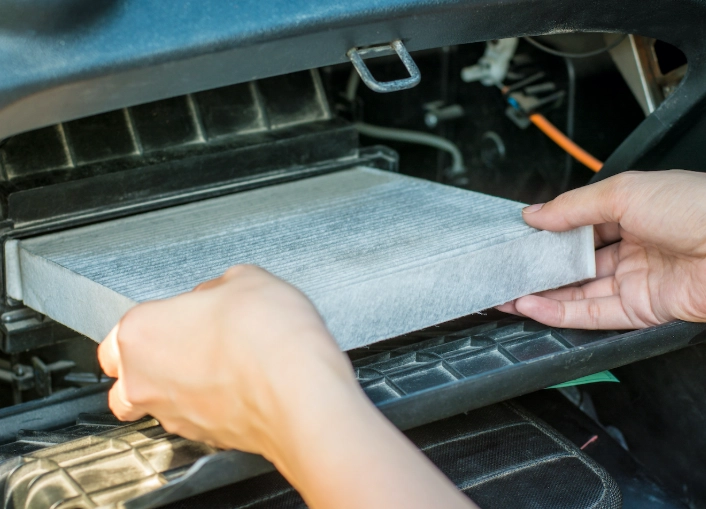
Top Brand Picks for a Honda Accord Cabin Air Filter Replacement
- FRAM Fresh Breeze (CF11934): Their carbon filter is a fantastic all-rounder. Good particle filtration plus odor control. It's consistently well-reviewed and easy to find.
- Bosch HEPA (Cabin Air Filter HEPA 6092C): If allergies are your main battle, Bosch's HEPA-style filter is a top contender. It's designed to trap nearly 100% of particles down to a very small size.
- EPAuto (CF102): This is the budget king. It's a basic particulate filter, but the quality is surprisingly good for the price. If you change your filter yearly and drive in clean areas, this is incredible value.
- Honda Genuine Parts (80292-TBA-A11, etc.): You can't go wrong. It's the exact part your car was designed for. Usually a bit pricier than aftermarket, but you get guaranteed fit and performance.
Always, always double-check the part number for your specific Accord year and trim. A filter for a 2015 Accord might not fit a 2020 model. Most auto parts store websites or Amazon have a vehicle selector to be sure.
The Step-by-Step DIY Replacement Guide
Replacing the cabin air filter is one of the easiest car maintenance tasks. Dealerships might charge $50-$80 for parts and labor for a job that takes you 15 minutes. Let's walk through it. The process below applies to the most common location: behind the glove box on Accords from roughly 2003 to 2022. (Very early models and some hybrids may have it under the hood, but that's less common).
You'll need: Your new Honda Accord cabin air filter. A small flashlight can be helpful. That's it. No screwdrivers, no wrenches.
Detailed Steps for a Hassle-Free Swap
- Prep the Area: Open the passenger door. Empty the glove box completely.
- Lower the Glove Box: Look at the sides of the glove box interior. You'll see two tabs or arms that act as stops. On most models, you simply squeeze the sides of the glove box inward to flex these stoppers clear of the dashboard, allowing the glove box to swing down fully. Don't force it—a gentle squeeze and a downward pull should do it.
- Locate the Filter Door: Once the glove box is down, you'll see a long, thin rectangular plastic panel (about 2 inches by 12 inches) facing you. This is the filter compartment cover.
- Open the Cover: The cover is held by retaining clips, usually on the left or right side. Press the clips inward or downward (they might say "PUSH" or have an arrow) and the cover should unclip and swing open or come off completely.
- Remove the Old Filter: Take a look at how the old filter is oriented. There should be an arrow on its frame pointing in the direction of airflow (usually pointing DOWN, TOWARD THE FLOOR, or toward the REAR of the car). Note this direction. Gently pull the old filter straight out.
- Clean the Tray (Optional but Recommended): Shine your flashlight into the empty slot. You might see some leaves or dust at the bottom. Use a vacuum cleaner hose attachment to gently clean out the cavity. This prevents old debris from being sucked in immediately.
- Install the New Filter: Take your new filter. Ensure the airflow arrow is pointing in the SAME direction as the old one. This is critical. If you install it backward, it will not filter properly and may restrict airflow more. Slide it gently into the slot until it seats fully.
- Close Up: Snap the plastic cover back into place until all clips secure. Lift the glove box back into position, making sure the stopper arms click back into place on the sides of the dashboard. Refill your glove box.
And you're done! Start the car, turn on the fan (AC off at first), and enjoy the fresh air. You might notice a slight new-filter smell for a few minutes, which is normal, especially with carbon filters.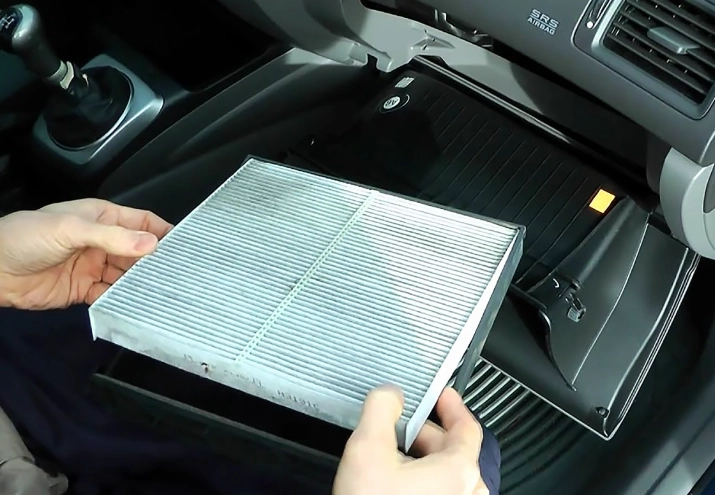
Critical Warning: That airflow arrow is not a suggestion. The filter media is designed to work in one direction. Installing it backward can significantly reduce its efficiency and airflow. Double-check it.
Addressing Common Questions and Concerns
Indirectly, yes. The AC system itself might be working perfectly, producing cold air at the evaporator. But if the filter is so clogged that very little air can pass over that cold evaporator, then very little cold air will make it to your vents. It feels like the AC is weak. Always check the filter before assuming you have a costly refrigerant or compressor issue.
Absolutely. This is a major point of confusion. The engine air filter cleans air going into your engine for combustion. It's under the hood. The cabin air filter cleans air going into the passenger compartment for you to breathe. They are completely different parts in different locations. Your Honda Accord has both.
Ah, the classic issue. A new Honda Accord cabin air filter will stop new odors from entering, but if smell is already in the system, the filter can't remove it. The odor is likely mold or mildew growing on the evaporator core itself, deep inside the dashboard. Changing the filter is the first step. Next, try running the fan on high with the AC OFF and the windows down for 10-15 minutes to dry the system out. If the smell persists, you may need an HVAC system cleaner—a foam or spray you introduce through the intake or drain tube to kill the mildew. In severe cases, a professional cleaning is needed.
Sometimes, especially with premium multi-layer filters, they can be a bit more snug than the old worn-out one. As long as you have the correct part number and the filter slides into the slot without extreme force (don't bend or crush it), it's fine. A tight seal is actually good—it means no air is bypassing the filter around the edges.
Wrapping Up: Breathe Easy, It's Simple
Maintaining your Honda Accord's cabin air filter is one of those rare car tasks that offers maximum reward for minimal effort. The cost is low, the time investment is tiny, and the benefits are immediate and tangible: better airflow, cleaner, fresher-smelling air, and peace of mind knowing you're protecting your car's HVAC system from unnecessary strain.
Forget the dealership upsell on this one. Grab a filter—I'd suggest an activated carbon one for most people—set aside 15 minutes on a Saturday morning, and give it a go. Follow the simple steps of squeezing the glove box tabs, swapping the filter (arrow direction!), and snapping it all back together.
Your nose, your lungs, and your wallet will thank you.
It's a small act of maintenance that makes every drive just a little bit better. And in the world of car ownership, those little wins are what keep things enjoyable and affordable for the long haul. Now you know exactly what that filter does, why it's important, and how to keep it fresh. Go enjoy the clean air.