That moment you see a fresh scratch on your car door, your phone screen, or the dining table is uniquely frustrating. Your first thought is usually "How do I get rid of this?" The good news is, you often can. The bad news? The internet is full of advice that ranges from mildly helpful to downright destructive. I've spent over a decade in detailing and surface restoration, and I've seen the aftermath of well-intentioned but poorly executed scratch removal attempts. This guide cuts through the noise. We'll move past the toothpaste and baking soda hacks and into what actually works, when to do it yourself, and when to absolutely call a professional.
What's Inside This Scratch Removal Guide?
Step One: The Critical Scratch Assessment (The Fingernail Test)
Before you touch a product, you need to know what you're dealing with. All scratches are not created equal. The single most important diagnostic tool is your fingernail.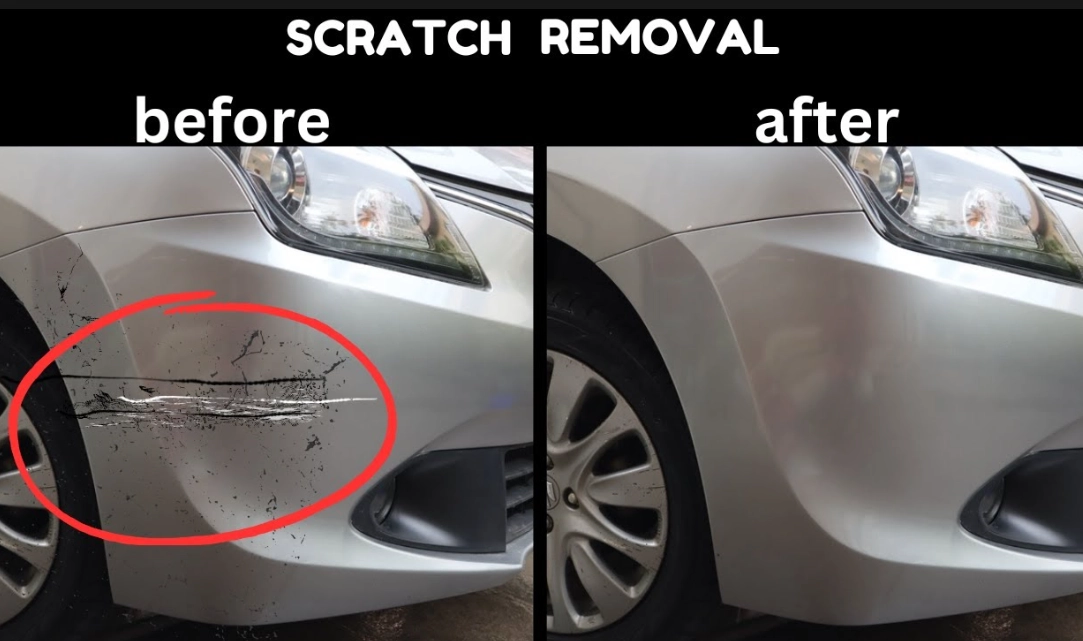
Gently run your fingernail across the scratch, perpendicular to its direction.
- If your nail does not catch: The scratch is likely only in the clear coat (the top, transparent protective layer). This is a candidate for DIY polishing or compounding. Relief!
- If your nail does catch: The scratch has penetrated through the clear coat and into the color layer (base coat) or even the primer. This is a more serious repair. DIY options here are limited to cosmetic improvement, not true removal.
DIY Scratch Removal: A Toolkit, Not Magic
For clear-coat scratches, you're essentially performing a micro-level sanding and polishing job. You're not "filling" the scratch; you're carefully leveling the area around it until the groove disappears. Here’s the real-world toolkit, in order of aggressiveness.
1. Scratch Remover Pens & Light Polishes
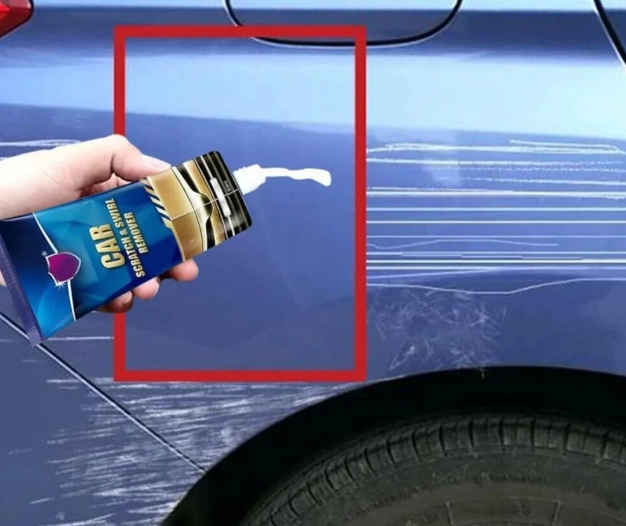
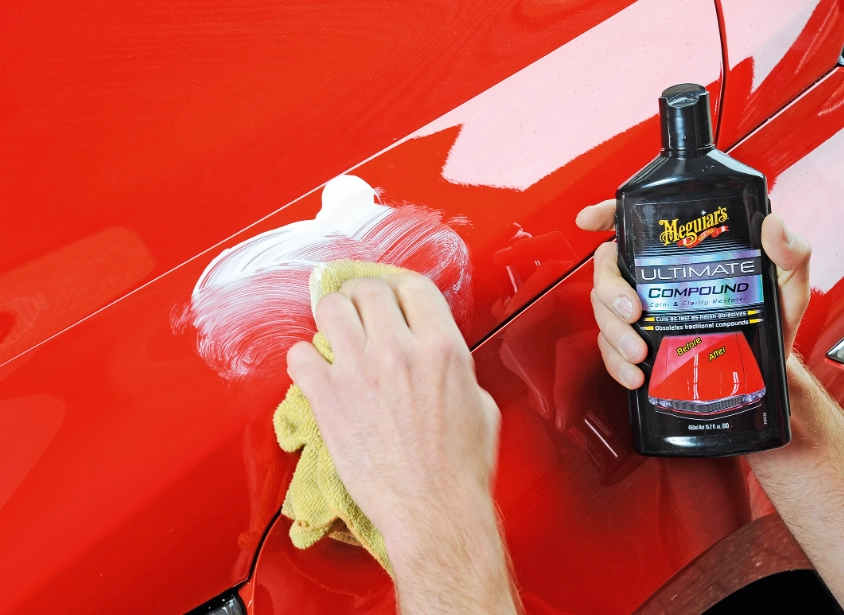
Products like Meguiar's ScratchX 2.0 or similar pens from Turtle Wax are formulated for very fine marks. They contain ultra-fine abrasives in a carrier fluid. You apply, work in with a firm, clean applicator pad in straight lines (not circles!), and wipe off. They can work on light scuffs from car washes or bushes. Don't expect miracles on deep marks.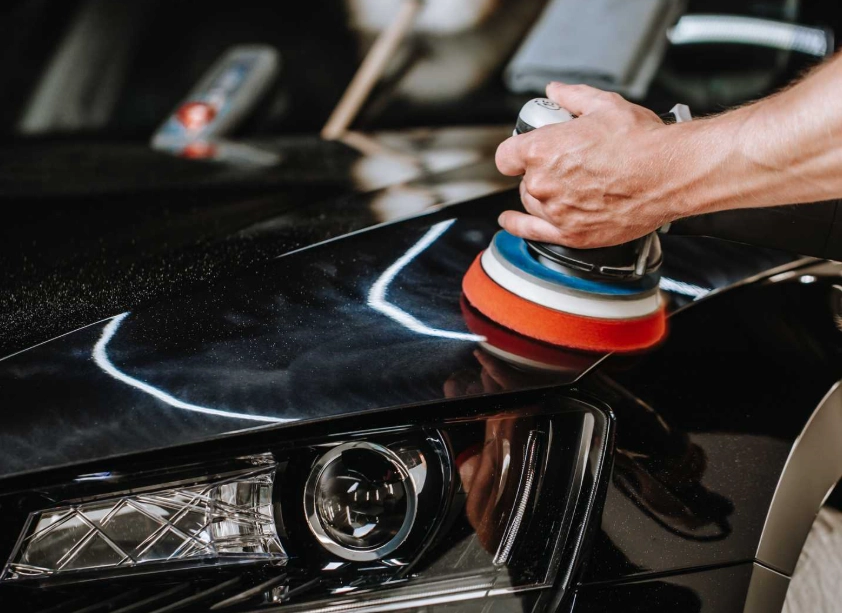
2. Rubbing/Paint Correction Compound
This is a heavier-duty abrasive for more noticeable clear-coat scratches. It requires more elbow grease or, ideally, a dual-action polisher for even, controlled application. Brands like Chemical Guys, Griot's Garage, or 3M make reliable compounds. This is where technique matters massively.
The DIY Process for a Single Scratch:
- Clean: Wash and dry the area thoroughly. Any dirt equals new scratches.
- Tape: Use painter's tape to isolate the scratch. This protects the surrounding paint and gives you a visual boundary.
- Apply: Put a dime-sized amount of compound on a clean foam or microfiber pad.
- Work: Apply firm, even pressure. Move the pad back and forth along the length of the scratch, not in circles. Keep the pad flat. Work a small section for 30-45 seconds.
- Inspect: Wipe clean with a different, clean microfiber towel. Has the scratch diminished? You may need 2-3 passes.
- Polish & Protect: After compounding, you must polish the area to restore gloss (compounds leave a hazy finish) and then apply wax or sealant to protect the fresh, exposed clear coat.
The 3 Most Common DIY Scratch Repair Mistakes
I see these constantly. Avoiding them is the difference between a successful fix and making a $100 problem into a $500 one.
| Mistake | What Happens | The Fix/Prevention |
|---|---|---|
| Using Dirty Towels | One grain of sand trapped in a towel acts like sandpaper, creating a web of fine swirl marks (micro-marring) around the scratch. | Use brand-new, high-quality microfiber towels. Wash them without fabric softener. Use one towel for product application, a fresh one for removal. |
| Over-Polishing a Deep Scratch | You keep rubbing compound on a scratch that's into the base coat. You won't fill it, but you'll thin and haze the surrounding clear coat, creating a cloudy "halo" effect. | Respect the fingernail test. If it catches, stop polishing. Use a touch-up pen for color, then polish very gently to level the touch-up paint blob after it cures. |
| Skipping the Final Polish and Sealant | Compounded paint is left dull and unprotected. It oxidizes faster and attracts contaminants, looking worse than before you started. | Always follow an abrasive step (compound) with a finer polish to restore clarity, then immediately apply a wax or ceramic spray sealant. |
When and Why to Hire a Professional
Knowing when to throw in the towel is a sign of wisdom, not weakness. Call a pro when:
- The scratch fails the fingernail test on multiple points.
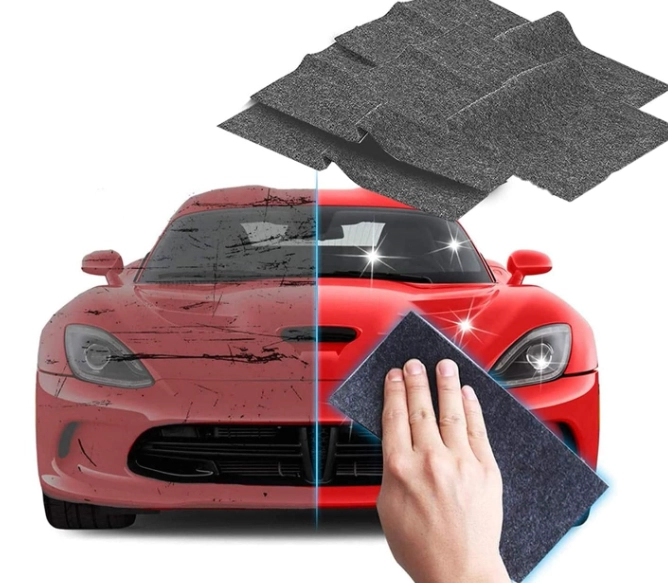
- You see bare metal or plastic (a white or grey line on a colored car).
- The scratch is on a complex curve or body line, where machine polishing is tricky.
- You've attempted a DIY fix and made it look worse (the cloudy halo).
What Professionals Do Differently
It's not just better products. A good detailer or body shop technician has a trained eye for paint depth and reflection. They use a paint thickness gauge (a device you can buy but need skill to interpret) to measure exactly how much clear coat they have to work with. They control variables like machine speed, pressure, and pad choice with precision.
Understanding Repair Costs: A Realistic Range
Asking "how much for a scratch?" is like asking "how much for a house?" It depends.
- Mobile Scratch Repair: For a single, clear-coat scratch or a few light scuffs, a mobile technician might charge $75-$150. They do what's called "touch-up and blend," which is often a very cost-effective solution.
- Body Shop Panel Repair: For a deep scratch along a door, the standard is to sand, prime, paint, and clear-coat the entire panel (e.g., the whole door) for a seamless finish. This is where costs jump to $300-$1,000+, depending on labor rates, paint complexity (metallic, pearl), and the shop's overhead.
Always get an in-person estimate. Phone quotes are guesses.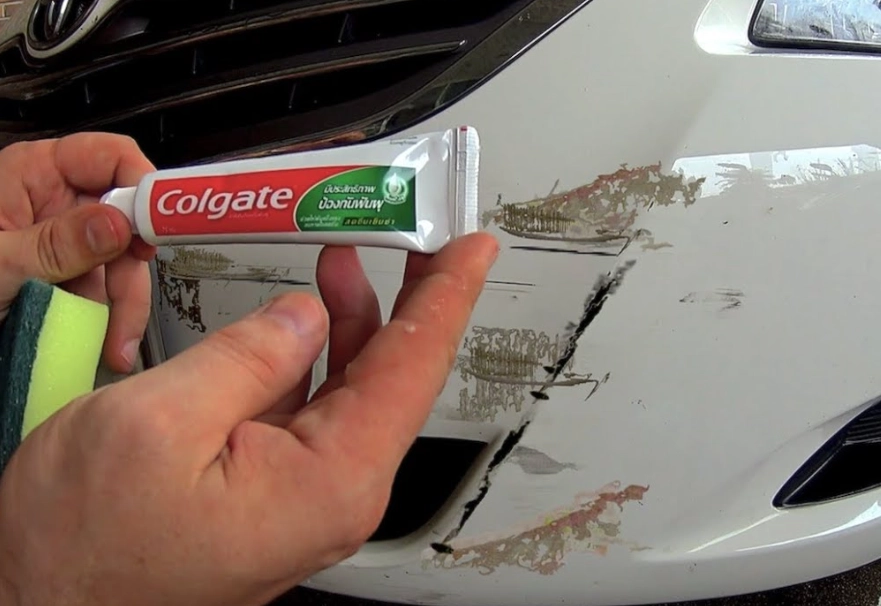
Scratch Prevention: Better Than Any Cure
The best scratch removal strategy is to avoid them in the first place. Most scratches come from contact with objects harder than your clear coat.
- Washing: Use the two-bucket method with grit guards. Never use a dry towel to wipe a dusty car. A study by the Auto Care Association cites improper washing as a leading cause of light surface damage.
- Parking: Park further away. Choose end spots. Be mindful of shopping carts.
- Protection: A quality ceramic coating ($600-$2000 professionally applied) or even a robust synthetic sealant adds a sacrificial, harder layer on top of your clear coat. It won't stop a keying, but it can prevent swirl marks from car washes and light contact.
- Phone/Screen Protectors: This is a no-brainer. A $20 tempered glass screen protector takes the scratch instead of your $1000 phone screen.
Scratch removal isn't magic, but it is a manageable skill. The key is honest assessment, the right tools, clean practices, and knowing your limits. Start with the fingernail test. Be patient. And if in doubt, get a professional opinion—it's usually free and can save you money and heartache.