Pop your hood, check the oil cap or your owner's manual. There's a good chance it says "5W20" right on it. This specific grade of engine oil has become the default recommendation for a huge swath of modern cars, from fuel-sipping hybrids to family SUVs. But what makes it so special? Is it just thinner oil for better gas mileage, or is there more to the story? I've seen people reach for the wrong bottle because they think all synthetic 5W20 oils are the same, or worse, ignore the recommendation entirely. Let's clear the fog. This guide isn't just about what 5W20 oil is; it's about understanding why your car might need it, how to choose the right one, and the subtle mistakes that can cost you engine life or performance.
What You'll Learn in This Guide
What Does 5W20 Actually Mean? Decoding the Numbers
Forget the chemistry for a second. Think of those numbers as a behavior report card for the oil in different temperatures. The "5W" part is the Winter (cold) grade. A lower number here means the oil flows more easily when your engine is stone cold. A "5W" oil is thinner at startup than a "10W" oil. This is crucial for reducing engine wear in the first few seconds after you turn the key.
The "20" is the viscosity at the engine's normal operating temperature (around 212°F or 100°C). A lower number here, like 20 versus 30 or 40, means the oil is thinner when the engine is hot. Thinner hot oil creates less internal drag as it moves through the engine. Less drag means the engine doesn't have to work as hard to pump it, which translates directly into better fuel economy.
So, 5W20 is engineered to be a multi-tasking fluid: thin enough for quick cold-start protection and thin enough at operating temperature to save you money at the pump. It's not "weak" oil; it's precisely formulated for modern, tight-tolerance engines.
The Real Pros and Cons of Using 5W20 Oil
Let's break down the benefits and trade-offs, because no oil is perfect for every situation.
| Advantage | How It Works & What It Means For You | Potential Drawback / Consideration |
|---|---|---|
| Improved Fuel Economy | Reduced internal friction allows the engine to run more efficiently. For the average driver, this can mean a 1-3% MPG improvement. On a 20-gallon tank, that's extra miles for free. | The gain is real but modest. Don't expect miracles. Aggressive driving negates the benefit entirely. |
| Superior Cold-Start Protection | The 5W flow gets oil to critical parts (like camshafts and turbo bearings) faster on a cold morning, drastically reducing startup wear. | If you live in a consistently hot climate (e.g., Arizona), the cold-start advantage is less critical year-round. |
| Ideal for Modern Engines | Newer engines with variable valve timing (VVT), turbochargers, and start-stop systems have tiny oil passages. 5W20 flows through them reliably. | Using a thicker oil in these engines can cause VVT system rattles, slow turbo spool-up, or even trigger check engine lights. |
| Reduced Emissions | Less engine friction and more complete combustion help lower tailpipe emissions, which is a key reason carmakers specify it. | This is a system-wide engineering goal, not something you'll notice day-to-day. |
The biggest misconception I fight is that 5W20 is "too thin" and can't protect under load. For the engines it's designed for, this is false. Modern additive packages (detergents, anti-wear agents like zinc) provide the protective film strength. The base oil's job is to get those additives where they need to be, efficiently. Using a thicker oil in a 5W20 engine can actually increase wear at startup because it takes longer to circulate.
My Take: The fuel economy benefit is the headline, but the real win is the cold-start protection. Most engine wear happens in those first 30 seconds. If you make lots of short trips, a 5W20 oil is arguably doing more for your engine's longevity than a thicker oil that never fully warms up.
Which Cars and Engines Should Use 5W20?
This isn't a guessing game. The definitive answer is in your owner's manual. However, 5W20 is overwhelmingly common for:
- Most Honda and Toyota vehicles from the last 15+ years (non-performance models). Their 4-cylinder and V6 engines are tuned for it.
- Ford's EcoBoost turbo engines (1.5L, 2.0L, 2.3L, etc.). The thin oil helps cool the turbo quickly.
- Hyundai and Kia's mainstream gasoline engines (Theta, Nu, Gamma series).
- Many modern Subaru flat-four (Boxer) engines.
- Virtually all hybrid vehicles (Toyota Prius, Honda Insight, etc.). Maximizing efficiency is paramount.
Here's a scenario: You own a 2015 Ford Escape with the 1.6L EcoBoost. The manual says 5W20. You decide to use 5W30 because your uncle swears by it for his old truck. You might get away with it for a while, but you risk increased low-speed pre-ignition (LSPI) – a nasty condition that can destroy turbocharged engines – and poorer turbo response. It's just not worth the risk.
How to Choose the Best 5W20 Motor Oil: Look Beyond the Brand
Walk into any auto parts store, and you'll see a wall of 5W20 options: Mobil 1, Pennzoil, Valvoline, Castrol, AmazonBasics, Kirkland. Price varies wildly. The secret isn't the brand name on the front; it's the specifications on the back.
The Non-Negotiables: API and OEM Approvals
First, ensure it has the current API (American Petroleum Institute) "SP" certification. This is the industry's latest standard, specifically formulated to combat LSPI in turbocharged engines and improve overall wear protection. An older "SN" oil is not equivalent.
Second, check for OEM-specific approvals. This is where most people drop the ball. Your car's manufacturer has its own torture tests.
- For a Honda, look for "Honda/Acura 0W-20" approval (yes, they often approve 0W20 for use where 5W20 is specified).
- For a Ford, look for "Ford WSS-M2C945-A" or the newer "WSS-M2C946-A".
- For a GM vehicle that calls for it, look for "dexos1® Gen 3".
An oil that meets these specs has been proven in your specific engine. I'd take a store-brand oil with the correct Ford WSS spec over a fancy-brand oil without it for my Ford, any day.
Synthetic vs. Synthetic Blend vs. Conventional
Almost all 5W20 oils today are full synthetic or synthetic blend. Conventional 5W20 exists but is rare. My advice: Use full synthetic. The performance and longevity benefits are worth the extra $5-10 per oil change. It handles heat better (important for stop-and-go traffic or towing light loads) and typically lasts longer, which can offset the higher initial cost.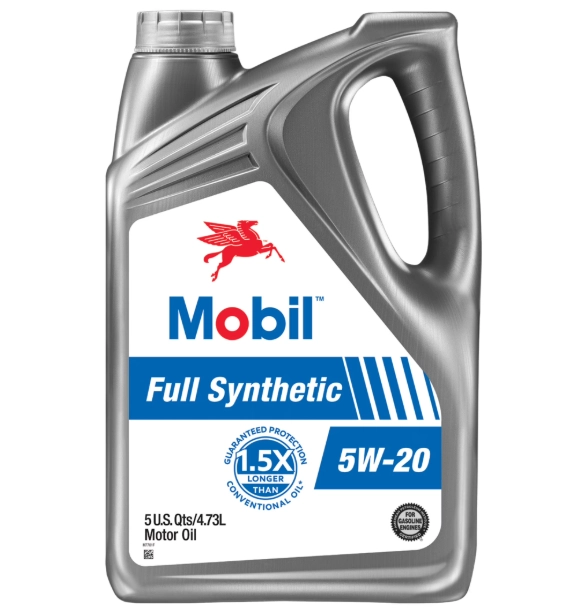
The Right Way to Change to 5W20 Oil (A Simple Checklist)
If you're switching from another viscosity to 5W20, or just doing a routine change, here's the straightforward process. The tool list is basic: wrench for the drain plug, oil filter wrench, funnel, drain pan, and gloves.
- Run the engine for 5 minutes. Warm oil drains more completely and carries suspended contaminants with it.
- Drain the old oil. Remove the drain plug and let it flow until it's a slow drip. Inspect the old oil for metal flakes or a milky appearance (signs of serious trouble).
- Replace the oil filter. Always. Smear a bit of new oil on the filter's rubber gasket before installing. Hand-tighten only—don't crank it with the wrench.
- Refill with new 5W20. Use the funnel. Your manual states the exact capacity (e.g., 4.8 quarts). Pour in about 90%, then check the dipstick, adding the rest gradually.
- Check for leaks and reset the minder. Start the engine, let it run for a minute, and check under the car for drips. Don't forget to reset your vehicle's maintenance reminder light.
A mistake I made early on: overfilling. Even half a quart over can cause the oil to foam, reducing its effectiveness and potentially damaging seals. It's easier to add more than to drain excess.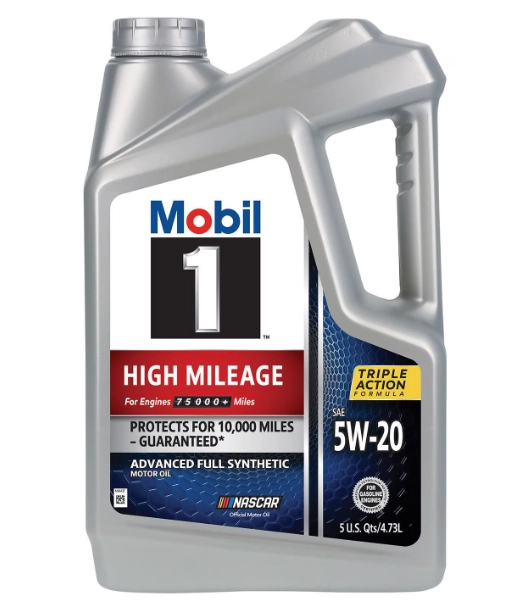
Your 5W20 Oil Questions Answered
Can I use 5W20 in an older car that originally recommended 10W30?
You need to be cautious. While a modern 5W20 might protect fine, older engines were designed with looser tolerances and often rely on a thicker oil film for sealing and pressure. Switching to a thinner oil could lead to lower oil pressure, increased oil consumption (burning), and potential leaks. Check with a mechanic familiar with your specific engine model before making the switch. It's not always a safe or beneficial swap.
My 5W20 oil looks very dark after only 3,000 miles. Does that mean it's bad?
Not necessarily. Darkness is usually a sign the oil is doing its job—holding soot, combustion byproducts, and other contaminants in suspension to be drained away. A modern full synthetic 5W20 can often go 5,000 to 10,000 miles between changes, as recommended by your car's oil life monitoring system. Judge the oil by its service interval and analysis, not just its color. If it smells heavily of gasoline or feels gritty, that's a more urgent sign of a problem.
Is there a performance difference between top-tier 5W20 brands like Mobil 1 and Pennzoil Platinum?
For 99% of drivers on the road, the difference is negligible if both meet the required API SP and OEM specifications. The real-world variation in fuel economy or engine wear between two major, fully-synthetic SP-rated oils will be microscopic. The marketing focuses on different base oil sources (natural gas vs. crude oil), but the final formulated product must pass the same rigorous tests. Choose based on price, availability, and the specific OEM approval your car needs, not on brand loyalty alone.
In very cold weather, will my 5W20 oil get too thick?
This is where the "5W" shines. It's rated to pump effectively at temperatures as low as -35°C (-31°F). A 10W30 oil would be like molasses at that temperature, causing dangerous dry starts. If you live in an extreme cold climate, some manufacturers even recommend a 0W20 oil for even better cold-flow characteristics. Your 5W20 is specifically designed to handle winter better than most thicker grades.
I'm planning to tow a light trailer. Should I switch to a heavier oil than 5W20?
First, consult your owner's manual for towing recommendations. Most modern engines designed for 5W20 can handle light towing (